Kroger Moves Forward With Store Closures Following Failed Merger
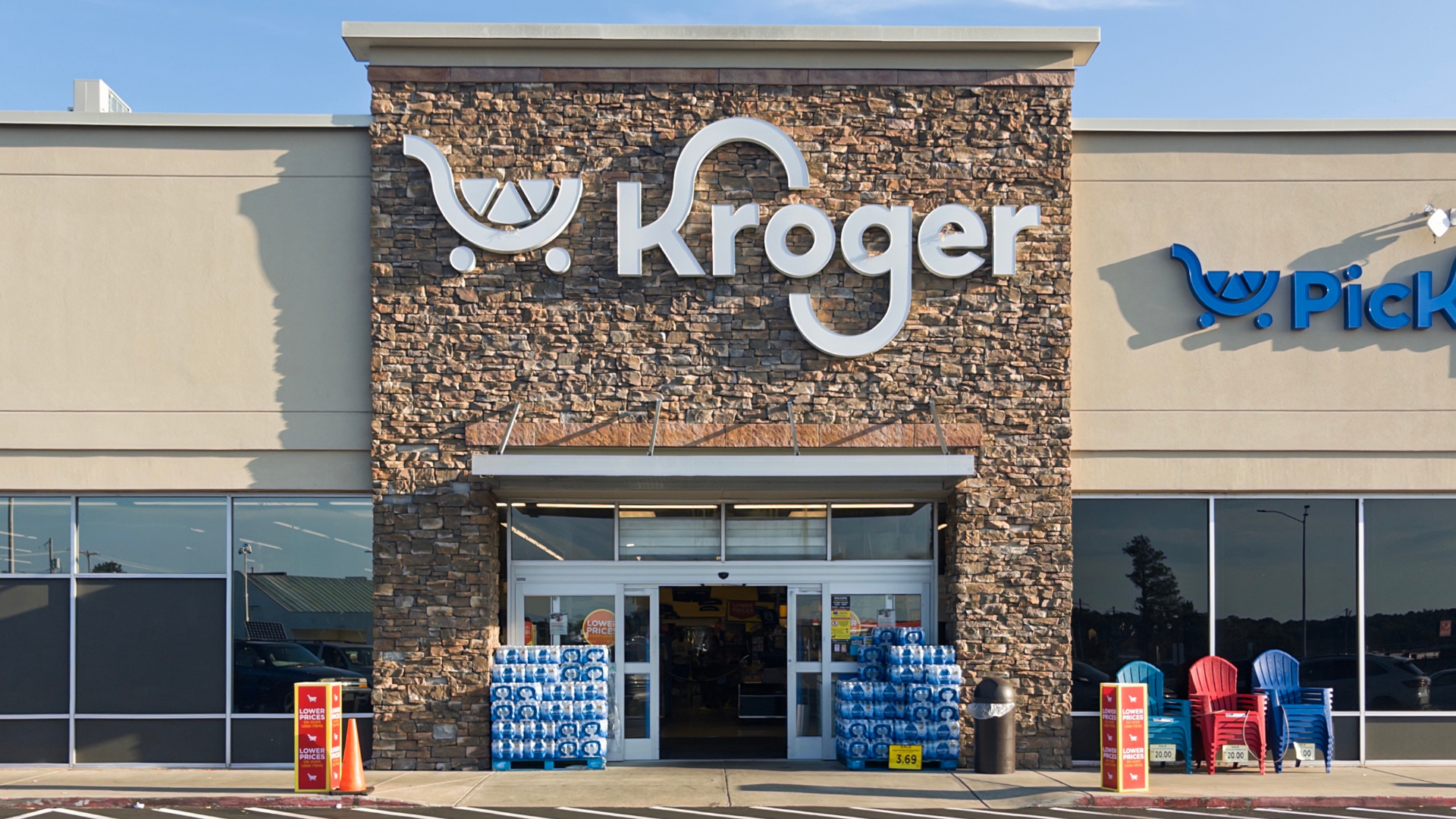

The Kroger Co. has announced plans to close a number of stores across the United States after its proposed merger with Albertsons fell apart, signaling a shift in strategy for the nation’s largest supermarket chain. The closures come as Kroger works to streamline operations, cut costs and focus on more profitable locations in the wake of heightened competition, rising expenses and changing shopping habits among consumers.
The previously proposed merger between Kroger and Albertsons, one of the few remaining large grocery chains, was seen as a potential game-changer for the industry because it would have combined two major players with complementary footprints. However, regulatory challenges and concerns about reduced competition ultimately ended the deal, leaving Kroger to pursue alternative measures to strengthen its business. With the merger off the table, the company is now focusing on optimizing its store portfolio to reduce underperforming locations while investing in areas where it sees growth potential.
Executives say the closures are part of a broader effort to adapt to the evolving grocery market, where online shopping, delivery services and price competition from discounters have pressured traditional supermarket chains. Kroger’s leadership emphasizes that focusing on efficiency and customer preferences remains paramount as it adjusts its long-term strategy following the merger’s collapse.
Which Stores Are Closing and Why

Kroger has begun identifying specific locations that will be shuttered, though the company says details such as the full list of affected stores and exact timing will be revealed over the coming weeks. Early reports suggest that closures will include underperforming stores in both urban and suburban areas, with the aim of ending leases or selling off assets that no longer align with Kroger’s performance metrics. These moves are designed to cut operating costs and redirect resources toward higher-traffic locations where returns are stronger.
Industry analysts say Kroger’s decision reflects broader pressures on major supermarket chains, which must balance the high expense of maintaining large physical footprints with the need to innovate and meet customer expectations for affordability and convenience. Retail competition from dollar stores, wholesale clubs, and e-commerce grocery services has intensified, prompting traditional supermarkets to rethink where and how they operate. Kroger’s renewed focus on technology, delivery and loyalty programs are part of its response to these market pressures.
Some of the closures may also be tied to Kroger’s review of leases and real estate portfolios, with executives indicating that exiting certain markets could free up capital for investments in digital platforms, fulfillment centers and partnerships with third-party delivery services. These efforts are intended to help Kroger better serve consumers shifting toward online grocery shopping and at-home delivery.
Impact on Employees and Local Markets

Store closures often carry significant implications for employees who work at the affected locations, as positions in those stores may be eliminated or consolidated. Kroger representatives say they will work with impacted workers to provide support, which may include opportunities to transfer to nearby stores, access to internal job postings and severance options where applicable, though details vary by location and individual circumstances. The company’s communication with staff aims to give employees as much notice and clarity as possible as decisions are finalized.
Local communities where Kroger stores are slated to close may see knock-on effects, particularly in neighborhoods where a supermarket serves as a key retail anchor. Reduced access to fresh food and essential goods can be a concern for residents, especially in areas with few alternative grocery options nearby. Community leaders and local officials may be watching closely how Kroger’s closures affect shoppers who depend on the chain for everyday purchases.
Some analysts suggest that closures could also reshape competitive dynamics in certain markets, with rival chains potentially filling the void left by Kroger’s exit. Whether new entrants move in or existing grocery stores expand their services could depend on how quickly closures roll out and how communities respond with demand for alternatives.
Kroger Faces a New Chapter After Merger Fallout
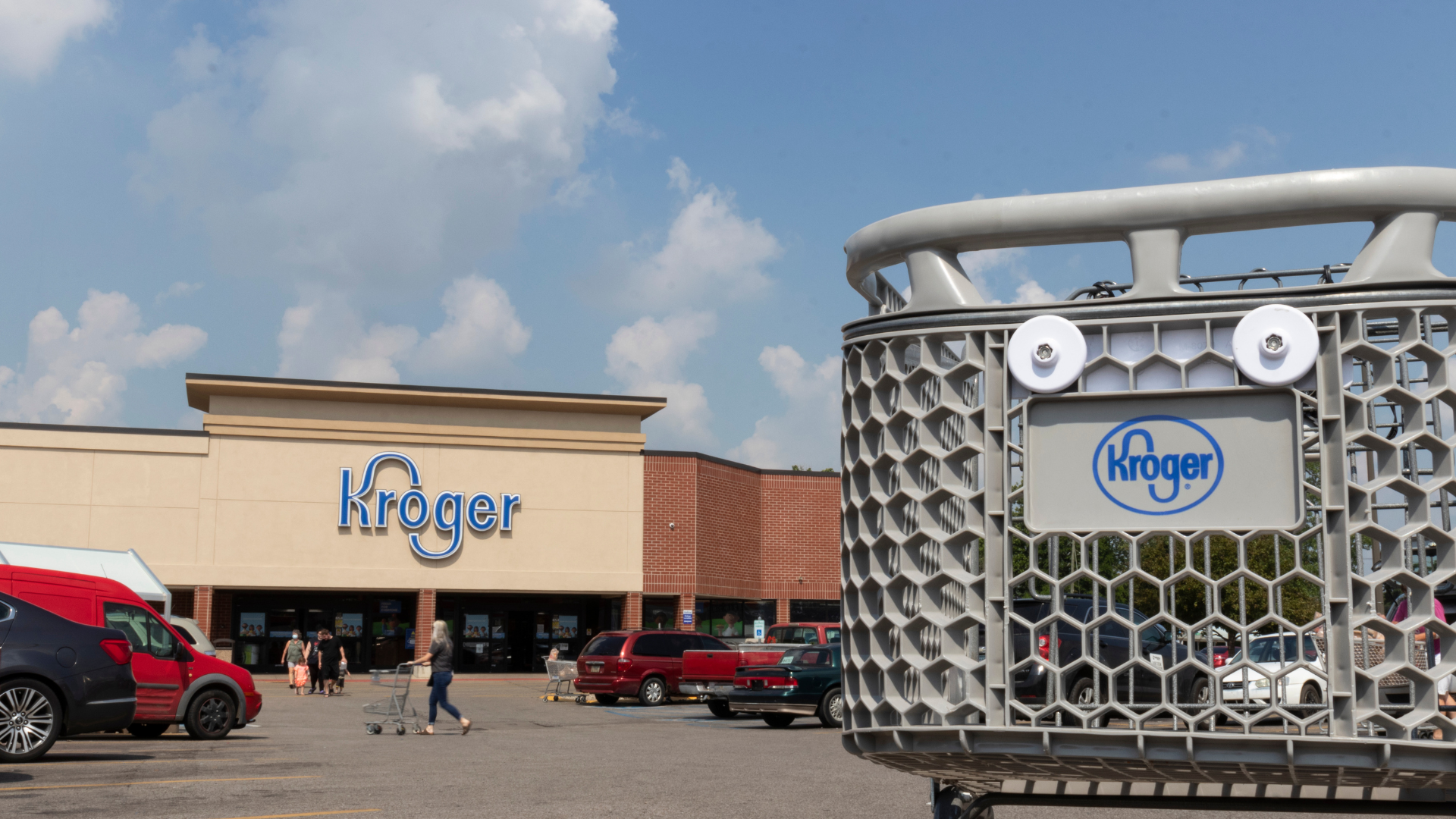
With the collapse of its merger with Albertsons, Kroger is moving into a new phase where store closures and operational restructuring are key components of reshaping its business strategy. The closures reflect how supermarket economics are evolving, with digital transformation and cost efficiency becoming top priorities for large chains.
For customers, this means some communities may lose brick-and-mortar grocery options, even as Kroger invests in online ordering, curbside pickup and other tools designed to meet changing shopper behaviors. The balance between physical presence and digital convenience will be central to Kroger’s ability to compete in the years ahead.
As the company finalizes closure plans and rolls out new initiatives, how Kroger navigates consumer expectations, employee impact and competitive pressure will determine how successfully it adapts to a grocery landscape transformed by economic shifts and regulatory challenges.