Judge Lets Mail-In Voting Changes Proceed Amid Concerns Over Voter List Accuracy


A federal judge has declined to immediately block a controversial executive order from President Donald Trump that could reshape how mail-in voting operates across the United States. The order seeks to create federally coordinated voter eligibility lists and place new restrictions on absentee ballot distribution, while supporters argue it could improve election integrity. Critics, however, warn the proposal raises major concerns about voter list accuracy, eligibility verification, and the federal government’s role in elections.
The Judge Did Not Fully Approve the Policy

U.S. District Judge Carl Nichols ruled that challengers had not yet shown enough immediate harm to justify blocking the order before implementation begins. Importantly, the ruling does not mean the executive order has been upheld on its merits. Instead, the judge said lawsuits could return to court once agencies begin taking concrete steps to carry out the policy.
The Executive Order Focuses on Mail Voting Rules
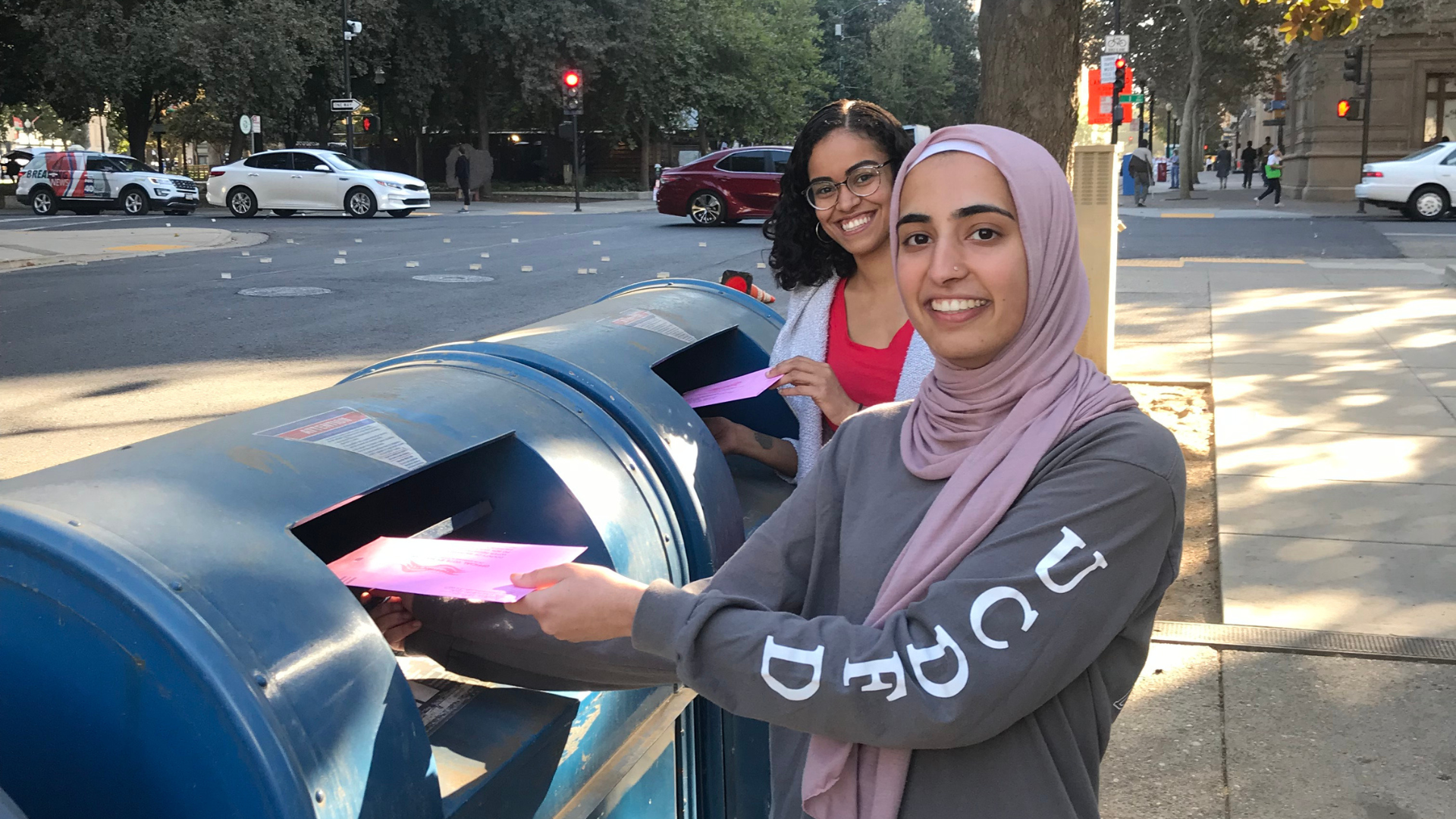
The executive order directs federal agencies to help create state-specific lists of individuals confirmed to be eligible voters and would limit the distribution of absentee or mail-in ballots to people appearing on those lists. The order also calls for additional ballot tracking measures and new standards involving election mail.
A Federal Voter List Is at the Center of the Debate
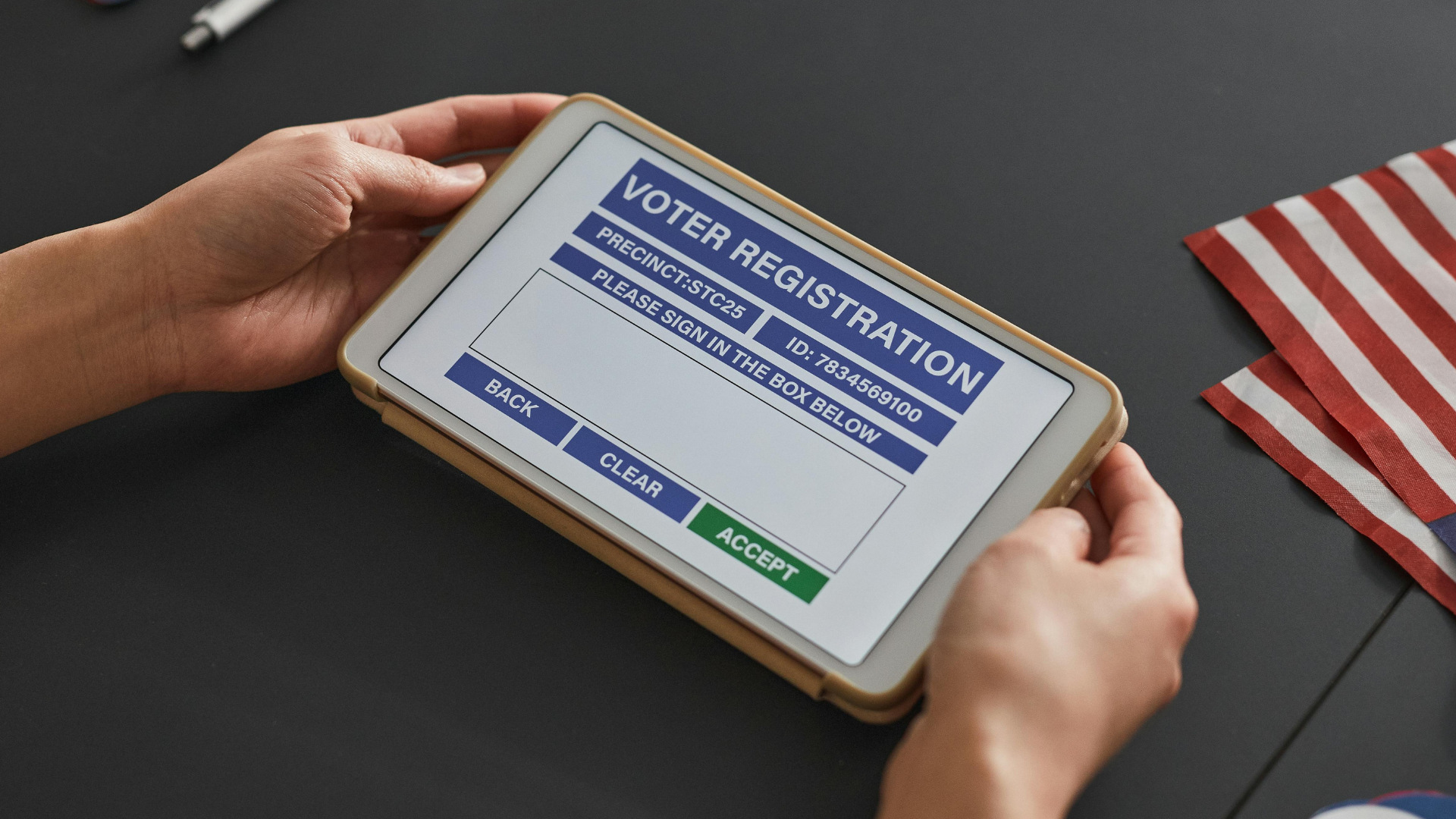
Under the proposal, the Department of Homeland Security and Social Security Administration would help compile voter eligibility data using federal citizenship and government records. Supporters say the system could reduce registration errors and strengthen confidence in elections. Critics argue that large government databases sometimes contain mistakes that could wrongly affect eligible voters.
Concerns About Voter List Accuracy Are Growing

Election experts and voting rights groups have raised concerns that inaccuracies in federal databases could lead to eligible voters being excluded from mail-ballot lists. Errors involving citizenship records, name mismatches, outdated addresses, or administrative mistakes could potentially affect voter access if not carefully managed. Opponents say even small error rates could impact large numbers of people nationwide.
Critics Say Elections Are Primarily Controlled by States

Several states, civil rights organizations, and election law experts argue that the Constitution largely gives states and Congress authority over election administration rather than the president. Multiple lawsuits contend that the executive order exceeds presidential authority and attempts to impose national election standards without congressional approval.
Supporters Say the Goal Is Election Integrity
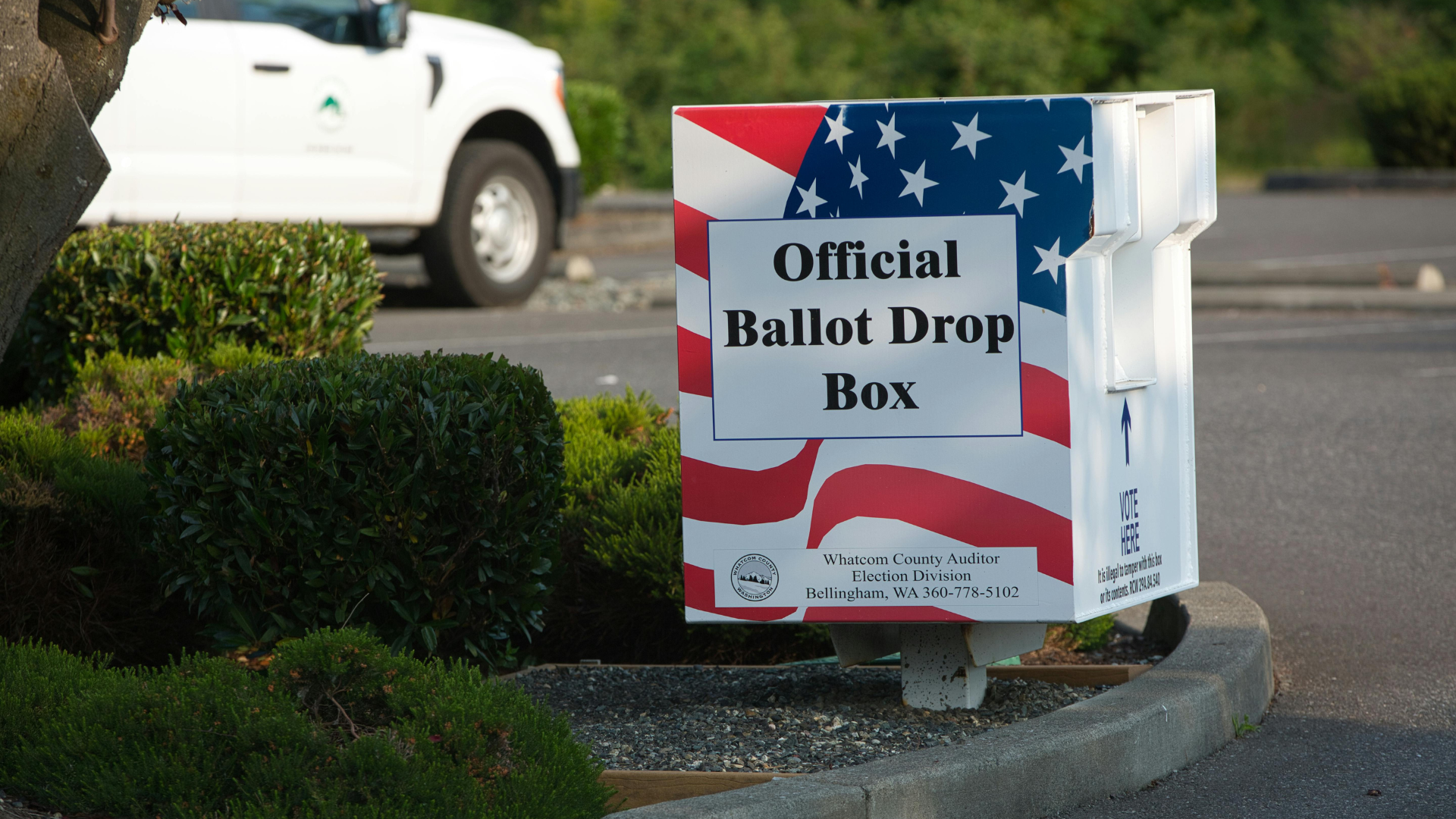
Backers of the executive order argue that stronger voter verification systems could help prevent administrative errors and improve confidence in election outcomes. The administration has framed the effort as part of a broader push to ensure that only eligible citizens participate in federal elections and that mail-ballot procedures remain secure and trackable.
Mail Voting Has Become a Major Political Flashpoint

Mail-in voting expanded significantly in recent election cycles, particularly during the COVID-19 pandemic. While many states now offer widespread absentee voting options, debates over security, verification procedures, ballot deadlines, and voter access have turned mail voting into one of the most contested issues in modern American election politics.
Legal Challenges Are Far From Over

Several lawsuits challenging the executive order remain active, and additional cases are expected if federal agencies move forward with implementation. Legal battles are likely to focus on constitutional authority, voter access concerns, federalism questions, and whether the administration has the power to direct election procedures traditionally managed by states.
The Future of the Order May Be Decided in Court
Although the judge allowed the executive order to move forward for now, the ruling does not settle the larger legal questions surrounding the policy. Election officials, advocacy groups, and federal agencies are expected to continue fighting over how mail-in voting should be administered and how voter eligibility lists should be maintained. As implementation efforts unfold, future court decisions could ultimately determine whether the proposed changes survive or are blocked before future elections.