JPMorgan CEO Warns of Trouble Ahead for Corporate America, and Your Job Could Be Affected



Jamie Dimon has spent 2026 warning that companies may be enjoying calmer conditions than they should expect to last. The JPMorgan Chase CEO is not predicting an immediate recession, and the economy has shown resilience. But his latest message lands differently because it is aimed directly at businesses deciding how much to borrow, spend and hire. The question is not whether money is available today. It is what happens when companies need it tomorrow.
Something Is Making Corporate Money More Expensive

Companies routinely borrow to expand, refinance old debt, build facilities, buy equipment and fund everyday operations. When financing becomes more expensive, those plans get harder to justify. Dimon recently asked whether companies are prepared for higher credit spreads when they need to borrow or refinance. That sounds like Wall Street jargon. For employees, it can become very real, very fast. Because when corporate budgets get squeezed, borrowing costs are rarely the only thing executives reconsider.
Here’s Where Your Job Enters the Picture

Higher borrowing costs can push companies to slow hiring, delay expansion or cut jobs as they protect cash and profits. That does not mean Dimon is forecasting mass layoffs. He isn’t. His warning is about vulnerability if the credit cycle turns against borrowers. And he has been unusually direct about the possible severity: “When there’s a credit cycle, losses will be worse than people expect.” Now comes the uncomfortable part. There are already signs of stress beneath the surface.
Distressed Corporate Debt Is Already Climbing

Leveraged loans trading below 60 cents on the dollar reached $65 billion, up from $40 billion a year earlier and the highest level since March 2020. Technology companies account for 39% of distressed loans, while JPMorgan strategists expect defaults on leveraged loans and high-yield bonds to rise in 2027. That does not guarantee a crisis. It does show that some heavily indebted businesses are having trouble well before any broad downturn arrives. And another enormous borrower is competing for the same money.
AI Is Adding an Expensive Twist
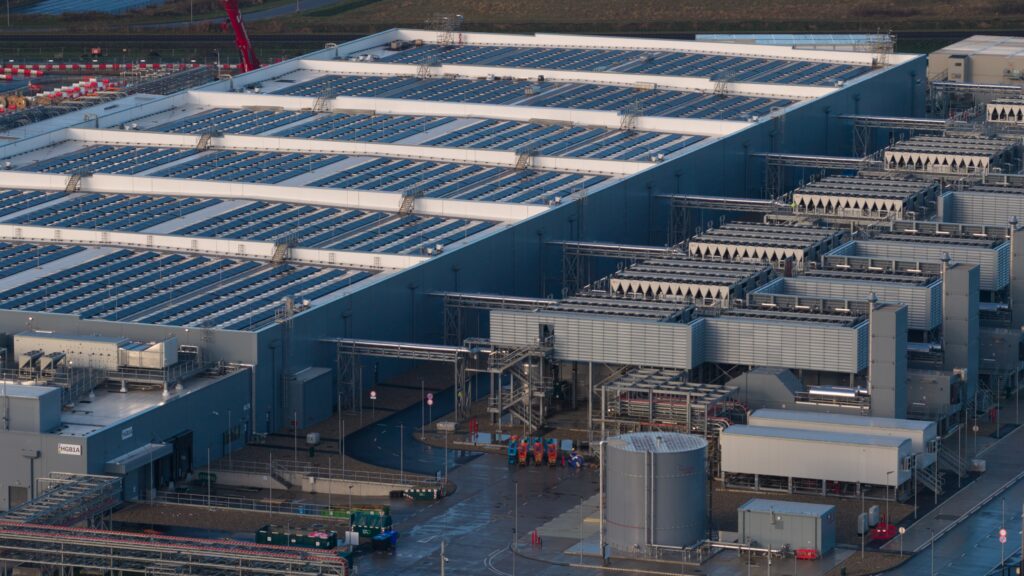
America’s AI buildout requires staggering amounts of capital. The four largest cloud companies are projected to spend about $725 billion on capital projects this year, roughly 77% more than in 2025. Goldman Sachs expects more than a third of their 2027 spending to be debt-funded. At the same time, the U.S. government is borrowing heavily. Dimon’s point is simple: everybody wants capital. “The market will ask for more and more and more,” he said. Eventually, somebody pays more to get it.
Dimon Has Another AI Warning, Too
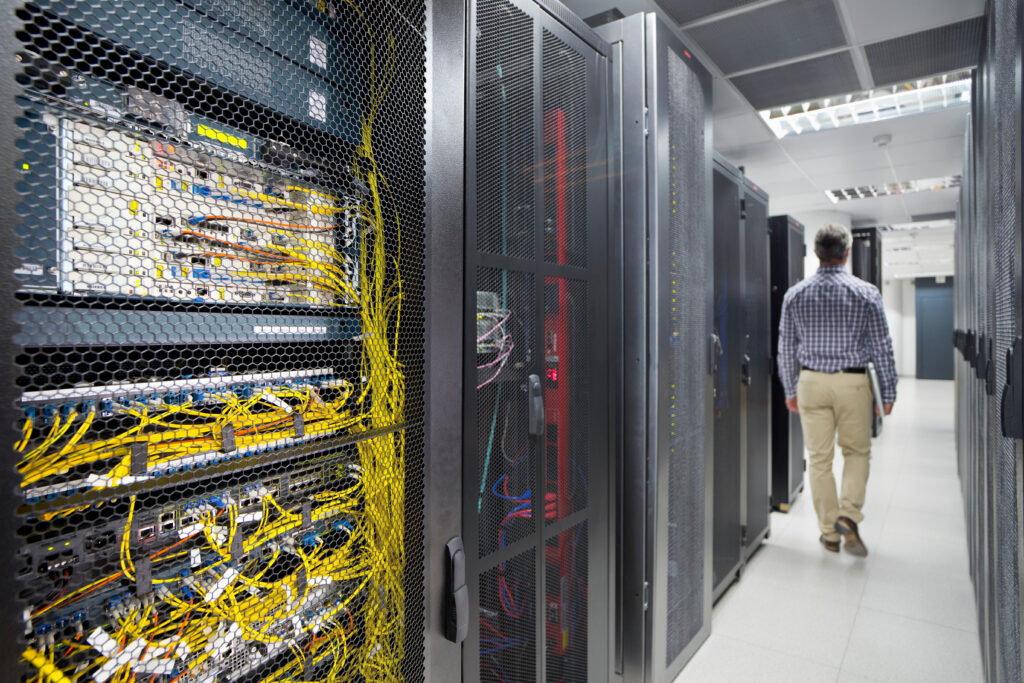
Money is not his only concern. After JPMorgan received early access to Anthropic’s advanced Claude Mythos model, Dimon said AI-related cyber risks had gone up “10-fold.” His response was characteristically unsentimental: “AI created vulnerabilities that we didn’t know about.” Yet he is not arguing that businesses should abandon the technology. “We’re rolling up our sleeves and going to work to fix it,” he said. Companies therefore face two AI pressures at once: funding the boom and defending against what it enables.
Workers Have Heard Tough Talk From Dimon Before

Dimon already has a reputation for taking a hard line on workplace policy. In an older discussion about remote work, he acknowledged why employees dislike long commutes before adding: “Doesn’t mean they have to have a job here either.” That quote resurfaced angrily in an r/technology thread. Redditor S7EFEN captured the resistance from remote workers: “awaiting compelling arguments to spend an hour commuting into an office to then sit in front of a laptop all day.” The debate may be old, but the tension is familiar.
Reddit’s Reaction Was Much Less Polite
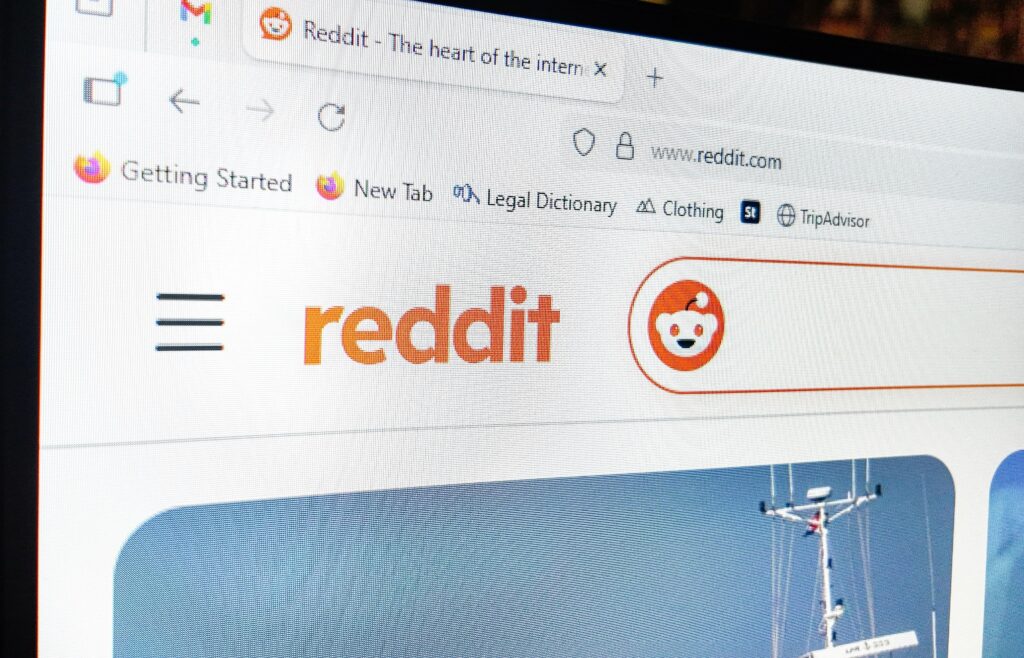
The r/technology thread turned Dimon’s return-to-office stance into a broader argument about who absorbs corporate pressure. onimod53 sarcastically wrote, “Yep – declaring war on your employees will definitely end well.” Another commenter, collinwade, said they were fired from JPMorgan for return-to-office noncompliance after previously being told remote work would eventually be possible. That is one person’s account, not evidence of a broader firing pattern. Still, it explains why workers hear executive warnings differently from investors.
The Pressure Doesn’t Stop at Your Paycheck

The same expensive-money problem reaches households. The average 30-year mortgage rate passed 7% in late September, while credit-card balances were carrying rates around 21.5%. New auto payments averaged $770 in the first quarter. So a worker could face two pressures simultaneously: an employer becoming more cautious about spending and personal debt becoming harder to carry. That makes Dimon’s simplest piece of advice surprisingly relevant outside the boardroom: deal with problems before they become crises.
The Next Move Belongs to Corporate America

Dimon is not saying a recession starts tomorrow or that layoffs are inevitable. His warning is more useful than that: companies carrying expensive debt need to know how they will respond if refinancing gets tougher and defaults rise. Workers should watch what employers do next. Hiring freezes, delayed projects, restructuring and cost-cutting can reveal pressure long before a company uses the word “crisis.” The credit cycle has not delivered its verdict yet. But if Dimon is right, the first clues may show up at work.