Jim Jordan Faces Backlash After Telling Americans Struggling With Gas Prices, ‘That’s Life’
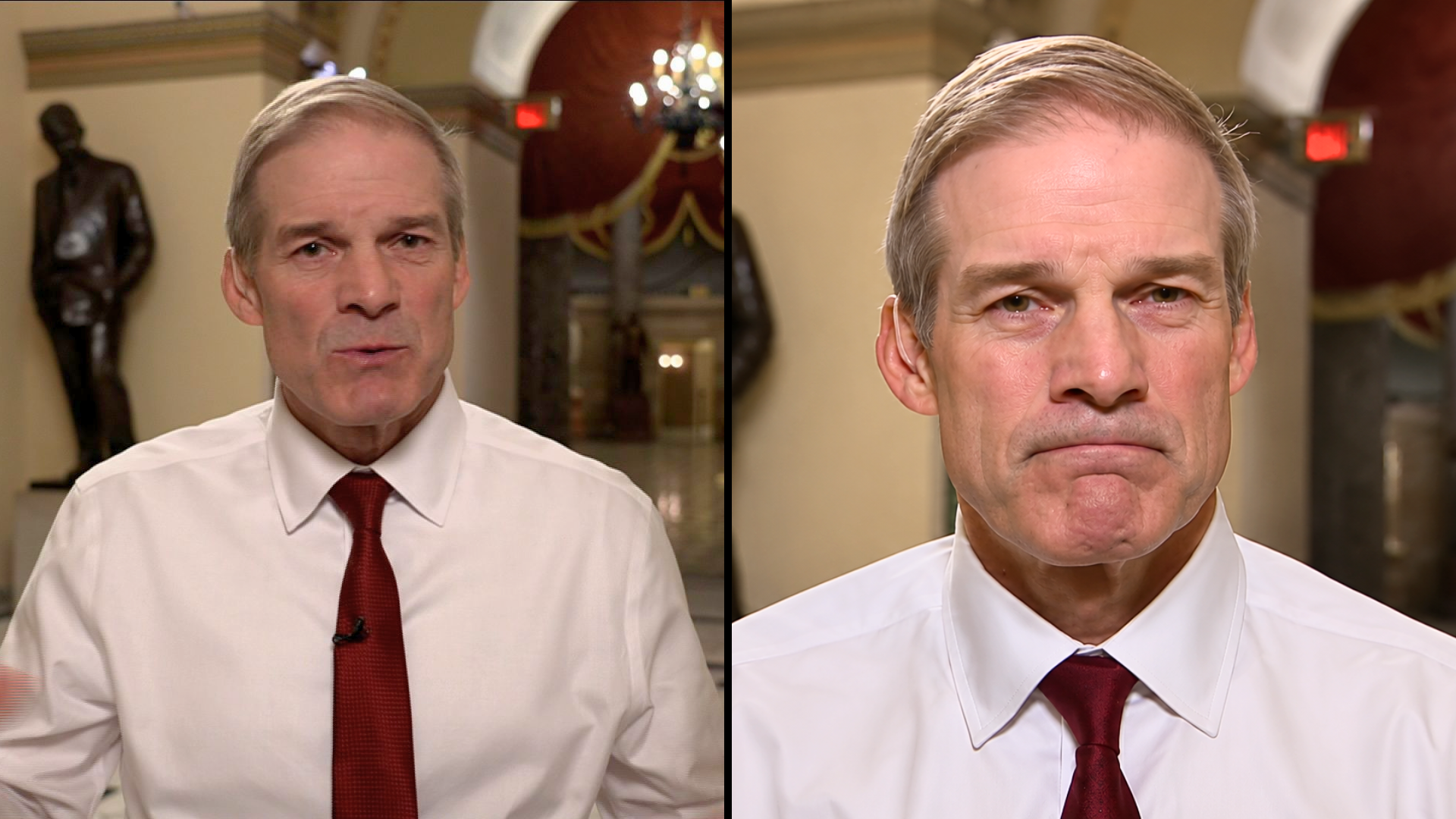

Gas prices have climbed more than 50% since early 2026, driven by the U.S.-Israel-Iran war and Iran’s blockade of the Strait of Hormuz. The national average hit $4.53 per gallon before the interview aired, up from $2.98 before the war began, while California averaged over $6.00. Against that backdrop, House Judiciary Committee Chairman Jim Jordan sat down with CNN anchor Kaitlan Collins on Thursday, May 14, 2026, to defend the president. What followed was a clip that was still being shared widely two days later.
Collins pressed Jordan on Trump’s 2024 campaign promise that gas prices would fall below $2 a gallon if he returned to office. Jordan replied: “Well, gas prices were coming down until we had to deal with this situation. But, you know, that’s life, that’s dealing with the world, and the world we live in.” When Collins pointed out that someone paying $2.98 a gallon before the war started, and now paying $4.53, might not find that response comforting, Jordan made the moment significantly worse. He interrupted and told her: “Those are your words, not mine.” Collins replied immediately: “You said that just now. I quoted you.”
Collins also played tape of Jordan criticizing gas prices under Biden, challenging him to reconcile his past condemnation of $3.07 gas prices under Biden with his current defense of $4.53 prices under Trump. Jordan attributed the spike to the war with Iran and framed it as a necessary trade-off for preventing Iran from obtaining a nuclear weapon. He told Collins: “This is the situation. They were pursuing a nuclear weapon. President Trump said, ‘I’m not gonna do that.’ He ran on that, and he’s taken the appropriate action that I think you want your commander-in-chief to take for the security and safety of America.” He added that he hoped gas prices would come down soon. The internet did not wait for that follow-up.
The 2022 Post That Came Back, and Why the Double Standard Hit a Nerve
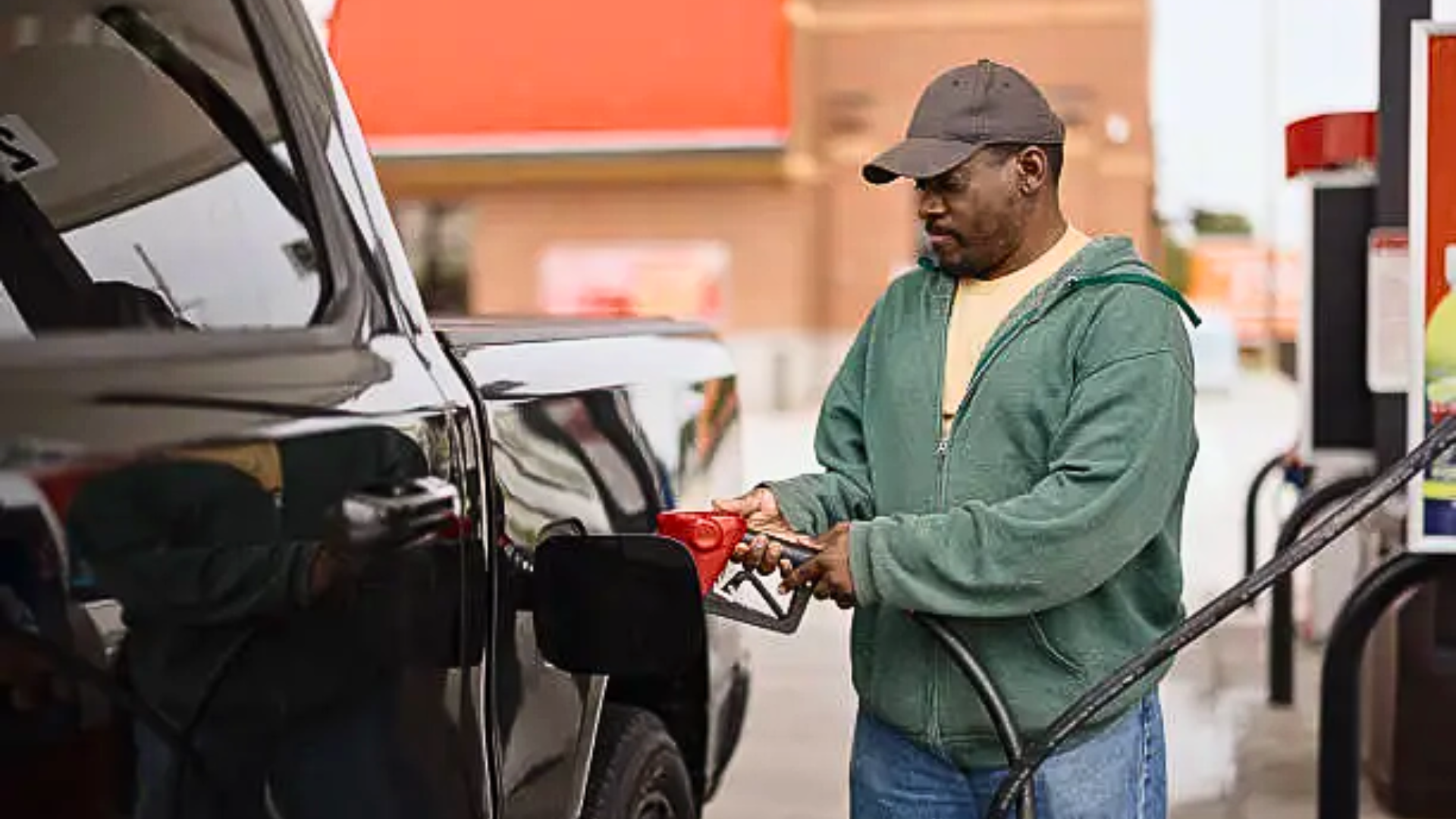
Jordan had been critical when gas was $3.07 per gallon under President Biden. Collins reminded him of that directly during the interview and asked: “If you thought that was bad, what is $4.53?” Social media users quickly surfaced a 2022 post by Jordan that read: “President Trump predicted if Joe Biden was elected, you’d see $5, $6, and even $7 gas. He was right. Again.” That post, written when gas was rising under a Democratic president, was juxtaposed online with Jordan’s “that’s life” remark made when the national average had already cleared $4.53 under a Republican one. The contrast spread rapidly across platforms.
Jordan was not the only Republican offering responses to rising gas prices that drew public criticism. House Majority Leader Steve Scalise had tried claiming consumers were paying $3 per gallon, a figure inconsistent with national price data. Republican Senator Rick Scott of Florida had appeared on CNN and said, “It’s terrible that we have higher gas prices, but it’s worth it to me.” Scott, for context, is one of Congress’ wealthiest members, with a net worth of more than half a billion dollars. The pattern of responses from senior Republicans drew attention to a wider disconnect between how the party had framed gas prices under Biden and how its members were now explaining them under Trump.
Republican strategist Melik Abdul reacted to the clip of Jordan’s remarks by saying plainly: “That dog ain’t gonna hunt.” Abdul said on air that the argument that Americans should accept pain at the pump as a byproduct of foreign policy would not hold with voters experiencing the real cost of the war in their weekly budgets. Jordan’s defense also included pointing to Trump’s proposed suspension of the federal gas tax as evidence that the administration cared about consumer costs. The federal gas tax is 18.4 cents per gallon, a reduction that would amount to roughly 4% of the current national average price.
What Trump Promised on Gas Prices in 2024, and Where Those Numbers Actually Stand
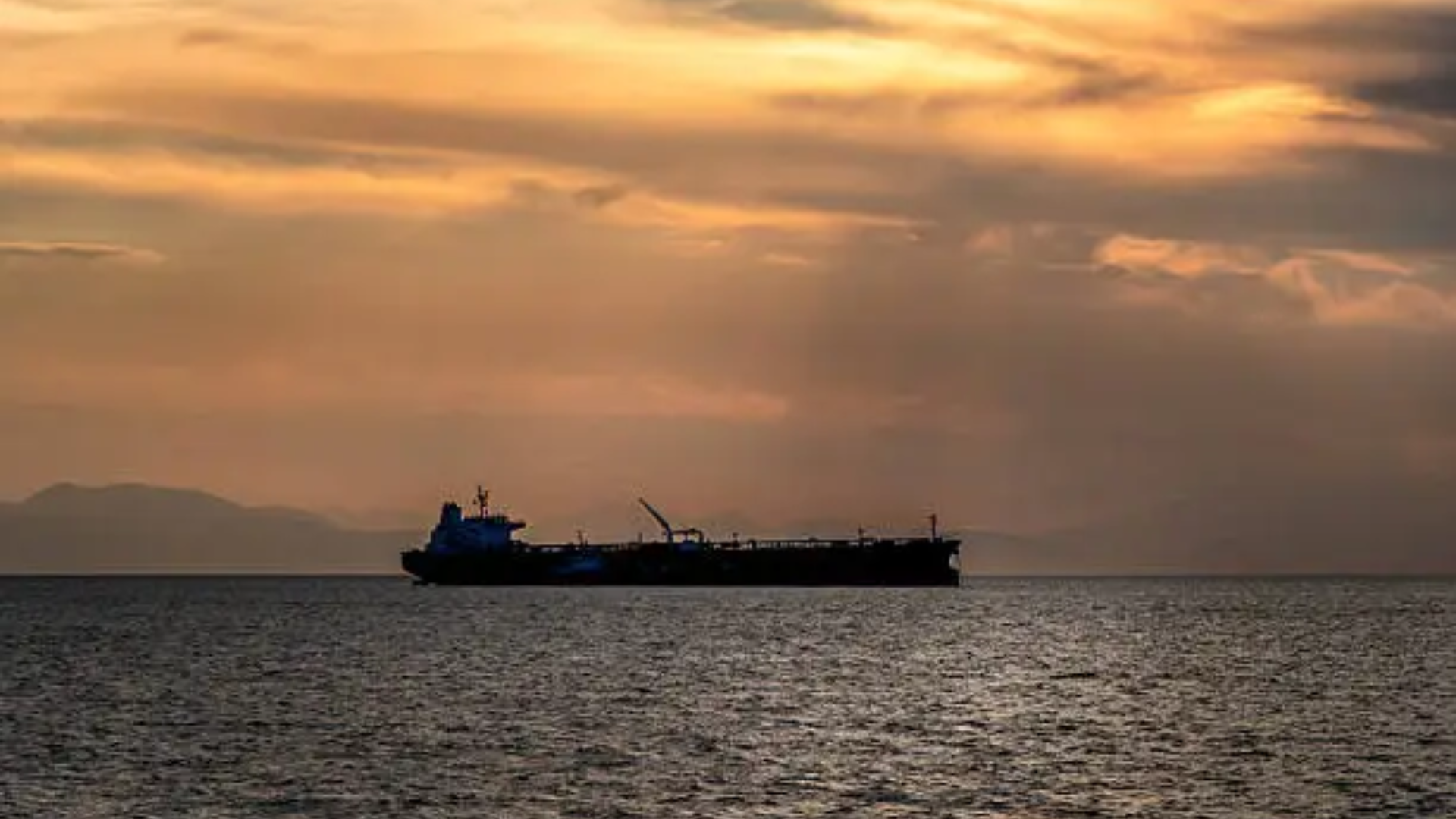
Trump made the $2 per gallon promise repeatedly during his 2024 campaign, arguing that domestic energy production increases and deregulation under his administration would bring prices down sharply and quickly. The promise was specific and measurable, which is part of why Collins returned to it in the interview. Gas prices did decline through much of late 2024 and early 2025. The national average fell below $3 for portions of that period. But the outbreak of the U.S.-Israel-Iran war in early 2026 reversed that trajectory sharply, with Iran’s closure of the Strait of Hormuz disrupting global oil supply routes and driving prices upward for weeks.
The interview came as national gas prices had surged roughly 50% since early 2026, driven by the U.S.-Israel-Iran conflict and Iran’s blockade of the Strait of Hormuz. The price increase is not the result of domestic energy policy but of a military conflict and its ripple effects through global oil markets. Jordan’s framing during the interview acknowledged this directly, attributing the spike to the war and defending it as the cost of preventing Iranian nuclear development. That argument draws a distinction between what Trump promised he could control through policy and what Jordan said is simply the reality of war, a distinction that critics argued undermined the original campaign promise.
When Collins pressed Jordan on whether Trump was minimizing what Americans were feeling because of the war, Jordan replied: “This is a president who did the largest tax cut in American history, letting American families keep more of their money. He said we should suspend the gas tax to help families deal with the price they’re paying for fuel at the pump today. So of course he cares about that.” Jordan also argued that Trump was doing what he said he would do: prevent Iran from obtaining a nuclear weapon, which Jordan described as something every previous president had failed to do for 47 years. His broader argument was that voters elected a commander in chief to make hard decisions, not a candidate who would only act when conditions were comfortable.
The Reaction Online, and What the Exchange Revealed About Republican Messaging
The moment Collins played Jordan’s own words back to him became the focal point of the reaction that followed. Jordan saying “those are your words, not mine” seconds after saying exactly those words in the same interview was clipped, captioned, and widely shared. One X user reposted Jordan’s 2022 gas price attack on Biden alongside the May 14 clip, writing: “Republicans when gas prices went up under Biden: ‘This is tyranny.’ Republicans when gas prices go up under Trump: ‘That’s life.’ Amazing how fast patriotism turns into excuses.” The post was shared tens of thousands of times.
Other responses on social media were more pointed. One commenter wrote that it was easy to say “that’s life” when you make “tons of money from the taxpayers.” Another told Jordan directly that gas could be $10 a gallon and it would not affect him personally. A third said Trump had made the $2 gas promise and that “guys like Jim will make every excuse in the book for him.” MSNBC political contributor Steve Benen described the exchange as “one of those rare moments when a leading Republican official appeared offended by his own comments about rising consumer prices, which he apparently forgot immediately after saying them,” writing that as the 10th week of the Iran war approached, the GOP appeared to have no consensus message on gas prices.
The broader dynamic the Jordan interview exposed is one that Republicans will face in the months ahead. The party spent years using gas prices as a blunt political weapon against Democrats, tying every cent increase at the pump to presidential decisions and demanding accountability. That framing is now being applied in reverse by Democrats and in social media comment sections by voters who remember the attacks on Biden. Jordan’s attempted defense, that the price increase is the cost of a foreign policy decision Americans should support, may be factually defensible but it is structurally identical to the arguments Democrats made about energy prices that Republicans rejected. That is the tension the “that’s life” clip captured in two words.