Jeff Bezos’ Space Company Puts Satellite in Wrong Orbit, Forcing It to Fall Back to Earth
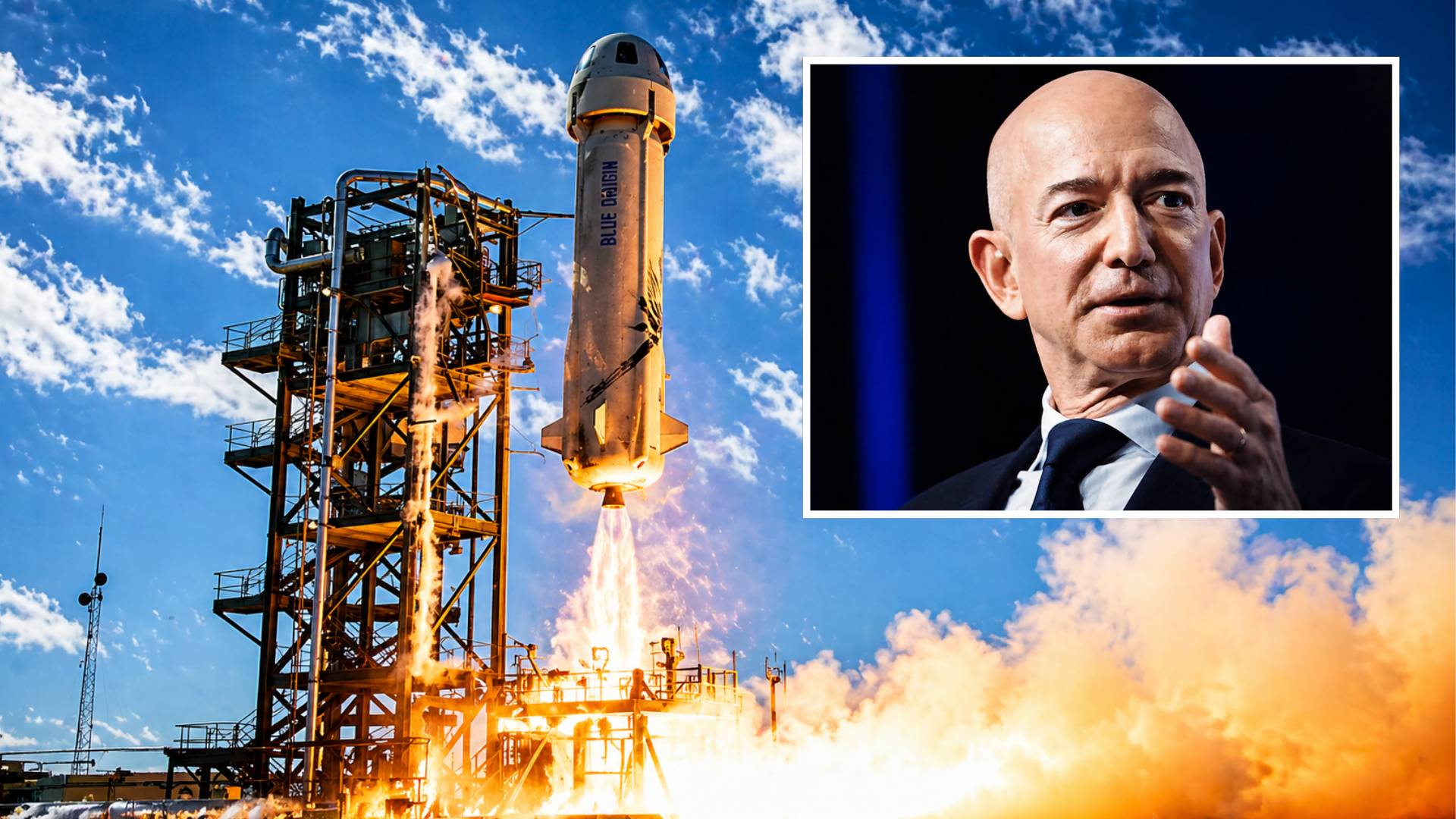

A rocket sticking its landing is the kind of triumph that makes space fans cheer. But on the same day Blue Origin pulled off that feat, its New Glenn rocket quietly dropped a communications satellite into the wrong orbit, dooming it to burn up in Earth’s atmosphere. One win and one costly failure, happening at the same time. That contradiction tells a bigger story about where Jeff Bezos’ space company really stands right now.
Blue Origin’s Big Moment in Rocketry
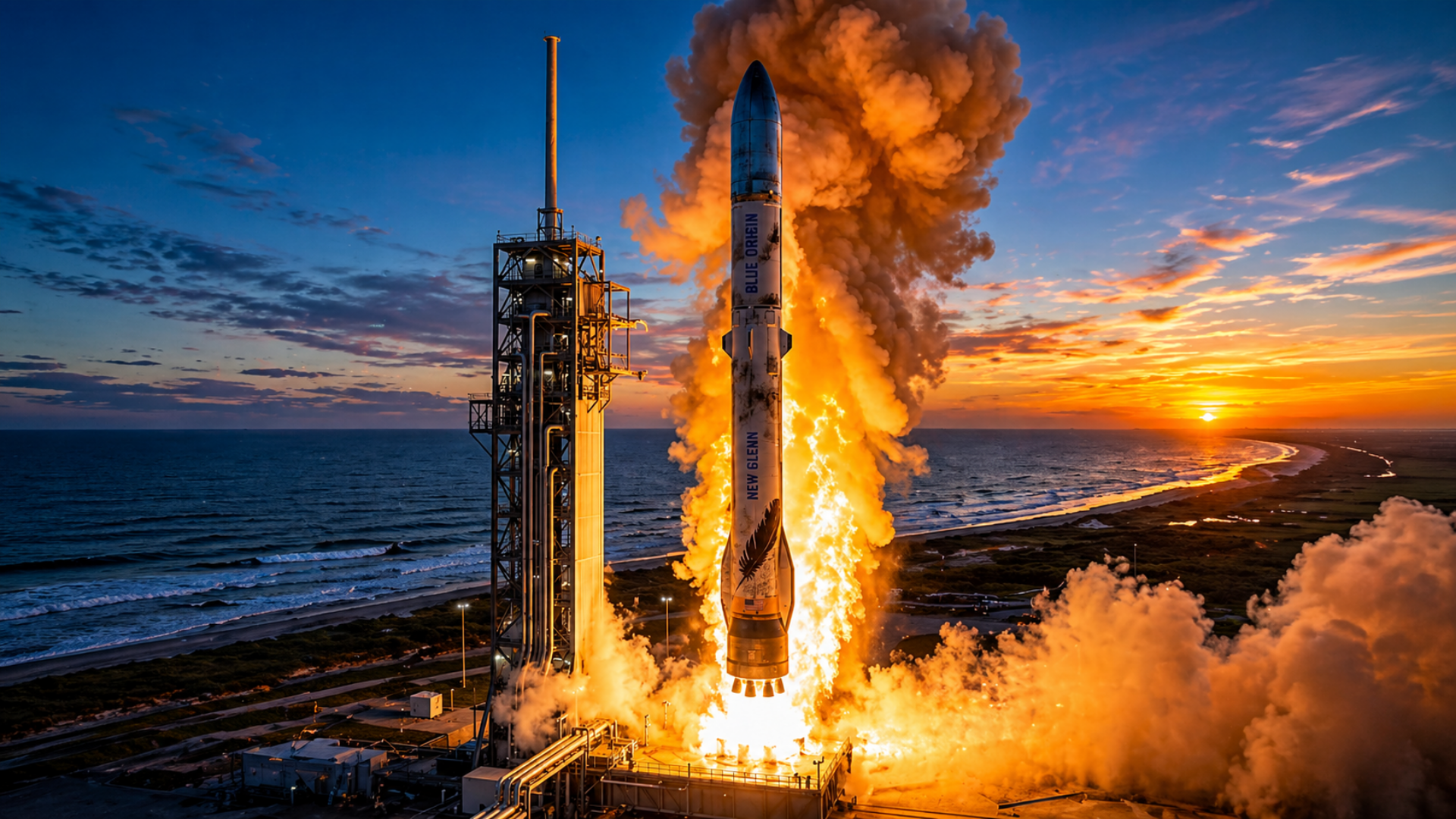
On the same launch, Blue Origin successfully landed its New Glenn booster on a drone ship called “Jacklyn” for the first time. Reusing a rocket booster is a major cost-saving milestone, one that SpaceX has used to dominate the commercial launch market. For Blue Origin, this was proof that its heavy-lift rocket could recover from past setbacks. The achievement mattered. But it was quickly overshadowed by what happened to the payload the rocket was supposed to deliver.
The Satellite That Ended Up in the Wrong Place

AST SpaceMobile, a Texas-based company building a space-based mobile broadband network, was the customer for this launch. Its communications satellite separated from the rocket and powered on as planned. The problem: it was dropped into an orbit too low to sustain operations. The onboard thrusters lacked enough power to push the satellite up to where it needed to be. With no way to correct its position, the satellite was left with only one direction to go: down.
What “De-Orbited” Actually Means
De-orbiting sounds technical, but the outcome is straightforward. A satellite placed too low gradually loses altitude as Earth’s thin upper atmosphere creates drag. Unable to sustain itself, it falls inward and eventually burns up on reentry. AST SpaceMobile confirmed the satellite would be de-orbited, meaning it will be destroyed. The company noted that insurance would cover the cost, which limits the financial blow, but nothing can recover the time lost in the process.
A Decade of Development on the Line

The New Glenn rocket has been in development for over 10 years. It made its first flight to space in January 2025, but failed to recover its booster on that inaugural attempt. The latest launch marked real progress on that front. Yet delivering a payload into the correct orbit is one of the most basic functions of a launch vehicle. Failing at that task, despite years of work and investment, raises genuine questions about the rocket’s readiness for more demanding missions ahead.
The SpaceX Shadow Looms Large

Blue Origin’s chief rival, SpaceX, has been pulling ahead for years. Its Starship rocket stands about 400 feet tall and is rated to carry roughly twice the cargo of New Glenn to low-Earth orbit. During recent test flights, Starship has deployed Starlink satellite simulators, demonstrating payload delivery capability. SpaceX has not yet delivered operational satellites via Starship, but its track record with the Falcon 9 gives it enormous credibility that Blue Origin still needs to build.
NASA Is Watching Both Companies Closely

Both Blue Origin and SpaceX have contracts with NASA to land astronauts on the Moon as part of the Artemis program. SpaceX’s Starship is one of the designated lunar landers. Blue Origin’s Blue Moon lander is the other. A botched satellite deployment does not automatically disqualify Blue Origin from that program, but it does highlight the gap in operational experience between the two companies at a moment when the stakes could not be higher.
The Original Plan Was Even More Ambitious
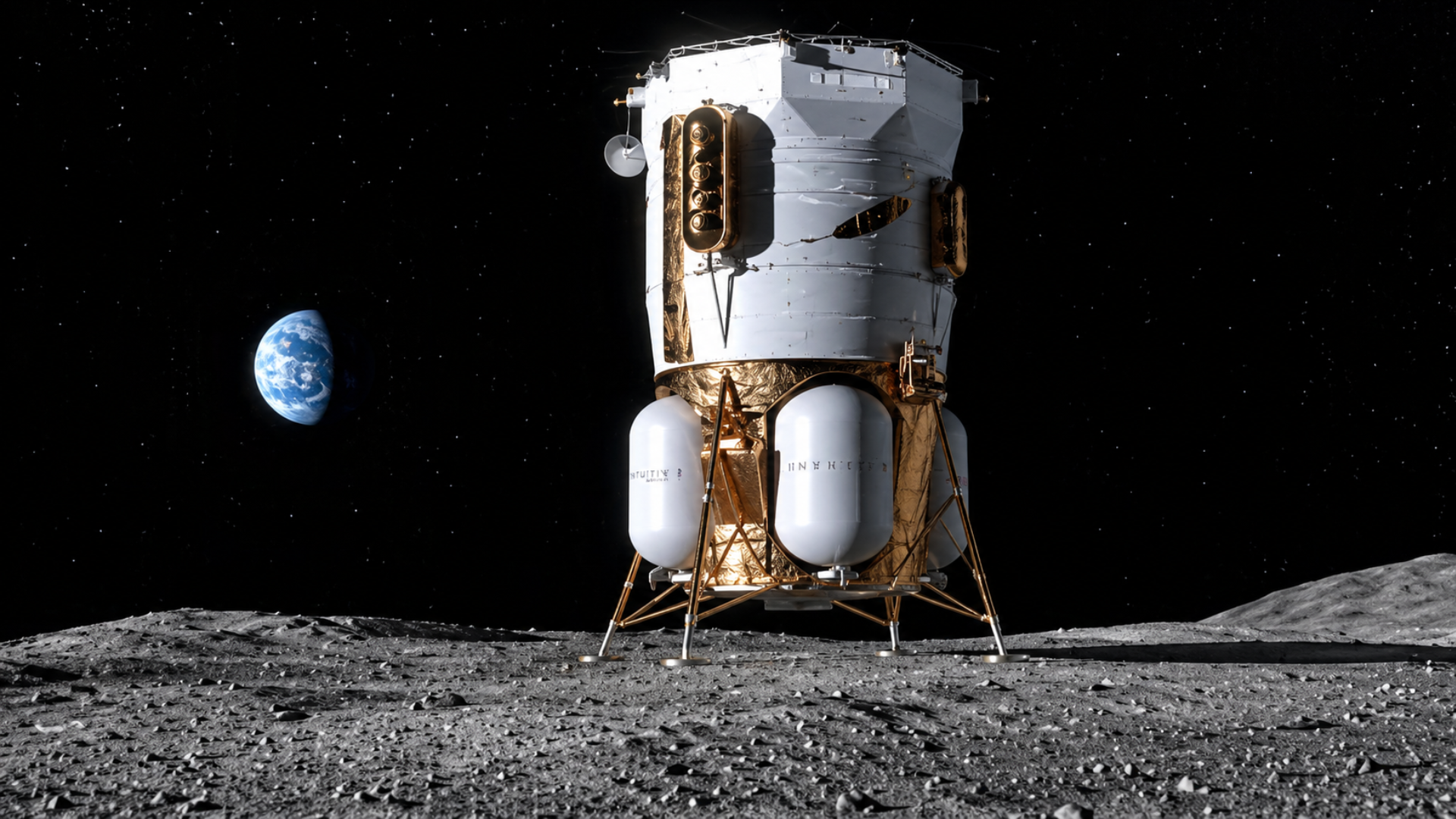
According to TechCrunch, the original plan for this New Glenn launch was to fly an uncrewed version of the Blue Moon lunar lander, not a communications satellite. Blue Origin switched payloads before launch, opting to carry the AST SpaceMobile satellite instead. That decision pushed the lunar lander test to later this fall. In light of this failure, the company’s timeline for a lunar lander demonstration, and for launching Amazon’s internet satellites before year’s end, is now under real pressure.
Blue Origin’s Response and What Comes Next

After the failed deployment, Blue Origin issued a measured statement, saying the company was assessing the situation and would provide updates. That measured tone reflects the careful PR balance the company is trying to strike: acknowledging a setback without alarming NASA, investors, or future customers. Per Spaceflight Now, Blue Origin still plans to launch the Blue Moon test lander this fall and begin launching Amazon’s internet satellites before the end of the year. Whether those timelines hold will depend on what its investigation uncovers.
One Small Step, One Giant Problem

Blue Origin’s booster landing was a genuine milestone, a sign that the company can learn and improve. But delivering a satellite into the wrong orbit on the same flight is the kind of mistake that erodes confidence at the worst possible time. With Moon missions, Amazon’s satellite network, and NASA partnerships all on the horizon, Blue Origin cannot afford many more moments like this.