Jeff Bezos’ Failed Launch Raises Concerns for NASA’s Moon Mission Plans


A recent Blue Origin rocket launch has sparked concern after a mission failure prevented a payload from reaching its intended orbit. The New Glenn rocket successfully lifted off, but an upper-stage malfunction left the satellite in the wrong trajectory, ultimately leading to its loss. The incident has triggered a formal FAA investigation into the failure.
The failed deployment involved a commercial satellite built for space-based communications, which was intended to remain in orbit but instead re-entered Earth’s atmosphere. While the booster stage performed as planned, the upper stage did not generate enough thrust to complete the mission. Blue Origin has since grounded additional flights while engineers investigate the issue.
Although NASA was not directly involved in the mission, the setback has raised broader questions about the reliability of commercial launch systems supporting future lunar exploration. Experts note that Blue Origin plays a supporting role in NASA’s Artemis program, particularly in developing hardware for Moon landers. Any delays or repeated failures could affect long-term mission timelines.
What Went Wrong With the Rocket Launch
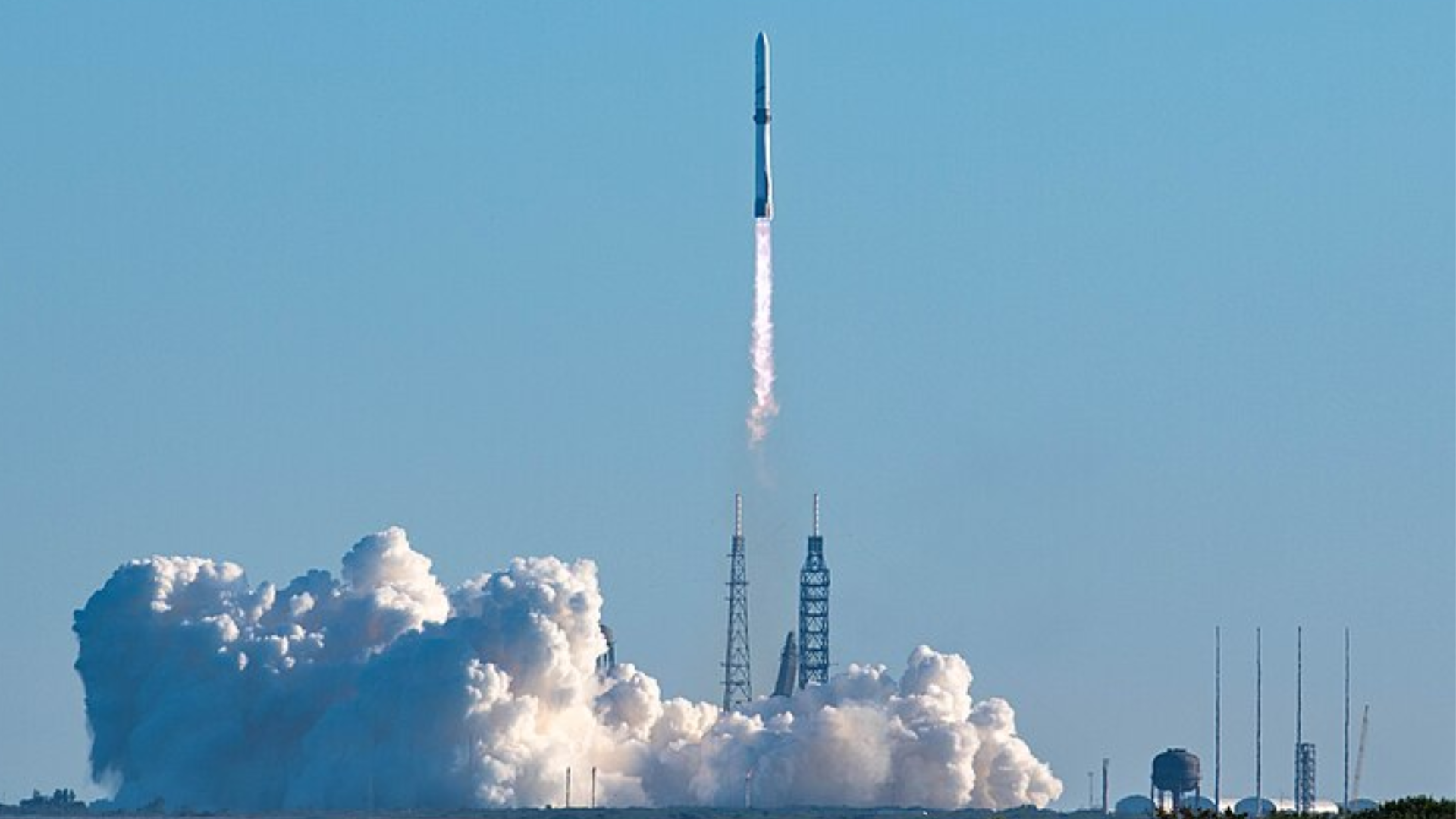
According to preliminary reports, the failure was caused by insufficient thrust from one of the upper-stage engines during flight. This prevented the rocket from reaching the correct orbital altitude required for payload deployment. Engineers are now reviewing propulsion and fuel systems to identify the exact cause of the anomaly.
The malfunction led to the loss of the satellite payload, which was designed to support next-generation space-based communication networks. The spacecraft successfully powered on but could not maintain a stable orbit, forcing it to re-enter the atmosphere. The failure represents a significant setback for the customer involved in the mission.
Blue Origin has stated that it is cooperating fully with federal regulators during the investigation. The company has also suspended further New Glenn launches until corrective measures are completed. Officials say the findings will determine when the rocket can return to flight status.
Why NASA’s Moon Plans Are Now Being Questioned
The New Glenn rocket is expected to play a role in supporting NASA’s Artemis program, which aims to return humans to the Moon later this decade. Because of this connection, any technical failure raises concerns about the reliability of commercial partners involved in lunar missions. Even non-NASA missions can influence confidence in future spaceflight systems.
NASA depends on private companies like Blue Origin to provide critical hardware such as lunar landers and cargo systems. If rocket reliability issues persist, it could create delays in testing and deployment schedules for Artemis components. This makes each commercial launch an important benchmark for future mission readiness.
Space analysts say that while setbacks are not unusual in rocket development, repeated failures could slow down the pace of lunar exploration. The Artemis program relies on a combination of government and private sector systems working together seamlessly. Any instability in that partnership could affect long-term Moon mission timelines.
A Setback With Wider Spaceflight Implications

The failed Blue Origin launch has highlighted the challenges of developing reliable heavy-lift rockets for deep space missions. While the booster stage performed successfully, the upper-stage failure prevented mission success and triggered an official investigation. The incident has drawn attention from both industry and space agencies.
Concerns are now growing about how such failures could impact NASA’s broader Moon exploration goals. Since Artemis relies on multiple commercial partners, consistency and reliability are essential for mission success. Even isolated failures can have ripple effects across long-term planning.
As investigations continue, both NASA and Blue Origin will be under pressure to ensure that future launches meet strict reliability standards. The outcome of this inquiry could shape confidence in commercial lunar partnerships moving forward.