“It’s Very Unlikely This Is a Coincidence” Lawmaker Says, as 10 Scientists Connected to Sensitive U.S. Research Die or Disappear
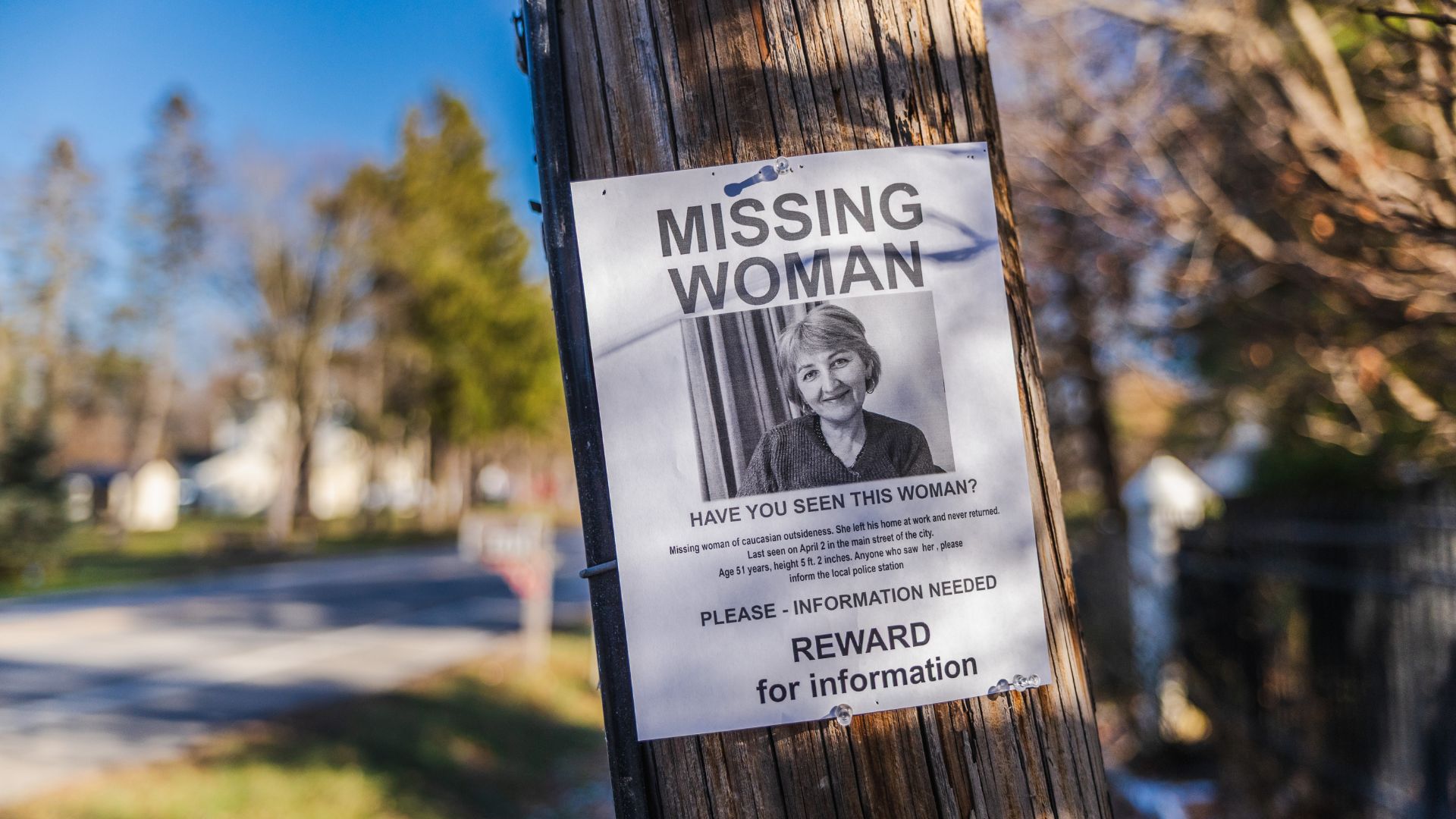

Over the past three years, at least 10 people tied to some of America’s most sensitive nuclear and aerospace programs have died or gone missing. The cases range from unsolved shootings to unexplained disappearances, and they span institutions including NASA’s Jet Propulsion Laboratory and Los Alamos National Laboratory. No confirmed link has been established between any of them, but the pattern has drawn attention from federal investigators, Congress, and the White House.
The FBI is now leading a multi-agency review, working alongside the Department of Energy and state and local law enforcement to examine whether any connections exist. The House Oversight Committee has also launched its own investigation, requesting briefings from the FBI, the Pentagon, the Department of Energy, and NASA. NASA said it is cooperating with relevant agencies and, as of this writing, has found nothing indicating a national security threat.
What makes the situation difficult to assess is how different the individual cases are from one another. Some involve homicides where suspects have been identified. Others are missing persons cases with no signs of foul play. In at least a few families, they have pointed to personal circumstances, including medical conditions and grief, as context. Investigators close to the cases say they have found no evidence tying them together.
Who Are the People at the Center of This Story?

Among those who have died is Nuno Loureiro, a 47-year-old MIT physics professor and fusion scientist who led the university’s Plasma Science and Fusion Center. He was fatally shot outside his Massachusetts home in December 2025 by a former classmate who, one day later, carried out a mass shooting at Brown University that killed two students. Investigators identified the shooter as a jealous former engineering peer. No national security motive has been suggested.
Several of the deaths share a loose thread through NASA-affiliated work. Carl Grillmair, a 67-year-old Caltech astrophysicist who collaborated with NASA, was shot and killed on his front porch near Los Angeles in February by a suspect reportedly unknown to him, according to local reports. Michael David Hicks, a JPL physicist who studied comets and asteroids for nearly 25 years, died in July 2023 at 59, with family citing known medical issues. Frank Maiwald, another JPL specialist, died in 2024. Steven Garcia, an administrative worker for an Albuquerque nuclear security campus, disappeared last August.
Four people have gone missing in New Mexico over roughly the past year. Among them is retired Air Force Major General William Neil McCasland, 68, who walked out of his Albuquerque home in late February without his phone, prescription glasses, or wearable devices. He had commanded the Air Force Research Laboratory at Wright-Patterson Air Force Base, a facility long tied to UFO rumors. However, his wife firmly rejected any such connection to his disappearance. A gray Air Force sweatshirt was recovered a mile and a quarter east of his home in March, but no other trace has been found.
What Investigators and Experts Are Actually Saying
“It’s very unlikely that this is a coincidence,” House Oversight Chair James Comer told Fox News Sunday, calling the pattern a national security concern and confirming his committee is making it a priority. President Trump described the matter as “pretty serious stuff” and said he hoped it was random. At the same time, the White House confirmed it is working with agencies to identify any potential commonalities across the cases.
Not everyone in Congress shares the same level of alarm. Representative James Walkinshaw, a Democrat on the Oversight Committee, said he supports the investigation but questioned whether a coordinated effort to target American scientists would even be strategically effective. He noted that the U.S. employs thousands of nuclear scientists and experts, making it unlikely that 10 individuals, however accomplished, would represent a meaningful disruption to national programs.
Outside of government, security analysts have also urged caution. Joseph Rodgers of the Center for Strategic and International Studies told CBS News that the cases are spread across several years and only loosely affiliated organizations, and that he would be more suspicious if the individuals had all worked on a single project. A former Department of Energy official noted that the combined facilities employ more than 20,000 people, many in administrative or support roles, and that a job title tied to a sensitive facility can sound more consequential than it actually is.
Where the Investigation Stands Now
FBI Director Kash Patel said the bureau is looking specifically at whether the cases share connections to classified information access or foreign actors, and pledged that any evidence of nefarious conduct would be pursued. The White House has said no stone will be unturned, and the Department of Energy’s National Nuclear Security Administration confirmed it is also looking into the matter, though a former agency official told CBS News that, so far, no evidence of any link has surfaced.
The daughter of Michael Hicks told CNN she is shaken by the speculation but sees no logical reason her father’s death belongs in this conversation, adding that no elected official or federal agency had reached out to her as of that report. The niece of Melissa Casias, a Los Alamos administrative assistant who disappeared in June 2025, told CBS News she welcomes the attention her aunt’s case is receiving but has not seen any evidence connecting it to the others.
The cases stretch back to 2022, and not all of them fit neatly into the nuclear or aerospace framing that has driven much of the public speculation. Matthew Sullivan, a former Air Force intelligence officer, died in 2024. Amy Eskridge, a 34-year-old research institute co-founder, died in 2022, and her family said in a statement to CNN that people should not read too much into a scientist’s death. Federal agencies say the review continues.