“It’s Not Safe,” Experts Warn Drivers Not to Stop Under an Overpass During a Tornado
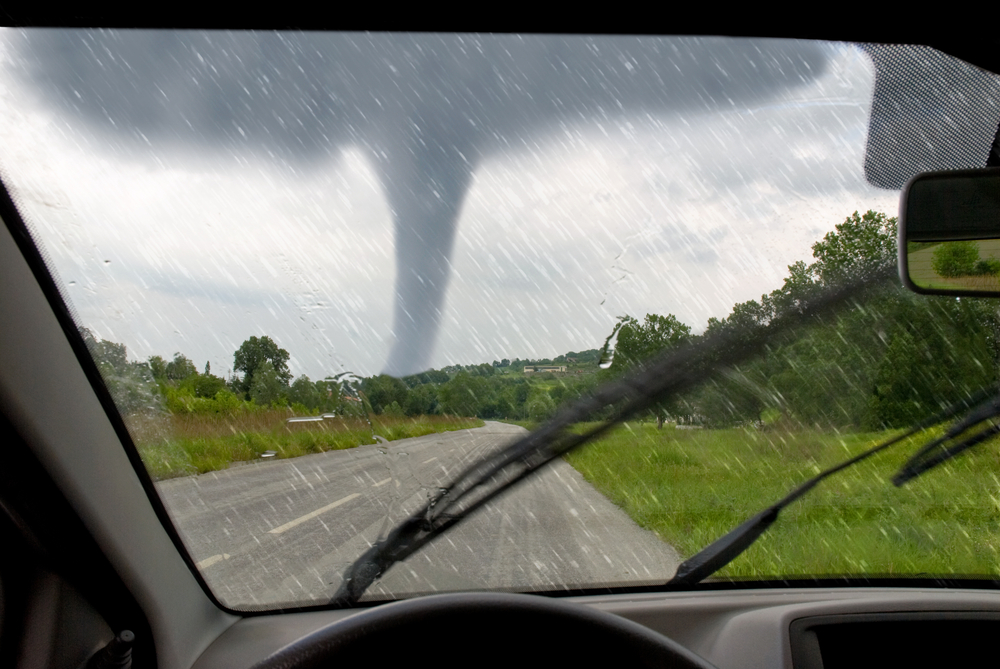

Few situations on the road are as frightening as suddenly realizing a tornado may be nearby. Drivers caught in this situation often have only seconds to decide what to do. Many instinctively look for the nearest structure where they can hide from the storm, and for years one location has seemed like an obvious option: a highway overpass.
Why the Overpass Myth Became So Popular
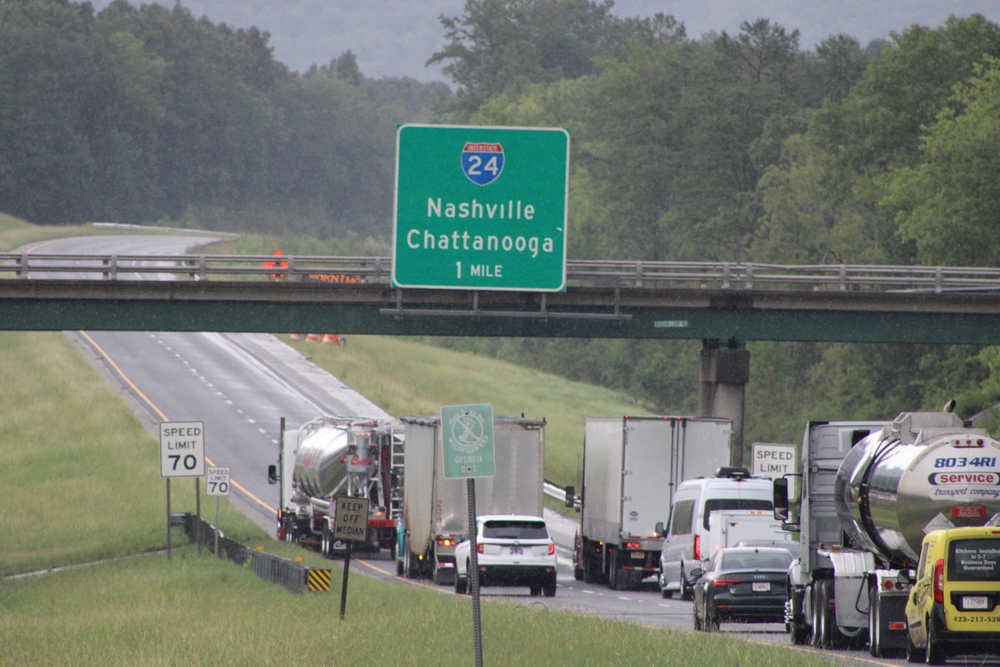
The belief that overpasses offer protection during tornadoes has circulated for decades. Movies, television footage, and viral storm videos have shown drivers sheltering beneath bridges as powerful storms pass overhead. The logic appears simple. A thick concrete structure should block strong winds and provide a barrier from flying debris. Because of this, many people still assume an overpass is a safe place to wait out a tornado.
Experts Say the Reality Is Much More Dangerous

Meteorologists and safety agencies warn that this assumption can be deadly. According to weather experts and the National Weather Service, taking shelter beneath an overpass during a tornado can actually increase the risk of serious injury or death. What looks like protection can quickly become one of the most dangerous places to be when a tornado passes through an area.
Why Wind Can Become Stronger Under a Bridge

One reason overpasses are dangerous is how tornado winds behave around structures. Instead of slowing down, wind can accelerate when it is forced through a narrow opening. The gap beneath a bridge can create a wind tunnel effect, causing tornado winds to speed up and become even more intense directly under the structure. Meteorologists say the airflow can shift rapidly as the tornado moves, making conditions beneath the bridge unpredictable and violent.
The Serious Risk From Flying Debris
Another major danger comes from debris carried by tornado winds. Tornadoes can produce winds exceeding 200 miles per hour, powerful enough to tear apart buildings, trees, and vehicles. Pieces of wood, metal, rocks, and other materials can become airborne projectiles traveling at extreme speeds. Experts warn that these objects can easily penetrate clothing and skin, leading to severe or fatal injuries.
Why Overpasses Can Make Debris Even Worse
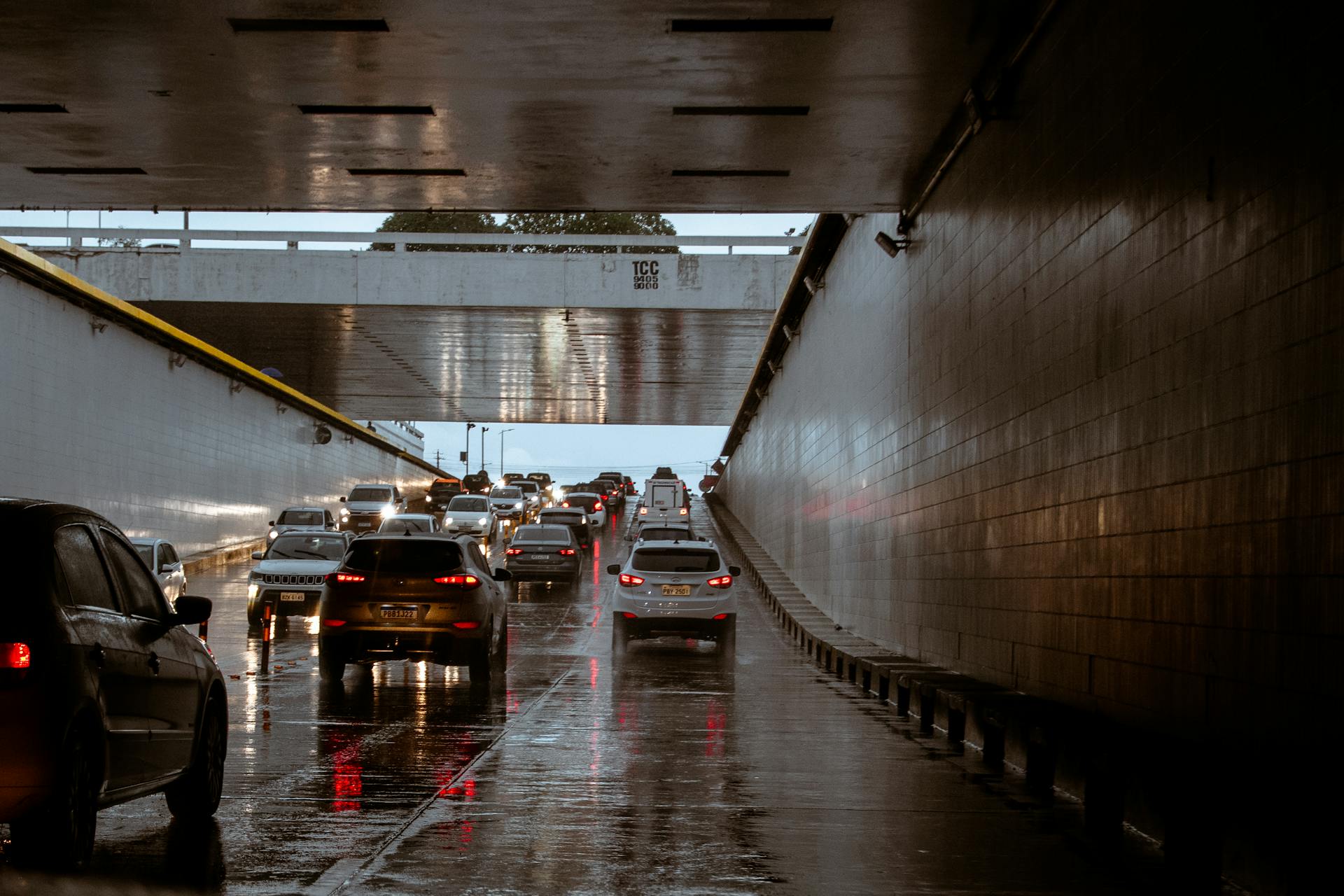
The design of an overpass can actually make the debris problem more severe. Airflow beneath the bridge can funnel debris directly toward the people seeking shelter there. At the same time, drivers often move slightly higher above the roadway to stand beneath the bridge, placing themselves in stronger winds than they might face in lower areas nearby. This combination of concentrated debris and faster wind speeds can make the space extremely dangerous.
A Tornado Myth Experts Continue to Debunk

Weather experts frequently identify the overpass belief as one of the most dangerous tornado myths. Meteorologists explain that winds can funnel beneath bridges and accelerate, potentially pulling vehicles or people into the storm. Because of these risks, emergency agencies consistently warn drivers to avoid overpasses and bridges when tornadoes approach.
What Experts Say Drivers Should Do Instead
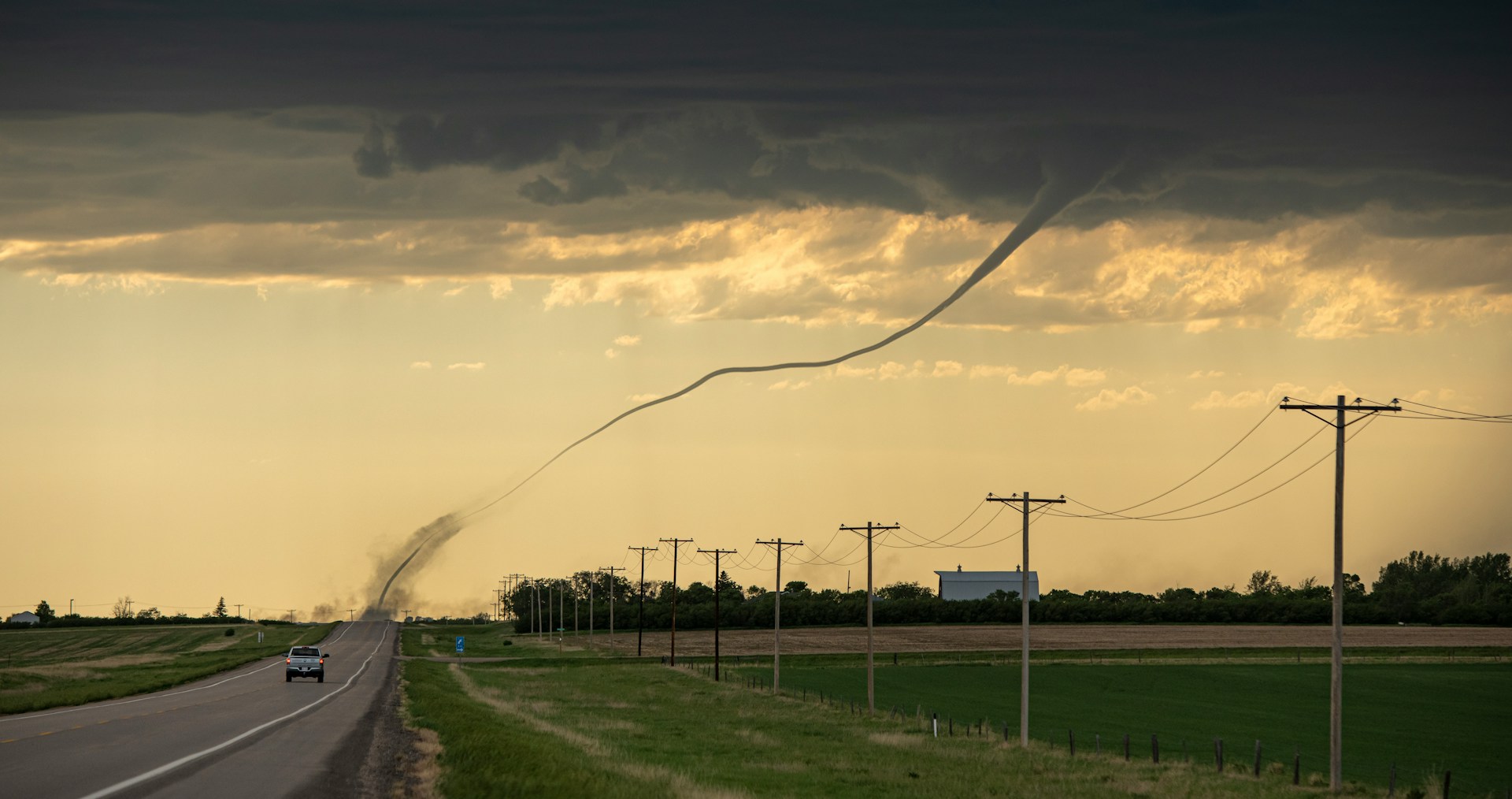
If a tornado warning is issued while driving, the safest option is to reach a sturdy building if one is nearby. Basements, storm shelters, or interior rooms on the lowest floor of a building provide the best protection from extreme winds and flying debris. Safety agencies say vehicles offer far less protection, which is why moving to a solid structure is always the preferred choice when possible.
When No Shelter Is Available
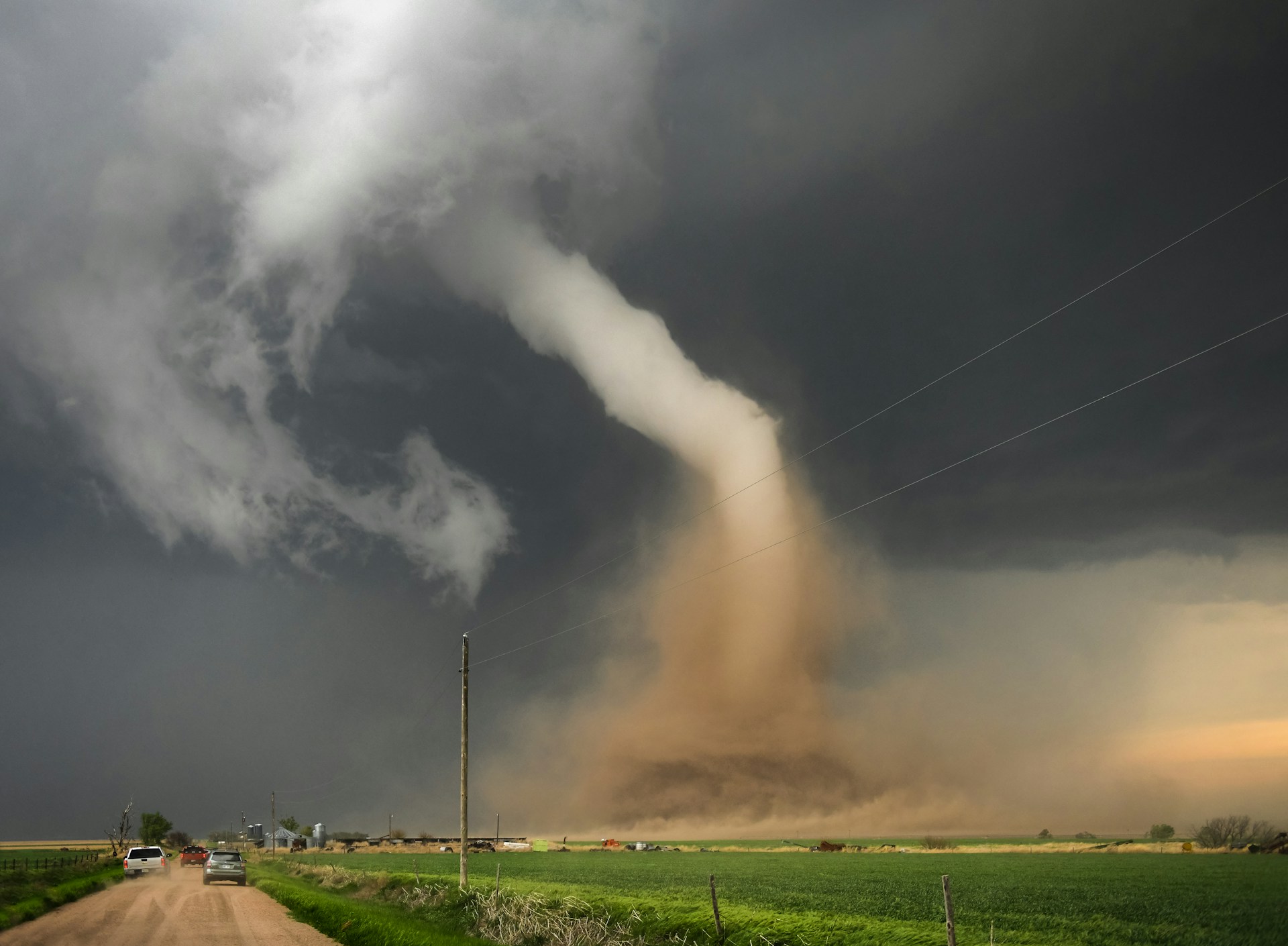
However, tornadoes can develop quickly, and drivers may not always have time to reach a building. In those situations, experts recommend pulling over safely and remaining inside the vehicle with the seatbelt fastened, lowering your head below the windows and protecting it with your hands or a blanket if possible. If there is a nearby ditch or low area, leaving the vehicle and lying flat while shielding your head can offer better protection from debris than staying on the roadway.
The Key Lesson Experts Want Drivers to Remember

Tornadoes can strike with little warning, leaving drivers only seconds to react. In those critical moments, choosing the right shelter matters. While highway overpasses may appear strong and protective, experts say they can actually amplify wind speeds and concentrate dangerous debris. The safest choice is to avoid overpasses entirely and seek sturdy shelter or lower ground whenever possible.