‘It’s Not Rent’, This Expense Could Soon Take Half the Income of Millions



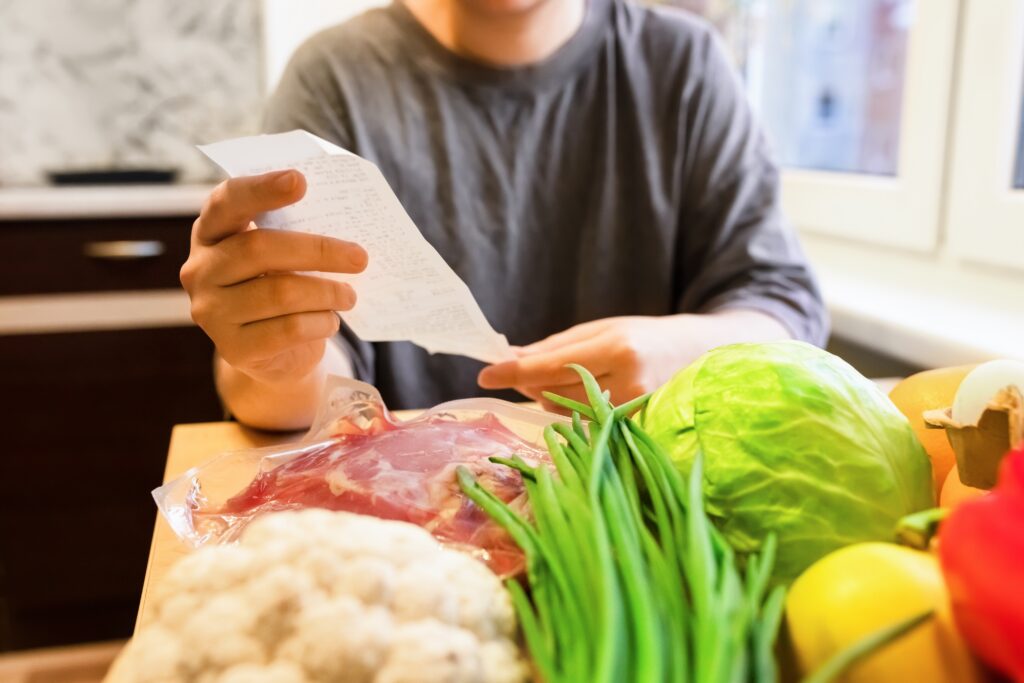
Imagine losing half your income before paying rent, electricity, transportation or a single medical bill. The money is not disappearing into some luxury. It is going toward food. New research examining future access to essential resources suggests millions of the world’s poorest people could eventually spend around half their income just to eat. And for families already flinching at grocery receipts, parts of that future feel uncomfortably familiar.
Half Your Paycheck Could Go Toward Food
Researchers modeled nearly 4,000 possible futures involving food, water and energy security. Their projections found striking differences between income groups. By 2050, the poorest 10% in Southern Africa could spend about 49.6% of their income on food, compared with roughly 5% among the wealthiest. Western and Eastern Africa also approached the halfway mark for their poorest populations.
Why 50% Changes Everything
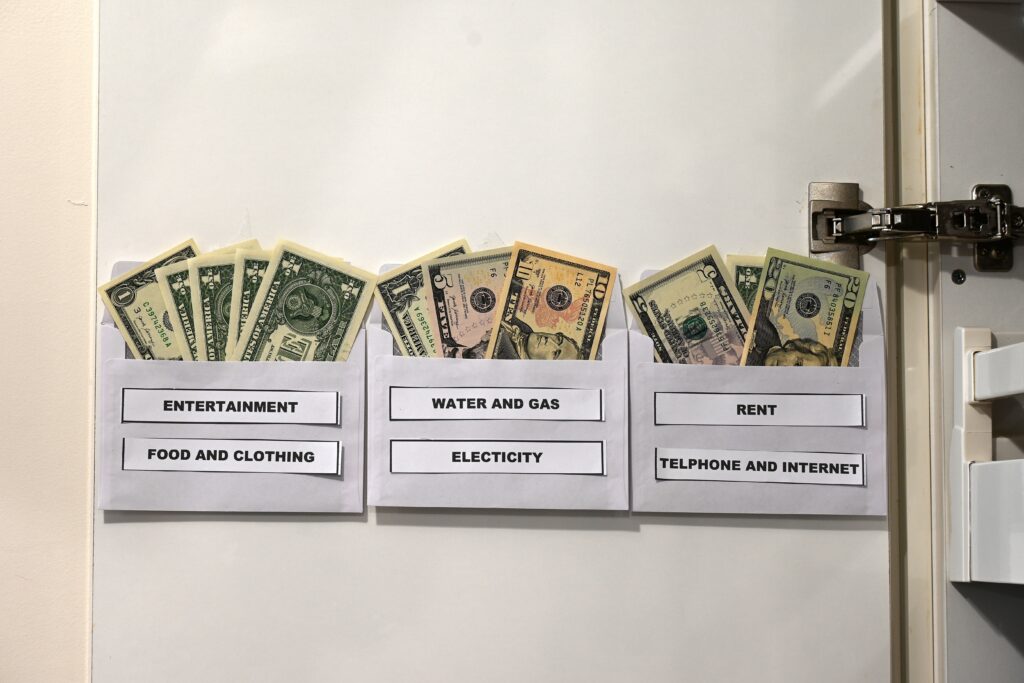
“Anything that’s taking up half of your income is potentially destabilizing for your entire life,” MIT researcher Jennifer Morris said. That is the frightening part of the math. Food cannot simply be canceled like a streaming subscription. Once eating consumes half a paycheck, everything else competes for what remains: housing, medicine, transportation, school expenses, heating, cooling and emergencies. One unavoidable expense begins squeezing all the others.
Food, Water and Energy Are Connected
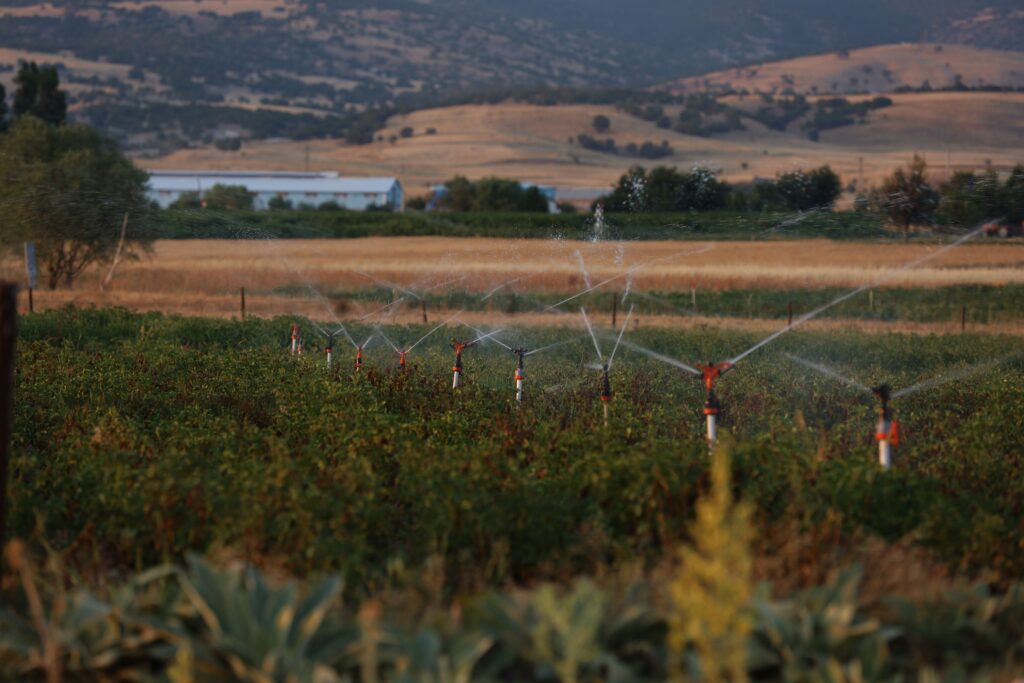
The problem is bigger than supermarket prices. Study author Gi Joo Kim explained that agriculture depends on water, land and energy, while energy production can itself require water. A disruption in one system can ripple into another. Drought can damage crops. Higher energy costs can make producing and transporting food more expensive. That interconnectedness is why researchers studied these basic resources together instead of treating hunger as an isolated problem.
Americans Are Already Changing Their Carts

The 2050 projection focuses heavily on poorer populations globally, but American households offer a glimpse of what happens when food eats deeper into a budget. One Maine shopper told The Guardian that food consumed 75% of her monthly budget. “I pay a lot more for fewer and fewer items,” she said. Another household stopped buying as much beef, organic vegetables and name-brand snacks as expenses climbed.
Some Families Are Cutting More Than Treats
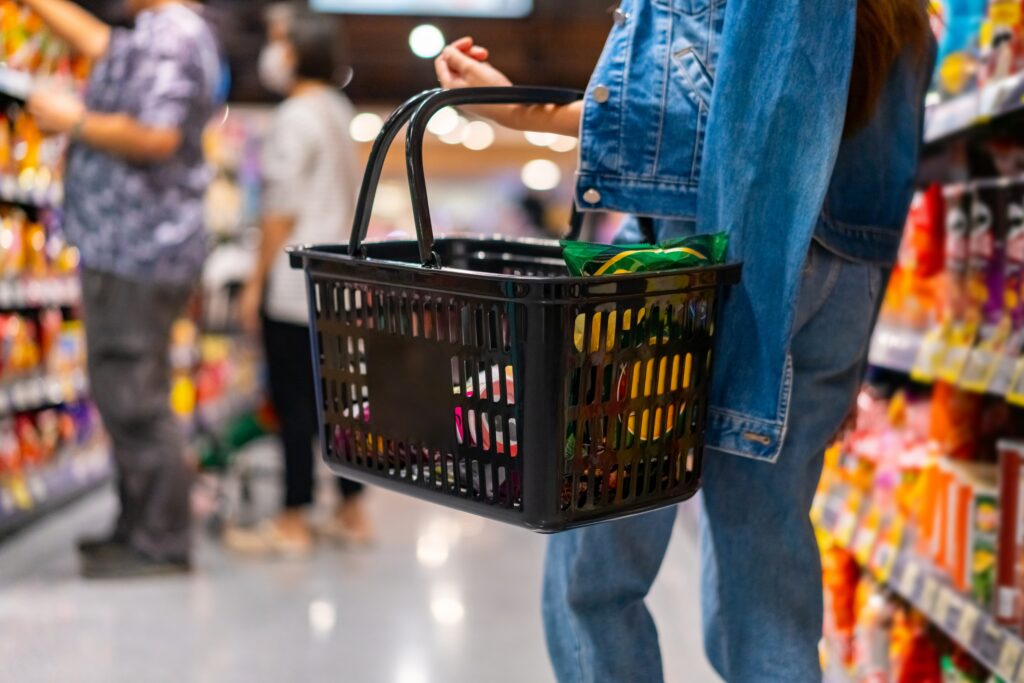
This is where “buy cheaper groceries” stops sounding like an easy solution. A Kansas household reported replacing more meat with beans, tofu and eggs and switching largely from fresh produce to frozen. One member said dietary restrictions had previously meant buying gluten-free foods, but rising costs now sometimes meant skipping meals or enduring stomach pain instead. Their household reported spending 34% of its monthly budget on food.
Even Nacho Night Can Become a Luxury
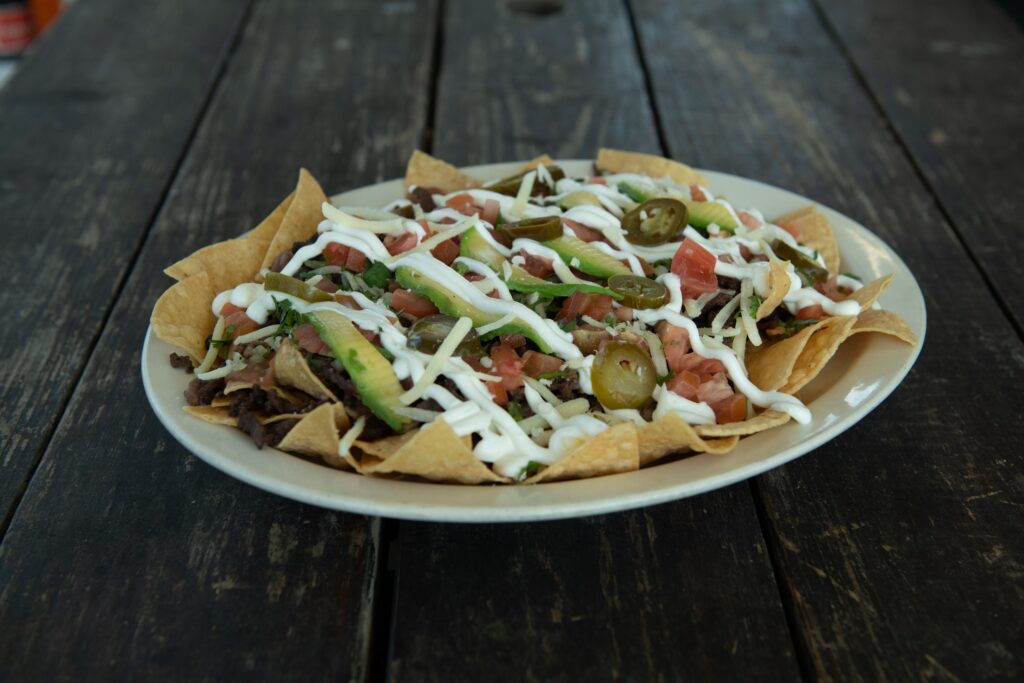
There is an emotional cost hidden behind all those percentages. “I miss when the biggest stressor I had at the grocery store was if I should get scoop chips or flat chips for nacho night,” the Kansas shopper said. “I also miss nacho night.” Another Texas shopper said rising restaurant prices had changed how she socialized, making once-normal gestures like meeting someone for lunch or buying a thank-you meal feel less accessible.
The Next Price Shock May Already Be Brewing

Current U.S. grocery inflation does not tell the whole story. Corn, wheat, sugar and soybeans recorded their biggest combined month-to-month commodity jump since 2012 in August, with sugar rising about 20% in one month. Because manufacturers often purchase ingredients months before products reach supermarkets, those increases may not fully appear on shelves until around mid-2027. Bread, cereal, snacks and sweetened drinks could all feel the pressure.
Wages Have Been Playing Catch-Up
For decades, Americans generally saw earnings rise faster than grocery prices. That relationship broke sharply during the recent inflation surge. Center for American Progress calculations show grocery inflation rose 17.9% from December 2021 through December 2025, while average weekly earnings for production and nonsupervisory workers increased 16.9%. The gap may look small on paper, but it followed years when paychecks had generally gained ground on food costs.
The Question Is Whether the Future Can Be Changed
The 2050 numbers are projections, not a bill already waiting at the checkout. Kim says researchers are now working on broader measures including dietary quality, dietary diversity and unmet heating and cooling needs, with follow-up research expected in early 2027. That matters because affordability is not simply about whether food exists. The real test is whether ordinary people can reliably obtain enough of it without sacrificing everything else required to live.