Iran Named Parks and Tourist Spots as Targets While a Drone Warfare Expert Warns America Is ‘Not Prepared’ for What Could Come Next
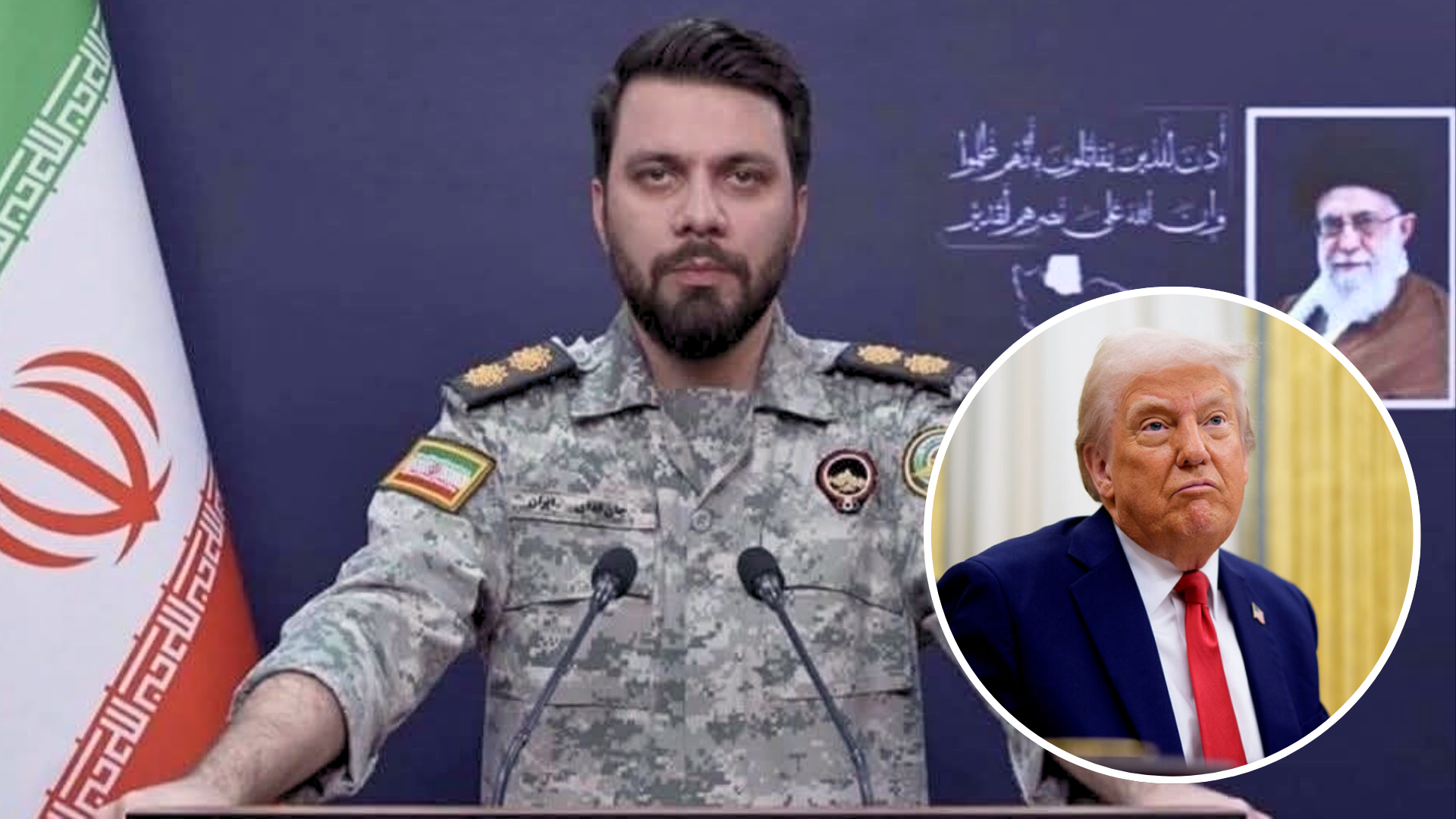

An Iranian general went on state television and told Americans, by name, that parks, recreational areas, and tourist destinations anywhere in the world would no longer be safe for them. Not a vague diplomatic warning buried in a government communiqué but a direct, public threat aimed at ordinary people on vacation. It landed like a cold wave across the United States, and within days, the federal government was already rewriting its travel advisories. The situation escalating behind that threat is far more serious than most Americans realize.
The Tension That Brought Us Here
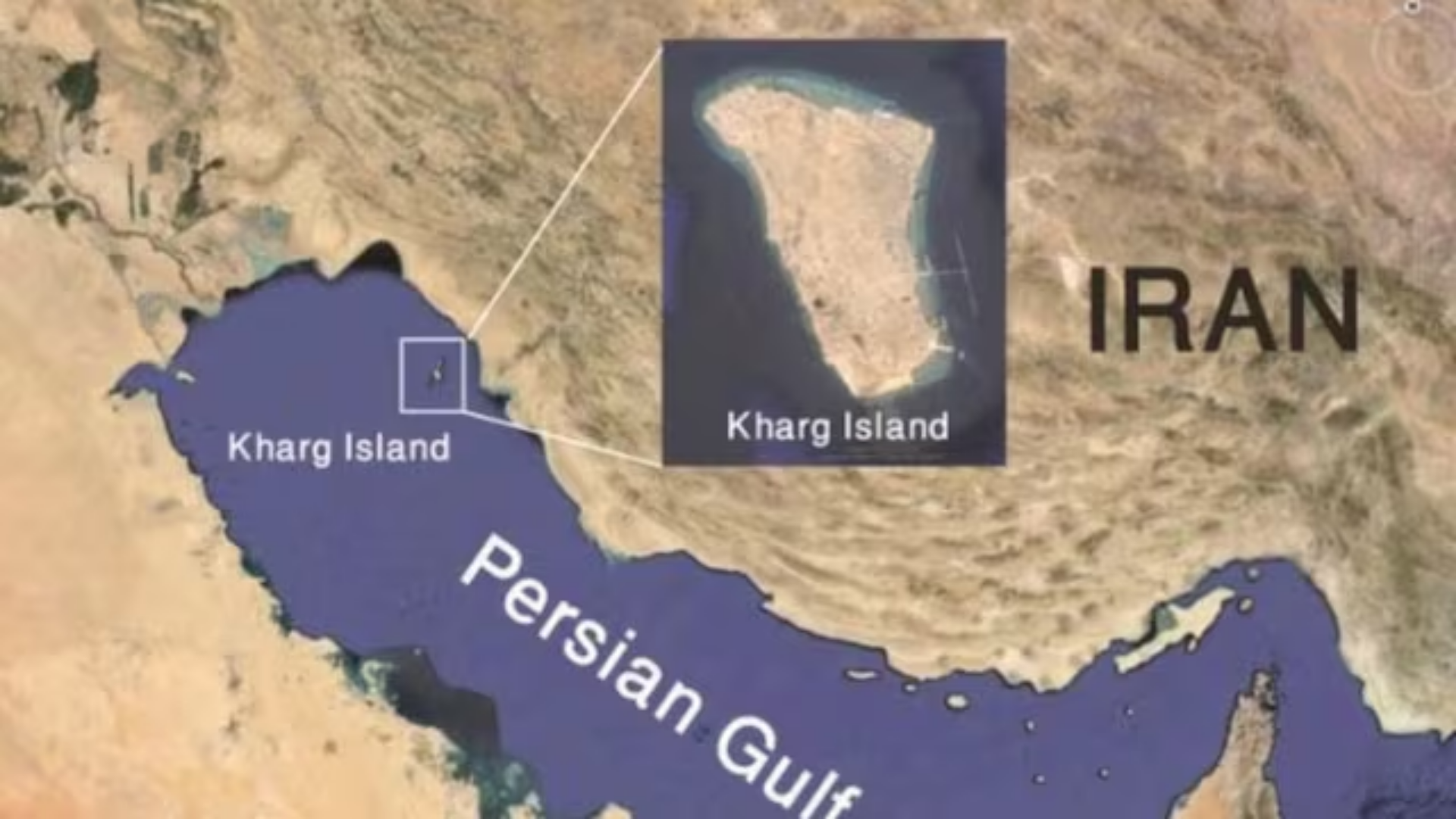
At the center of the current standoff is Kharg Island, a strategic strip of land off Iran’s southwestern coast responsible for processing roughly 90 percent of the country’s oil exports. U.S. President Donald Trump reportedly views capturing the island as a major turning point in any potential military confrontation with Iran. Meanwhile, Iran claims to have mobilized over a million troops in response to American military pressure. Trump has simultaneously pursued peace negotiations while ordering thousands of additional troops toward the region, a combination that has done little to calm the situation.
The Threat Heard Around the World

Brigadier General Abolfazl Shekarchi delivered the warning on Iranian state television, and it was specific. He stated that based on intelligence Iran possesses about Americans, even parks, recreational areas, and tourist destinations anywhere in the world would no longer be safe. The phrasing was deliberate; not “military targets,” not “government installations,” but the everyday places where families travel and gather. It was designed to reach beyond soldiers and diplomats and land directly in the lives of ordinary American citizens.
Washington Responded Fast
The U.S. State Department moved quickly after the threat. Several Middle Eastern nations, including Saudi Arabia, Oman, Kuwait, and Bahrain were elevated from Level 2 to Level 3 travel advisories, with the department urging Americans to exercise extreme caution and seriously reconsider any planned travel to those countries. The shift was significant. Level 3 is not a routine update; it signals a credible and elevated risk environment. For travelers with trips already booked, the message was clear: the calculus for traveling through the region had fundamentally changed overnight.
The Do Not Travel List Is Growing

The escalation did not stop at Level 3. A global security alert issued the previous week had already expanded the list of countries carrying a Level 4 advisory, the State Department’s most severe designation, meaning “Do Not Travel.” That list now includes Afghanistan, Haiti, Iraq, Libya, Russia, Somalia, Sudan, Ukraine, and Yemen. The department also stressed that in many of these countries, the U.S. may have no consular presence, meaning Americans who find themselves in danger may have no embassy or government office to turn to for help.
The FBI Warned California About Drones

As diplomatic tensions spiked, so did domestic security concerns. An FBI alert disclosed that as of early February 2026, Iran had allegedly considered a surprise drone attack launched from an unidentified vessel positioned off the coast of the United States, with unspecified targets in California in mind. The alert specified that the plan was contingent on the U.S. conducting strikes against Iran first. The LAPD later stated there was no known active threat, but the disclosure had already rattled residents and raised urgent questions about how prepared America actually is for that kind of attack.
One Expert Says America Is Not Ready

Brett Velicovich spent years running drone operations to track and eliminate senior ISIS leaders. When he speaks about aerial threats, he speaks from direct experience. His assessment of America’s readiness is not reassuring. According to Velicovich, the United States is extremely vulnerable to drone attacks and is not prepared for what modern drone warfare could bring. He specifically highlighted long-range, one-way attack drones; devices capable of traveling vast distances and detonating on impact, noting that they can be deployed in coordinated swarms designed to overwhelm defenses.
Why Drone Swarms Change Everything

Traditional air defense systems were designed to handle missiles and aircraft, fast-moving, expensive targets that follow predictable flight paths. Drone swarms operate on a completely different logic. They are cheap, numerous, and can be launched from international waters with no advance warning. A single vessel off a coastline could, in theory, release dozens of drones simultaneously, each assigned a different target. Existing defense infrastructure was not built to intercept that kind of coordinated, low-cost saturation attack which is precisely why military experts have been raising alarms about the gap for years.
A Country Caught Between Diplomacy and the Threat of War

The Trump administration finds itself navigating a narrow and dangerous corridor. On one side, there are active diplomatic efforts to reach a negotiated settlement with Iran. On the other, there are troop deployments, strategic military positioning, and a regime in Tehran that has now publicly threatened American civilians on foreign soil. Iran’s government framing the conflict in terms of tourist destinations and public parks is not accidental, it is a psychological move designed to make every American feel personally exposed, regardless of where they live or travel.
The Threat Is No Longer Abstract

For most Americans, wars in the Middle East have always felt like something happening far away, on screens, in places with unfamiliar names. This moment is different. The threats are naming real places; California’s coastline, parks, beaches, tourist sites. A four-star general is on television pointing at where you vacation. The FBI is issuing alerts about drones off American shores. Whether this escalates into direct conflict or eventually finds a diplomatic off-ramp, the era of feeling safely removed from it all may already be over.