Strikes on Iran’s Oil Depots Spark Fears of Toxic Air and Acid Rain
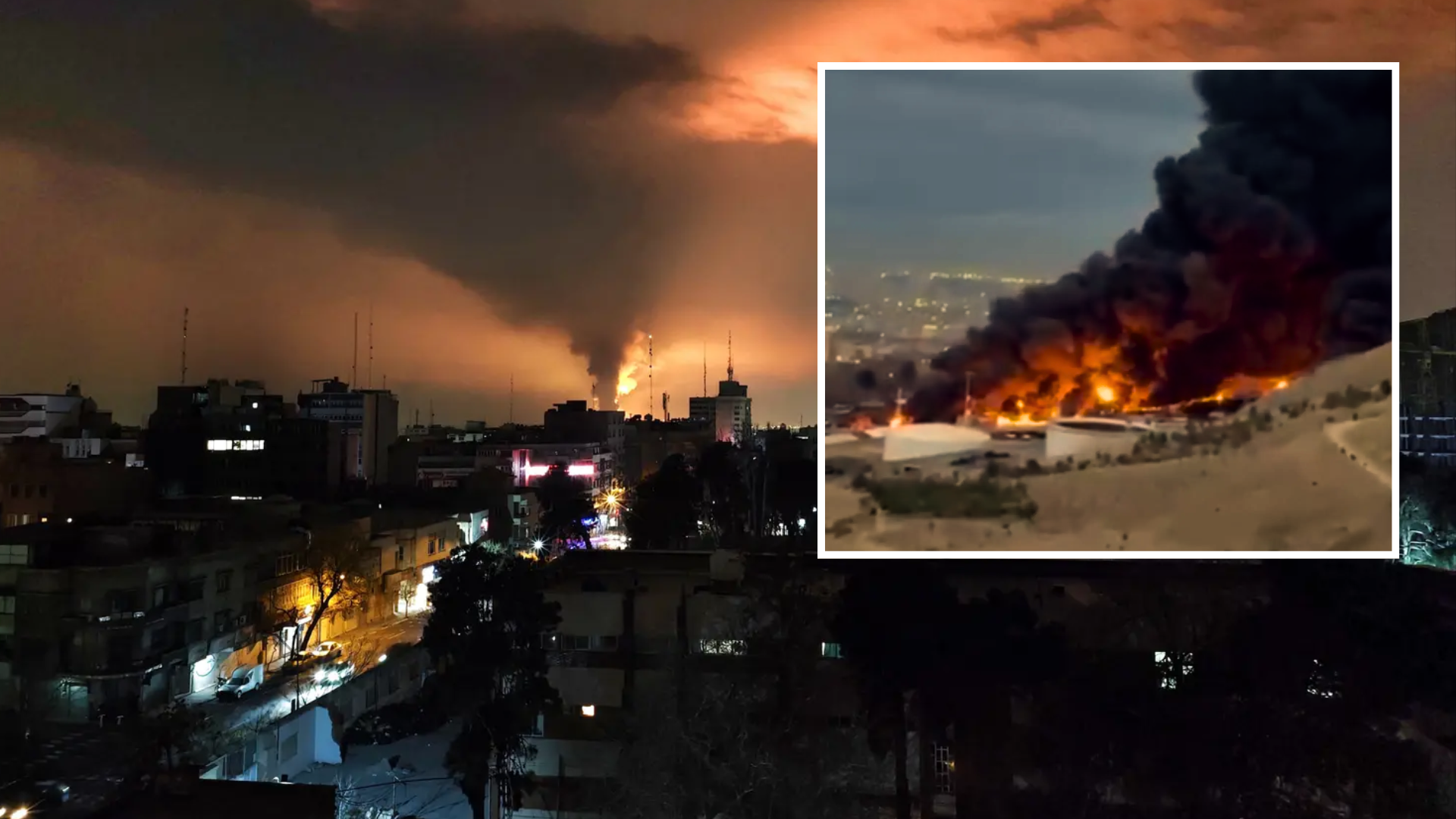

A massive fire at a Tehran fuel depot has triggered a dire environmental crisis following a round of US-Israeli airstrikes. Huge plumes of black smoke have turned the night sky dystopian as the Iranian Red Crescent warns residents of a “dangerous” new threat falling from the clouds. The war has reached a toxic new tipping point.
Authorities are now bracing for “highly acidic” rain as significant quantities of toxic hydrocarbon compounds, sulfur, and nitrogen oxides saturate the atmosphere. Residents in the capital have been advised to stay indoors and avoid using air conditioners to prevent inhaling these hazardous particles. The situation is rapidly deteriorating as black, oil-slicked rain begins to coat the city.
This strike marks the first time civil or energy infrastructure has been targeted during the current conflict. While the Israel Defense Forces claim the depot fueled the “entire Iranian war machine,” the human and environmental toll is reaching beyond the battlefield. The immediate danger is no longer just the missiles, but the very air the citizens breathe.
Oil Falling From the Sky
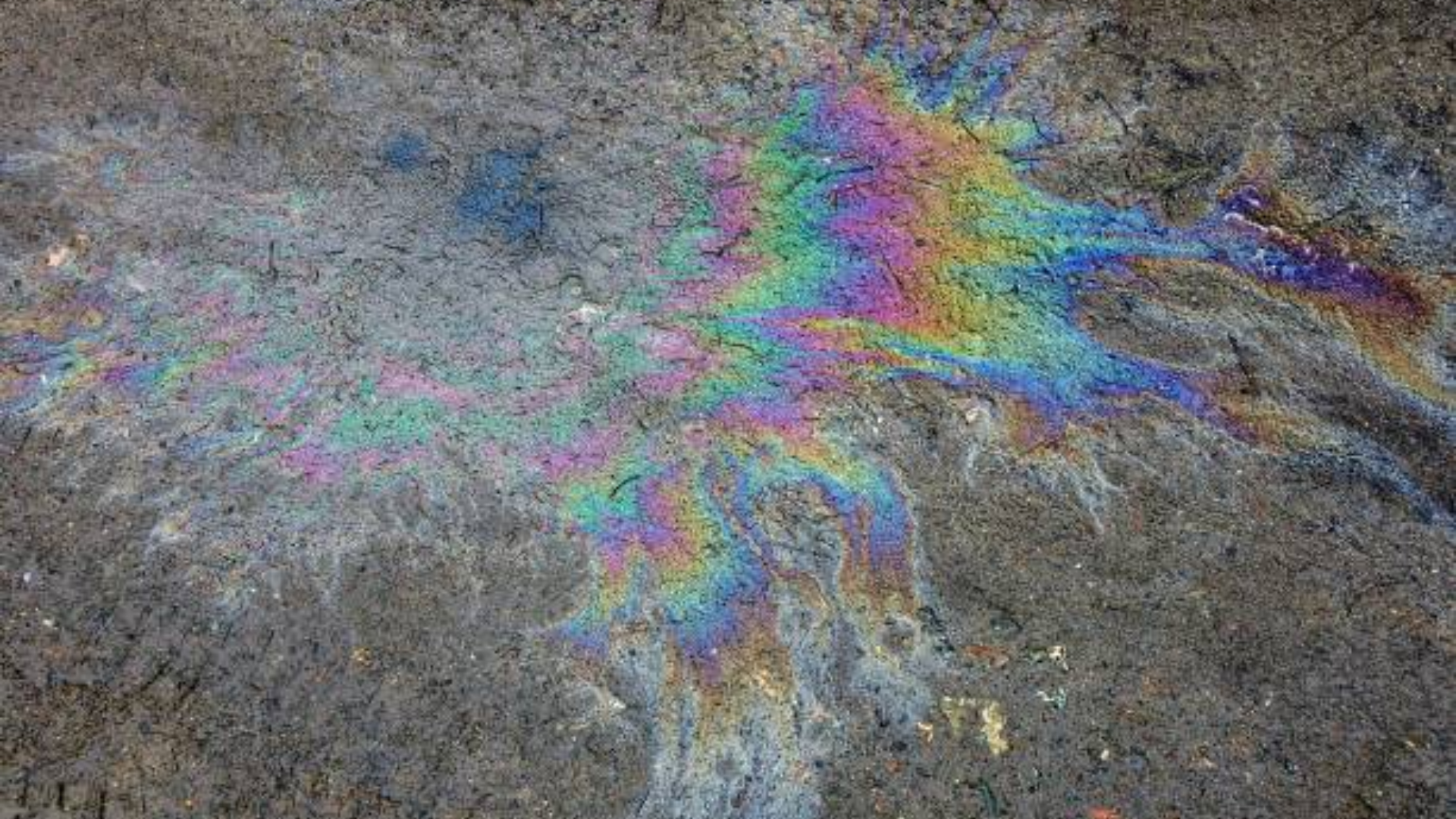
The visual evidence from Tehran describes a landscape that feels scarcely believable. Footage captured online shows immense flames illuminating the city, while nearby rainfall has left thick, black streaks of oil and dust on buildings. In some areas, residents watched in horror as streams of burning oil actually ran through the streets.
Normal rain typically maintains a pH of around 5.6, but the “acid rain” now threatening the region is expected to drop to levels between 4.2 and 4.4. This level of acidity can be particularly harmful to human skin and lungs. Reports of black, powder-like particles falling alongside the rain have only heightened fears of long-term chemical exposure.
“Dangerous” and “highly acidic” rain is now a physical reality for millions. The Iranian Red Crescent Society reported on Sunday that the strikes and subsequent fires have already damaged roughly 10,000 civilian structures. This includes homes, schools, and medical facilities, leaving civilians with fewer places to seek refuge from the toxic fallout.
A Growing Humanitarian Crisis
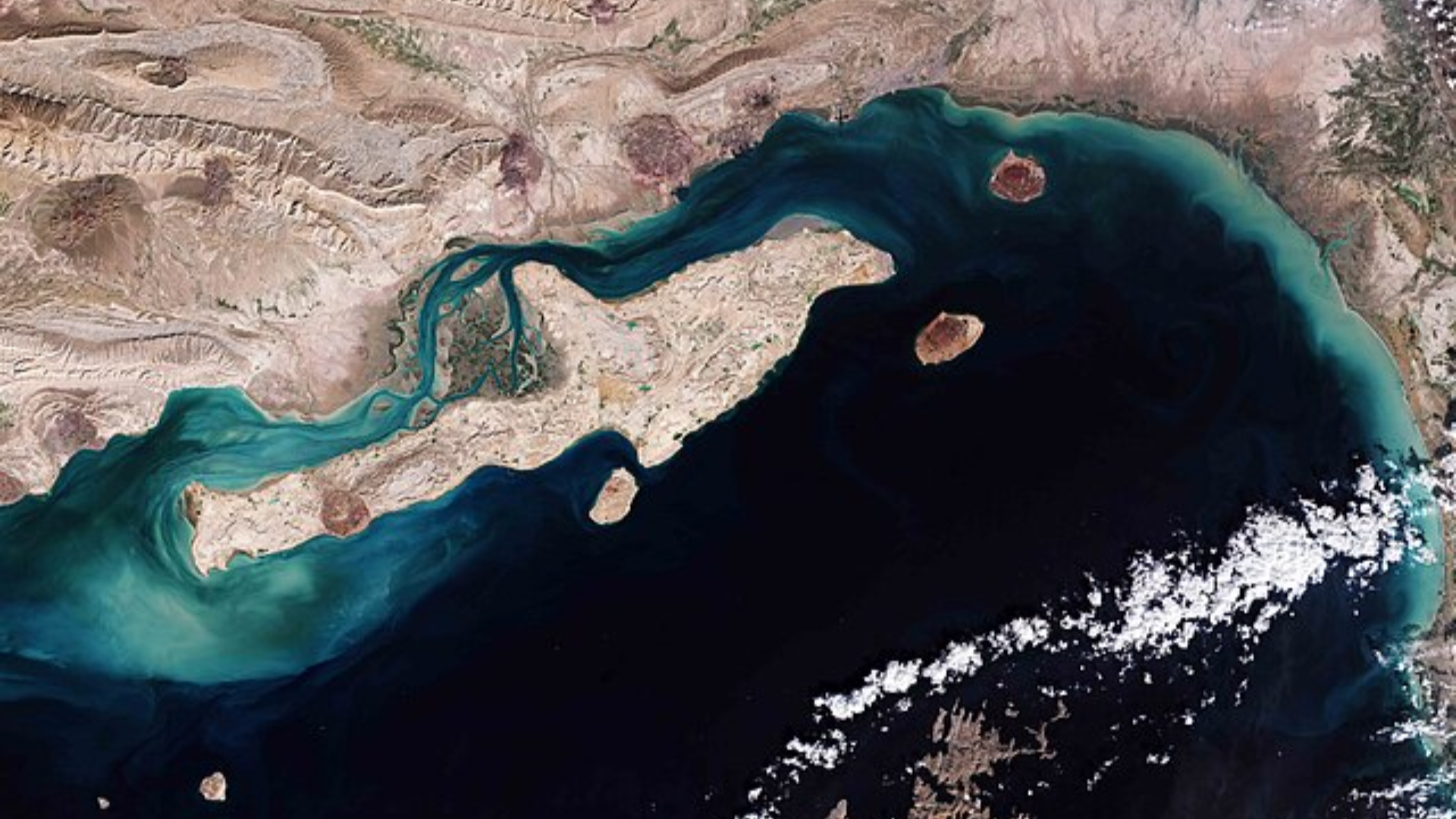
Beyond the toxic air, the strikes have crippled essential survival infrastructure. A US airstrike reportedly damaged a desalination plant on Qeshm Island, a facility vital for providing drinking water to the Gulf region. Iran’s foreign minister, Abbas Araghchi, warned that this single hit has already cut off the water supply for 30 villages.
The conflict is rapidly expanding as regional neighbors report a surge in hostilities. By Sunday, Saudi Arabia, Kuwait, the UAE, and Bahrain all reported Iranian drone attacks, despite President Masoud Pezeshkian’s earlier vows to stop hitting neighboring countries. The cycle of retaliation is now threatening the basic resources of the entire Middle East.
Economic warfare is also intensifying as the United Arab Emirates considers freezing billions of dollars in Iranian assets. Ali Al Nuaimi, Chairman of the UAE’s National Defense Committee, stated that while they recognize the Iranian people as victims of their regime, the financial pressure could be crippling. The country’s economy is now facing a total stall.
Sticking to the Shadows
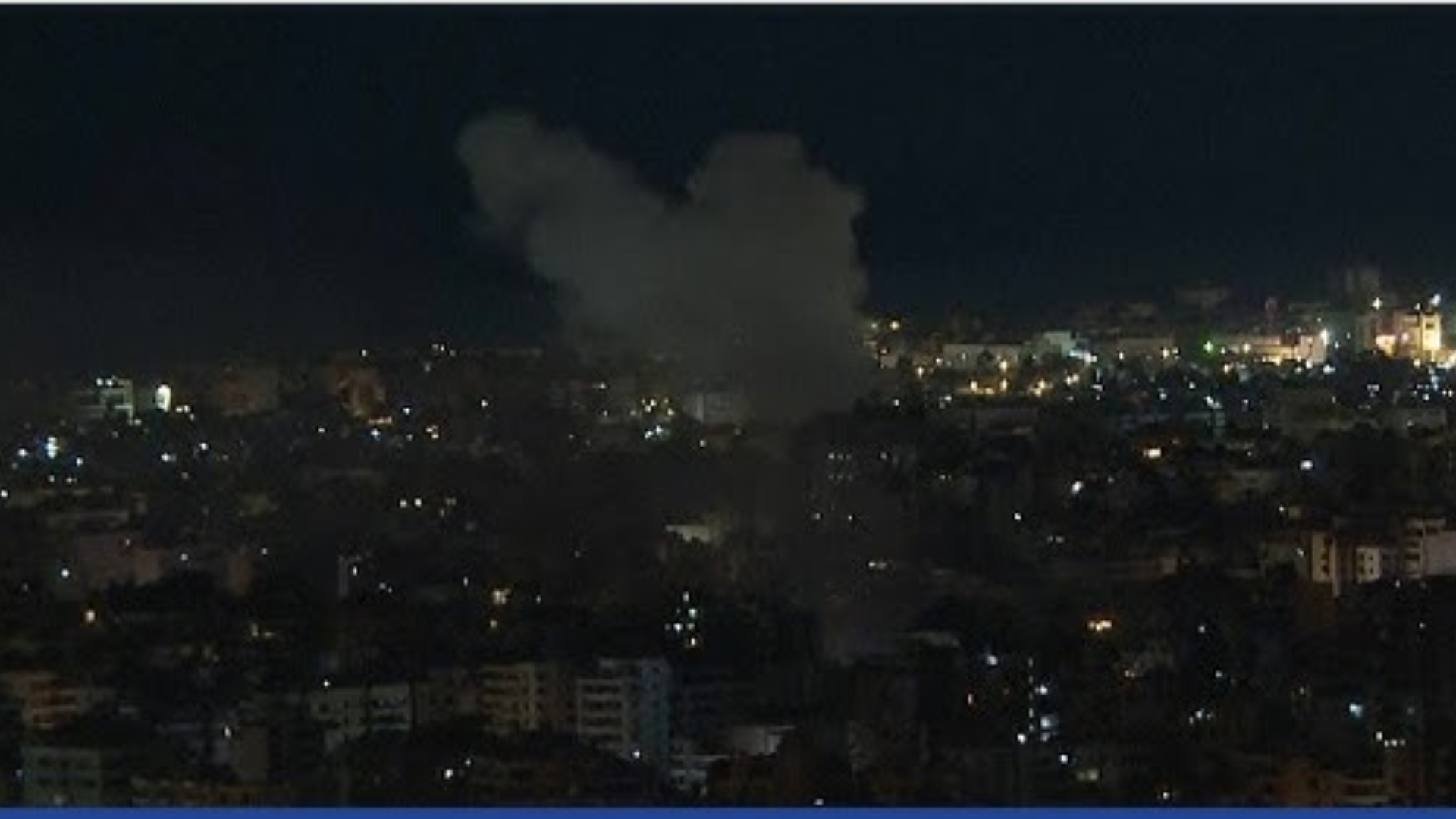
Getting information out of the country has become a challenge as Iran suffers through a widespread internet blackout. Only those using VPNs have managed to share footage of the “dystopian” fires and black rain with the outside world. This digital silence makes it difficult to assess the full scale of the health crisis unfolding on the ground.
The stakes have never been higher following Donald Trump’s warning that Iran would be “hit very hard”. As the IDF describes the latest round of strikes as “significant,” the environmental consequences are proving to be borderless. The toxic smoke doesn’t stop at political lines, and the acid rain is indifferent to the targets intended.
For the residents of Tehran, the immediate future is a waiting game played behind closed windows. The promise of a “war machine” being dismantled offers little comfort when the water is cut off and the sky is falling in oily streaks. As the smoke clears, the lasting damage to the region’s health and environment may be the conflict’s most enduring legacy.