Iowa Enters Harvest Season With Diesel at a Record $6.29, One of the Worst Times for Farmers
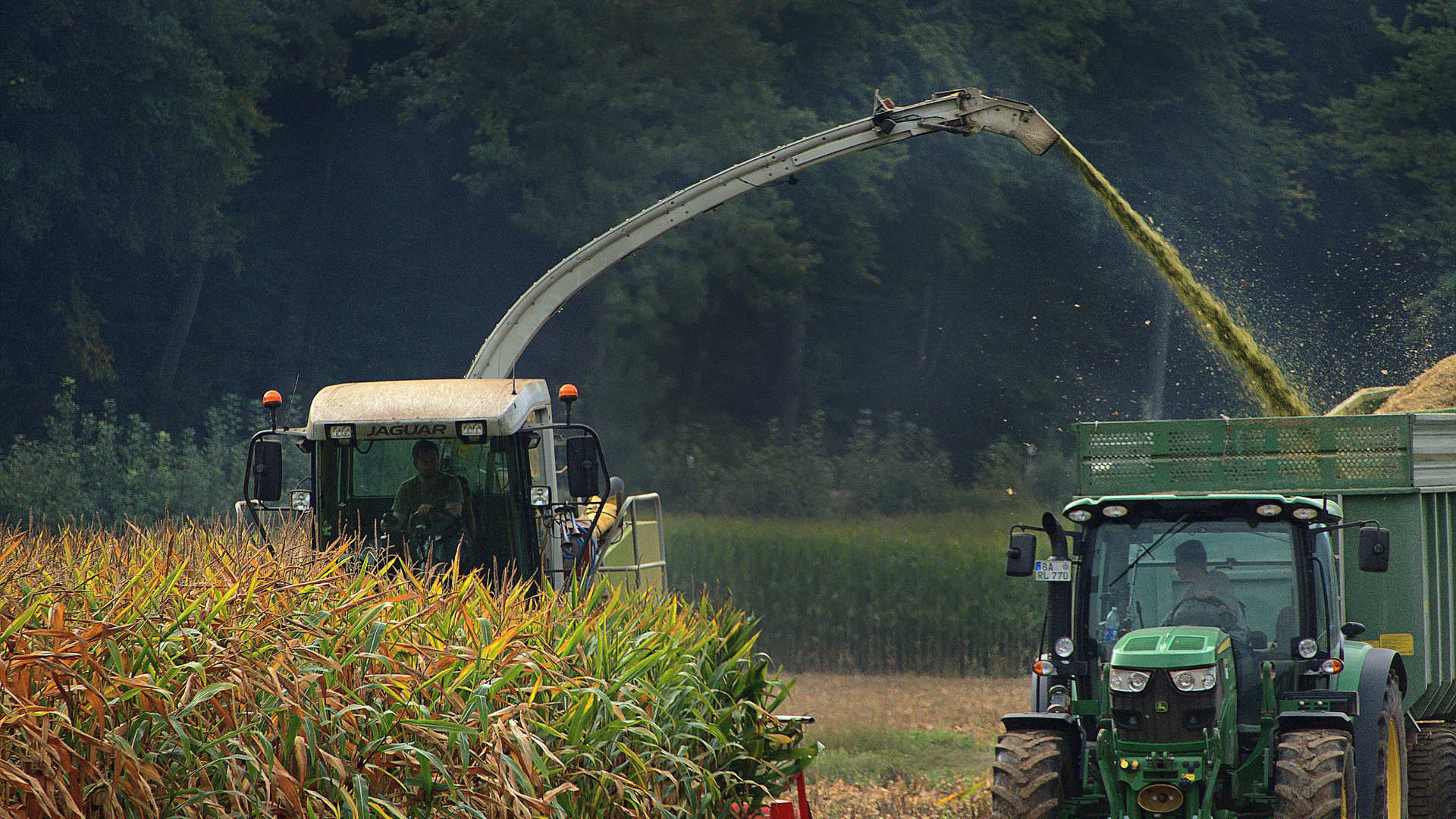

Harvest season brings predictable costs every year: fuel, labor, equipment repairs, the usual math a farmer has already run a dozen times before. This year’s diesel bill broke that pattern entirely. Iowa hit a record $6.29 a gallon for diesel just as combines and tractors needed to run at their heaviest, the worst possible timing for a price spike this severe.
Diesel in Iowa climbed to that $6.29 record from $5.35 just a month earlier. Nationally, the price crossed $6 a gallon and kept climbing, driven by supply constraints tied to the ongoing conflict with Iran. Since then, prices have continued rising further still, with the national average reaching $6.51 and Iowa specifically touching $6.57 by late September, according to AAA.
That combination of timing and severity is exactly what pushed Iowa Senator Chuck Grassley into public view over the weekend. He is not simply frustrated about fuel costs in the abstract. He is calling on President Trump directly to take a specific, historically precedented action, one most Americans have never actually heard proposed in their own lifetime.
‘KILLING FARMERS’ INCOME’: Grassley Wants a 1970s-Style Export Embargo
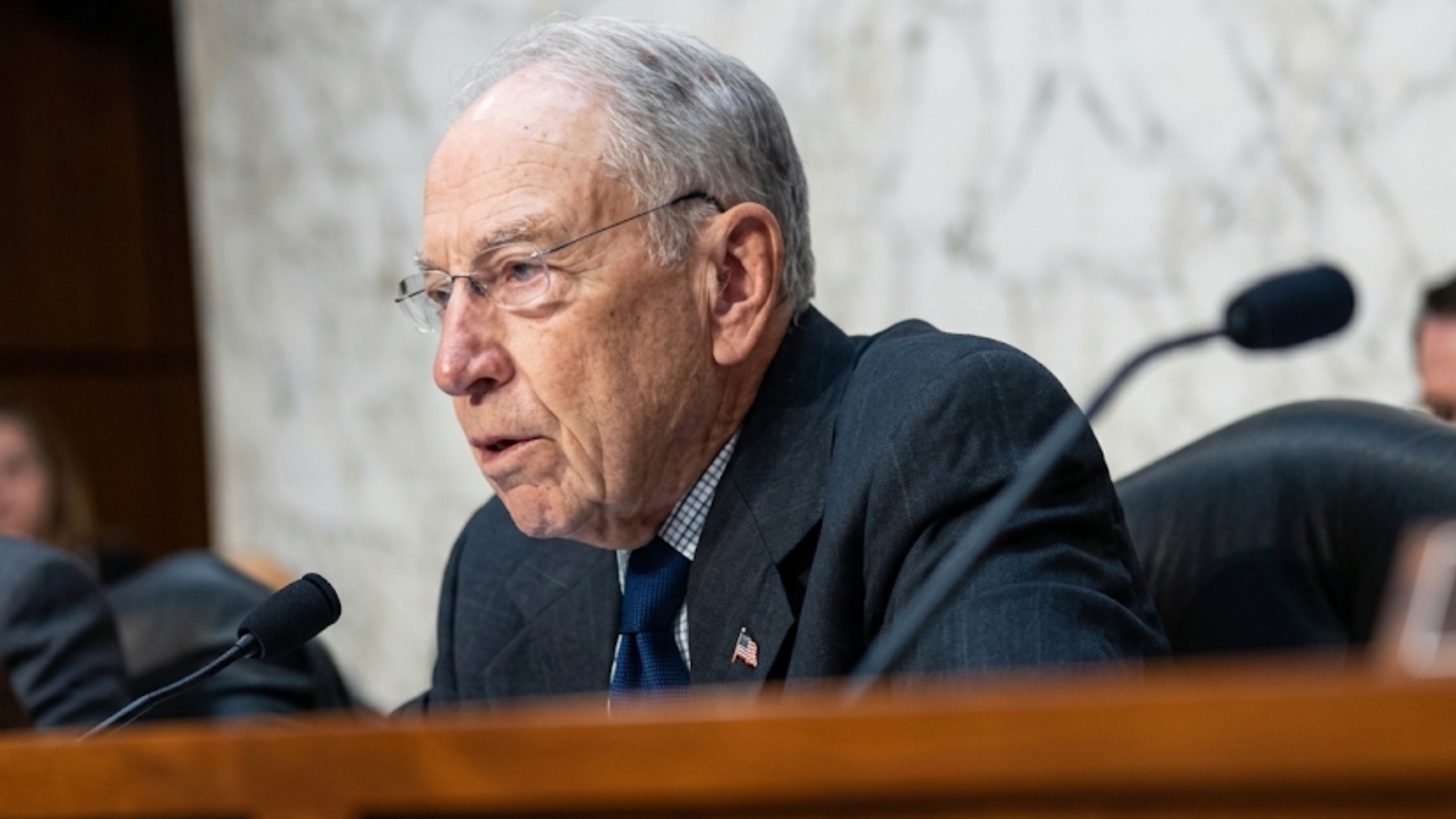
Grassley specifically wants an embargo on diesel exports. He compared it to steps taken by presidents in the 1970s to address inflated agricultural prices, a likely reference to Richard Nixon’s soybean export restrictions. “High diesel prices ARE KILLING FARMERS INCOME,” he wrote, framing the issue in the starkest terms he could find for a weekend social media post.
The financial toll behind that frustration is already substantial. U.S. households have spent an additional $50 billion on diesel since the Iran war began, according to estimates from Brown University’s Watson School of International and Public Affairs, with the per-gallon price up roughly 77% over that stretch. The timing compounds the pain specifically because harvest season demands constant use of tractors, combines, and other diesel-powered equipment.
Grassley is far from a lone voice here. Several other Republicans, including some locked in competitive midterm races just weeks away, have started echoing the same demand, turning a single senator’s weekend post into a broader intra-party pressure campaign that the White House cannot easily brush aside or ignore entirely.
Thune Is ‘Open’ to a Ban. Burgum Isn’t Confident It Would Work.
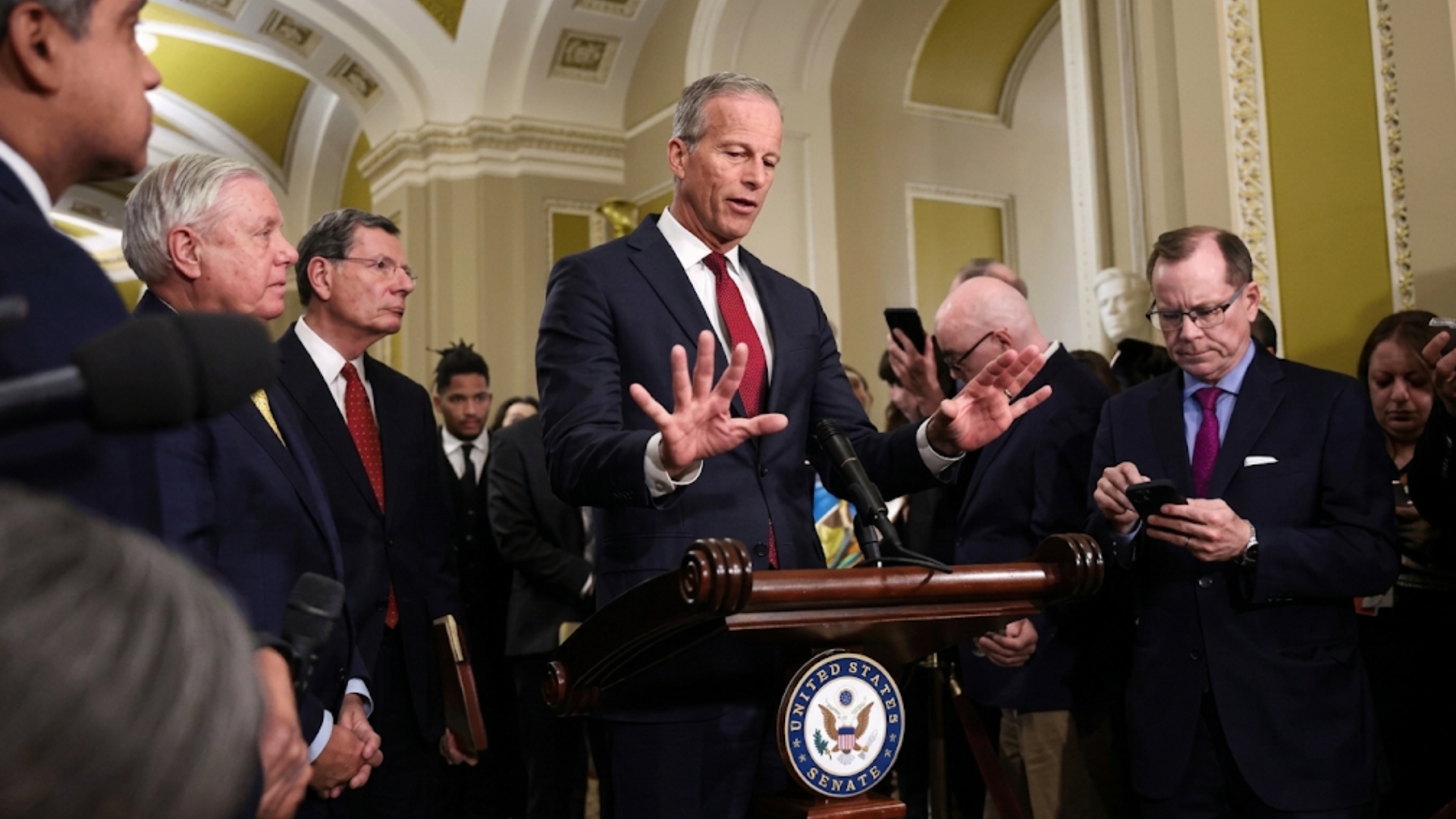
Senate Majority Leader John Thune said this week he was “open” to examining an export ban, lending real institutional weight to what started as one senator’s frustrated post. Tennessee Representative Tim Burchett went further. He filed a bill that would ban diesel exports to other countries through January 2027. Several GOP Senate candidates in competitive states, including Michigan, Iowa, and Alaska, have proposed similar freezes of their own.
The administration’s response has been notably more cautious. Interior Secretary Doug Burgum, responding on behalf of the White House, told CNBC at the G20 Energy Ministerial that “I’m not at all confident that that would actually lower the price,” warning separately that other countries could retaliate by cutting off their own exports to the United States. The Department of Agriculture said only that the president is treating the situation as a “temporary challenge.”
Politicians are not the only ones weighing in, either. The oil and refining industry has its own stake in this fight, and its objections go well beyond simple political caution. Understanding that pushback, along with what farmers on the ground are actually experiencing right now, fills out the rest of this dispute in a meaningful way.
‘Export Bans Do Not Create More Fuel,’ Industry Group Warns
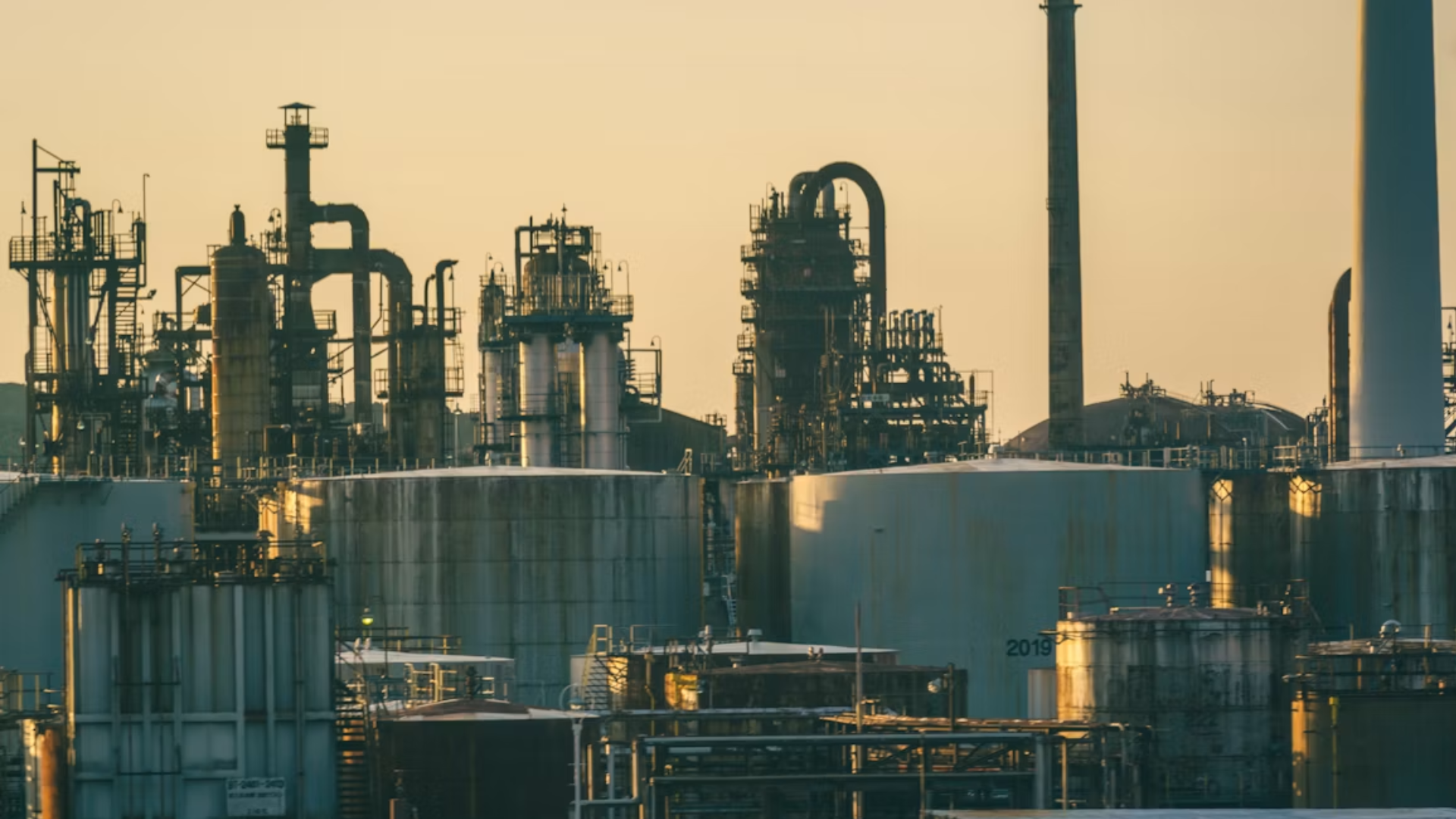
The American Fuel & Petrochemical Manufacturers, a trade association representing the oil industry, has pushed back directly against the embargo idea. Its argument is straightforward. “Export bans do not create more fuel for Americans,” the organization wrote in a recent fact sheet, arguing instead that a ban would reduce domestic production, tighten supplies, and ultimately push prices higher rather than lower.
Farmers on the ground describe a different reality. It runs counter to official reassurances. John Boyd, founder and president of the National Black Farmers Association, told Newsweek that struggling farmers are “losing our profit margin and going out of business.” The scale of exports adds context: the U.S. exported nearly 400 million barrels of diesel last year, and May 2026 alone saw an all-time record of nearly 50 million barrels shipped out even as domestic prices climbed.
None of this is a simple story of one party against another. It is a genuine disagreement playing out inside the same party, between relief that farmers want right now and warnings from officials and industry about tighter supply and retaliation later. Voters in farm states will get their own chance to weigh in on which argument they found more convincing in just a few weeks, at the ballot box rather than in a Senate hearing room.