Investigators Suspect ‘Wayward Party Balloon’ Sparked 7,500-Acre Georgia Wildfire
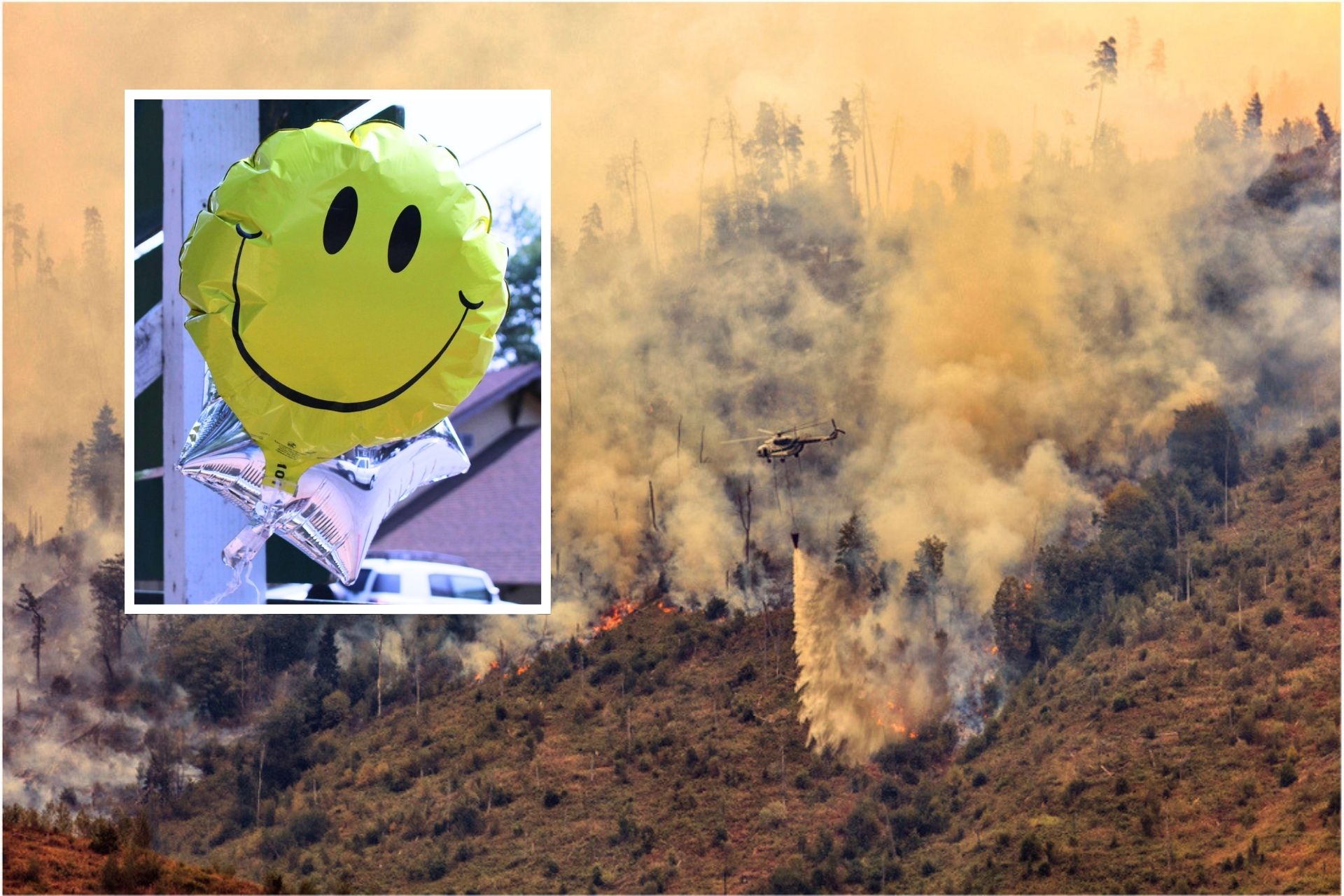

Investigators in Georgia believe an unlikely culprit may have triggered a fast-moving wildfire that quickly spread across thousands of acres. The Highway 82 fire in Brantley County began on April 20 and, within days, escalated into one of the most significant blazes in the state.
State officials, including Governor Brian Kemp, said in a press interview that early findings pointed to the balloon striking a power line and creating an electrical arc that ignited dry vegetation below. Georgia Forestry Commission Director Johnny Sabo later clarified that the object was likely a foil-style children’s party balloon, the type with a metallic coating capable of conducting electricity.
Despite the determination of the cause, authorities have not identified a specific individual responsible. Officials have indicated that tracing the origin of a drifting balloon is extremely difficult, leaving the incident classified as accidental rather than criminal, even as it caused widespread damage and disruption.
How a Balloon Can Start a Fire

Though unusual, the mechanism behind the fire is well documented. Foil or Mylar balloons are conductive, and when they come into contact with power lines, they can trigger electrical arcing—a flash that produces sparks or molten particles.
Those sparks can ignite dry grass or forest debris within seconds. Fire experts note that under drought conditions, it takes very little for flames to take hold and spread rapidly.
Human activity plays a major role in wildfire ignition overall. Nearly 90% of wildfires in the United States are linked to human causes, whether through accidents, equipment use, or discarded materials. In this case, even a seemingly harmless object like a party balloon can set off a chain reaction.
A Fire That Keeps Returning
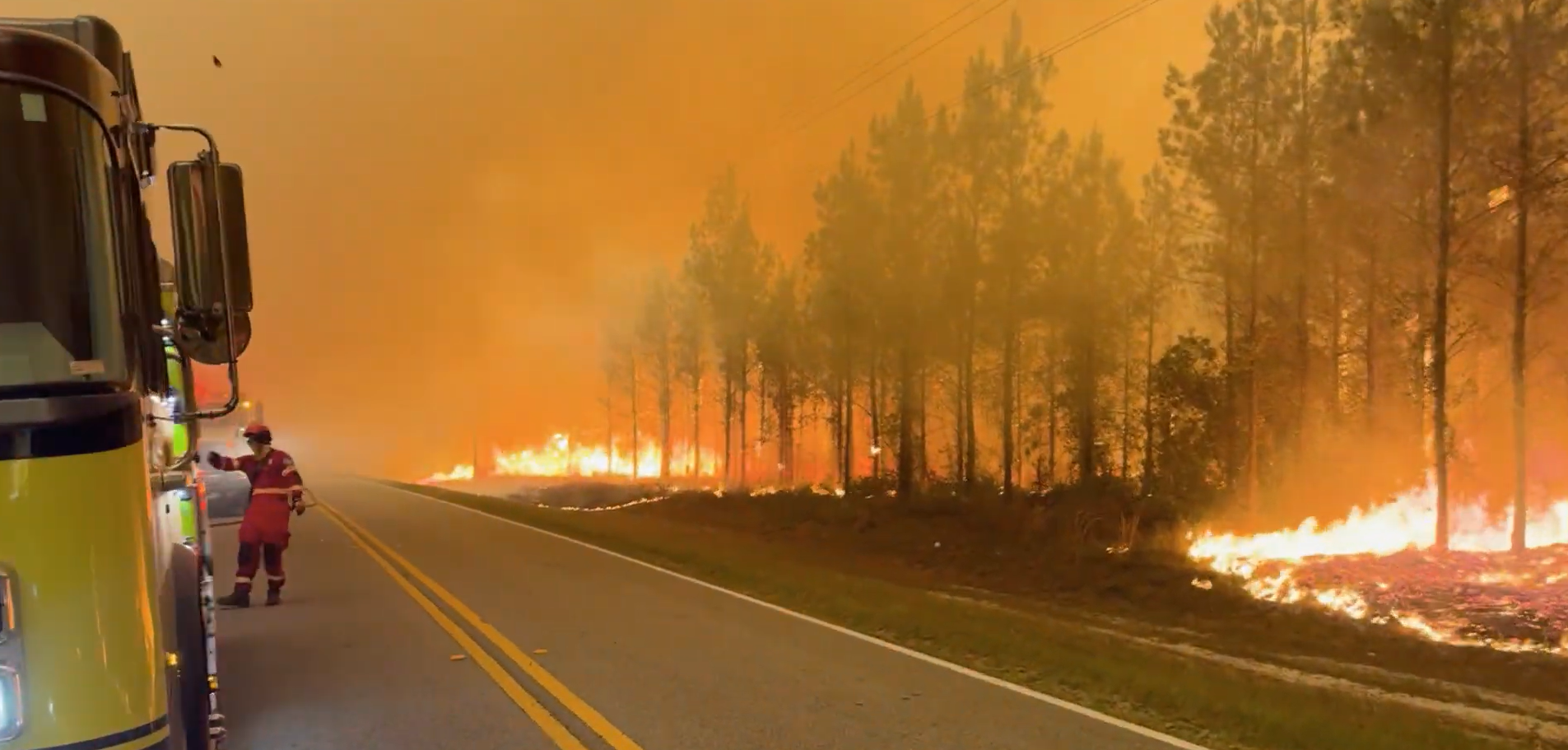
Even as firefighters made progress, the broader wildfire threat in the region has not subsided. The Highway 82 fire continued burning for weeks, fueled by deep, smoldering organic soil and persistent drought conditions across southern Georgia.
By early May, the fire had expanded significantly beyond its initial footprint, reaching more than 22,000 acres before crews increased containment to around 45%. Officials noted that rainfall provided only limited relief, as underground heat sources continued to reignite flames.
The situation highlights how wildfires can evolve beyond their initial ignition event. What begins as a single spark—whether from a balloon or another source—can become a prolonged emergency requiring sustained resources, curfews, and ongoing monitoring to prevent flare-ups.
From Hazard to Tool: The Other Side of Balloon Technology

The incident also underscores a striking contrast in how similar technology can have vastly different outcomes. While a drifting party balloon may have sparked a destructive wildfire, high-altitude balloons are increasingly being used to help detect and manage fires.
A NASA-backed initiative, developed with the U.S. Forest Service, uses stratospheric balloons to improve communication and monitoring capabilities during wildfire response. These systems can provide real-time data and extend connectivity in remote areas, supporting firefighters on the ground.
As wildfire risks intensify across drought-prone regions, the contrast is clear. Uncontrolled, everyday objects can unintentionally trigger disasters, while carefully designed technologies are being deployed to help prevent and manage them.