Interior Department Pours Chemicals Into Lincoln Memorial Reflecting Pool after Algae Ruins Renovation
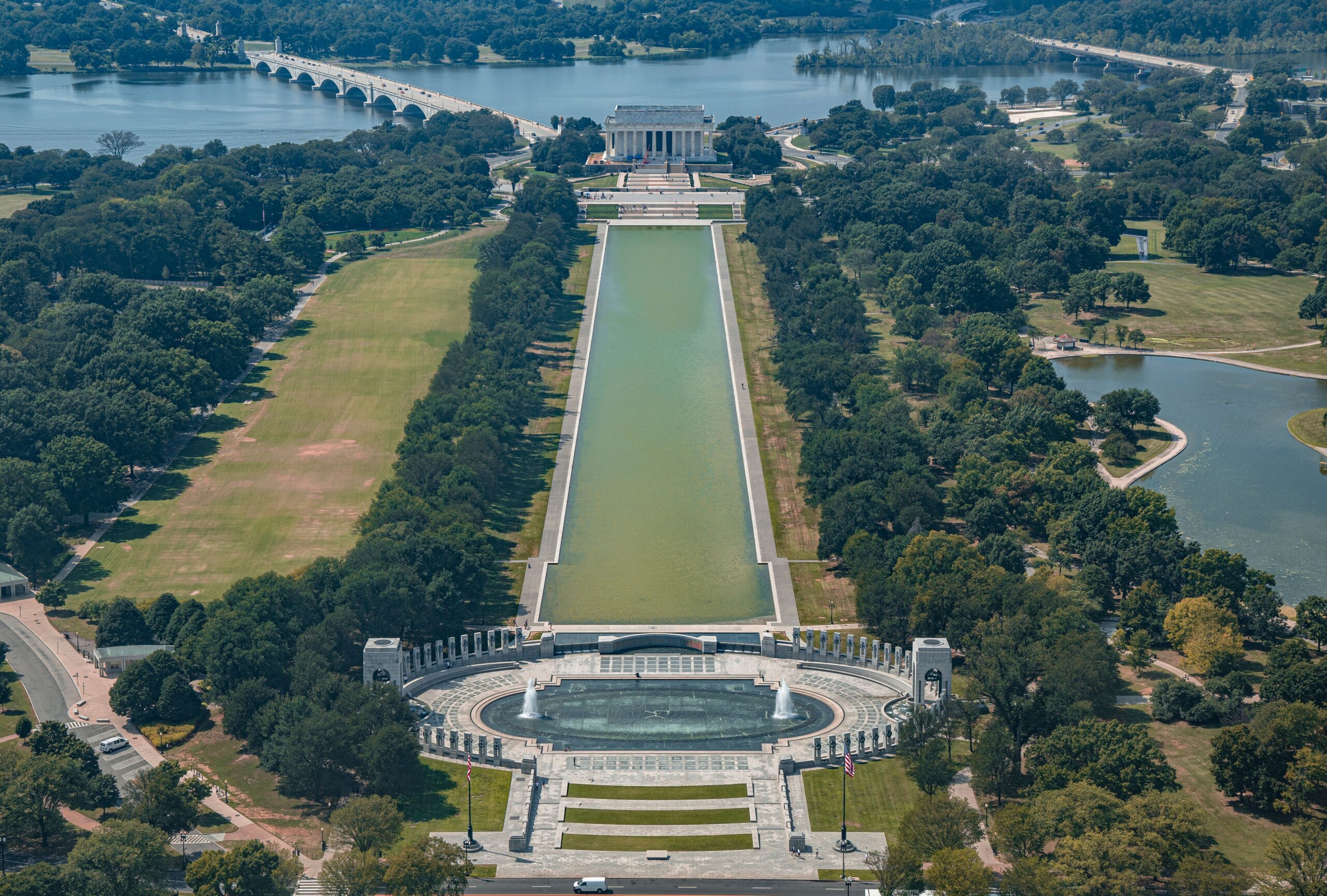

What was supposed to be a highly visible symbol of Washington’s preparations for America’s 250th anniversary has instead become an unexpected lesson in how difficult it can be to control nature. Just days after a multimillion-dollar renovation transformed the Lincoln Memorial Reflecting Pool, visitors arrived to find the iconic landmark turning an unmistakable shade of green.
The renovation project, completed in early June, included draining, cleaning, resealing, and repainting the nearly century-old pool. Officials promoted the new appearance, describing the basin as “American Flag Blue” after replacing the previous gray-toned surface. The work was part of a broader effort to improve national landmarks ahead of the country’s semiquincentennial celebrations.
Instead of showcasing a pristine blue reflection, however, the newly refilled pool quickly developed a widespread algae bloom. Images of green water circulated online, drawing attention from tourists, media outlets, and social media users who questioned how a freshly renovated landmark could change so dramatically within days.
Why Scientists Were Not Surprised
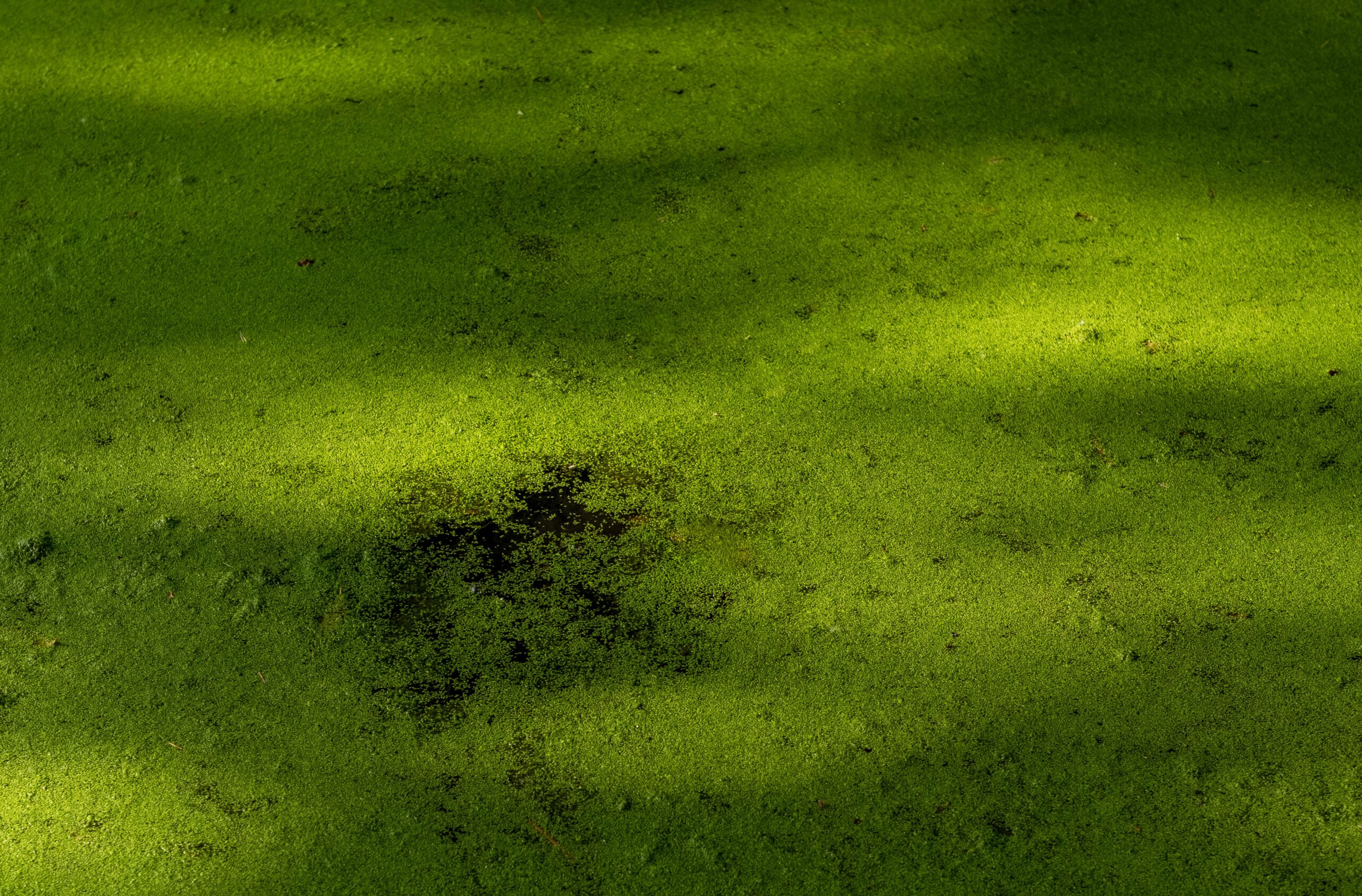
While the algae bloom generated headlines, many aquatic scientists said the development was hardly unexpected. Experts explained that shallow, sunlit, relatively stagnant bodies of water can create ideal conditions for algae growth, particularly during Washington’s hot and humid summer months.
Researchers who analyzed samples from the pool identified the bloom as belonging to the Desmodesmus genus, a common type of green algae. According to aquatic ecology experts, the pool’s design naturally encourages growth because it receives strong sunlight, has little shade, and contains calm water. Renovation activities may have further disrupted nutrient balances that help fuel algae development.
Some specialists also suggested the darker blue surface could contribute to warmer water temperatures by absorbing more sunlight. Combined with summer heat and nutrients already present in the system, those conditions may have accelerated the bloom. Similar algae problems have occurred at the Reflecting Pool before, including after previous renovation efforts.
The Unusual Cleanup Effort
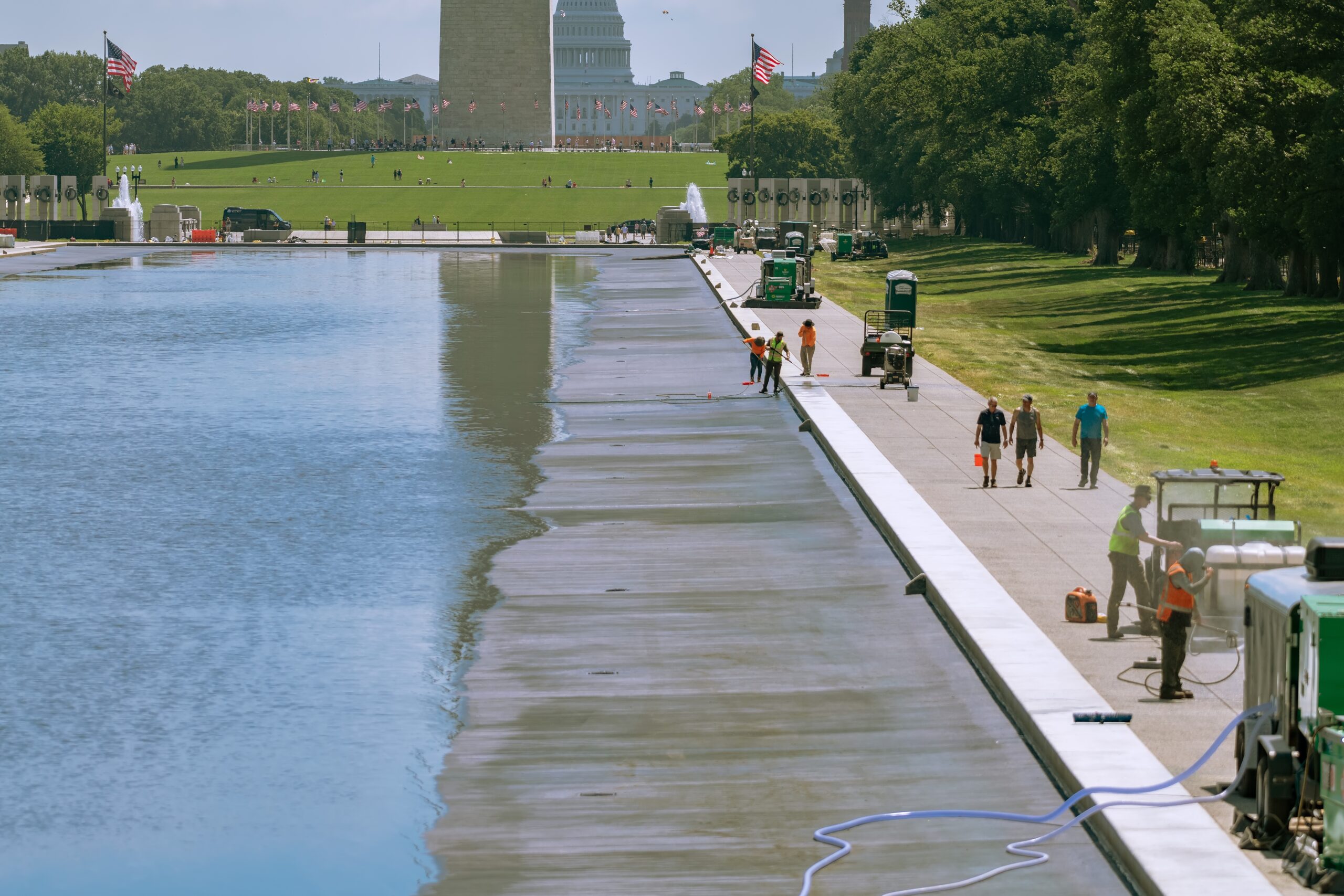
As the algae spread, crews launched a large-scale cleanup operation that quickly became a story of its own. Videos and photographs showed workers pouring hydrogen peroxide into the Reflecting Pool, prompting widespread online debate about whether such a treatment was safe and effective.
The Department of the Interior confirmed that hydrogen peroxide was intentionally being used as part of its response strategy. Officials described it as a milder alternative to chlorine and said it posed no harmful effects to wildlife or the surrounding environment when properly applied. Workers also deployed nanobubble ozone technology, which officials said could help destroy algae, pathogens, and other contaminants.
Scientists generally agreed that hydrogen peroxide is a recognized short-term algae treatment, though some cautioned that it may not solve underlying causes. Experts noted that algae often return if nutrient levels, circulation issues, or other environmental conditions remain favorable. As crews vacuumed dead algae from the pool floor, much of the water remained visibly green in several areas.
New Questions Emerge About the Renovation
The algae bloom was not the only challenge facing the project. Days after cleanup efforts began, observers reported seeing sections of the newly applied blue coating lifting from the basin and floating beneath the water’s surface. Photographs showed strips of detached paint exposing darker material underneath.
The development added to scrutiny surrounding the renovation’s growing price tag. Initial public estimates were far lower than the final cost, which eventually exceeded $14 million according to multiple reports. Officials defended the work by pointing to long-standing maintenance problems, including leaks that previously wasted millions of gallons of water annually.
For now, the Reflecting Pool remains both a restoration project and an ongoing maintenance challenge. Scientists say continued monitoring will be important because different types of algae can emerge under changing conditions. Whether the pool ultimately achieves the appearance envisioned by planners may depend less on fresh paint and new technology than on the complex environmental forces that have shaped the landmark since it first opened more than a century ago.