Interest Rates Climb to Highest Level Since 2007. Here Are 3 Ways Your Wallet Takes the Hit
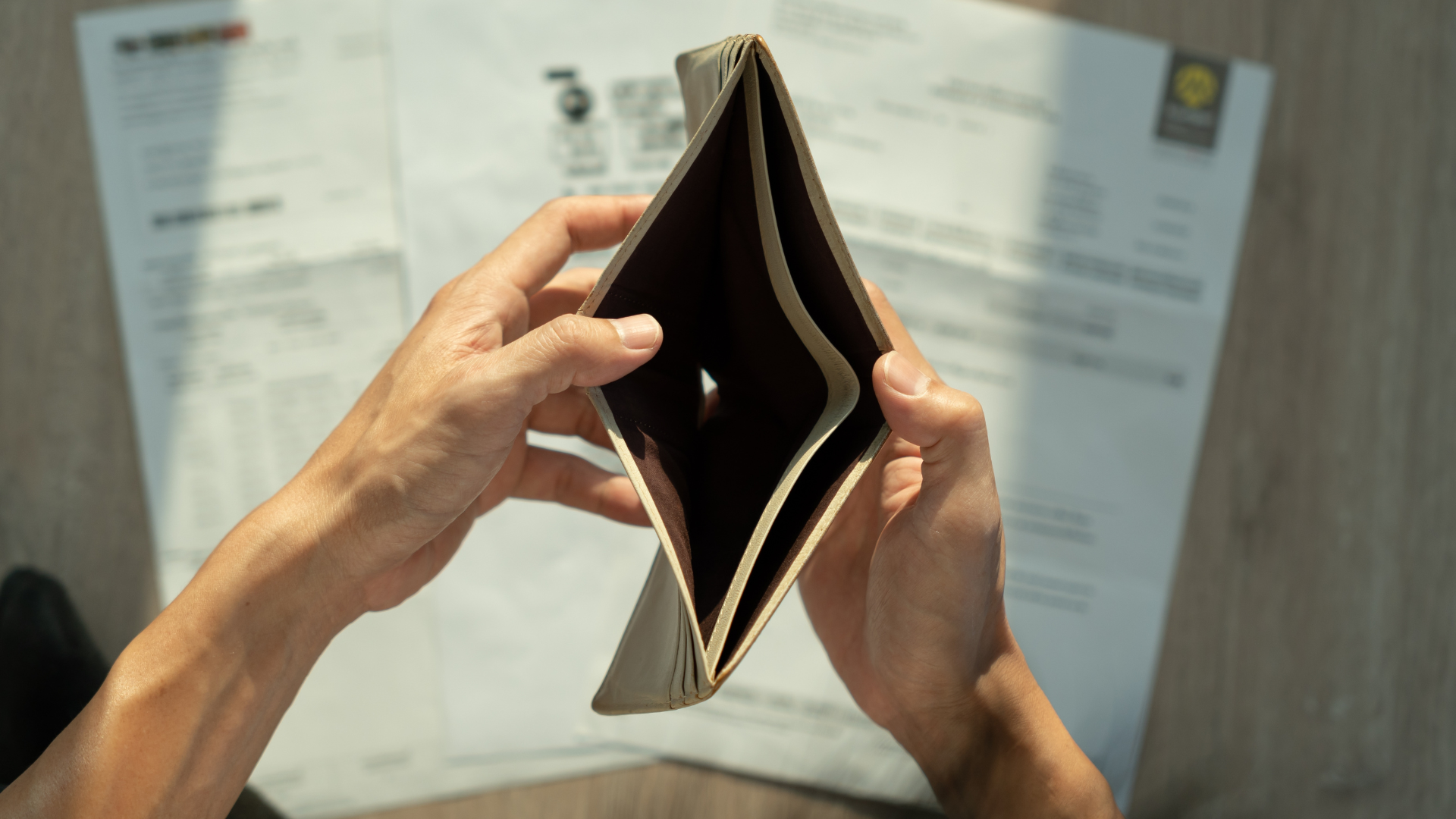

Borrowing costs are moving higher after the yield on the 10-year U.S. Treasury note climbed above 5% in September 2026, reaching a level that had not been sustained since 2007. The benchmark matters to households because Treasury yields influence the rates lenders charge on mortgages and other forms of borrowing.
The 10-year Treasury yield averaged 5.10% in June 2007 and 5.00% in July 2007 before falling to 4.67% in August, according to Federal Reserve data compiled by the St. Louis Fed. The latest move has been driven by renewed inflation concerns, higher oil prices, expectations for additional Federal Reserve rate increases and worries surrounding the government’s borrowing needs.
The pressure is already showing up in consumer borrowing. Freddie Mac reported that the average 30-year fixed mortgage rate reached 6.95% for the week ending September 17, up from 6.76% the previous week and 6.26% a year earlier.
Homebuyers Face Higher Monthly Payments

For people shopping for a home, the higher Treasury yield can translate into a more expensive mortgage even if the price of the house itself has not changed. Mortgage rates are closely tied to longer-term Treasury yields, so a sustained increase in the benchmark can put upward pressure on the interest rate borrowers receive from lenders.
The difference can add up quickly. At a 6.95% mortgage rate, a $400,000 30-year loan would require roughly $2,650 a month in principal and interest before property taxes, homeowners insurance, mortgage insurance and other housing costs. The same loan at 6.26% would be about $2,464 per month, a difference of roughly $186 a month or more than $2,200 a year.
The latest increase comes as housing affordability is already under pressure. Realtor.com reported that purchase applications were down 19% from a year earlier, while existing-home sales reached a 2026 low in August. Higher rates can therefore affect buyers in two ways, increasing the cost of financing while potentially making it harder for some households to qualify for the amount they want to borrow.
Auto Loans and Credit Card Debt Can Also Get More Expensive
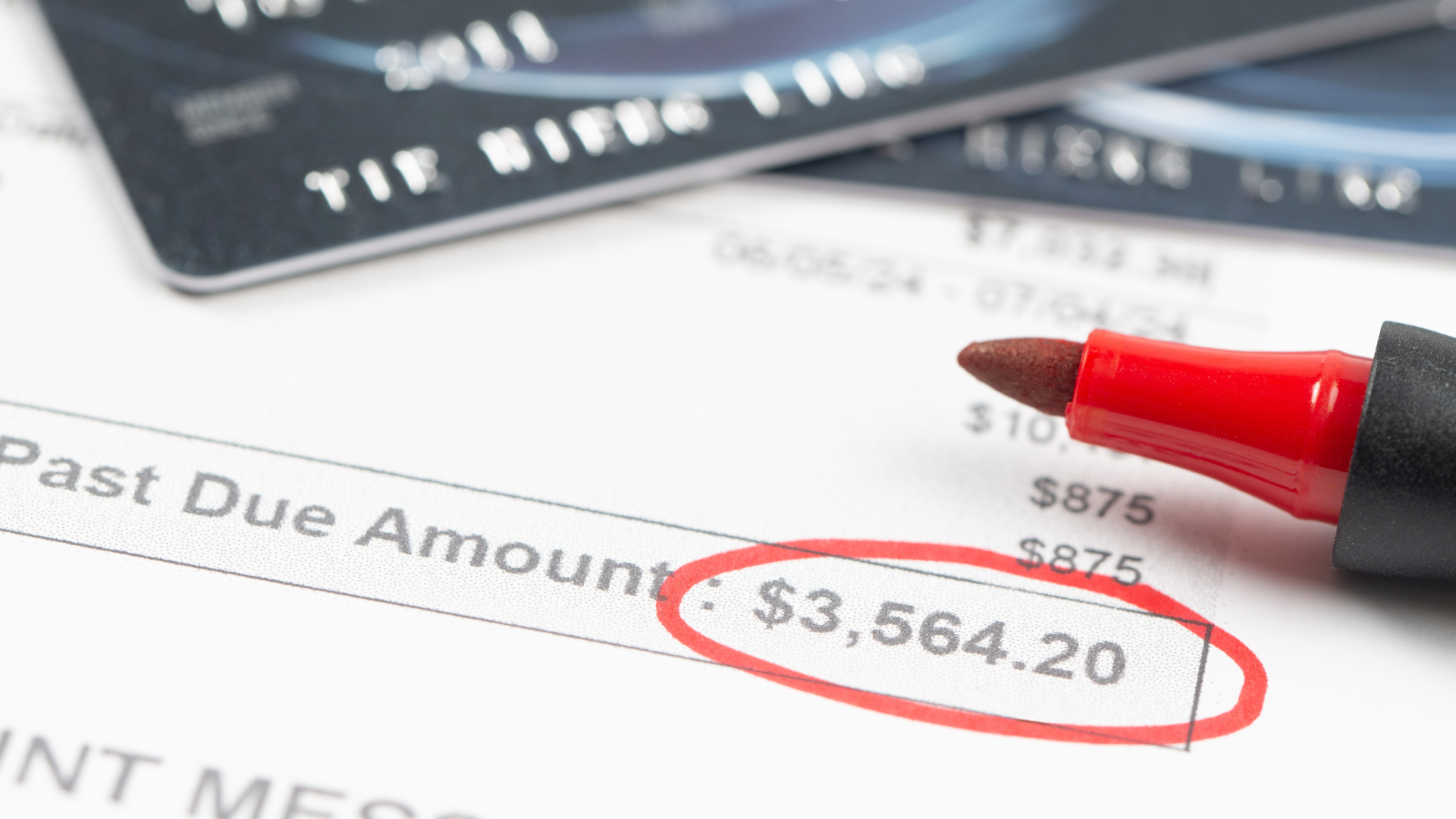
The impact is not limited to homebuyers. The 10-year Treasury is an important benchmark throughout financial markets, while the Federal Reserve’s benchmark rate directly influences many shorter-term borrowing costs. When rates remain elevated, consumers taking out auto loans or carrying balances on variable-rate credit products can face higher financing costs.
Credit cards can be particularly expensive because their interest rates are generally variable and can respond to changes in the broader rate environment. For someone carrying a balance from month to month, even a relatively small increase in the annual percentage rate can add interest charges without providing any additional value in return.
The broader economic picture also matters. The Financial Times reported that higher rates have historically been associated with increases in consumer loan delinquencies, while a low personal savings rate can leave households with less of a financial cushion when debt payments come due. That combination can make higher borrowing costs more difficult for consumers who already rely on credit to manage everyday expenses.
Three Ways Higher Rates Can Hit Household Budgets

The first hit is housing: prospective buyers can face larger monthly mortgage payments, while homeowners considering refinancing may find that today’s rates are less attractive than the rates they previously locked in. The second is auto financing, where a higher interest rate can increase the total amount paid over the life of a vehicle loan. The third is revolving debt, particularly credit card balances that can become more expensive when interest rates rise.
There are also indirect effects. Higher borrowing costs can discourage some consumers from making large purchases, while businesses facing more expensive financing may become more cautious about investment and expansion. At the household level, the combination of higher debt payments and elevated prices for essentials can leave less money available for saving or discretionary spending.
For consumers, the Treasury yield itself is not a bill that suddenly arrives in the mailbox, and its movement does not automatically change every loan rate overnight. But its rise above 5% is an important signal for borrowing markets, particularly when combined with mortgage rates approaching 7% and expectations that interest rates could remain elevated.