After 12 Days Without Power, Indiana Families Offer a Warning for Every Homeowner
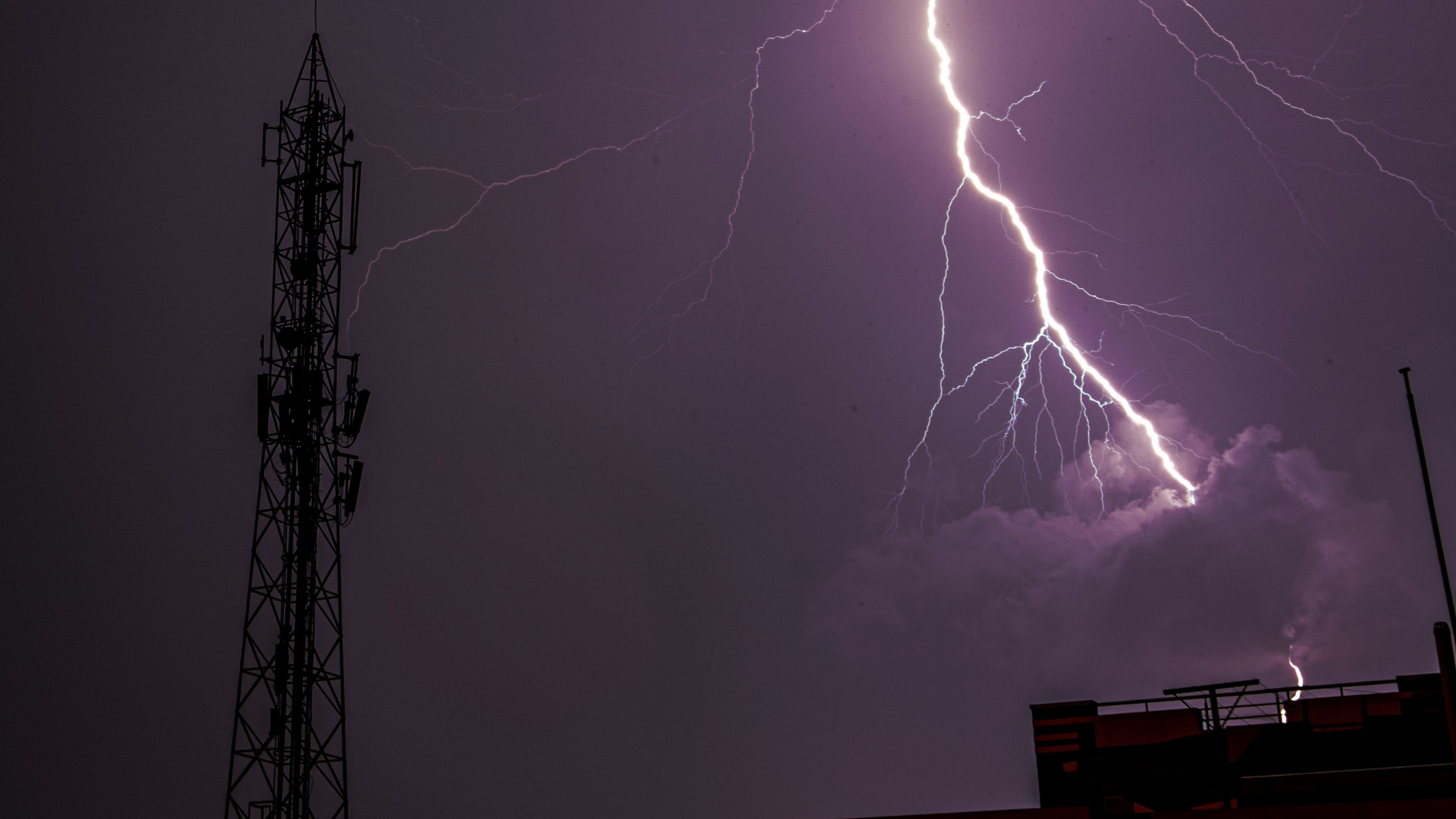

Most people picture a power outage as a few hours in the dark, maybe an overnight inconvenience at worst. For thousands of families in northwestern Indiana this August, that assumption fell apart entirely. What started as a single violent storm turned into a stretch without electricity that lasted nearly two full weeks for some households, long enough to reshape how an entire community thinks about what “emergency preparedness” actually means.
The storm hit on Aug. 11. Winds ranged from 70 mph to more than 100 mph, tearing across northern Illinois and northwestern Indiana. It downed trees and knocked out power to roughly 374,500 customers at its peak. By Aug. 23, twelve days later, about 9,000 customers in Gary alone remained without electricity. “Twelve days is too long for families to be without power,” Gary Mayor Eddie Melton said in a video posted to the city’s Facebook page.
Power has since been restored to nearly all affected customers, with NIPSCO reporting restoration efforts substantially complete by Aug. 26. But the fifteen days between the storm and that milestone revealed something worth examining closely: how a single severe weather event could knock out power for so long, and why some neighborhoods waited so much longer than others to get it back.
It Was Provisionally Called a ‘Derecho.’ Final Confirmation Won’t Come Until 2027
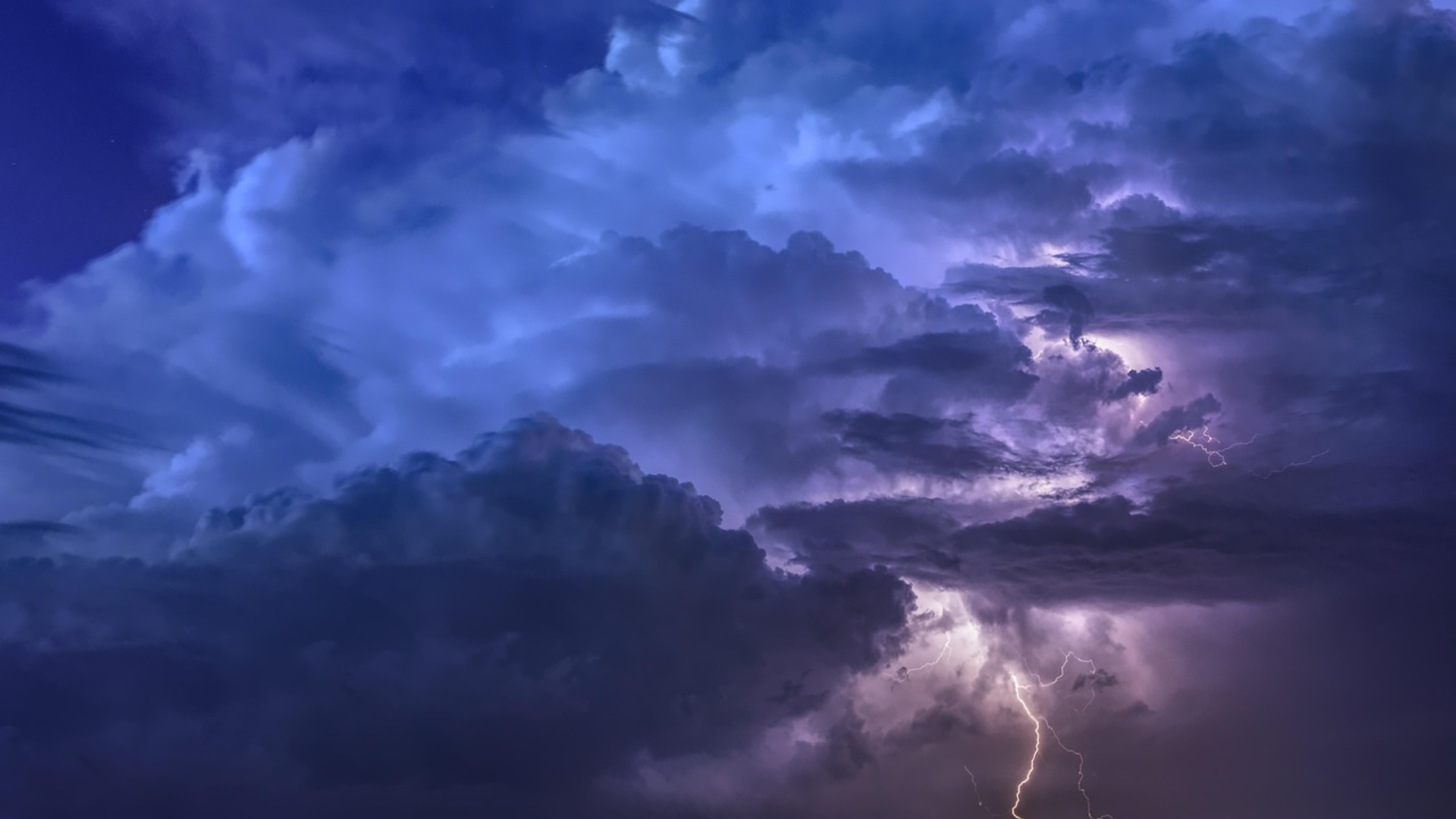
The National Weather Service preliminarily identified the storm as a derecho, sometimes called an “inland hurricane” for the way its damage spreads. To officially qualify, post-storm analysis has to confirm sustained winds of at least 58 mph across a damage path stretching at least 250 miles. That full analysis will not be finalized until sometime in 2027, even though the practical effects on the ground were immediate and unmistakable.
The scale of the damage helps explain the timeline. A wind gust of 99 mph was recorded at Gary/Chicago International Airport, a speed within the range of a Category 2 hurricane. Melody Birmingham, an executive at NIPSCO’s parent company NiSource, described the damage as among “the most extensive and complex” her crews had ever encountered, adding that entire systems, not just individual lines, needed to be rebuilt rather than simply repaired.
That explanation did not fully satisfy state officials. Indiana Gov. Mike Braun declared a statewide emergency on Aug. 13 and mobilized the National Guard to help clear debris for utility crews. By Aug. 23, he was posting publicly that there was “no excuse for these delays” and directed state regulators to investigate NIPSCO’s handling of the storm response. For the families still waiting, though, the politics mattered far less than what their own days actually looked like.
‘All We Can Do Is Pray’: What Twelve Days Without Power Actually Looked Like

Behind the statistics were individual households running out of patience and options at the same time. Some residents described conditions closer to a slow-moving crisis than a routine repair job, with no reliable timeline and no clear end in sight. Food spoiled repeatedly. Medical equipment lost power. Families relied on shelters, cooling centers, and donated meals just to get through each additional day without electricity.
Gary resident Denise Bairns said in a Reuters interview that she had been told her power might not return until Sept. 12, more than a month after the storm hit. That felt unbearable to her. She added, “all we can do is pray that we get it on.” Fellow resident Desmond Poppy described his community more bluntly in the same interview, saying it felt “really under siege.”
The uneven pace of restoration raised questions that went beyond weather and repair logistics. Gary is nearly 80% Black, and roughly a third of its residents live below the poverty line, leaving many families with fewer resources to absorb weeks without power. Civil rights organizer Bernice King called it “bigger than a power outage.” Neighboring Illinois towns across the state line were largely restored within days, though officials note the storm had intensified specifically as it crossed into Indiana.
The Outage Is Over. The Lessons for Homeowners Are Not
By Aug. 26, NIPSCO reported that restoration efforts tied to the storm were substantially complete across its service territory, with crews continuing to address only a limited number of individual outage cases. That milestone came roughly two weeks after the initial storm and just days after Gov. Braun’s public pressure campaign intensified. For households finally reconnected, celebration came first. Analysis came later.
Even now, NIPSCO is urging anyone who depends on electrically powered medical or life-support equipment to have a genuine backup plan in place, not a hypothetical one, since extended outages can happen with little individual warning. Some residents have already drawn their own conclusions. One woman who watched debris pile up along her street for weeks suggested a fix homeowners rarely think about until it is too late: burying power lines underground, where wind and falling trees cannot reach them.
A power outage past a day or two stops being an inconvenience. It starts becoming a test of everything a household assumed it could count on: refrigeration, medical devices, air conditioning, even basic communication. Most homes are not built with a real answer for that test, because most people never expect to need one. Twelve days in Gary offered a blunt reminder that the assumption itself is the actual risk.