“I’m Rich, I Can Pay Fines”: Entitled Tourist Arrested, Faces $50,000 Penalty After Harassing Endangered Hawaiian Monk Seal
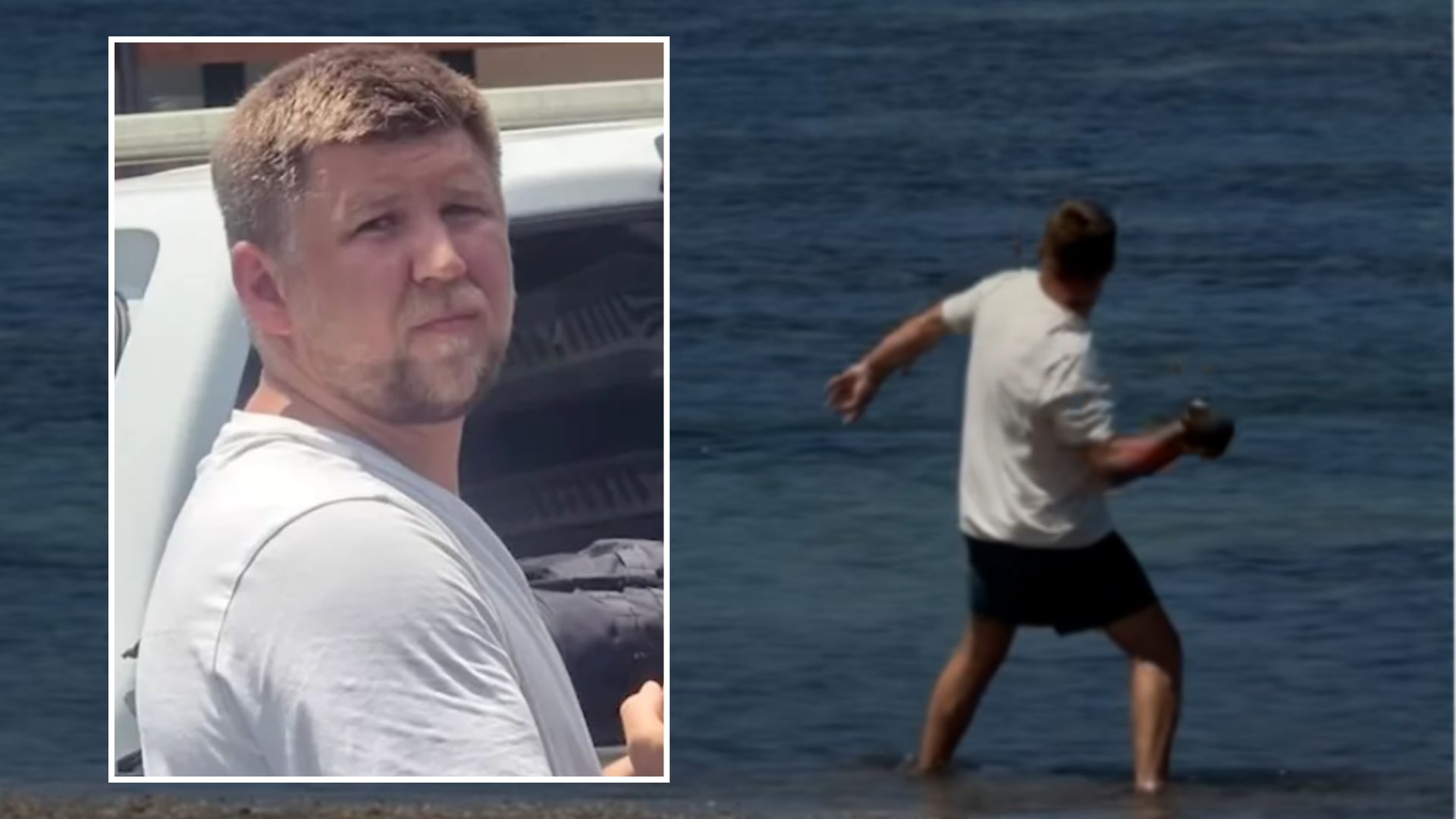

A man hurled a coconut-sized rock at one of Hawaii’s most beloved wild animals, an endangered Hawaiian monk seal named Lani, resting near the shore in Lahaina, Maui. When bystanders confronted him, he reportedly replied, “I’m rich, I can pay the fines.” He was wrong about what that would cost him.
Who Is Lani, and Why Does She Matter So Much?
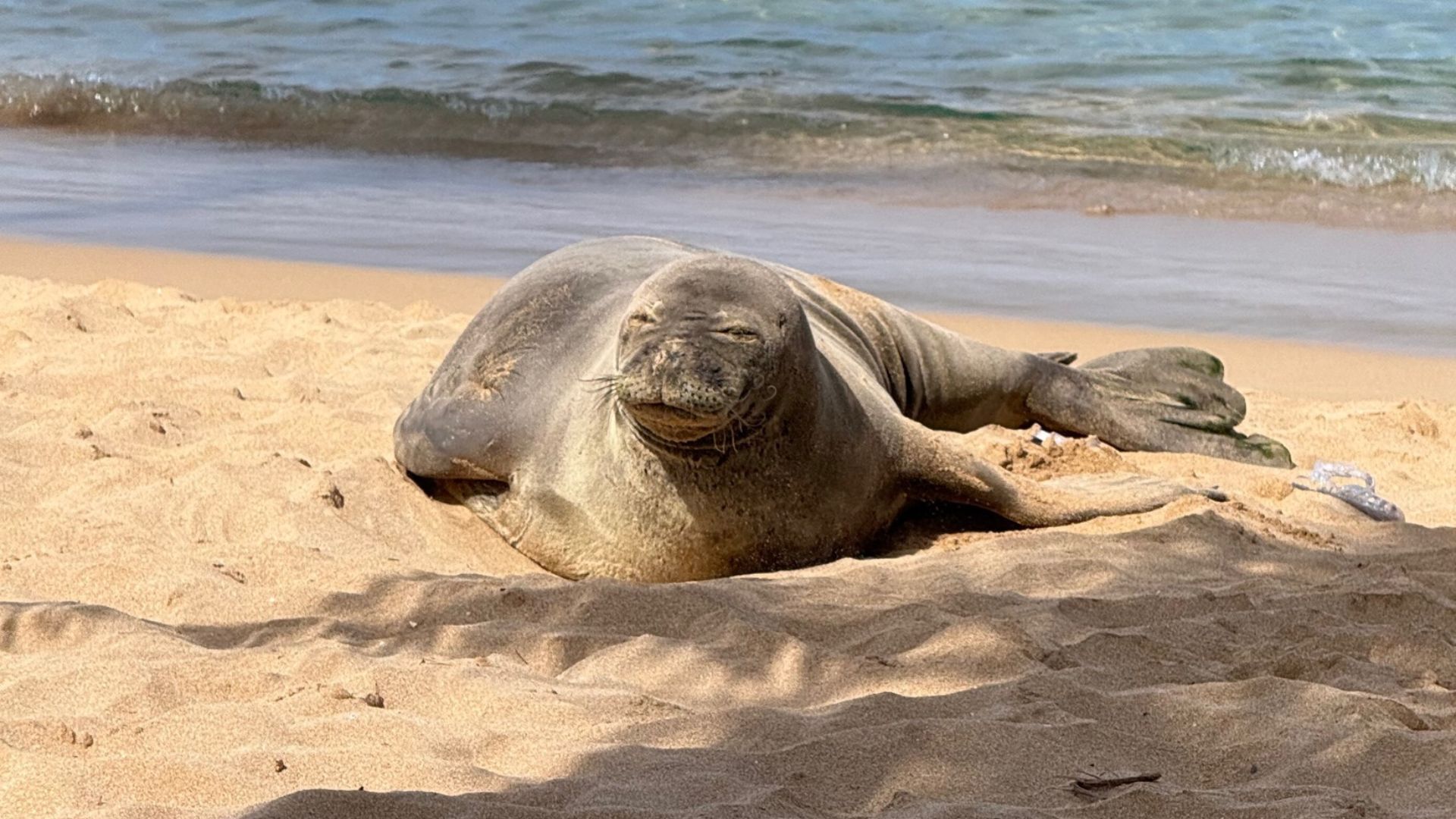
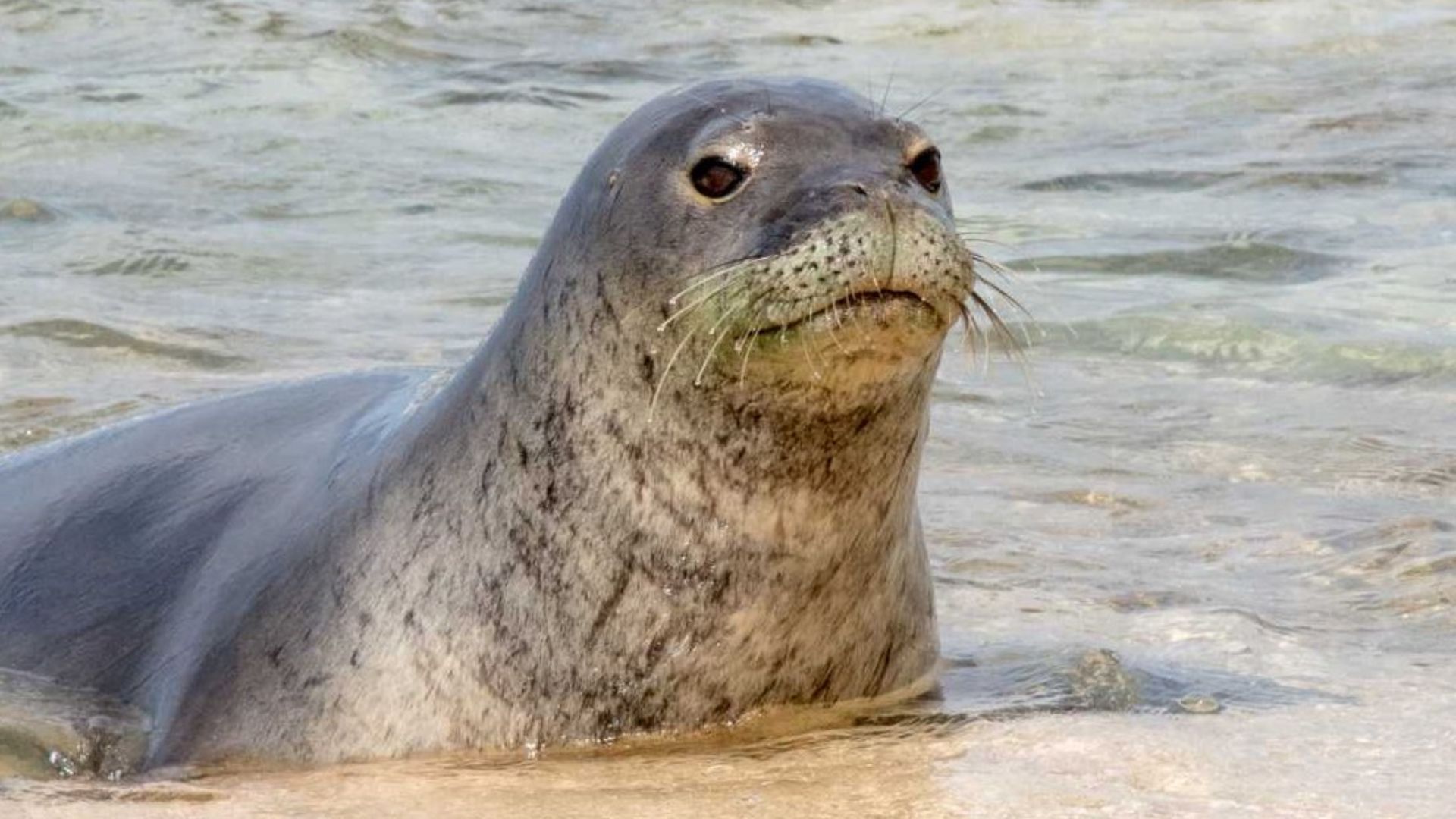
Lani is not just any seal. She is a Hawaiian monk seal, one of the most critically endangered marine mammals on Earth. Only around 1,600 remain in the wild. Lani is well known to Lahaina locals, who have watched over her and her calves for years. Her return to the Lahaina shoreline after the devastating 2023 wildfire carried deep emotional significance for a community still healing from one of the worst disasters in Hawaii’s history.
The Moment Caught on Camera
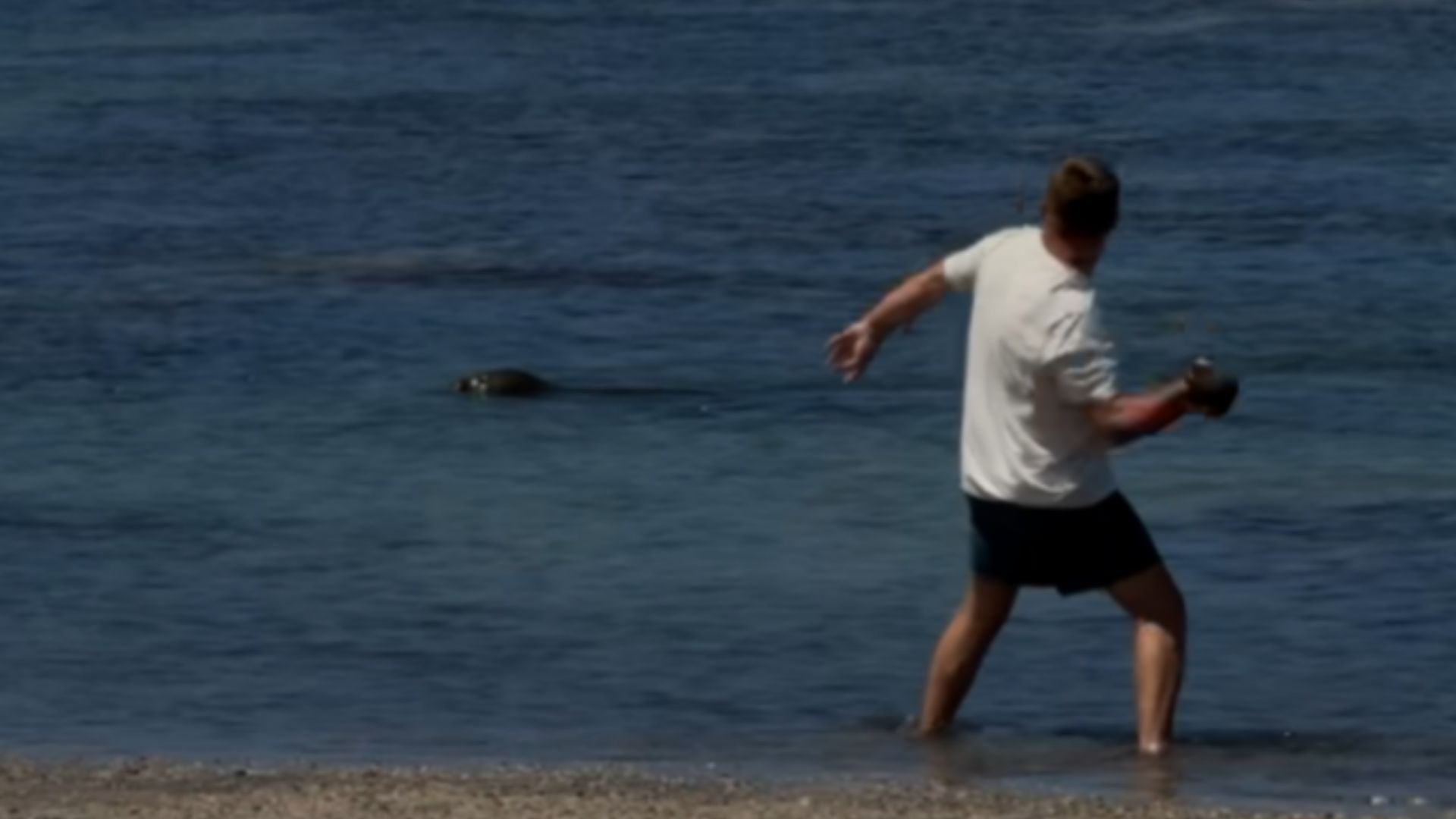
A bystander named Kaylee Schnitzer recorded the incident near Front Street in Lahaina. The footage shows the man picking up a large rock and throwing it directly at Lani as she moved through the water. The rock lands on or extremely close to the seal. Schnitzer confronts the man in the video, and his response, that his wealth would shield him from any real consequence, was captured clearly. That clip would soon travel far beyond Maui’s shores.
The Law He Apparently Did Not Know Existed
Harassing a Hawaiian monk seal is not a minor infraction. Under the Endangered Species Act, violations carry fines of up to $50,000. The Marine Mammal Protection Act adds another layer, with penalties of up to $20,000. Each charge also carries the possibility of up to one year in prison. Hawaii’s Department of Land and Natural Resources confirmed the case would be escalated to federal authorities, specifically the NOAA Office of Law Enforcement, almost immediately after the incident.
Detained, Then Arrested by Federal Agents

State conservation officers located the suspect shortly after the incident. Igor Mykhaylovych Lytvynchuk, 38, of Covington, Washington, was arrested by NOAA special agents near Seattle and charged with harassing a protected animal, according to the U.S. attorney’s office in Honolulu. He had previously declined to speak with investigators and invoked his right to counsel. His court appearance was scheduled in U.S. District Court in Seattle, with formal charges now on record.
Maui’s Mayor Made a Personal Call to Prosecutors
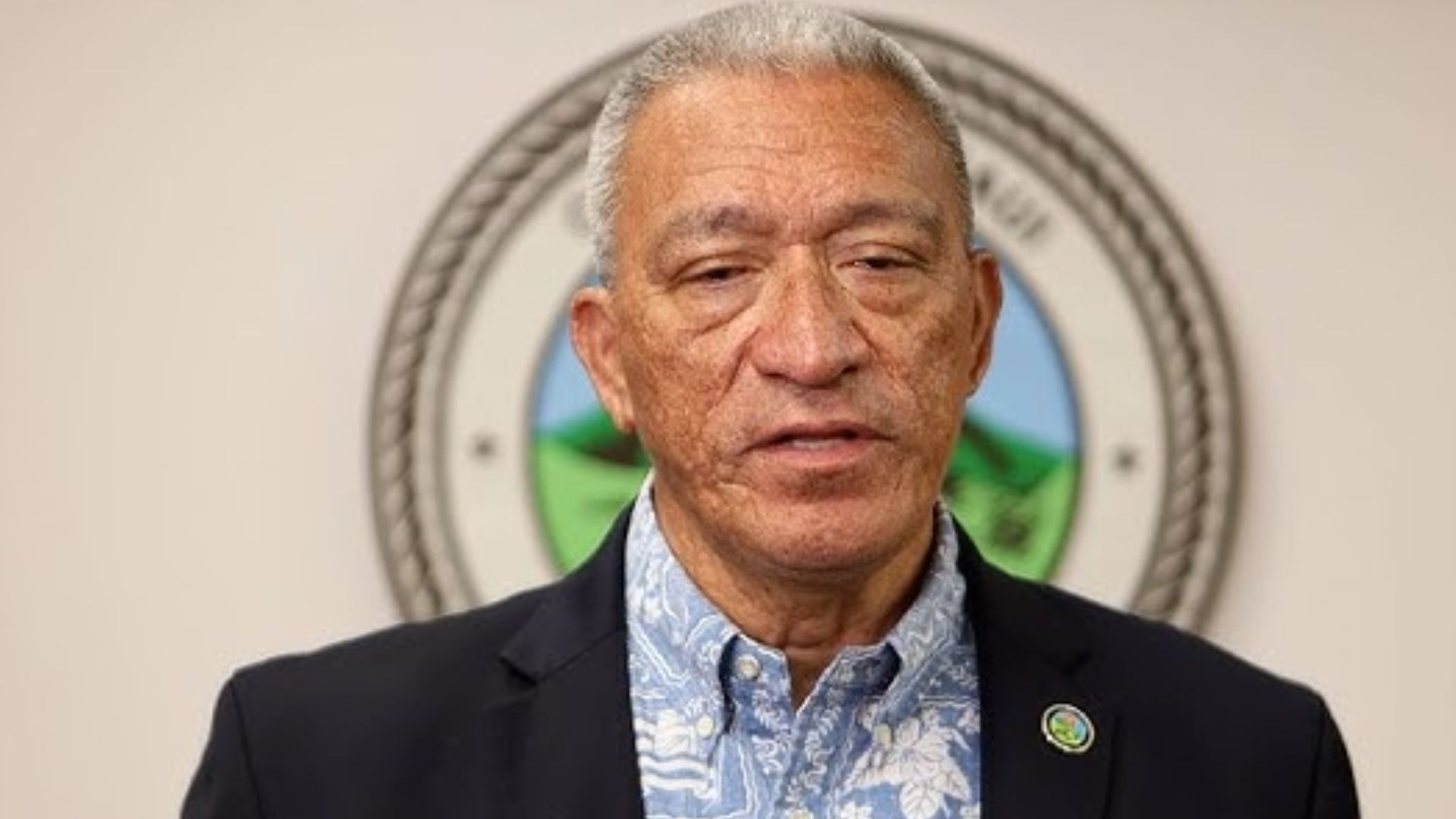
Maui Mayor Richard Bissen did not stay on the sidelines. According to CNN, he personally called the U.S. attorney in Honolulu to advocate for prosecution. In a public statement, Bissen said, “Let me be clear: this is not the type of visitor we welcome on Maui. Behavior like this will not be tolerated.” He added that Lani’s presence in Lahaina represented something larger for the community: “a reminder that humanity and the instinct to protect what is vulnerable are still values people can unite around.”
The Internet Did Not Wait for the Courts

Before any formal charges were filed, the video had already gone viral. Lytvynchuk’s business began receiving a flood of negative reviews tied directly to the footage. Social media users tracked down his professional information and organized a coordinated response. He reportedly received hundreds of messages from people outraged by the incident. The backlash was swift and intense, illustrating how quickly public accountability can arrive in the age of smartphone video and social media reach.
Citizen Justice, Praised and Complicated
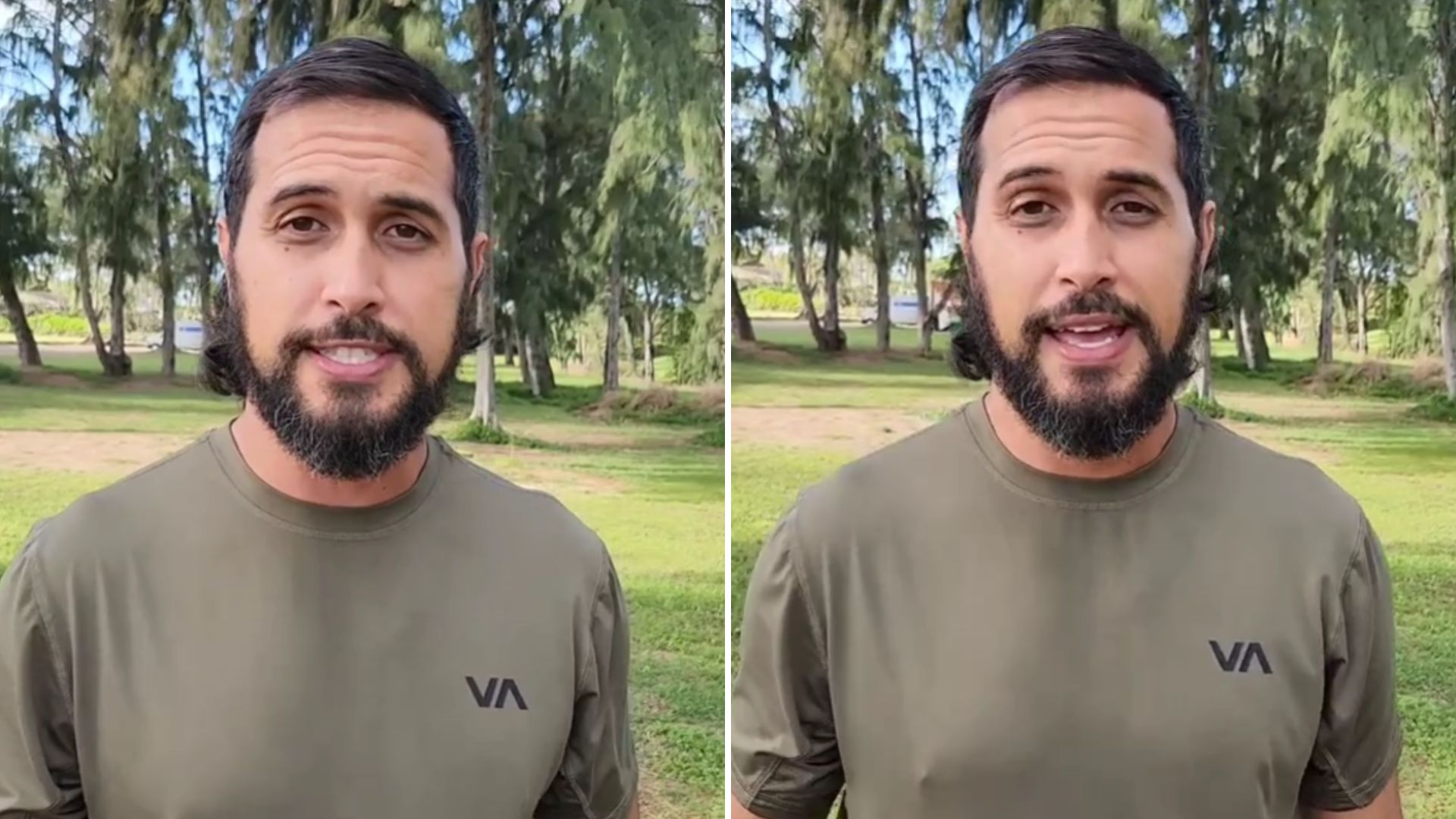
A separate video circulated showing a local man physically confronting Lytvynchuk after the incident. Hawaii state Senator Brenton Awa called the confronter “an environmental activist” and wrote him a letter of recognition, dubbing him an “Ambassador of Aloha.” Awa also suggested airlines show the seal footage on all incoming flights to educate visitors about Hawaii’s wildlife laws. Officials said they did not formally condone the violence, but the community sentiment behind it was widely understood and largely supported.
A Species That Cannot Afford Incidents Like This
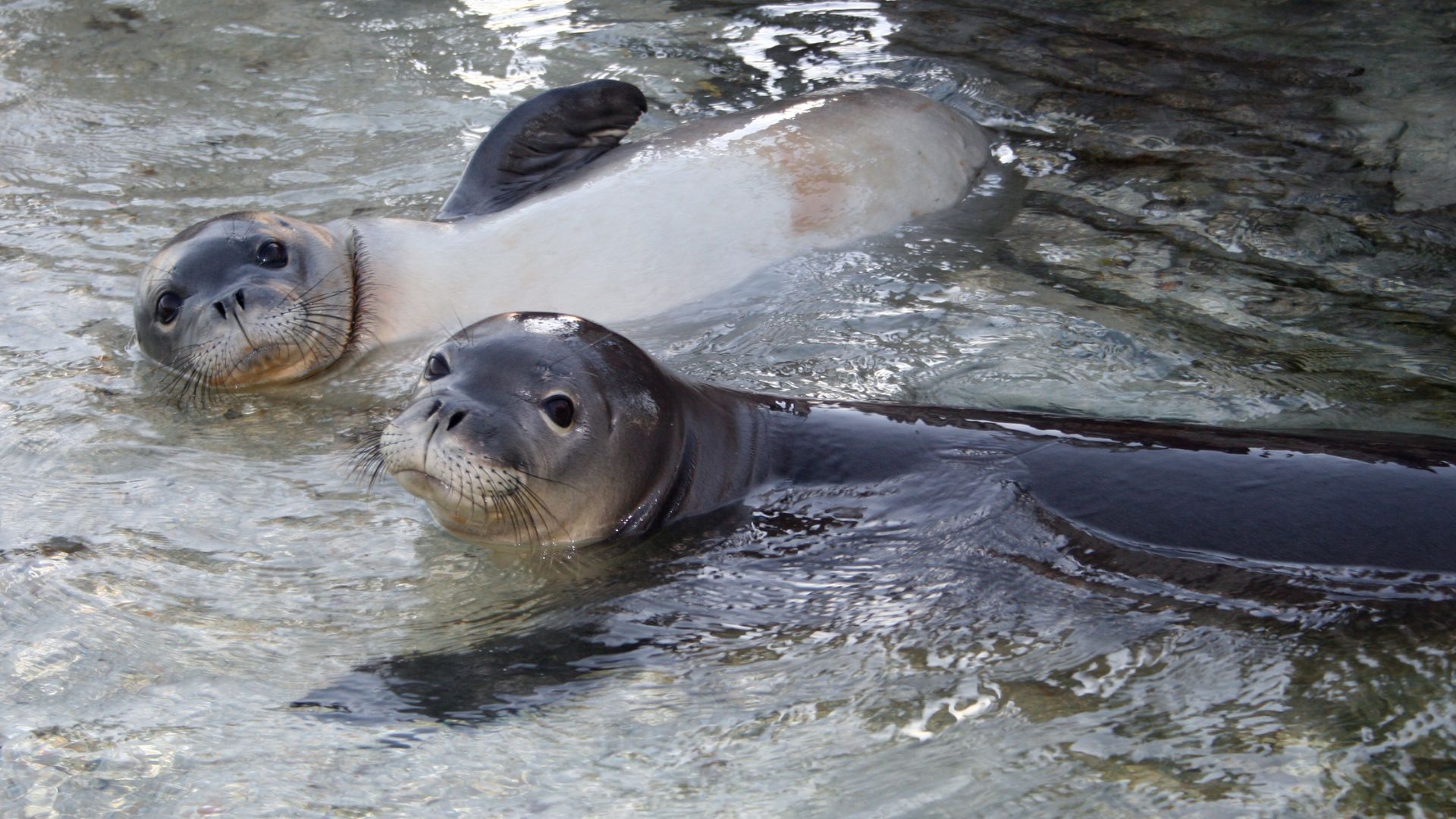
The Hawaiian monk seal has no room for further population loss. Hawaii’s Division of Aquatic Resources estimates only around 1,600 mature seals remain in the wild. They are found almost exclusively in the Hawaiian archipelago and face ongoing threats from entanglement, habitat loss, and human disturbance. Conservation officers note that previous monk seal harassment cases have resulted in substantial fines. Lani’s case, now escalating through the federal court system, may set a new benchmark for how seriously these protections are enforced.
Rich Enough to Pay the Fine. Not Rich Enough to Avoid It
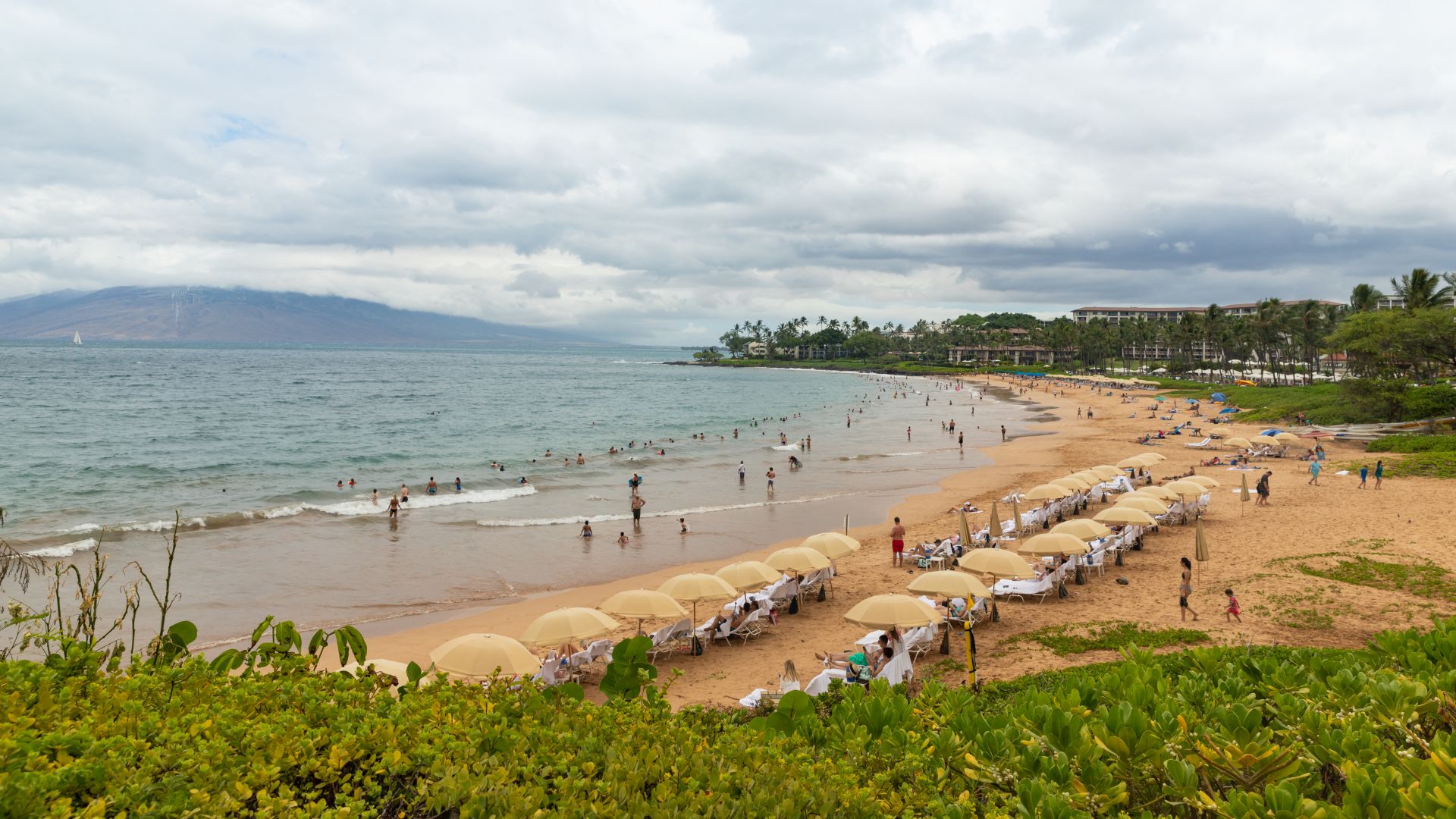
The phrase “I’m rich, I can pay the fines” may end up being one of the most expensive sentences Lytvynchuk ever spoke. Federal charges, potential prison time, a destroyed online reputation, and a business hit by a viral backlash have all followed from a single act on a Maui shoreline. The deeper question the case raises is one worth sitting with: in a world where every moment can be recorded and shared, what does it actually mean to believe money places you above accountability?