Illinois Man Shops at Walmart’s Garden Center, Then Catches a Possible ‘Scam’ Shoppers Could Easily Miss


Illinois TikToker Harley, who posts as @collectorofhobbies, walked into a Walmart garden center on July 18 and walked out with a theory about what the store was really selling. His video climbed past 552,000 views. “This is some of the most heinous shit ever,” he told the camera, holding up a cactus that had caught his attention for reasons other shoppers might scroll right past.
He Says the Colorful Piece on Top Is Just Plastic

Harley zeroed in on a bright decorative topper attached to one of the cacti and pried at it on camera. “This is literally plastic,” he said, pointing to a visible seam of adhesive. “You can see the glue on that one. They glue them onto the [expletive] cactuses.” To him, the takeaway was simple: shoppers might think they’re buying a living plant feature when they’re actually paying for a piece of molded plastic stuck on with glue.
Then He Spotted Something That Looked Even Stranger
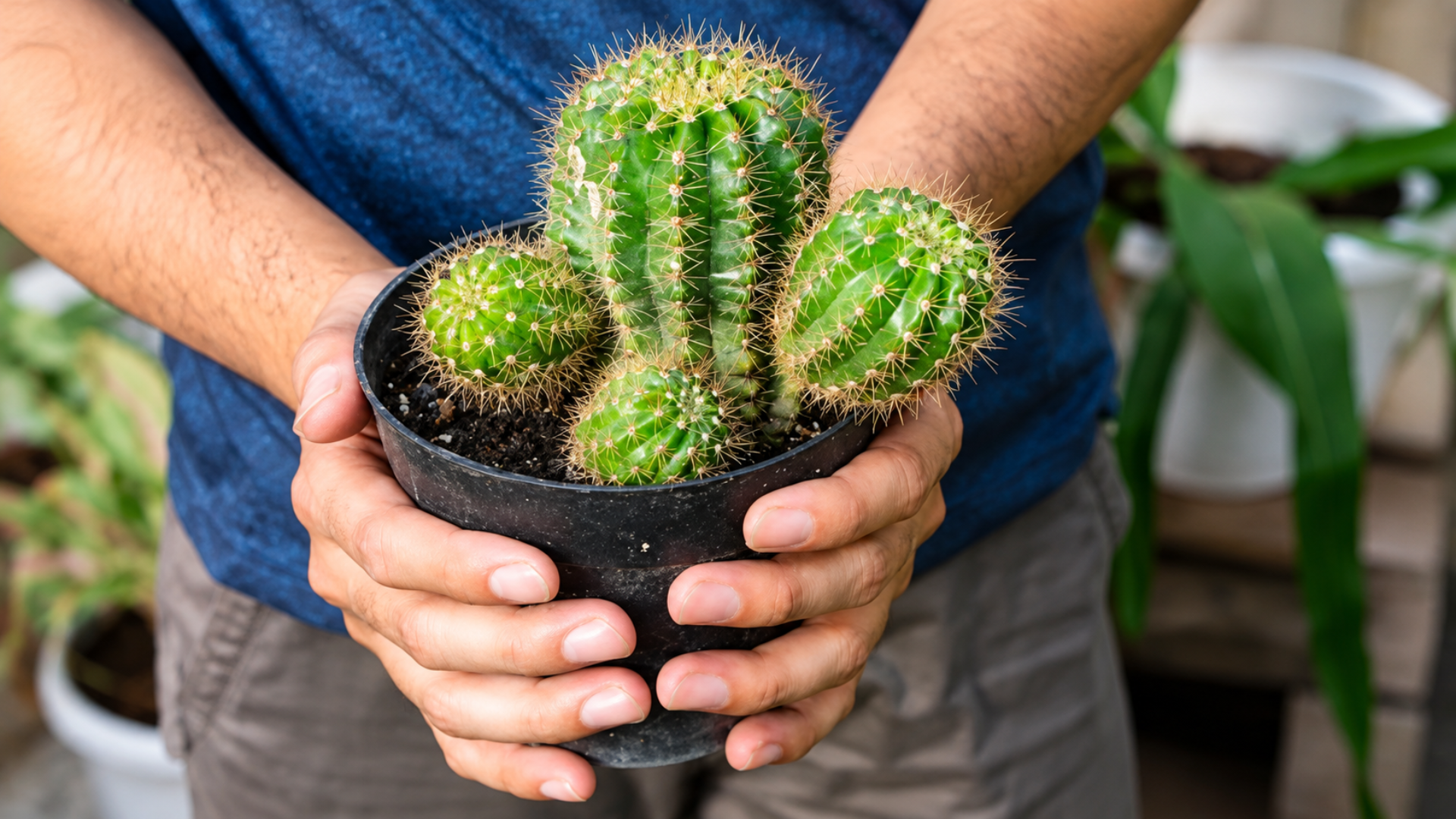
Harley moved to a second plant, one with a vivid, almost neon cap sitting on top of an ordinary green cactus base. Unlike the glued decoration, this one wasn’t fake. “This is two different plants,” he said, correctly identifying it as two separate cacti fused into a single specimen, a technique gardeners have used for decades and one that has nothing to do with the plastic topper he’d just examined.
What Harley Found Has a Name: Grafting
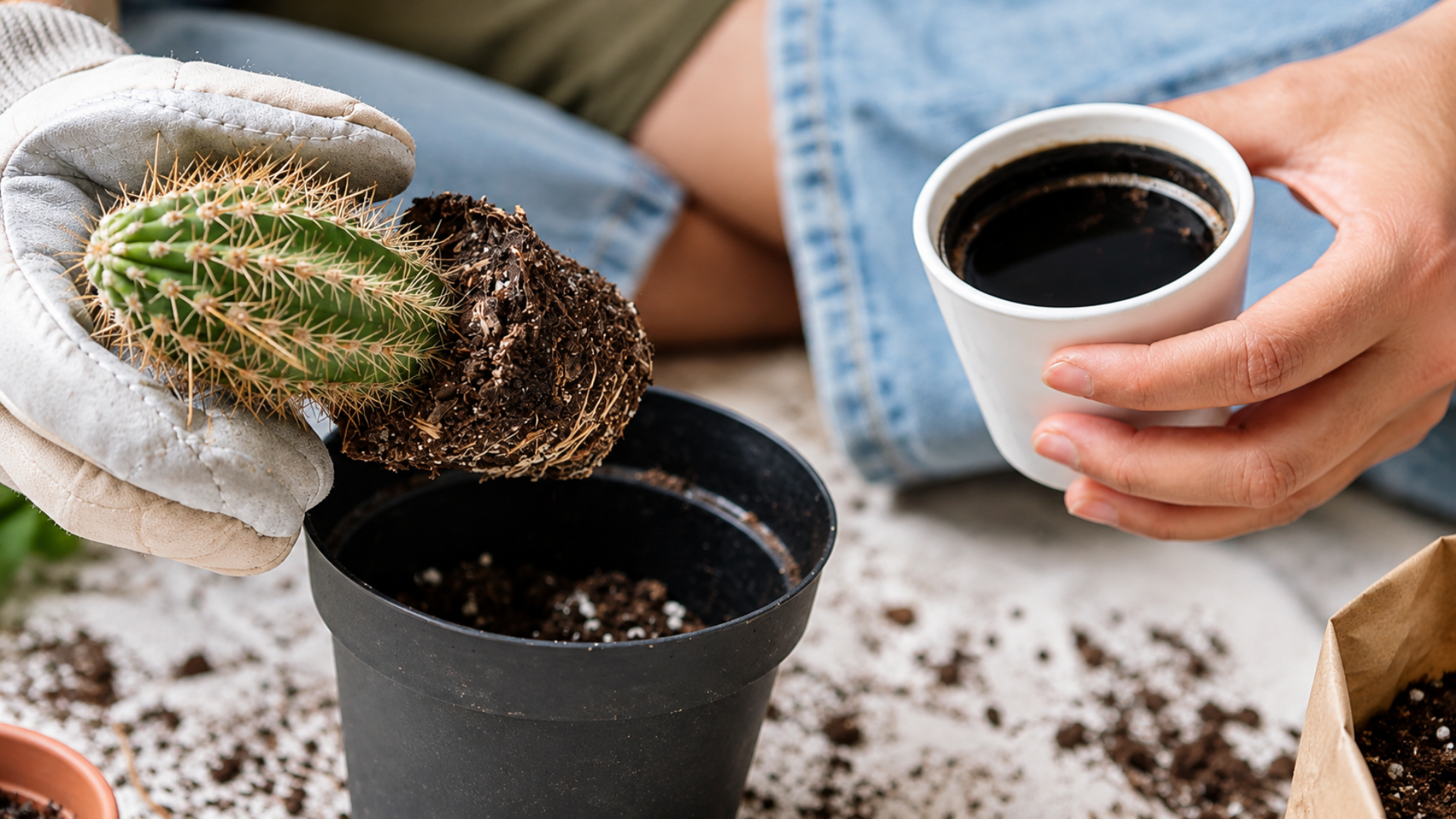
The two-cacti plant is a textbook example of cactus grafting, a horticultural method where growers fuse the tissue of two compatible plants so they grow as one. It’s not a Walmart shortcut or a hidden defect. Growers use it specifically to keep certain colorful cactus varieties alive at all, because those varieties can’t survive growing on their own roots.
The Reason Comes Down to a Missing Ingredient: Chlorophyll

The colorful top Harley questioned is likely a Gymnocalycium mihanovichii, commonly sold as a “moon cactus.” North Carolina State University’s extension program explains that these mutant plants lack enough chlorophyll to photosynthesize on their own. Without a green rootstock cactus grafted underneath to feed them, the vivid pink, orange, or yellow tops simply couldn’t survive at all.
Harley Went a Step Further, and That’s Where the Claim Gets Shaky

Beyond identifying the graft, Harley argued Walmart was selling plants built to fail. “They’re very hard to keep alive,” he said, warning viewers, “So you [expletive] waste money buying these, and they die.” Moon cacti do have a shorter lifespan than typical cacti as the rootstock eventually outgrows the colorful top. That’s biology working as expected, not evidence of a retailer engineering a product to die on purpose.
These Are Two Completely Separate Issues, Not One Big Scheme

A glued-on plastic ornament and a grafted living cactus have nothing to do with each other, even though Harley’s video treats them as one discovery. Garden centers commonly decorate plants with artificial add-ons for visual appeal, a cosmetic choice, while grafting is a decades-old technique for keeping specific fragile varieties on shelves in the first place. Conflating the two makes an ordinary practice sound like a cover-up.
Here’s Where a Real Scam Would Actually Start

The Federal Trade Commission requires advertising and product claims to stay truthful, a rule that extends to how items get presented on store shelves. A retailer could run into a real problem if it labeled a plastic ornament as a living part of the plant, or falsely claimed a cactus had traits it doesn’t have. Simply selling a grafted plant that will eventually decline doesn’t meet that bar.
Owners Can Actually Extend a Moon Cactus’s Life

Growers who want their colorful moon cactus to outlast the typical few years have an option Harley didn’t mention: re-grafting it onto a fresh rootstock once the original starts to outgrow it. Succulent forums and care guides describe the process as straightforward for anyone comfortable with a clean, sharp blade, turning what looks like an inevitable die-off into something a buyer can actually manage.
‘Scam’ Might Be the Wrong Word for What’s Really Just Plant Biology

Harley’s video did shoppers a favor by getting people to look closer at what’s actually on the cactus shelf. But looking closer also undercuts his own conclusion. The glued decoration is a cosmetic add-on, and the grafted moon cactus is a plant that would not exist on store shelves at all without the technique he called out. Neither one adds up to Walmart designing a product to fail.