Ice Age Left Behind A 20,000-Year-Old ‘Secret’ Water Source Big Enough to Supply NYC for 800 Years
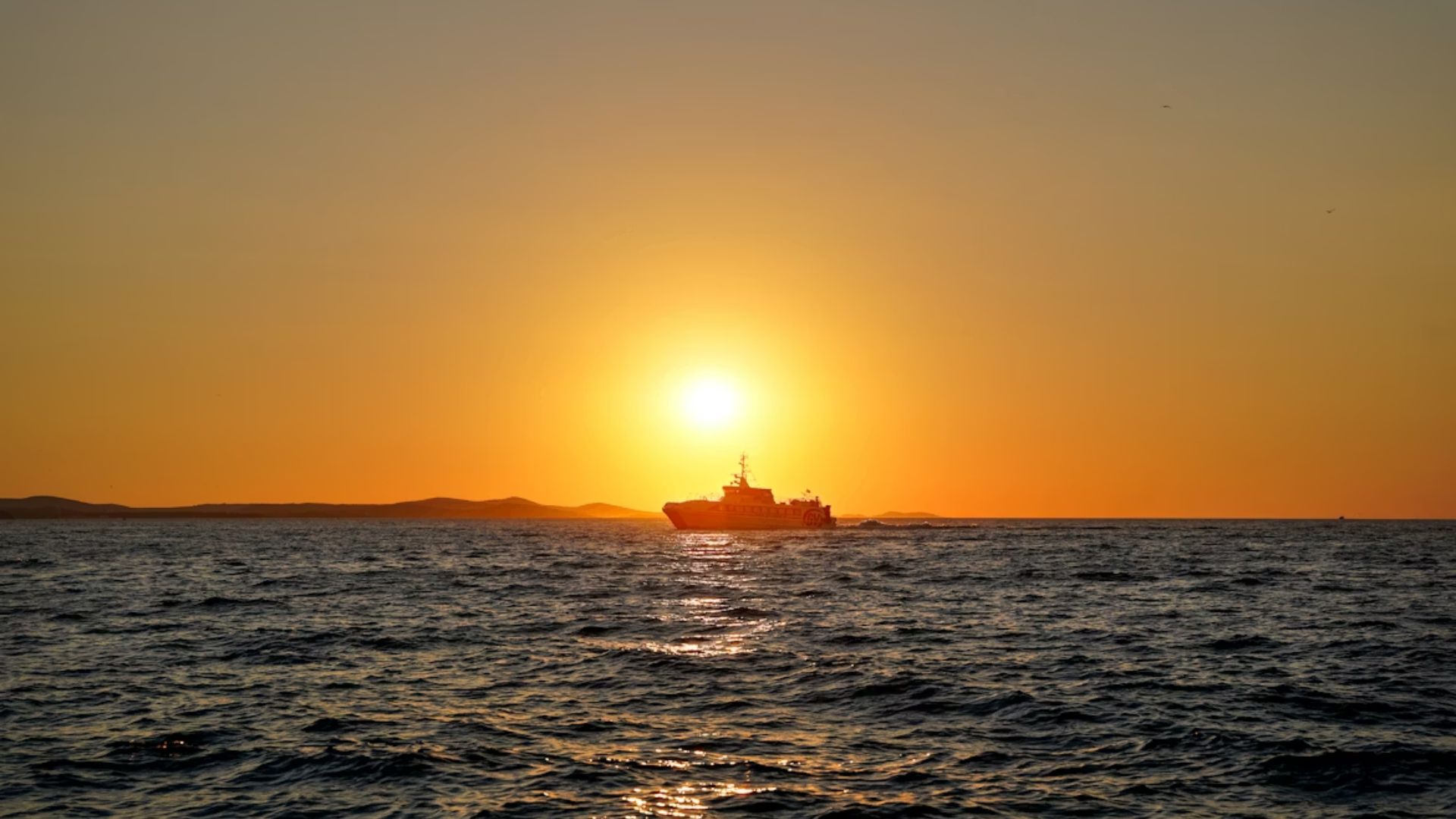

Last summer’s Expedition 501 achieved what researchers had been dreaming about for decades. After a three-month voyage off the coast of Massachusetts, scientists confirmed the existence of a massive freshwater reservoir trapped beneath the seafloor, potentially holding enough water to supply New York City for 800 years. Brandon Dugan, the expedition’s co-chief scientist and a professor of geophysics at the Colorado School of Mines, told Live Science, “It was quite the project and sort of a lifelong dream.”
The reservoir stretches from offshore New Jersey as far north as Maine, locked in place around 20,000 years ago. Initial findings suggest it could be even larger than previously thought, extending farther underground than early reports indicated. The expedition extracted 13,200 gallons of water from three locations off Nantucket and Martha’s Vineyard, drilling down to 1,300 feet below the seafloor.
Preliminary radiocarbon, noble gas, and isotope analyses point to a glacial origin during the last ice age, which lasted from 2.6 million to 11,700 years ago. “We kind of ruled out the large topography for New England, because we don’t have big mountains next to the coast,” Dugan said. However, “there might be a rainfall component” blended in, he said, suggesting the system likely mixed both glacier water and rainfall.
A 60-Year-Old Mystery Resurfaces After Decades of Silence
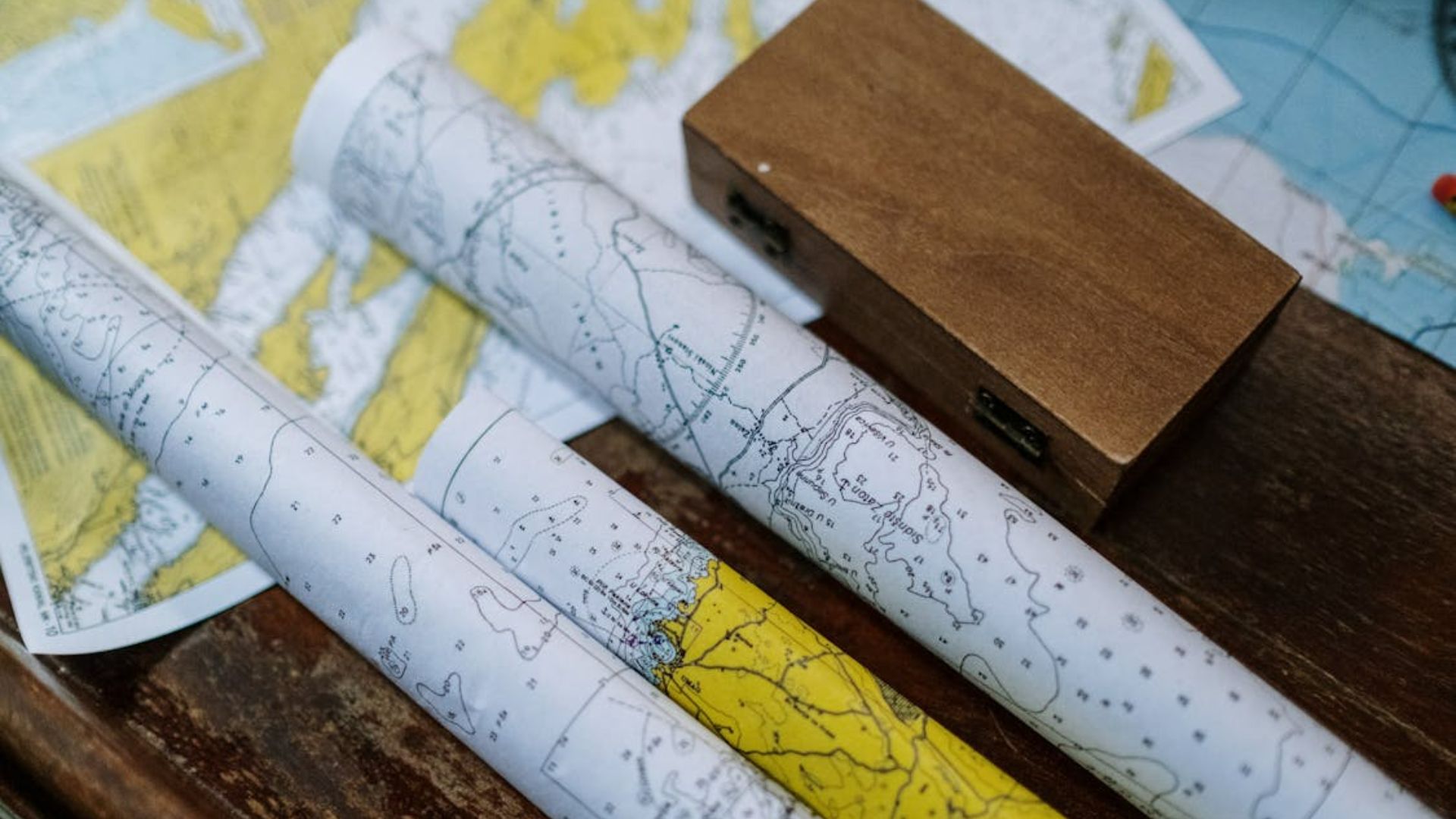
The story begins 60 years ago when the U.S. Geological Survey stumbled upon something during offshore mineral and energy assessments between Florida and Maine. “In a very peculiar way, they found fresh water in the sediment beneath the ocean,” Dugan said. Scientists in the 1980s developed theories about how it got there, but “then it went quiet for a while,” with no one talking about it, he said. That silence lasted until Dugan and colleagues launched Expedition 501 last summer.
Dugan and Mark Person, a professor of hydrology at the New Mexico Institute of Mining and Technology, rediscovered these forgotten records in 2003. They identified three mechanisms that could trap fresh water beneath the ocean. The first involves extended periods of very low sea levels, allowing rainfall to seep deep into the ground before rising waters trap it beneath layers of sediment over hundreds of thousands of years.
Mountains near coastlines could funnel rainwater directly into the seabed from high elevations, Dugan said. The third possibility involves expanding ice sheets that force sea levels to drop. As glaciers grind against bedrock, they generate heat that creates meltwater at their base. The immense weight of the ice then drives that water deep into the ground, sealing it beneath sediment layers.
Drilling Through 1,300 Feet Revealed Fresh Water Protected by Clay and Silt
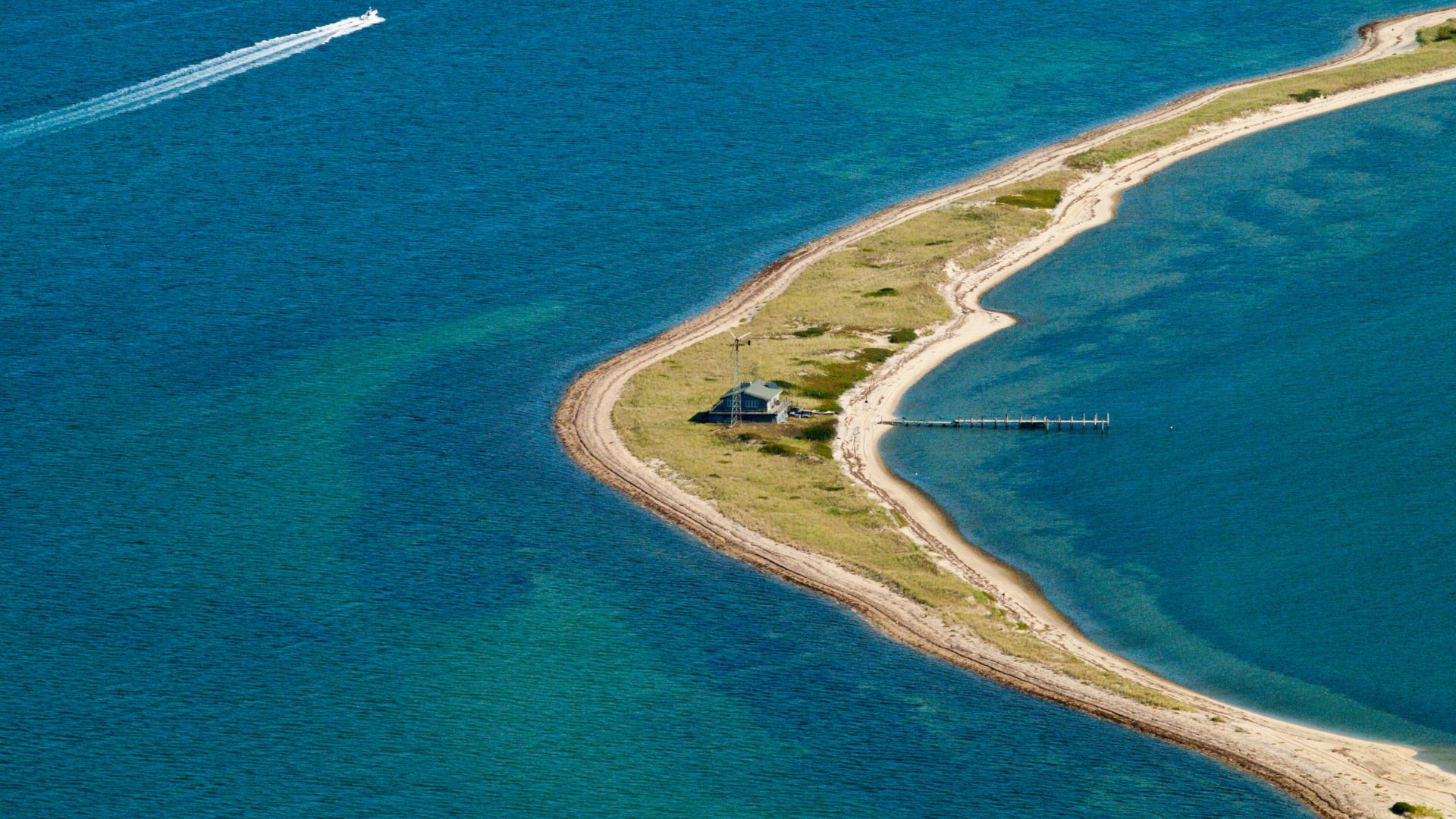
The drilling sites, located 20 to 30 miles off the Massachusetts coast, revealed a striking geological arrangement. A thick layer of fresh water sits beneath salty sediment, separated by an impermeable seal of clay and silt. “We have a seal at the top that keeps the seawater above from the fresh water below,” Dugan said.
This seal is strong enough to separate the two layers now, but it wasn’t robust enough to stop a glacier from forcing water down through it, if that is what happened. “Whatever emplaced that water didn’t care if there was a seal,” Dugan said. “There was enough energy to flush it with fresh water.” The evidence suggests a mixed system where glacial meltwater combined with rainfall. “You can imagine that in front of a glacier you have rainfall, so it’s probably a mixed system,” he said.
Salinity measurements revealed a clear pattern across the drilling sites. The location closest to Nantucket and Martha’s Vineyard measured just 1 part per 1,000, the maximum safe limit for drinking water. Salt content increased with distance from shore, reaching 4 to 5 parts per 1,000 at the middle site and 17 to 18 parts per 1,000 at the farthest location, about half the ocean’s average.
Salt Content Measurements Show Freshness Decreases with Distance from Shore
“The important part was we collected all the samples we need to address our primary questions,” Dugan said. The team ensured environmental protection throughout the process. “When we’re done drilling, and we pull our equipment out, the holes collapse back in and seal themselves up,” preventing any contamination or mixing of the freshwater and saltwater layers.
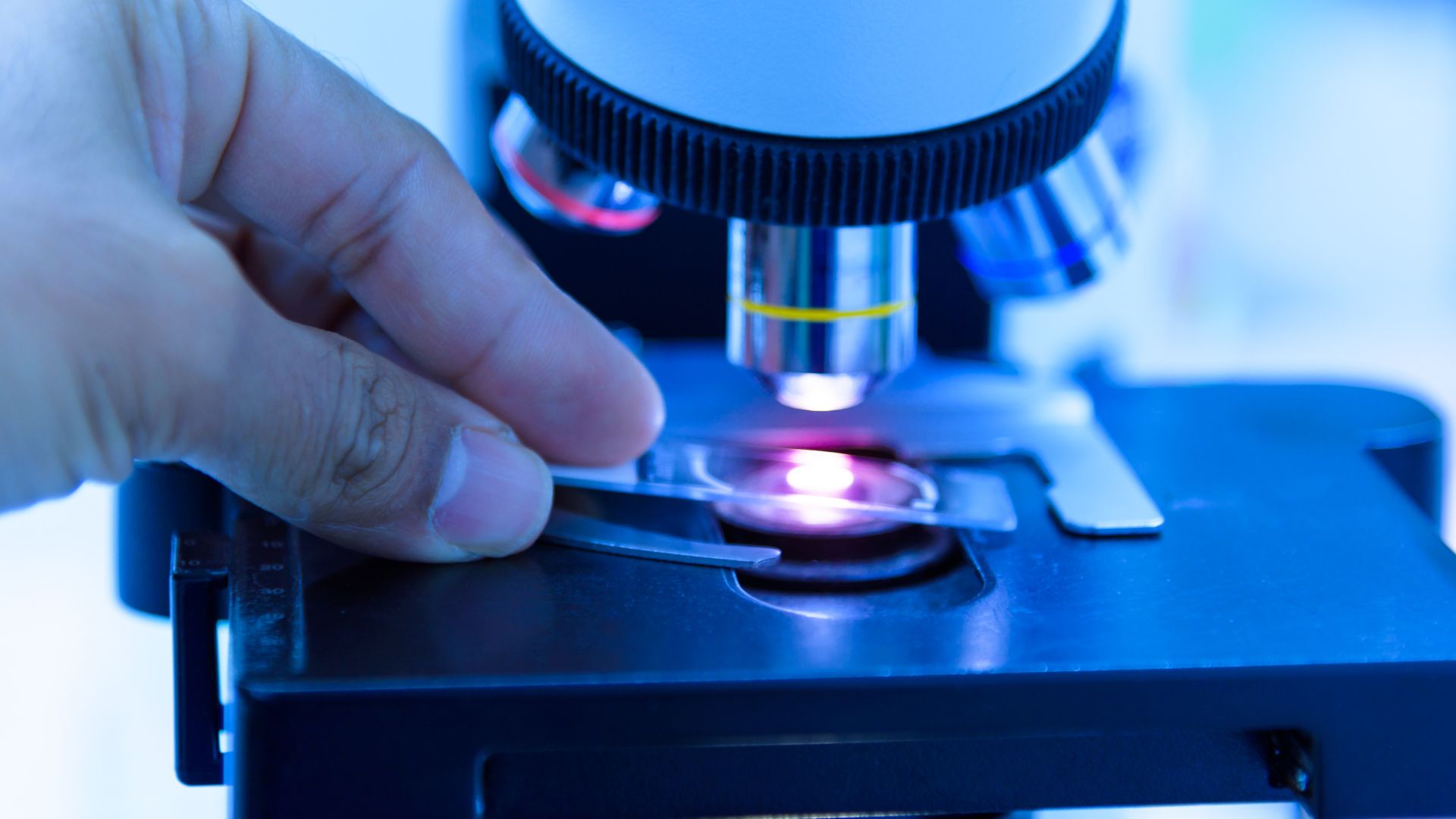
Researchers are now conducting detailed studies of microbes, rare earth elements, and pore space to better estimate the reservoir’s total size. They’re also dating the sediments to narrow down the formation timeline. More definitive results about how and when the reservoir formed are expected in about one month, Dugan said.
The research aims to provide crucial baseline data for future use. “Our goal is to provide an understanding of the system so if and when somebody needs to use it, they have information to start from,” Dugan said. After more than 20 years since rediscovering the original USGS records, the team is finally unlocking the secrets of this ancient water source hidden beneath the Atlantic.