‘I Started Crying’: Doctors Celebrate Experimental Drug That ‘Nearly Doubles’ Pancreatic Cancer Survival


For decades, pancreatic cancer has been one of medicine’s most frustrating adversaries. Patients are often diagnosed after the disease has already spread, treatment options remain limited, and survival rates have historically lagged far behind those of many other major cancers. That is why a recent clinical trial result sparked an emotional reaction rarely seen in oncology.
“Having treated pancreatic cancer for 16 years, I actually started crying,” said Dr. Rachna Shroff of the University of Arizona Cancer Center after reviewing the findings. Her response captured the mood among many cancer specialists who have spent years searching for meaningful advances against one of the deadliest forms of the disease.
The excitement centers on an experimental oral drug called daraxonrasib. In a large international Phase 3 clinical trial involving 500 patients with metastatic pancreatic cancer, the medication nearly doubled median overall survival compared with standard chemotherapy. For many researchers, the results represent one of the most significant developments in pancreatic cancer treatment in years.
Why the Results Are Turning Heads Across Medicine

The numbers behind the trial help explain why the findings generated such enthusiasm. Patients who received daraxonrasib lived a median of 13.2 months, compared with 6.7 months for those treated with chemotherapy. Researchers also reported that the drug reduced the risk of disease progression, with progression-free survival reaching 7.2 months versus 3.6 months in the chemotherapy group.
Equally notable was the drug’s effect on tumors. More than 31% of patients experienced substantial tumor shrinkage or disappearance, compared with just over 11% among those receiving chemotherapy. Researchers also found that patients generally tolerated the treatment well, with a manageable safety profile and fewer severe side effects than traditional chemotherapy.
For a disease where even incremental gains are celebrated, many specialists see these results as a major leap forward. Dr. Zev Wainberg, a co-leader of the study, described the findings as a potential paradigm shift for patients with advanced pancreatic cancer, while other experts called the results extraordinarily encouraging for a field that has long lacked effective treatment breakthroughs.
The Science Behind a Once-‘Undruggable’ Target
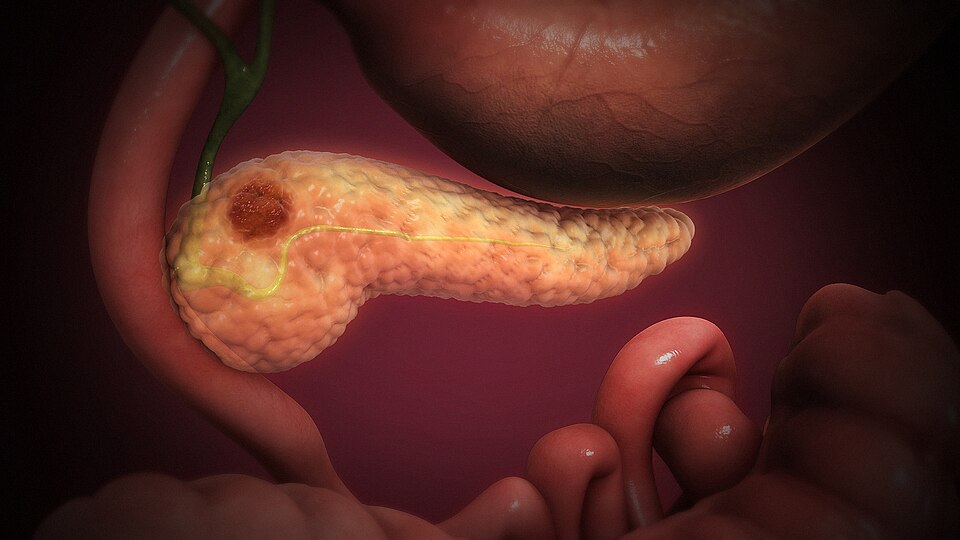
The breakthrough is rooted in decades of research focused on a gene known as KRAS. More than 90% of pancreatic cancers contain mutations in KRAS or related RAS-family genes, which act like molecular switches controlling cell growth. When mutated, these switches can become permanently stuck in the “on” position, fueling uncontrolled cancer growth. For years, scientists viewed these mutations as effectively untouchable. The structure of RAS proteins made them extraordinarily difficult to target with medicines, earning them a reputation as one of cancer research’s most elusive challenges.
Daraxonrasib belongs to a new generation of drugs designed specifically to overcome that obstacle. Researchers describe the drug as functioning like a molecular glue. By attaching to active RAS proteins and preventing them from sending growth signals, the treatment interrupts one of the disease’s primary drivers. The success of the trial suggests that decades of laboratory work targeting these mutations may finally be translating into meaningful benefits for patients.
The implications extend beyond pancreatic cancer. Daraxonrasib is already being studied in lung, colorectal, ovarian, endometrial, and bile duct cancers that share similar RAS-driven mutations, raising hopes that the approach could have applications across multiple cancer types.
A New Chapter, but Not Yet the Final Answer

Despite the enthusiasm, researchers are careful to emphasize that daraxonrasib is not a cure. Pancreatic cancer remains a formidable disease, and most patients eventually develop resistance to treatment. Still, experts say the findings demonstrate that significant progress is possible against a cancer that has often seemed resistant to innovation. The Food and Drug Administration has already granted the drug Breakthrough Therapy designation and is expediting its review.
An expanded-access program is also allowing some eligible patients to receive the treatment before formal approval. As a result, oncologists report growing interest from patients eager to explore whether the therapy may be an option for them. Researchers are now studying whether the drug could be used earlier in treatment, potentially shrinking tumors enough to make surgery possible for more patients. At the same time, scientists continue exploring additional approaches, including therapies that modify the tumor environment and cancer vaccines designed to prevent recurrence.
For patients facing a diagnosis that has historically offered few reasons for optimism, the significance of the trial may be measured not only in months gained, but in the renewed belief that pancreatic cancer is no longer beyond the reach of meaningful scientific progress.