Hundreds of Foreign-Trained Doctors Face Visa Delays, Threatening Care in Underserved Areas


Hundreds of foreign-trained doctors working in the United States are now caught in a growing visa backlog that experts warn could seriously disrupt healthcare access in underserved communities. Many of these physicians completed years of medical training in U.S. hospitals and had already accepted jobs in rural clinics and struggling healthcare systems. But delays in processing key visa waivers and immigration applications are leaving many in limbo, threatening to remove critical medical staff from areas already facing severe doctor shortages.
Why Foreign-Trained Doctors Matter So Much
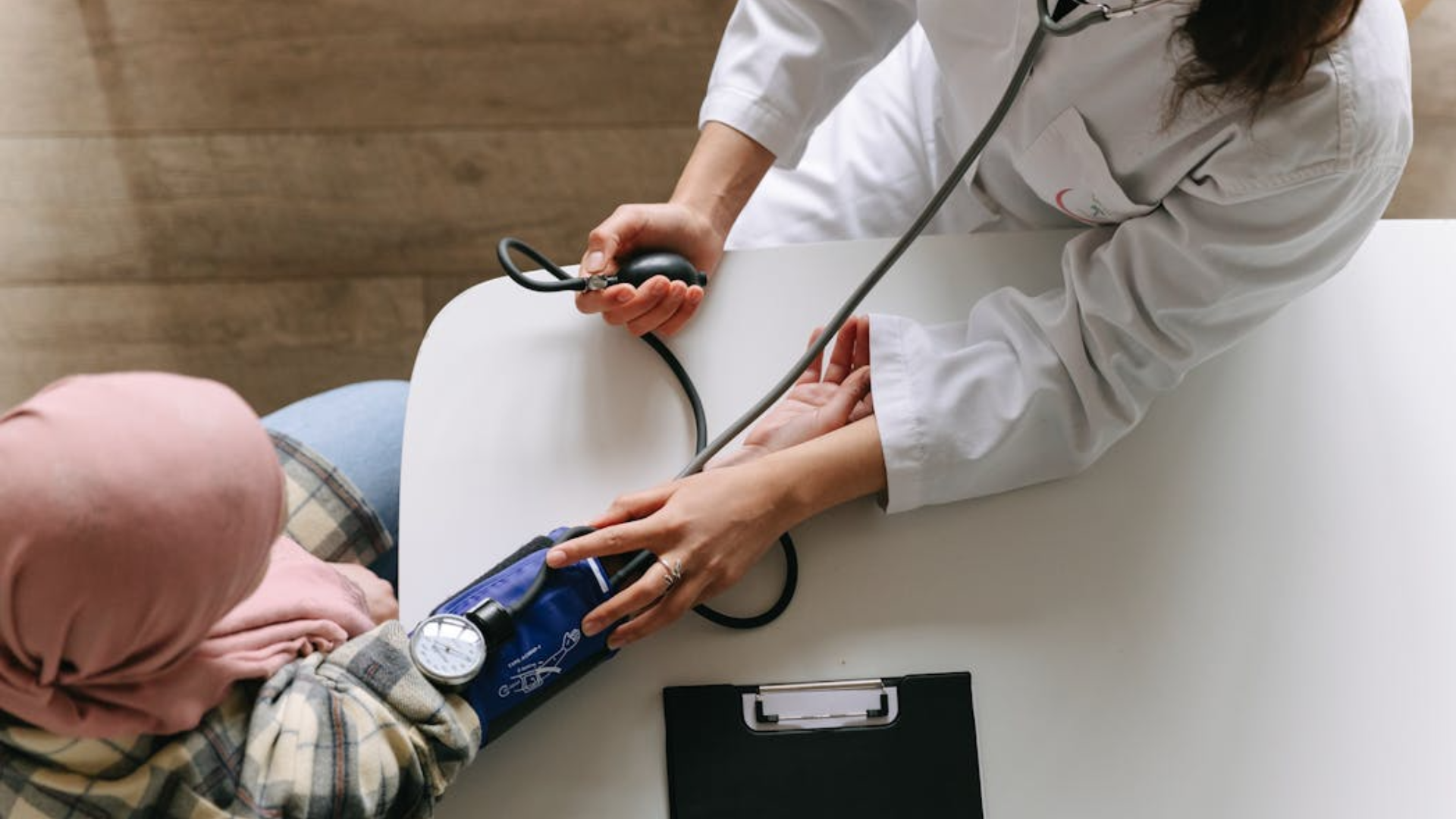
International medical graduates play a major role in the U.S. healthcare system, especially in rural and underserved communities where recruiting doctors is often difficult. According to medical organizations, nearly one-quarter of practicing physicians in the United States were trained abroad, and a large percentage of them work in areas with persistent physician shortages.
The Problem Centers on Visa Delays
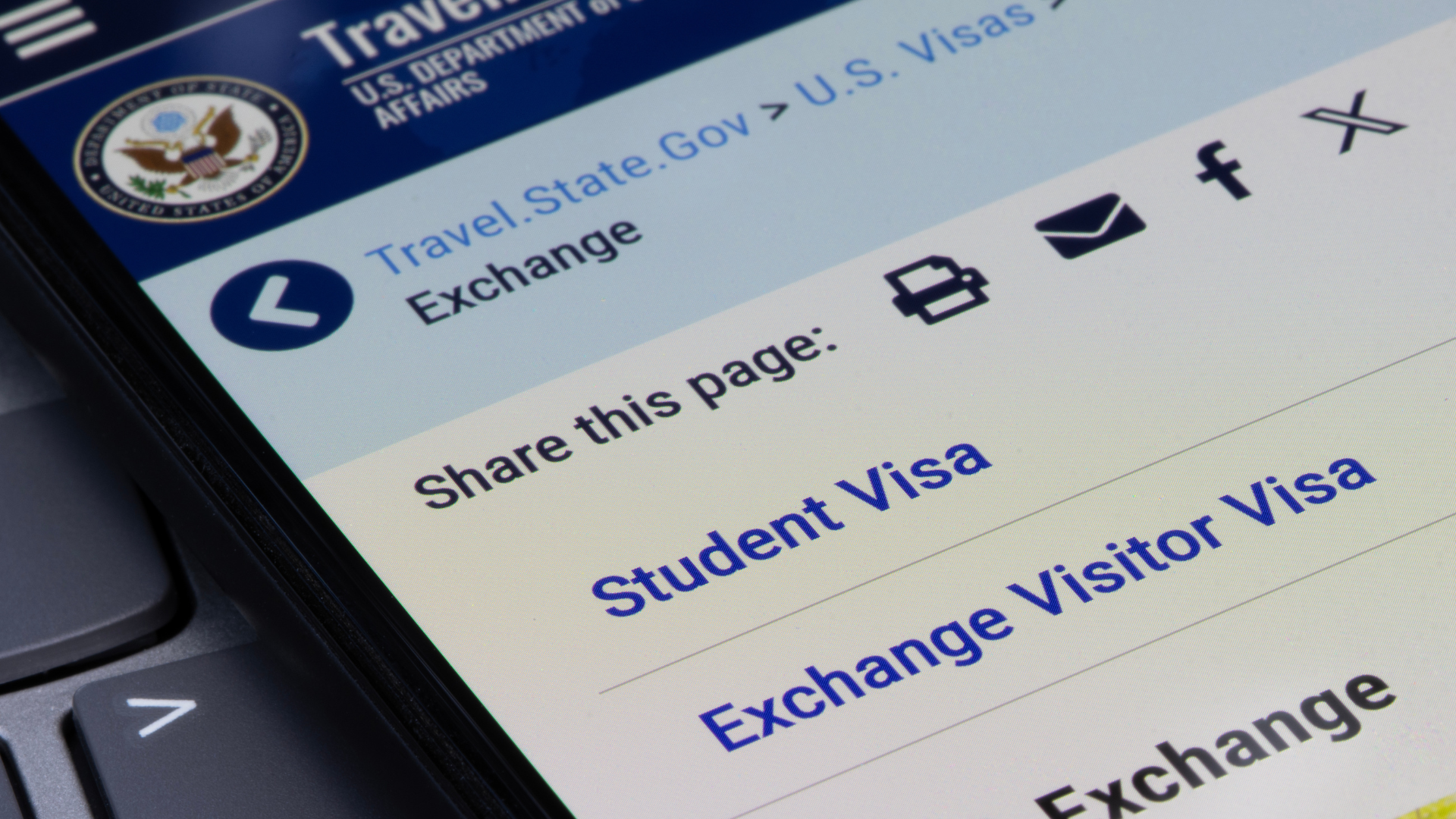
The current crisis stems from major delays in processing J-1 visa waivers and related immigration applications. These waivers allow foreign-trained physicians who completed U.S. residencies to remain in the country if they agree to work in medically underserved areas for at least three years. Immigration attorneys say applications that once took weeks are now stalled for months.
Doctors Could Be Forced to Leave the Country

Without timely approvals, many physicians may be forced to leave the U.S. entirely once their current visas expire. Experts warn that some doctors could lose their positions just weeks before they are scheduled to begin serving patients in hospitals and clinics that were depending on them.
Rural Communities Face the Biggest Risk

The impact is expected to hit rural America especially hard, where healthcare shortages are already severe. Many small towns rely heavily on immigrant physicians to staff emergency rooms, primary care clinics, and specialty services. In some rural counties, foreign-trained doctors make up a disproportionately large share of the available healthcare workforce.
Patients Could Lose Access to Essential Care
Healthcare leaders warn that patients, not just doctors, could suffer the most if the backlog continues. Clinics may struggle to stay open, appointments could become harder to get, and vulnerable populations may lose access to mental health, primary care, and chronic disease treatment. Some experts fear entire communities could temporarily lose physician coverage altogether.
Doctors Say the Delays Are Creating Fear and Uncertainty

Many affected physicians say the delays are causing intense uncertainty about their futures, careers, and families. Some doctors who have spent years training in the U.S. now worry they may be forced to leave despite having signed employment contracts and committed to serving high-need communities.
Some Visa Restrictions Have Recently Been Eased
In response to growing criticism from hospitals and medical groups, the federal government recently lifted part of a visa processing freeze for physicians. Officials acknowledged that the delays were worsening staffing shortages and creating risks for healthcare access, particularly in underserved areas. However, many applications remain unresolved, and uncertainty continues for hundreds of doctors.
Medical Groups Are Urging Faster Action

Major medical organizations have urged federal agencies to speed up visa processing and create exemptions for healthcare workers. They argue that delays affecting physicians are not just immigration issues but public health concerns, especially as the U.S. continues struggling with physician shortages nationwide.
A Growing Healthcare Problem Beyond Immigration

The visa backlog is highlighting a deeper issue within the U.S. healthcare system: growing dependence on foreign-trained physicians to fill critical staffing gaps. As shortages worsen in rural and underserved communities, experts warn that immigration delays could become a major healthcare crisis rather than simply a bureaucratic problem. For many patients, access to care may ultimately depend on whether these doctors are allowed to stay and practice.