Huge Piece of a SpaceX Rocket Has Crashed Into the Moon
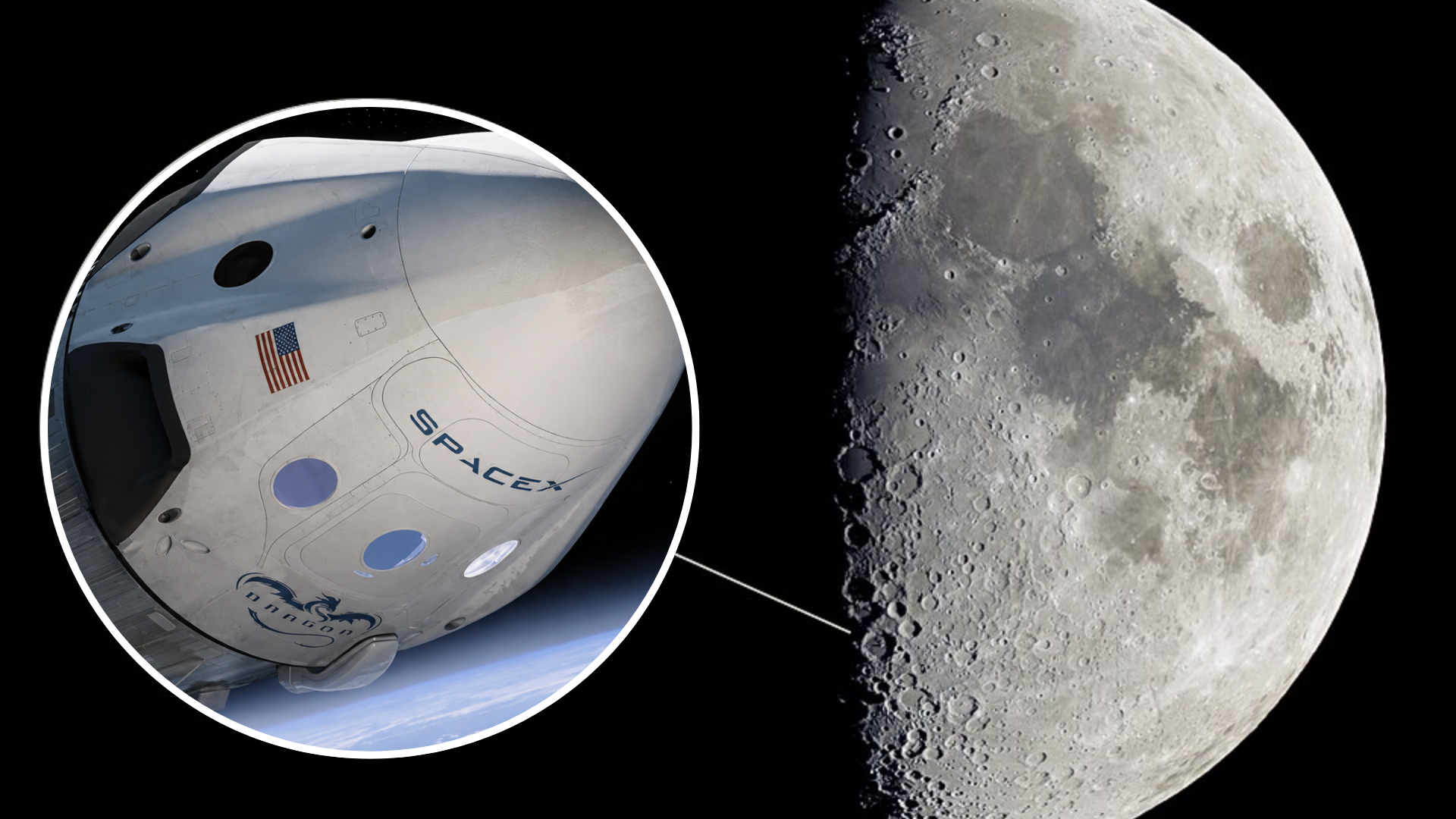

A four-tonne chunk of a SpaceX rocket just gave the moon a brand new scar. Early Wednesday morning, the abandoned upper stage of a Falcon 9 slammed into the lunar surface at 5,400 miles per hour, striking with the force of roughly three tons of TNT. NASA confirmed the impact happened near Einstein Crater on the moon’s western edge, at exactly 2:35 a.m. ET.
The object had been drifting through space for more than a year and a half with nowhere to go. It launched in January 2025 carrying two commercial lunar landers, Firefly Aerospace’s Blue Ghost and ispace’s Resilience, before its job was finished and it was left adrift.
Solar activity and gravity slowly nudged the roughly 8,800-pound rocket body toward the moon over the following months. Julianna Scheiman, SpaceX’s director of NASA science and Dragon programs, told reporters that “a mixture of solar activity and gravity forces” put the stage on its collision path. Nobody at SpaceX could stop it once it was set.
Einstein Crater Impact: How Big a Hole Did It Leave
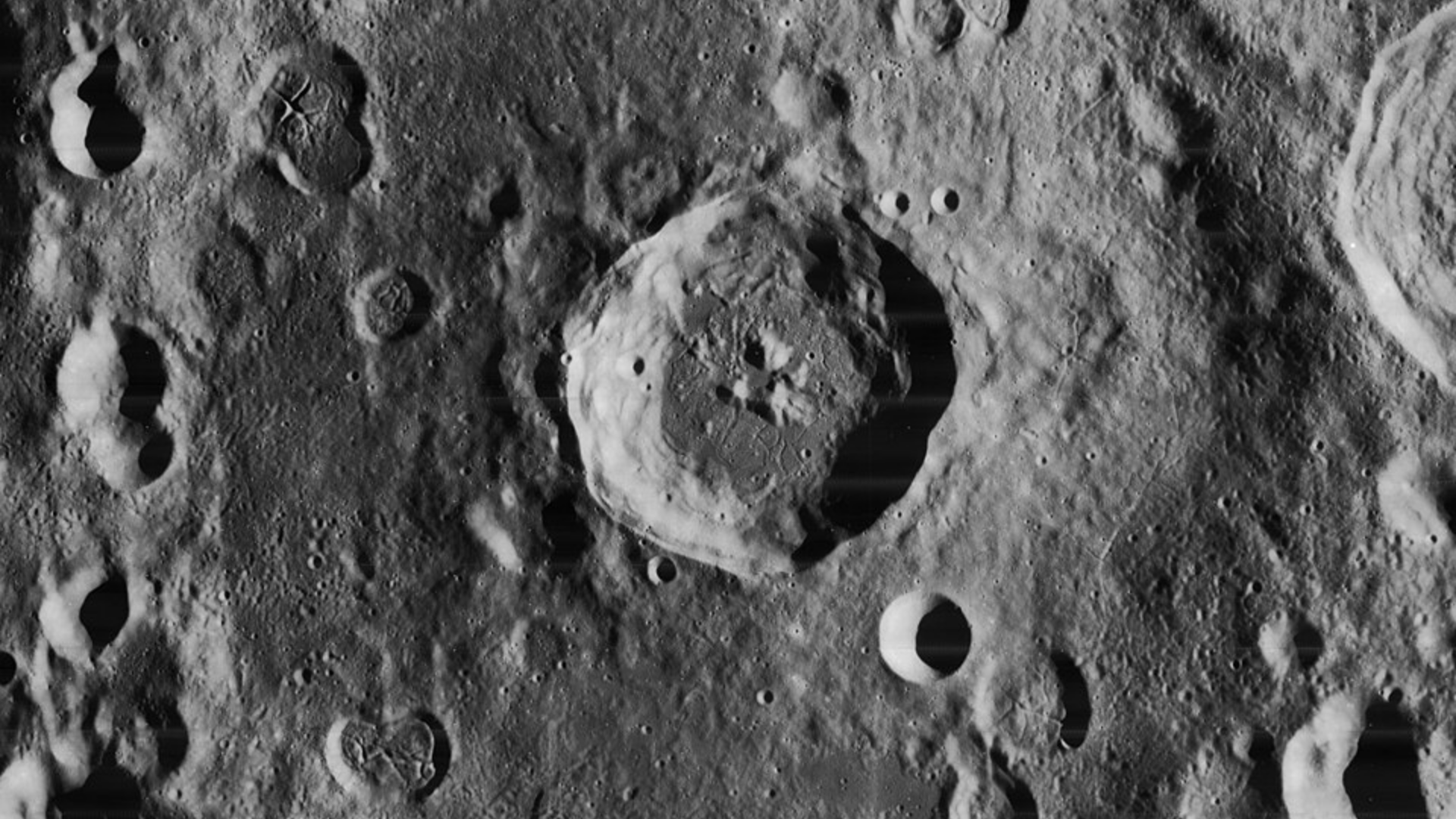
The rocket body was massive by orbital debris standards, roughly the size of a school bus at nearly 40 feet long. Despite that size, NASA estimated the resulting crater at only about 18 meters wide and 4 meters deep, since the hollow stage doesn’t dig in like a solid object would.
The strike happened on the moon’s far western limb, largely out of view from Earth. No flash was visible to the naked eye, and most observers on the ground had no way to watch it happen in real time.
Two spacecraft already orbiting the moon had a much better seat. NASA’s Lunar Reconnaissance Orbiter and South Korea’s Danuri, both stationed in lunar orbit, adjusted their instruments to document the impact site as it happened, hunting for before and after evidence of a fresh crater.
Astronomer Bill Gray Tracked This Rocket for Months
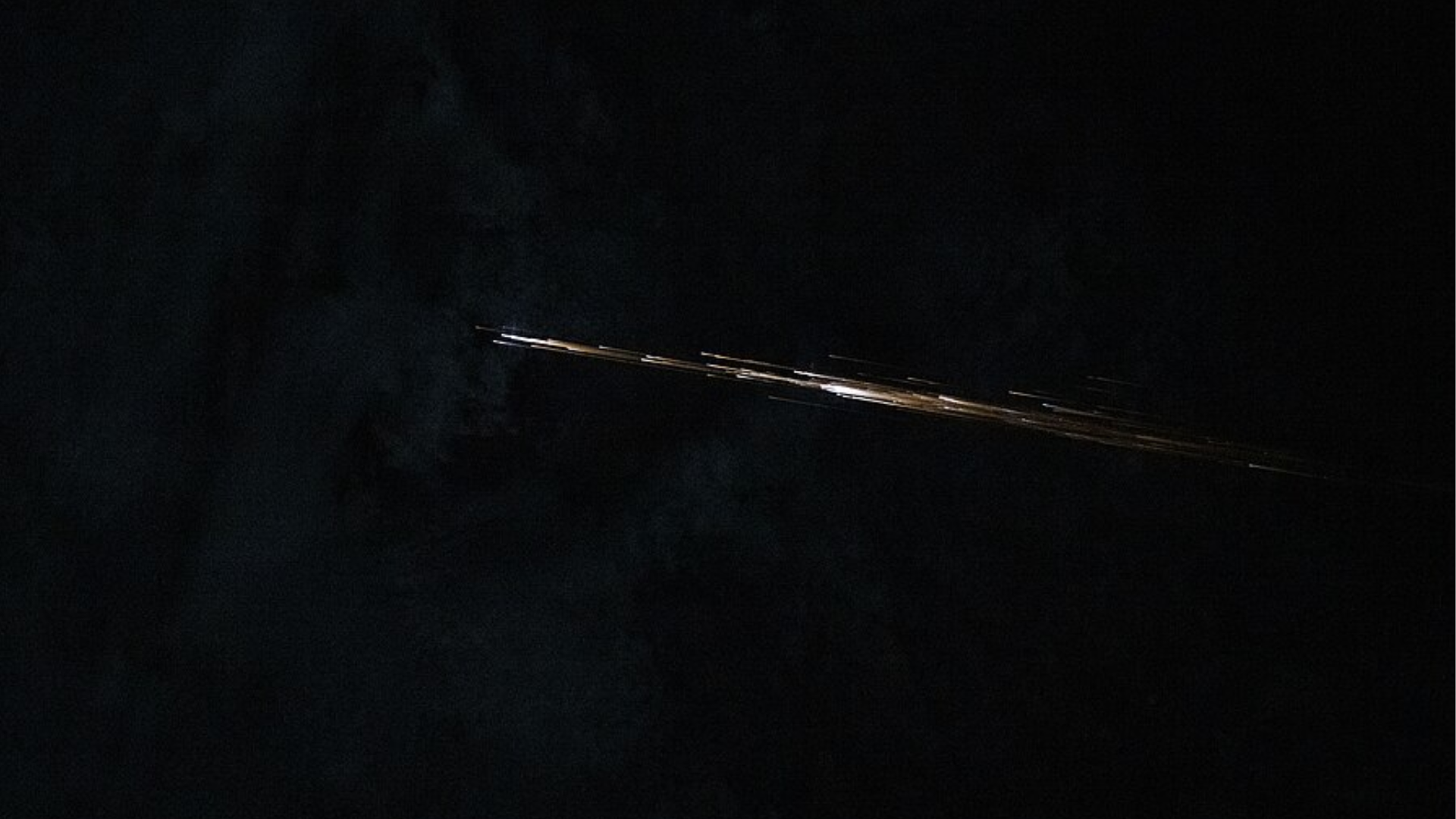
Independent astronomer Bill Gray had been tracking the doomed rocket body for months before it hit, refining predictions on exactly when and where impact would occur. His work, along with new observations from other trackers, helped pin the collision to within seconds and kilometers of accuracy.
Gray downplayed any threat from the crash itself but pointed to a bigger issue behind it. He said the event “doesn’t present any danger to anyone, though it does highlight a certain carelessness about how leftover space hardware is disposed of.”
That carelessness isn’t new. According to EarthSky’s coverage, a Chinese rocket body was originally misidentified as a SpaceX Falcon 9 stage before crashing into the moon’s far side back in March 2022, leaving behind a strange double crater that took researchers over a year to correctly trace back to its actual Chinese origin.
Why NASA Isn’t Worried About This SpaceX Crash
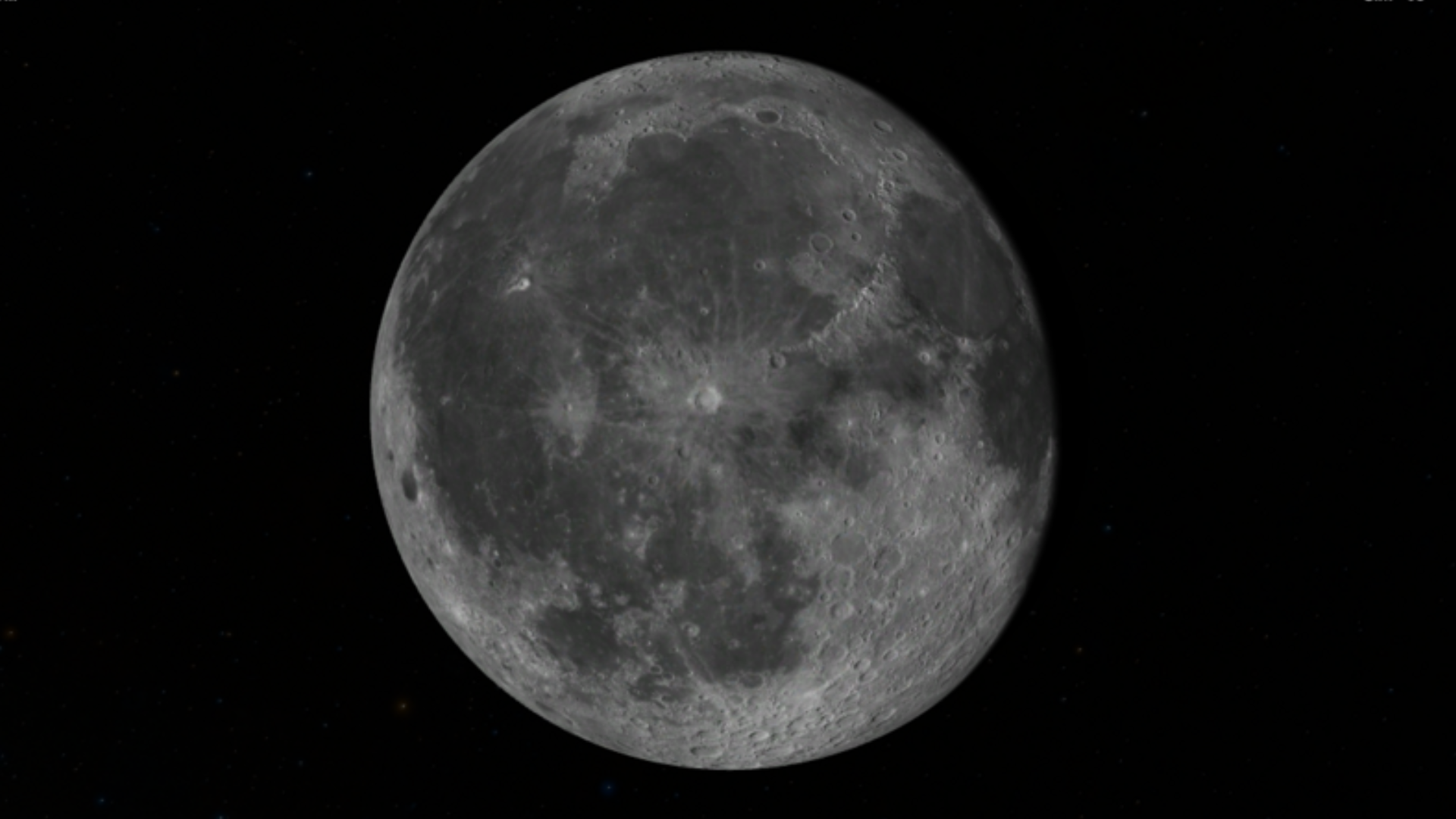
NASA has been quick to stress that Wednesday’s impact posed zero danger to Earth or to any spacecraft nearby. Officials noted that natural impacts of similar scale aren’t even rare on the unshielded lunar surface, unlike this deliberate tracking of a human-made object.
NASA said a meteoroid carrying the same energy as the rocket stage strikes the moon roughly every six days, putting Wednesday’s event in a familiar range of impact energy, just from an unfamiliar source.
NASA Administrator Jared Isaacman addressed the crash directly on television that same morning. He called Falcon 9 stages hitting the moon rare and said “it’s not a big deal right now,” pointing to SpaceX’s broader track record of recovering hundreds of boosters instead of losing them to orbit. As NASA and other agencies push toward permanent lunar bases within the decade, every rocket body left drifting in space becomes one more variable that engineers will need to account for before astronauts start living there full-time.