Honda Recalls Nearly 99,000 Vehicles as Airbag Defect Raises Driver Safety Concerns

Honda is recalling nearly 99,000 vehicles in the United States after discovering a defect that could affect how airbags deploy during a crash. According to recall documents filed with the National Highway Traffic Safety Administration (NHTSA), a component inside the front passenger seat weight sensor may crack and develop an internal short circuit over time. If that happens, the system may incorrectly determine whether an airbag should deploy, creating a potential safety risk for occupants. The recall affects both Honda and Acura vehicles spanning multiple model years and is one of the automaker’s largest safety actions this year.
What Caused the Recall
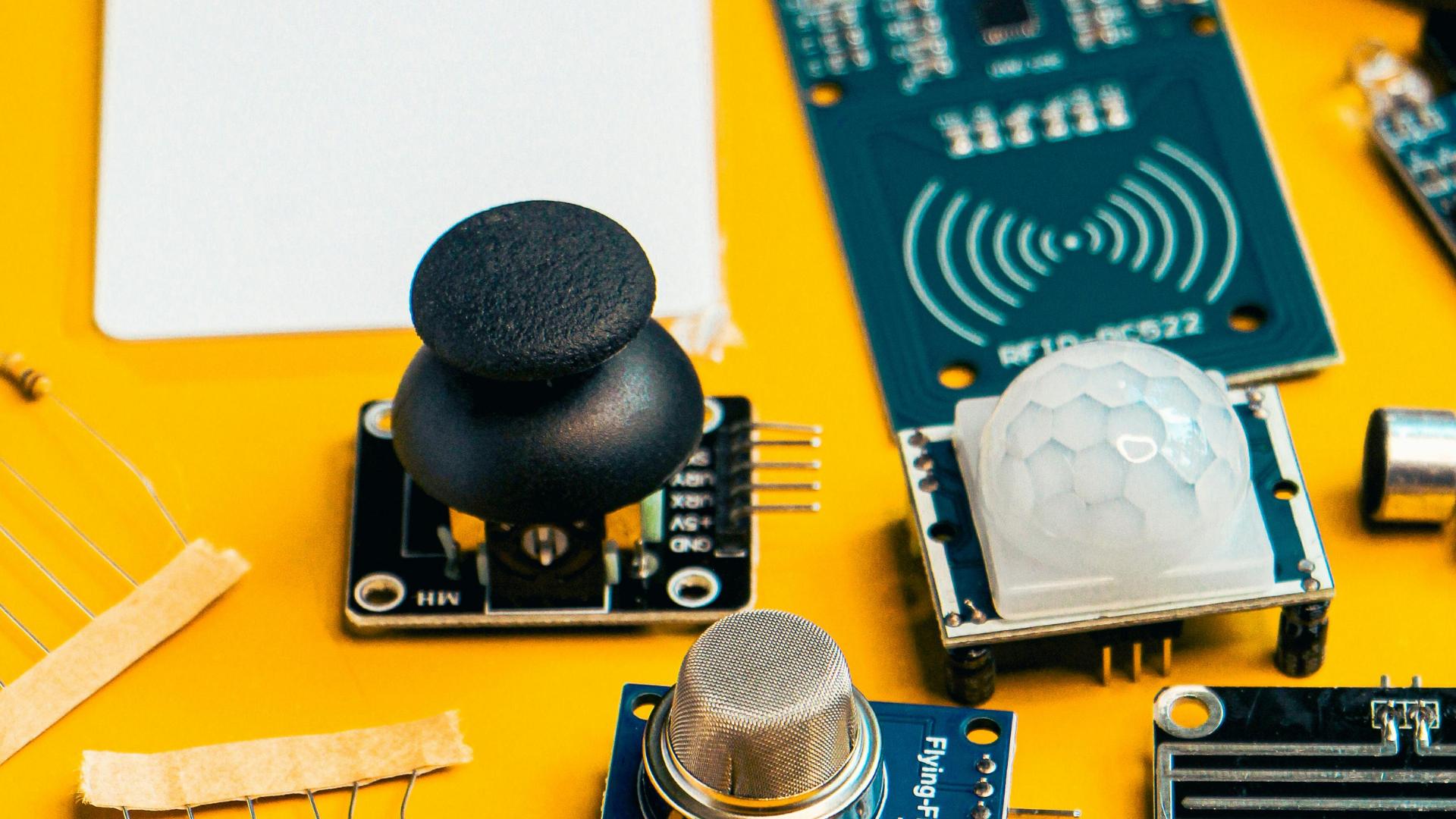
The problem centers on the front passenger seat weight sensor, a critical component that helps determine whether the front passenger airbags should deploy during a collision. Investigators found that a capacitor inside the sensor’s printed circuit board can crack when exposed to humidity and normal aging conditions. Once damaged, the component may short-circuit and send incorrect information to the vehicle’s airbag control system. Honda says the issue originated with the material used in the sensor assembly.
Why the Defect Is Considered Dangerous
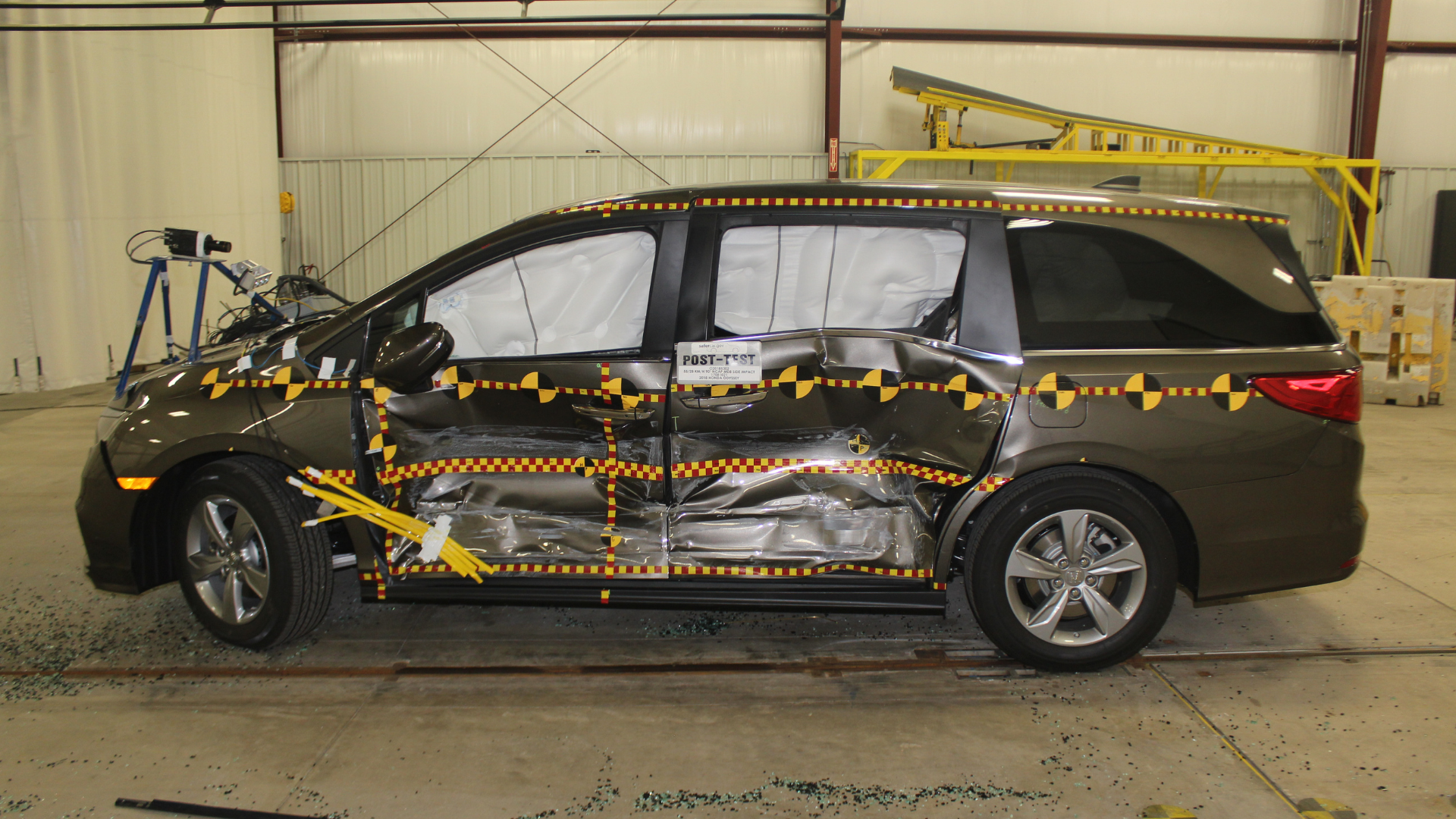
The defective sensor may cause airbags to deploy when they should remain suppressed. Federal regulators say the malfunction could incorrectly identify a child, infant in a car seat, or smaller passenger as an adult. In those situations, airbags and knee airbags could deploy with significant force, potentially increasing the risk of injury instead of preventing it. Because airbags are designed around occupant size and seating position, accurate sensor data is essential for safe operation.
Nearly 99,000 Vehicles Are Affected
The recall covers approximately 98,892 vehicles across Honda and Acura brands. Affected vehicles range from model year 2016 through 2026 and include popular models such as the Honda Accord, Civic, CR-V, Pilot, Passport, Odyssey, Ridgeline, HR-V, Fit, and Insight, along with Acura TLX, RDX, and MDX models. Because many of these vehicles remain among Honda’s best-selling products, the recall reaches a broad group of owners nationwide.
The Recall Expands an Earlier Investigation

Honda first began investigating the issue in 2024 after reports suggested problems with certain seat weight sensors. Regulators later determined that additional vehicles may have been equipped with the same potentially defective parts. The current action expands a previous recall after investigators concluded that supplier records and production tracking did not fully identify every affected vehicle during the earlier review process.
No Injuries Have Been Reported So Far

Despite the seriousness of the defect, Honda and federal regulators have not reported any confirmed injuries, fatalities, or crashes directly linked to this specific issue. However, the company received numerous warranty claims associated with the sensor problem, prompting engineers to continue investigating. Safety experts note that recalls are often issued before injuries occur in order to eliminate risks before they lead to accidents.
Dealers Will Repair Vehicles Free of Charge
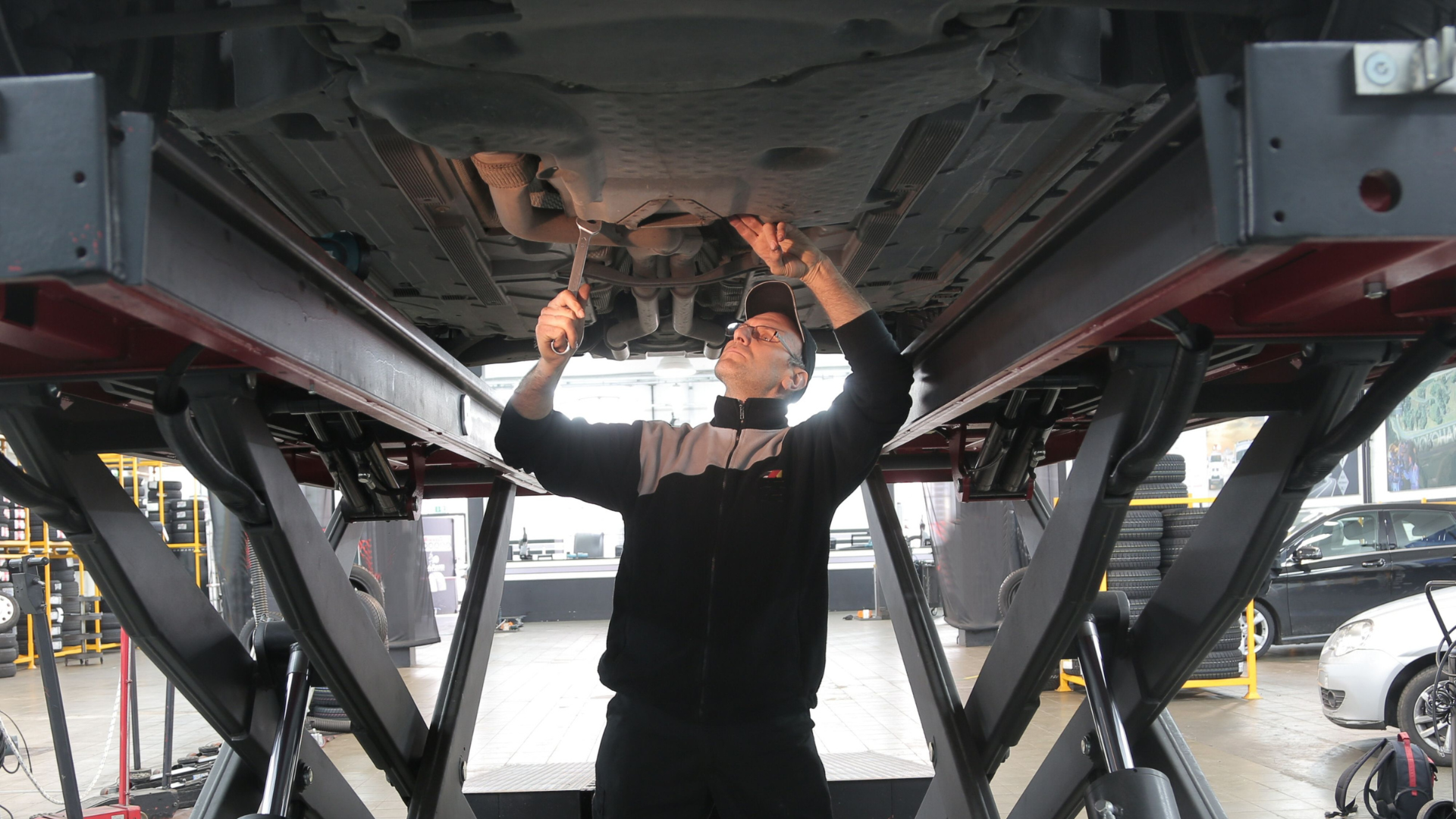
Honda dealers will replace the defective front passenger seat weight sensor at no cost to vehicle owners. The replacement part uses the correct base material designed to prevent the cracking issue identified in the recalled components. Like most safety recalls, all repair costs will be covered by the manufacturer, regardless of vehicle warranty status.
Owners Will Begin Receiving Notices Soon

Honda plans to begin notifying affected owners by mail starting July 6. Once notices arrive, drivers will be encouraged to schedule service appointments with authorized dealerships. Owners can also check their vehicle identification number (VIN) through Honda or NHTSA recall databases to determine whether their vehicle is included in the recall before receiving a letter.
Airbag Safety Remains Under Intense Scrutiny

Airbag systems remain among the most closely monitored safety technologies in the automotive industry. Past industry-wide airbag recalls have demonstrated how even small component failures can affect occupant protection during a crash. Because airbags work together with seat belts and crash sensors, manufacturers and regulators often act quickly when defects are discovered, even if no injuries have yet occurred.
What Drivers Should Do Next

Honda’s recall of nearly 99,000 vehicles highlights the importance of properly functioning airbag systems and occupant detection technology. While no injuries have been linked to the defect, the potential for incorrect airbag deployment prompted swift action from both Honda and federal regulators. Owners of affected vehicles should verify whether their vehicle is included in the recall and schedule repairs as soon as replacement parts become available. Addressing the issue promptly can help ensure that critical safety systems perform as intended when they are needed most.