Honda Lost Money for the First Time Since 1955, and Its EV Pullback Is to Blame

For the first time in seven decades, Honda is in the red. The Japanese automaker posted a net loss of roughly $2.7 billion for its fiscal year ending March 2026, marking its first annual loss in roughly 70 years. Behind the loss is a costly retreat from electric vehicles, one that erased what would have otherwise been a profitable year.
Honda took around $9 to $10 billion in restructuring charges tied to its EV investments, erasing what Honda reported would have otherwise been a $7.4 billion profit for the year. Honda said EV-related losses are expected to reach $16 billion in total, and warned of additional writedowns in the current fiscal year, though not enough to trigger another annual loss.
Honda had committed to going fully electric by 2040 and had set a goal for EVs to make up 20% of new car sales by 2030. Those targets are now off the table. CEO Toshihiro Mibe confirmed the company is pulling back on both goals, as weaker-than-expected EV demand and a shifting policy environment made the original plan increasingly difficult to sustain.
A Policy Shift That Changed the Math
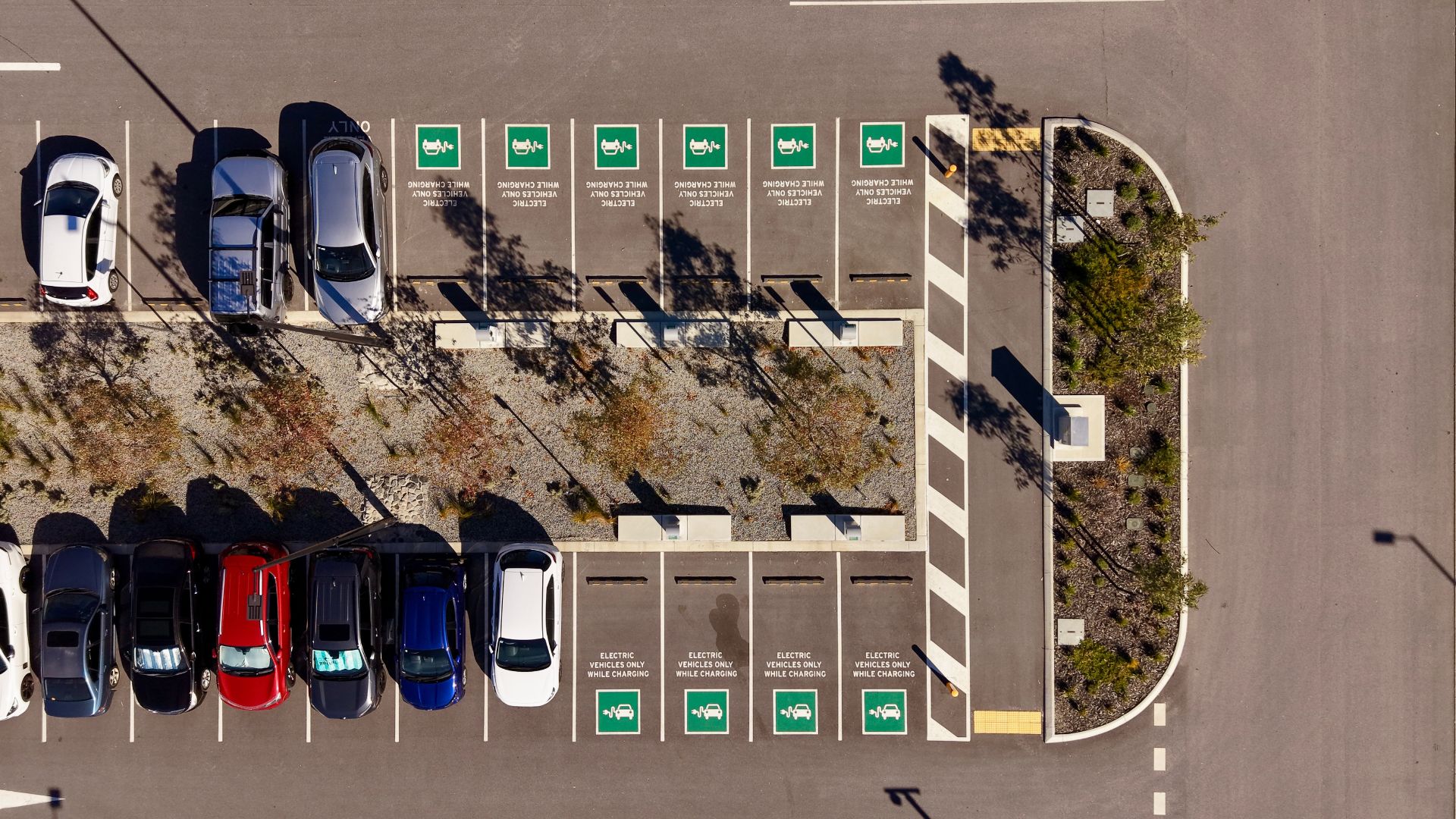
A major factor in Honda’s reversal was the rollback of U.S. EV policy under the Trump administration. A $7,500 federal tax credit for EV buyers was eliminated in September 2025, and tougher emissions standards put in place under the Biden administration were scrapped. EV sales fell sharply after the credit disappeared, and rising gasoline prices have not pushed American consumers back toward electric vehicles in meaningful numbers.
Honda was not alone in recalibrating. General Motors took a $7.2 billion charge in 2025 related to its own EV pullback, while Ford reported a $17.4 billion charge. Stellantis, which sells vehicles under the Jeep, Ram, Dodge, and Chrysler brands, posted charges of roughly $29.7 billion. Ford and Stellantis also reported net losses; GM managed to stay profitable despite the hit.
Tariffs on imported vehicles and auto parts added further pressure on Honda’s bottom line. The company cited both the loss of tax incentives and the tariff environment as contributing factors to its annual results, and even after rates were reduced from 25% to 15%, the impact on margins was real.
Honda Is Betting on What Still Works
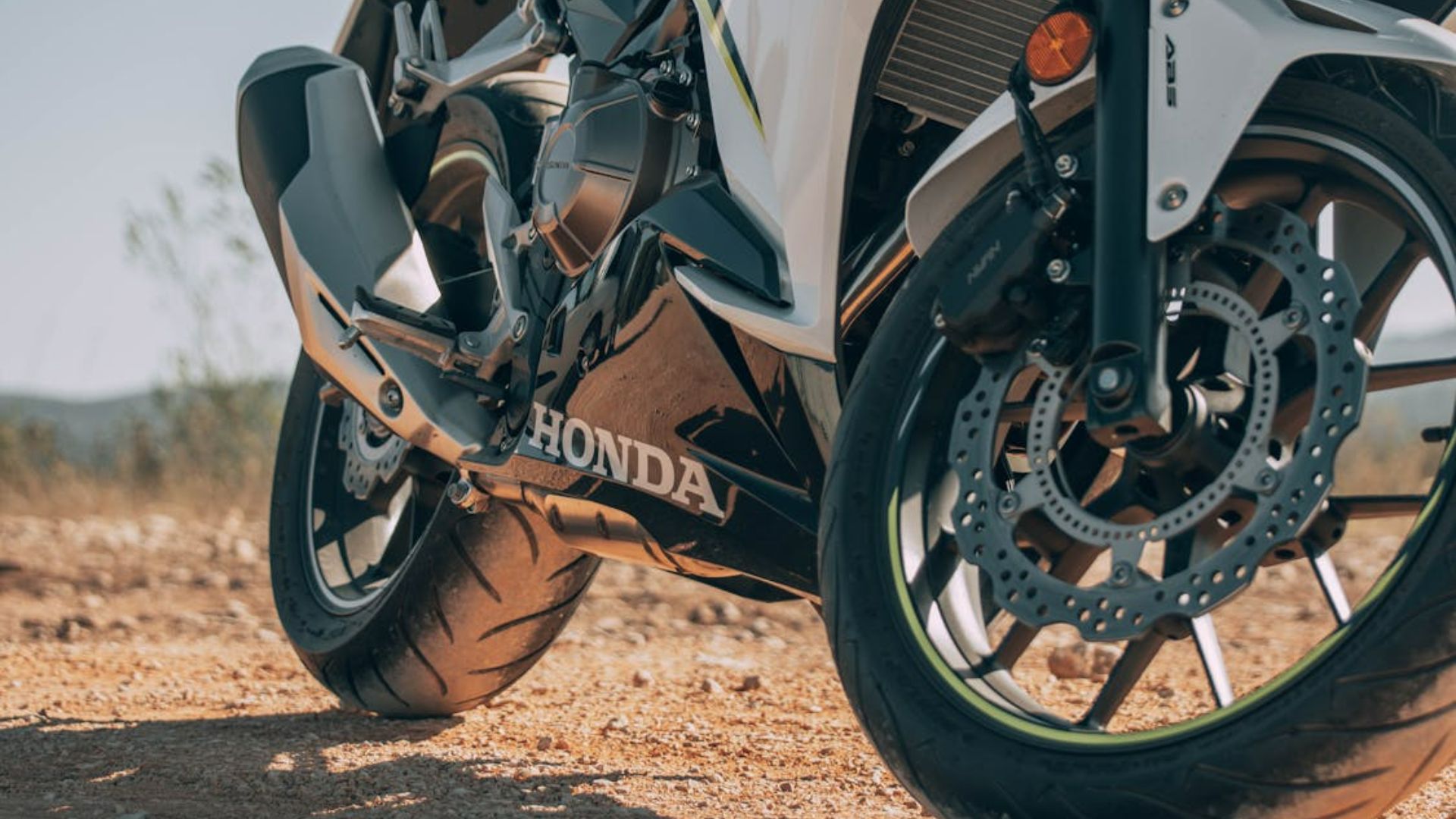
Honda is shifting its weight toward the parts of its business that are still delivering results. The company sold 20 million more motorcycles than it did the year before, a segment that generated around $138 billion in revenue for the fiscal year. Honda is the dominant motorcycle seller in several major markets, including India, which it has identified alongside North America and Japan as a priority market for future growth.
The company is also redirecting resources toward hybrid vehicles and its financial services arm. It plans to source more parts from China, where manufacturing costs are lower, to help manage expenses as it restructures. The suspension of its EV and battery production plans in Canada is part of the same broader effort to cut costs and concentrate investment where returns are more predictable.
Despite the loss, Honda is projecting a return to profitability. The company is forecasting a net profit of roughly $1.7 billion for the fiscal year ending March 2027. Mibe said Honda would continue working toward carbon neutrality and would keep investing in battery research, even as it acknowledges that hybrids and gasoline-powered vehicles will remain central to its lineup for the foreseeable future. “We will get back on a growth track,” Mibe said.
A Rough Road Shared by the Industry
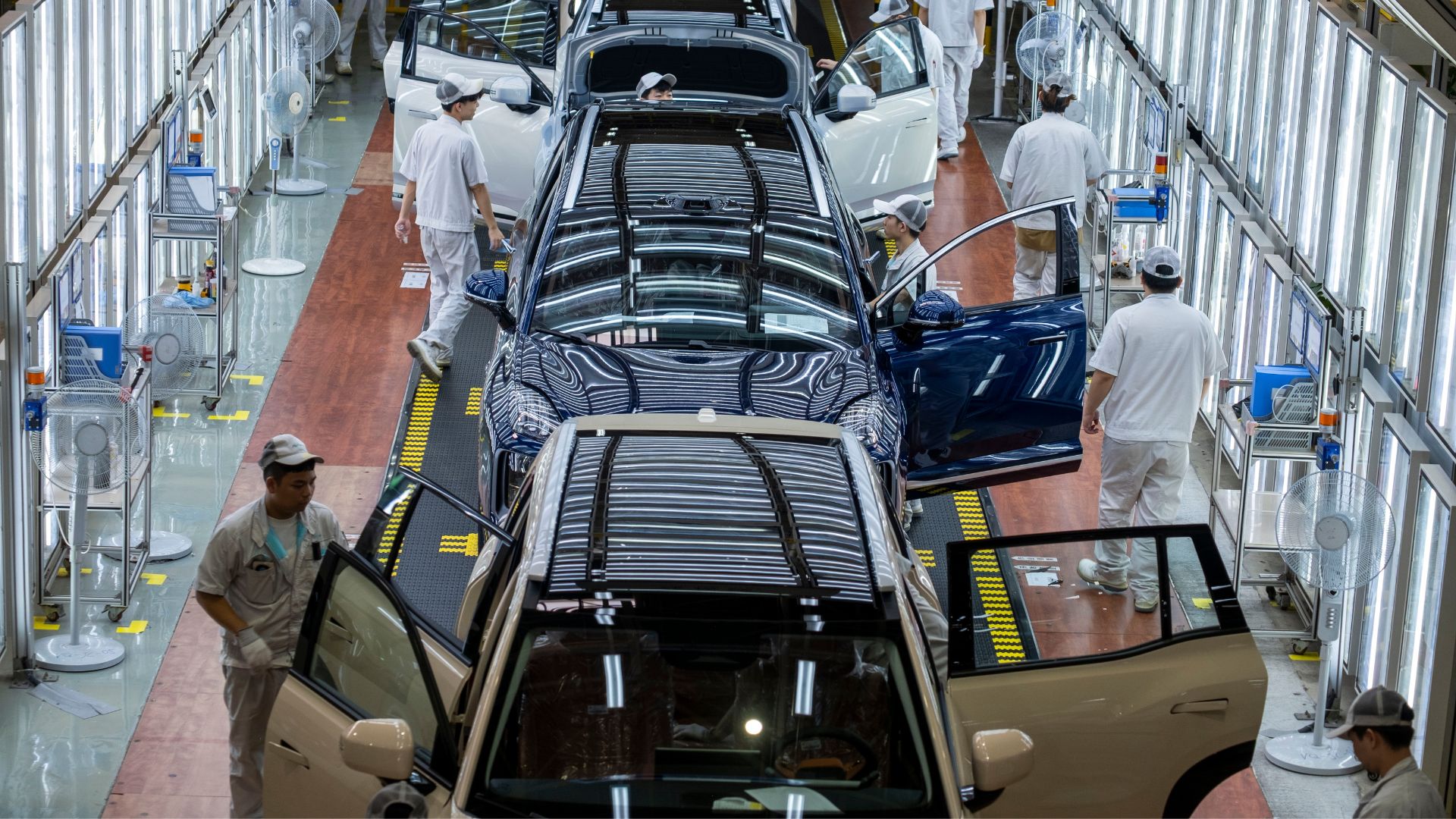
Honda’s situation reflects a wider reckoning across the global auto industry. Automakers spent years preparing for an EV-dominated market, pouring billions into production capacity and EV infrastructure, only to find that consumer demand moved more slowly than expected and that policy tailwinds shifted faster than many had anticipated. The financial fallout from that miscalculation is still playing out across balance sheets worldwide.
Competition from Chinese automakers, which have built cost-efficient EV lineups at scale, is also weighing on legacy manufacturers like Honda. While Chinese brands have a relatively limited presence in the American market for now, their growing role in the global EV space is a concern that legacy automakers cannot ignore, and catching up has meant absorbing significant losses in the process.
Danni Hewson, head of financial analysis at AJ Bell, called it “a bleak milestone for Honda but not a surprising one,” noting that legacy automakers broadly gambled on a faster consumer shift to EVs than materialized. She added that even with EV interest ticking up recently due to higher fuel prices, “companies like Honda are having to adapt on the fly, which is tough for businesses of this scale.” Hewson cautioned that the market still has plenty of uncertainty ahead, and whether Honda’s revised strategy holds up will determine how quickly it recovers.