Why Buying a Home in America is Now Out of Reach in All but Three States


Homeownership used to feel like something almost anyone with a steady paycheck could reach. A new study says that’s no longer true almost anywhere. Across the entire country, only three states currently meet the basic affordability standard for buying a home. That standard simply requires a mortgage payment to stay at or below 30% of a household’s median income. In 47 other states, that math no longer works. The gap between paychecks and home prices has grown wider than most people realize.
A Simple 30% Rule Just Eliminated Almost the Entire Country

Moving services firm HireAHelper built its study around a long-standing affordability benchmark. A home is considered affordable when the mortgage payment consumes 30% or less of a state’s median income. Using that measure, researchers found only three states currently qualify nationwide. “Across the country, the gap between what people earn and what it takes to buy a home is widening fast, pushing homeownership further out of reach for millions of Americans,” the study stated. That widening gap sits at the center of the entire report.
Louisiana Actually Leads the Nation in Home Affordability
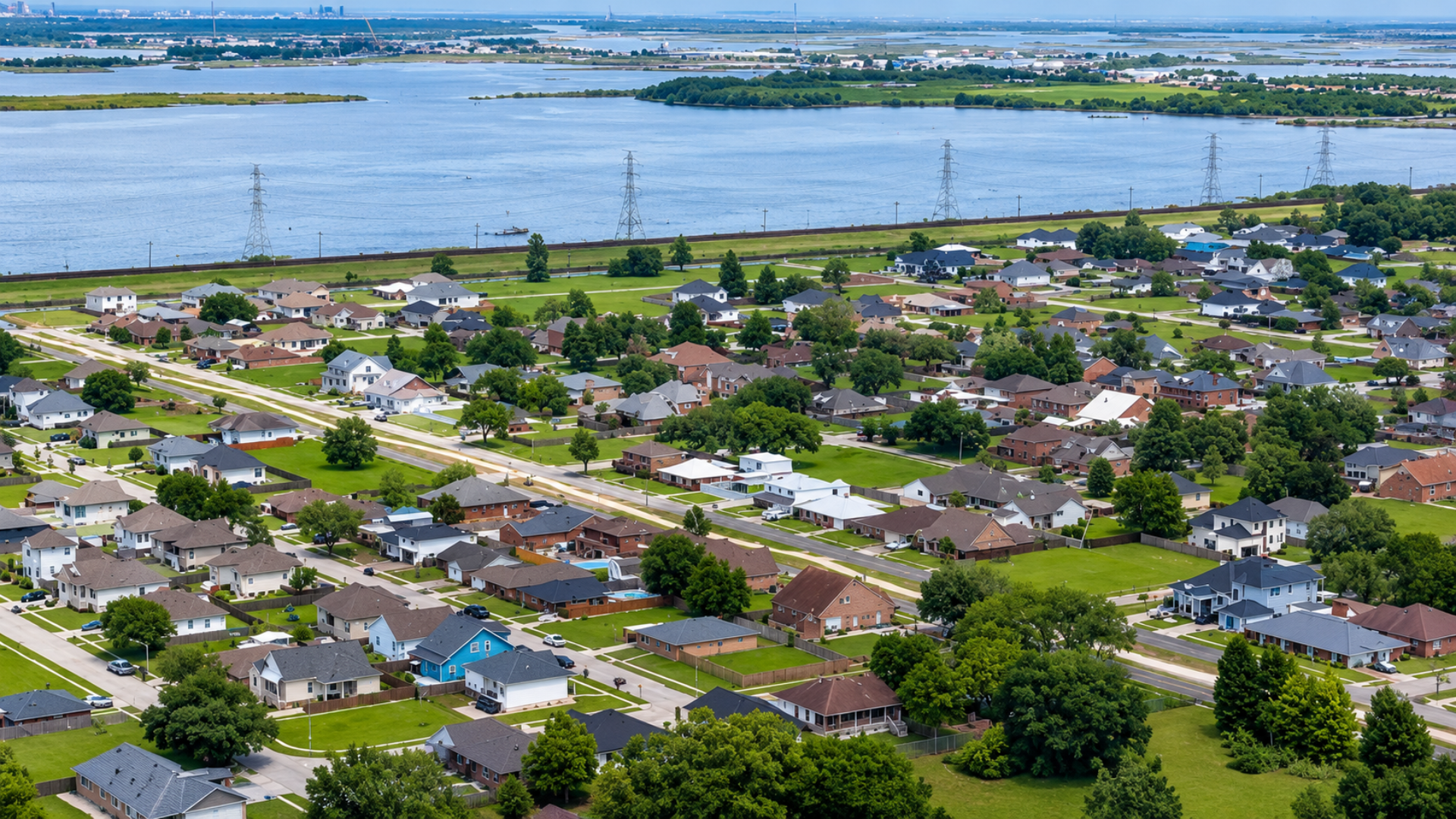
Louisiana claims the top spot among the three affordable states, according to the study. Homeowners there earn about $6,000 more annually than the median yearly cost of their mortgage. That surplus puts Louisiana in a category almost no other state currently occupies. Iowa and Minnesota rounded out the short list behind it. For residents in these three states, buying a home still fits comfortably within a traditional household budget.
Affordability in These States Comes With a Real Catch

HireAHelper’s researchers were careful not to paint these three states as simply better places to build a life. “Affordability comes with tradeoffs,” the study noted directly. Many of these markets have fewer major job centers, slower population growth, and more modest wage gains, according to the report. That combination can limit long-term economic opportunity for residents even as their housing costs stay manageable. Cheaper homes, in other words, often come paired with fewer career paths nearby.
California Tops the List of Least Affordable States by a Wide Margin
On the opposite end of the spectrum, California stands out as the most unaffordable state in the entire study. Residents there would need a $103,216 income increase just to meet the 30% affordability threshold. Rhode Island followed closely behind, requiring an $86,810 pay increase to hit that same benchmark. New Jersey, New York, and New Hampshire rounded out the next tier of states facing the steepest affordability gaps nationwide.
The National Median Home Price Just Crossed a Historic Threshold

This affordability crisis isn’t confined to a handful of expensive coastal states. The national median home sale price rose past $400,000 for the first time ever in December 2024, according to Federal Reserve data. That threshold has held steady through the first three months of 2026. A price level once considered unusual for the most expensive markets has now become the new national baseline, reshaping what homeownership costs for buyers everywhere.
Mortgage Rates Have More Than Doubled Since Their Pandemic Low

Rising home prices haven’t arrived alone. Mortgage rates for 30-year, fixed-rate loans surged past 6% in September 2022, the first time they’d crossed that mark since October 2008, according to Freddie Mac data. As of Thursday, the average rate sits at 6.49%, a full 145% higher than the pandemic low of 2.65% recorded in January 2021. That combination of higher prices and higher borrowing costs has squeezed buyers from two directions simultaneously.
Homes Are Finally Staying on the Market a Bit Longer
One small shift may offer buyers a sliver of relief. Median time on the market held steady year over year, according to a market analysis from Realtor.com. That stability ended a 26-month streak during which homes consistently took longer to sell compared to the previous year. It’s a modest data point, but it suggests the market’s runaway pace may finally be leveling off slightly, even as affordability itself remains deeply strained nationwide.
This Data Reflects a Long, Steady Shift, Not a Sudden Shock
What makes this study particularly striking is the timeline behind it. These affordability gaps didn’t emerge overnight. They built gradually over roughly five years, as home prices climbed steadily while wages grew at a much slower pace in most states. That steady divergence between income and housing costs helps explain why the current landscape feels so different from just a few years ago, even without a single dramatic market event triggering the change.
Three States Prove Affordable Homeownership Isn’t Gone, Just Rare

Go back to that idea of homeownership as something achievable almost anywhere with a decent income. This study complicates that assumption considerably, narrowing the list of truly affordable states down to just three. Louisiana, Iowa, and Minnesota now stand as exceptions rather than the rule. Whether that short list grows or shrinks further will depend on how quickly wages, home prices, and mortgage rates find some kind of new balance in the years ahead.