Over 200 Homeowners Secretly Voted to Recall Board Members Despite Fine Threats
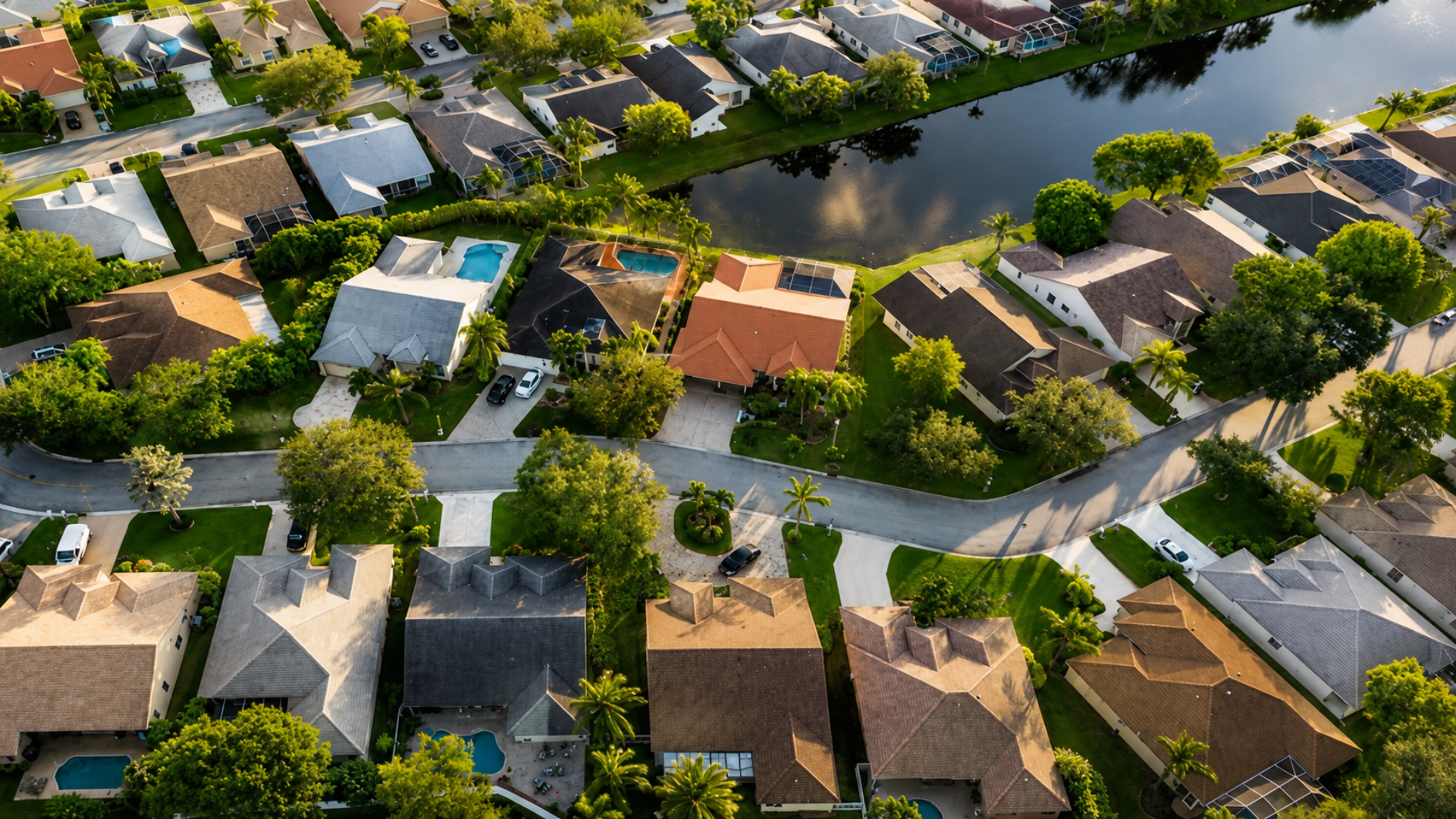

Most neighbors grumble about their homeowners association in private and leave it at that. In one Florida community, over 200 households did something different: they organized in secret and signed a petition to recall board members, all without the association finding out until it was already done. According to a homeowner’s account posted on Reddit, the board is now scrambling, holding closed-door meetings while trying to figure out who started the uprising. Quiet compliance was never the plan here.
The account comes from a Reddit user posting under the name tarheelpixie, who described the community as a Property Owners Association, or POA, in Florida. According to the post, residents had grown frustrated with what they called power trips and selective rule enforcement from the board. The petition stayed hidden until it was finished. By the time anyone noticed, more than 200 households had already signed on to recall specific board members, according to the homeowner’s account.
The board did not take the news quietly. According to the Reddit post, association leaders had already warned homeowners against posting anything negative about them, threatening fines of $100 a day for violations. That threat, made before the recall even became public, hints at a board more focused on controlling its image than fixing the problems residents were raising. The board’s own later response would go on to prove that point.
The Board Couldn’t Find the ‘Mastermind’ Because There Wasn’t One
Once the recall became known, the board’s behavior changed fast. The Reddit poster described members holding repeated private emergency meetings, whispering among themselves, and walking around the neighborhood as though hunting for a single person responsible. They seemed convinced that one instigator, or maybe two, had talked 200 people into signing. That assumption, according to the account, turned out to be their biggest mistake.
The original poster didn’t hold back describing the board’s reaction. They called the members’ behavior that of a “wannabe HOA mafia,” pointing to the constant threats and secretive huddles as evidence. Despite all that effort, the board never managed to pin the recall on any single household. According to the poster, support for it came from a broad cross-section of frustrated residents, not a small group of troublemakers the board could quietly single out.
The poster’s larger point was that none of this had to happen. Had the board treated residents with more consideration in the first place, they argued, there would have been no petition to hide from and no recall gaining momentum. Instead, the board’s own conduct pushed neighbors who might never have organized otherwise into common cause. That dynamic, a board’s own behavior fueling the very uprising it fears, shows up in more places than just this one Florida neighborhood.
Nearly Half of Americans Think HOAs Hurt the Communities They Run
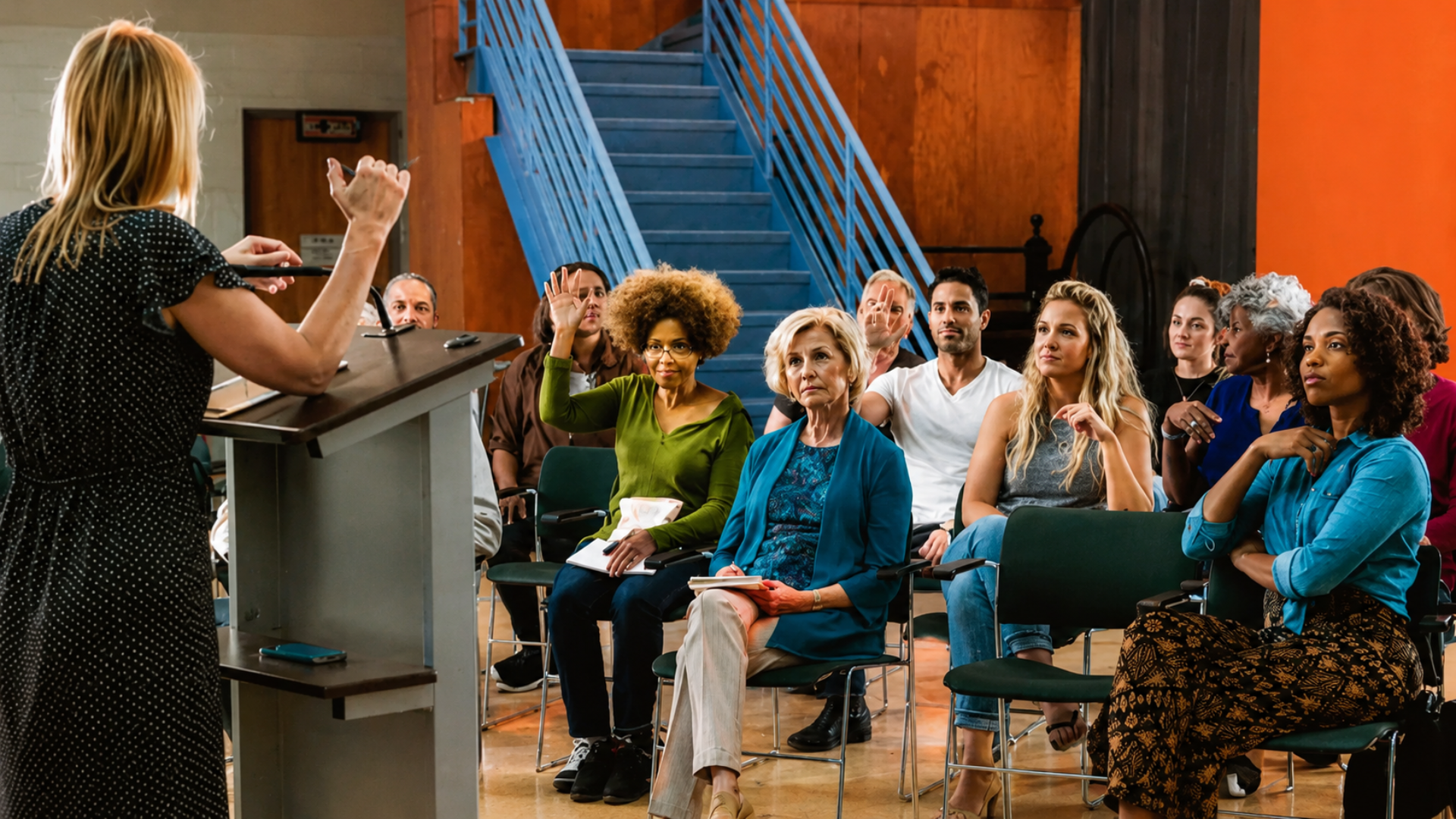
There is footage that backs up at least part of this story. The poster shared a video showing board members repeatedly trying to figure out who organized the recall, caught in the act of the very scrambling described in the post. It is a small, almost mundane clip: people standing around, comparing notes, looking uneasy. But it captures something bigger than one neighborhood’s drama, a governing body realizing it has lost the trust of the people it oversees.
This kind of standoff is common enough to be measured nationally. According to a YouGov survey, 18 percent of Americans, including 27 percent of homeowners, currently live somewhere governed by an HOA or similar association. Far more, 61 percent, say they would rather not live under one at all. Nearly half of respondents said these associations actually hurt the communities they are supposed to protect. For a lot of people, this Florida standoff will sound familiar.
The post drew a wave of similar stories in the comments. Other Reddit users described their own associations as controlling, and some said their neighbors were too intimidated by board members to push back the way this Florida community did. That reaction suggests this recall is not an isolated victory. It is one example of a much wider frustration, and whether it actually changes anything long-term is a separate question entirely.
Winning the Recall Might Be the Easy Part
Getting 200 signatures turned out to be achievable. Keeping a board out for good is a separate challenge entirely. One commenter, u/noforgayjesus, wrote that a similar effort in their own community did not end well. They warned that these boards can quietly regain control if residents let their guard down after the vote is won. Momentum, in other words, is not the same thing as a lasting fix.
Another commenter, u/rynn458, described a smaller, quieter version of the same problem. They said they wished they could gather enough neighbors to attempt a recall of their own, but explained that most people in their POA “are all afraid of the board members.” Fear, not apathy, was the obstacle in that case. It is a reminder that the Florida community’s 200 signatures represent something plenty of other neighborhoods have wanted but couldn’t manage to pull off.
The real story here isn’t really about one Florida board losing a power struggle. It’s about how much organizing it actually takes just to get accountability that should have existed from the start: two hundred households, total secrecy, a viral Reddit post, and a national survey’s worth of quiet resentment sitting behind it. The board wanted to know who started the recall. The honest answer is that its own behavior did, one ignored complaint at a time.