Homeowners Are Now Consulting AI Before Making Costly Changes Around the House


Choosing new cabinets or flooring can feel exciting until you remember how difficult and expensive those decisions can be to undo. Homeowners have traditionally relied on samples, mood boards, floor plans, and imagination to picture the finished result, while professional renderings can require more time and expertise. Now, some renovators are adding another step before committing. But how many homeowners are already bringing AI into real renovation plans?
AI Is Already Showing Up in Real Renovation Plans

More homeowners are experimenting with the technology than the futuristic idea might suggest. According to Houzz’s 2026 U.S. State of AI in Construction and Design report, 22 percent of renovating homeowners surveyed had used AI for their projects. Popular uses included finding design ideas, visualizing concepts, and comparing possibilities. Those uses can help when several design decisions need to work together. So how does AI turn an existing room into something homeowners can experiment with?
A Photo Can Become a Testing Ground for New Ideas
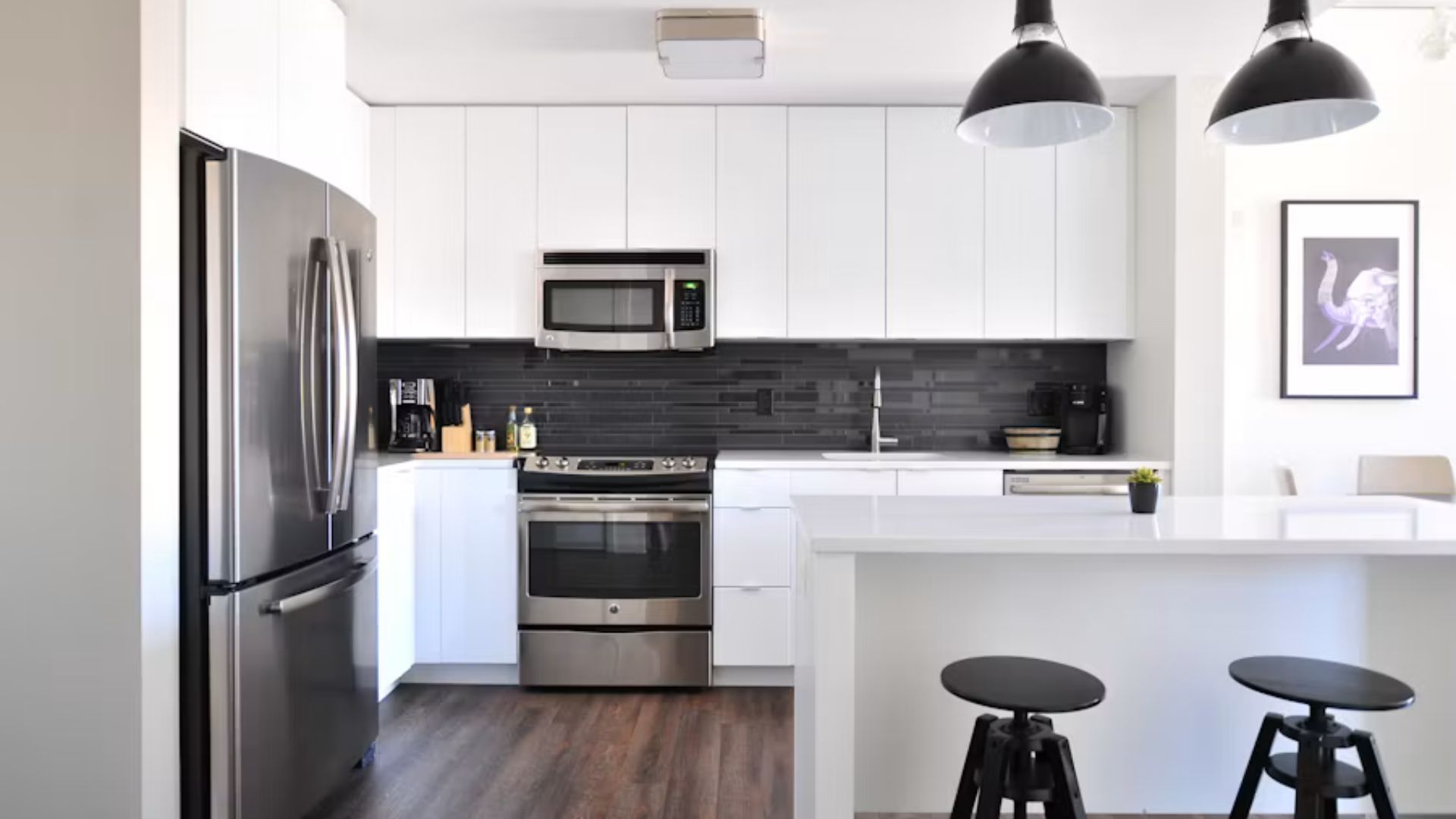
The process can begin with something as simple as a photograph of an existing space. AI tools can use that image as a visual starting point, then explore different styles, colors, materials, furniture, and other design choices through prompts. Instead of imagining each possibility separately, homeowners can compare different directions on screen. That makes experimentation easier before anything physical changes. But does generating more possibilities actually help homeowners make expensive decisions with greater confidence?
Homeowners Can Compare More Before Spending Money
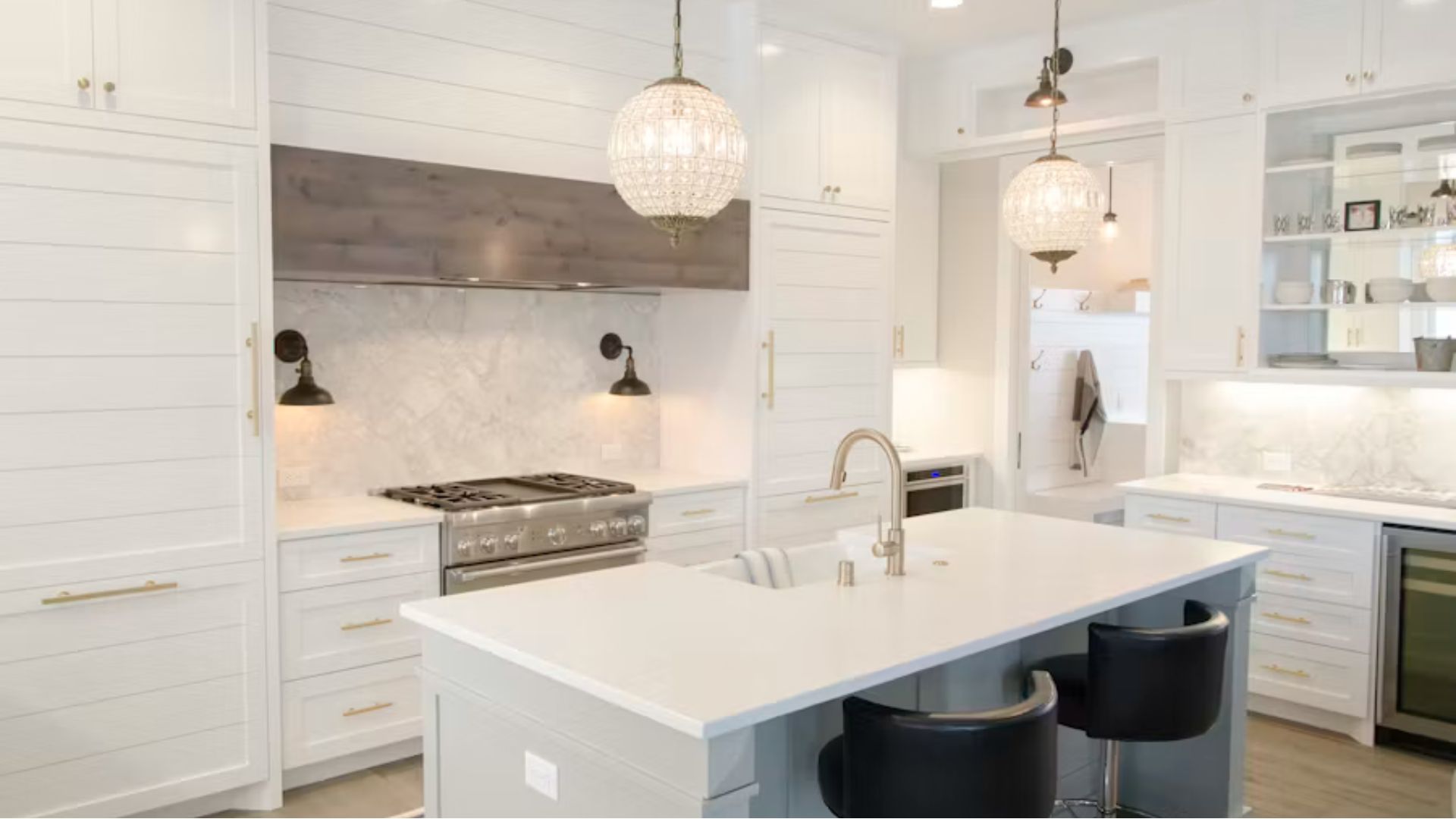
During early planning, speed is one of AI’s biggest advantages. Someone considering a kitchen renovation could compare contemporary and traditional directions, then experiment with cabinetry, flooring, wall colors, or backsplash ideas before narrowing the choices. Generating several concepts can make brainstorming faster than producing a complete traditional rendering for every possibility. However, a convincing image is not necessarily a workable renovation plan. So what happens when AI creates something the actual house cannot support?
A Convincing AI Image Can Still Get the House Wrong

That is where the technology’s limitations become important. An AI generated room might move a window, overlook a load bearing wall, create cabinetry with unrealistic dimensions, or suggest an unsuitable material. It can even change architectural details the homeowner wanted to preserve. Houzz found that visualization was a valued AI use, but it was also the leading area where homeowners said the technology fell short of expectations. If the image cannot be trusted completely, where do professionals fit in?
Designers and Contractors Still Have a Crucial Job
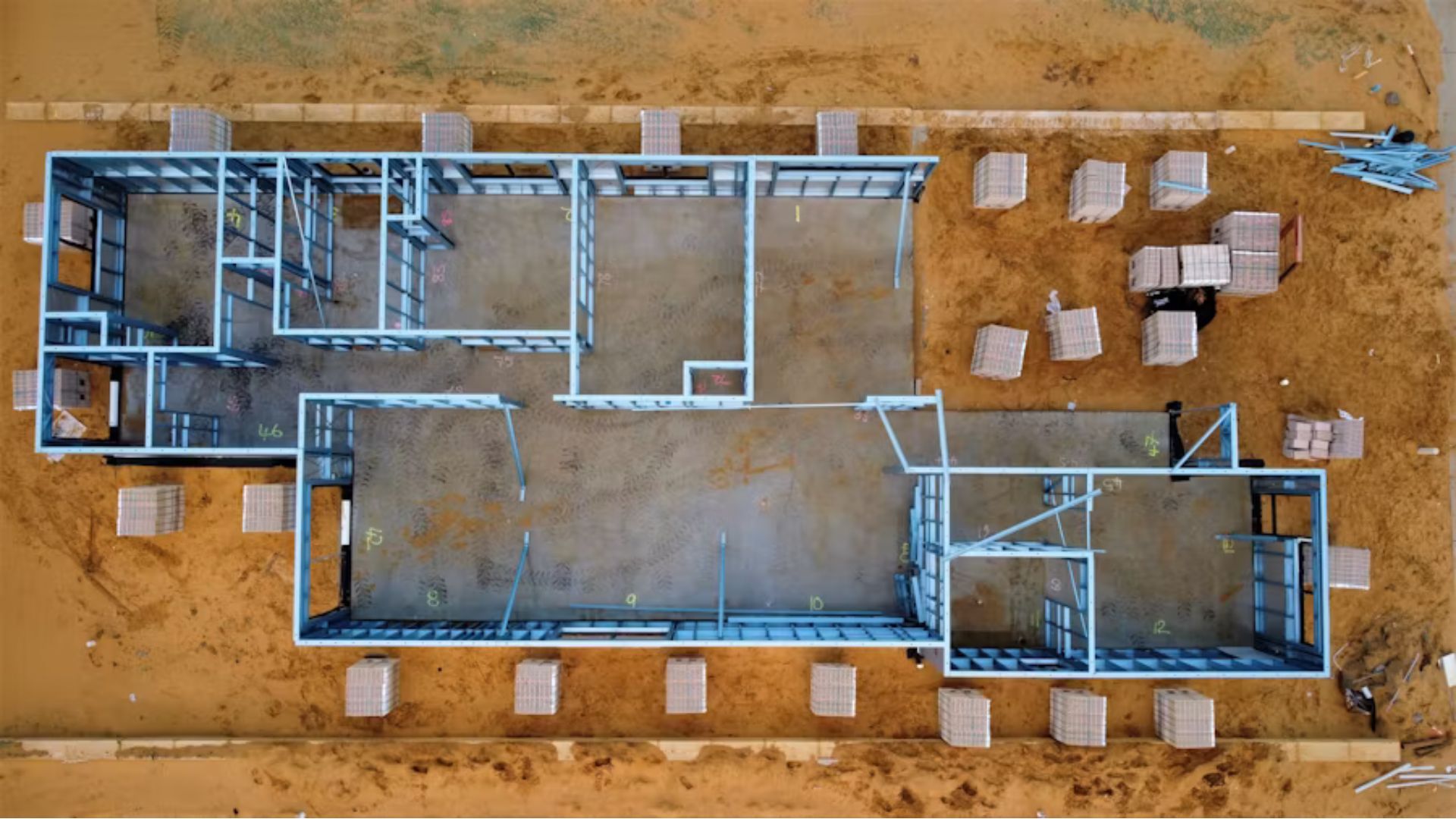
Rather than replacing professionals, AI can give homeowners a more visual way to communicate what they want. A generated concept can help someone point to colors, materials, or features they like, while a designer or contractor determines what is actually feasible. That professional involvement remains common, with Houzz finding that 80 percent of renovating homeowners surveyed hired one for their projects. So could AI be most useful not as the final answer, but as the beginning of a better conversation?
The Best AI Image May Be the One That Starts a Conversation
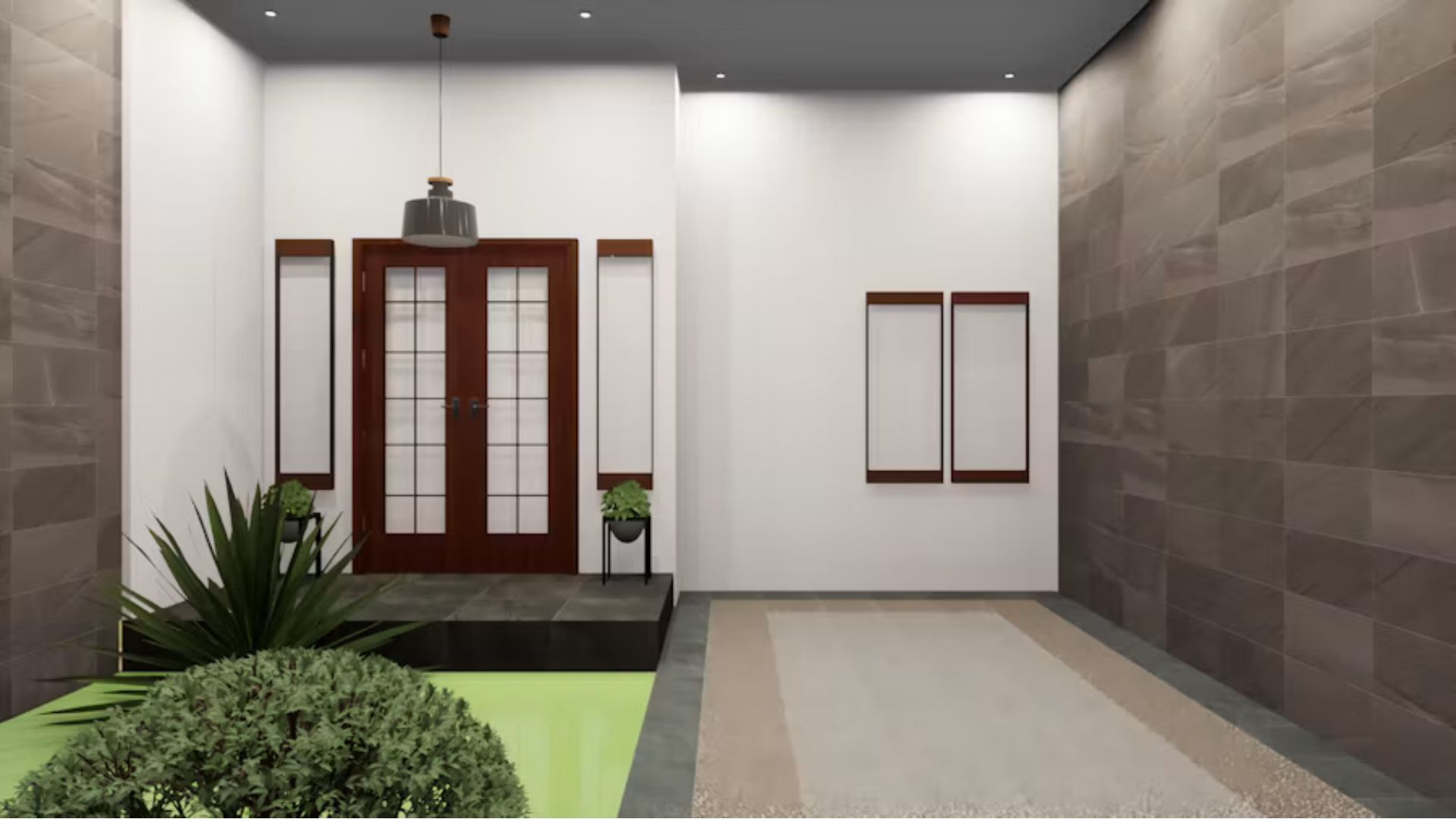
That distinction turns AI from a set of construction instructions into a communication tool. Homeowners can use generated images to compare alternatives, explain preferences, and identify questions that need professional input, including those involving layouts, lighting, or structural changes. Contractors can see the general direction rather than relying only on a
verbal description. Accurate measurements, product information, plans, and professional specifications are still necessary. So where should homeowners draw the line between digital inspiration and reality?
Inspiration and a Buildable Plan Are Not the Same Thing
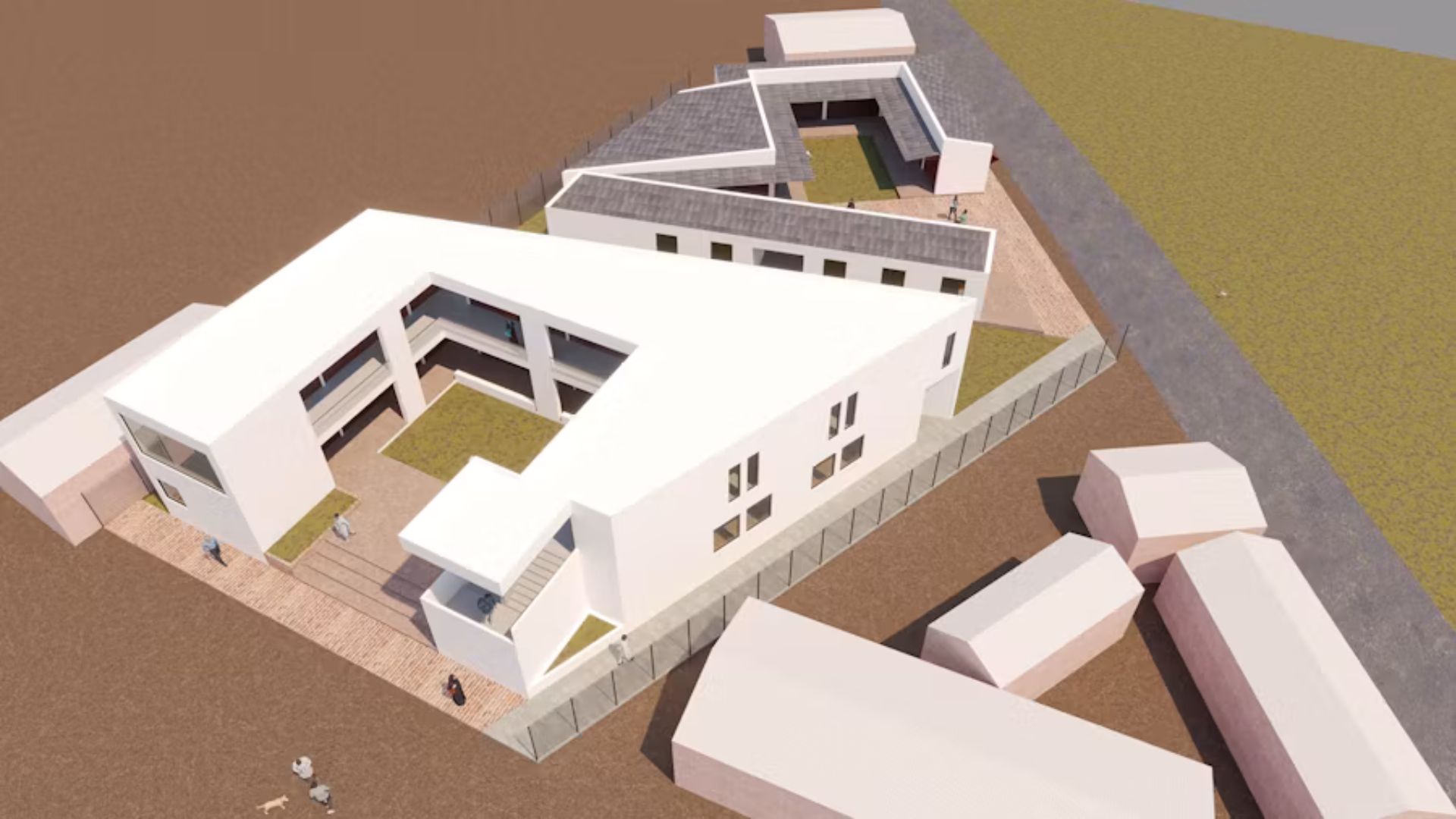
An appealing AI image can answer one useful question: what could this room look like? Actually creating that room requires information the image alone cannot provide, including measurements, engineering, permits, budgets, specifications, and skilled installation. That difference matters more as generated spaces become increasingly convincing. Treating AI as inspiration lets homeowners explore possibilities without assuming every detail can be built exactly as shown. With that limitation understood, where can the technology provide its greatest advantage?
AI May Be Most Helpful Before the Big Decisions Are Made
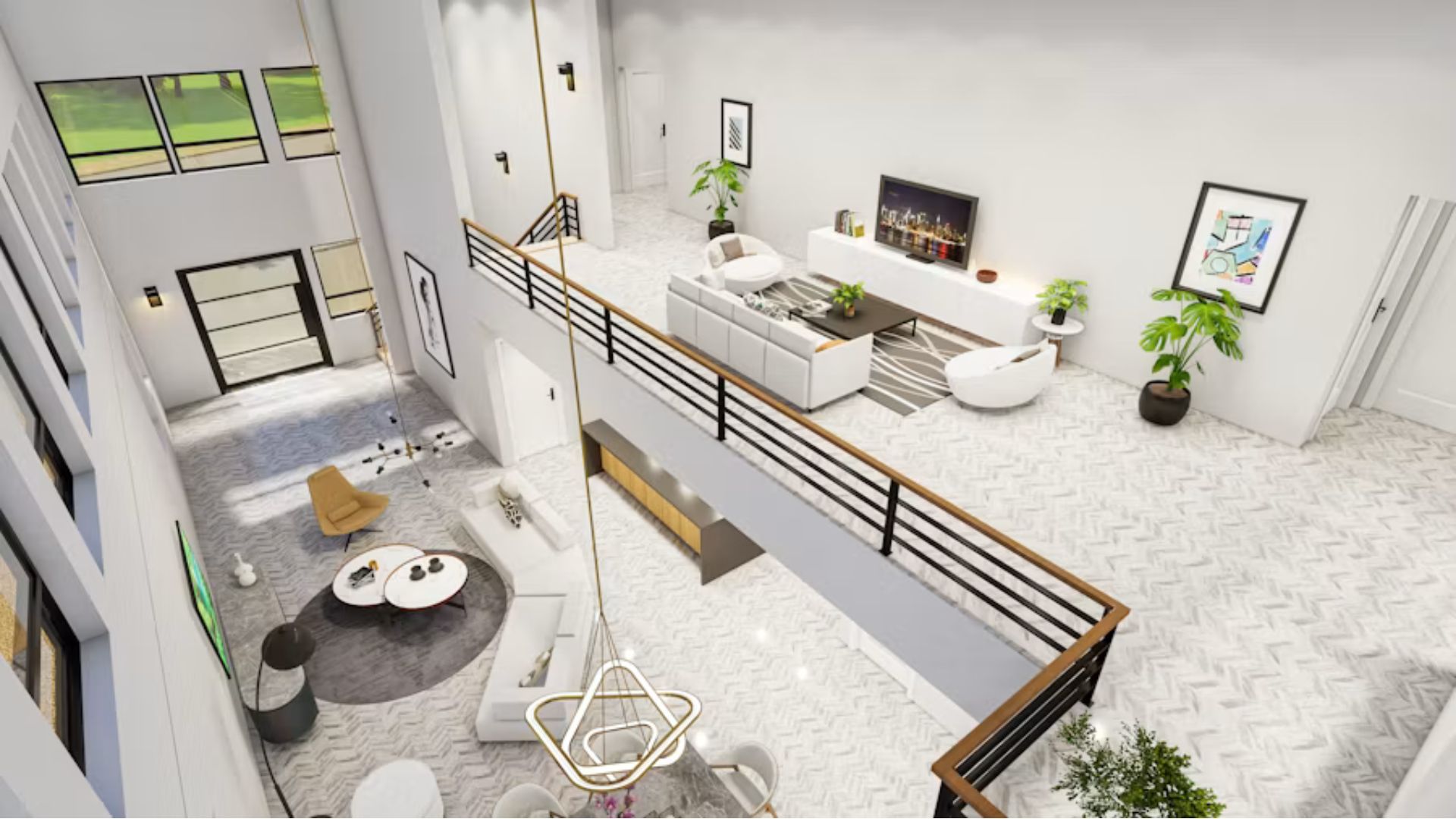
Its strongest role may come before a homeowner settles on a final direction. AI can help explore finishes, compare concepts, organize ideas, and communicate a desired look to the professionals involved. In that sense, the technology can make the uncertain beginning of a costly project feel less abstract without making renovation automatic. The value lies in narrowing possibilities before money and materials are committed. So what is the smartest way to fit AI into the overall renovation process?
AI Works Best Before the Hammer Comes Out

For homeowners, AI can serve as a checkpoint between imagining a renovation and spending money to make it real. It can test visual ideas quickly, reveal preferences, and make conversations with designers or contractors more specific. What it cannot do is guarantee that an attractive concept is practical, affordable, or structurally possible. The strongest approach is therefore a partnership: let AI help clarify the vision, then let qualified professionals determine how that vision can become reality.