Homeless Housing Project Faces Backlash as Neighbors Raise Concerns About Safety and Anti-Social Behavior
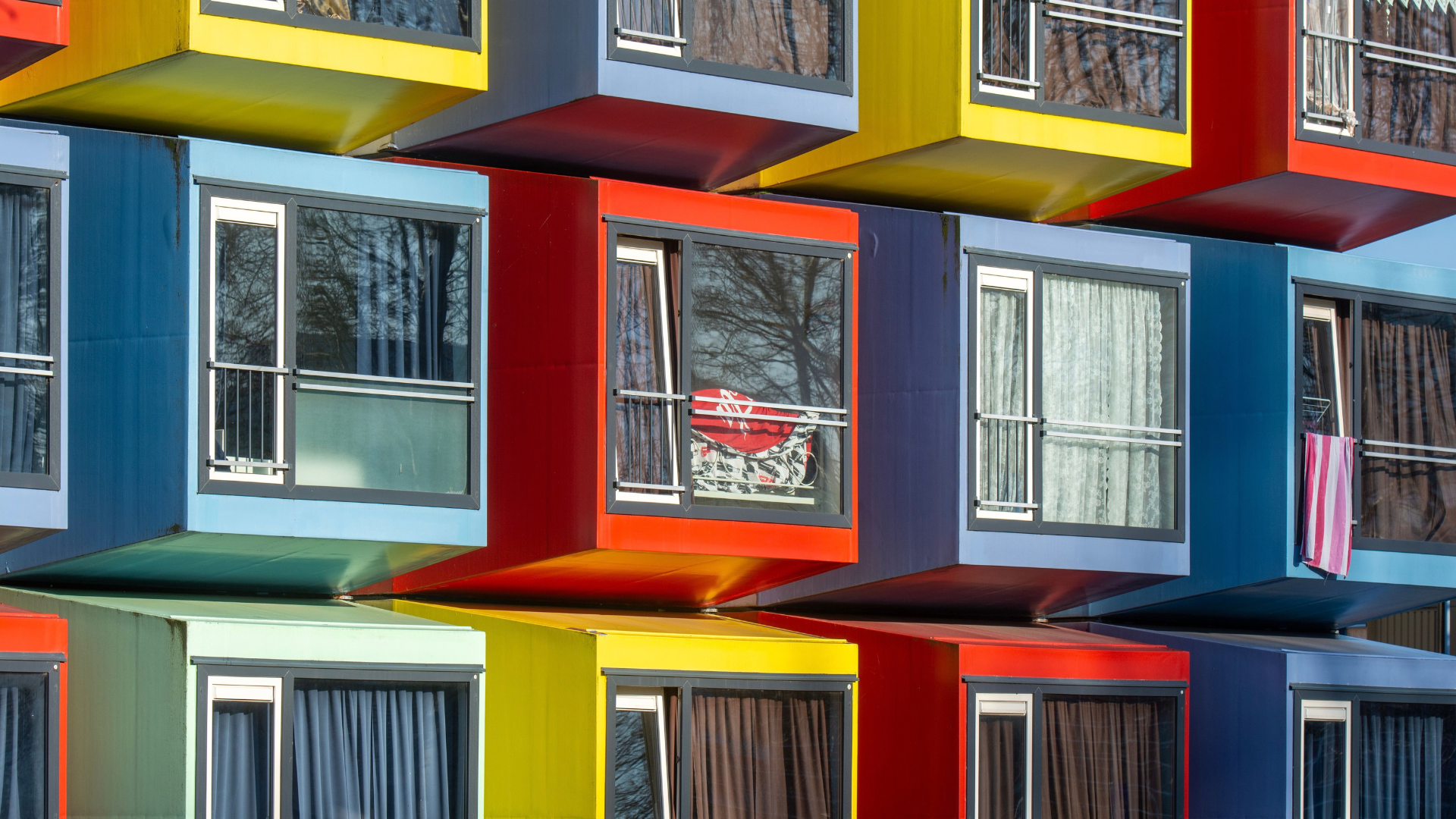

A temporary housing project in Reading, England, that was created to help people move away from rough sleeping is facing renewed scrutiny after nearby residents raised concerns about noise, trespassing, drug use, theft, and intimidating behavior around the site. The Caversham Road Pods opened in 2021 and contain 40 self-contained modular units, with residents receiving 24-hour support. The complaints come as Reading Borough Council has already decided to decommission the project by August 2027 and move toward smaller, more dispersed supported housing.
The Pods Were Created During the Pandemic

The Caversham Road Pods were developed as part of Reading’s response to the COVID-19 pandemic and the national “Everyone In” initiative, which sought to move people sleeping rough into accommodation. Forty self-contained studio units were completed in November 2021, with residents moving in by January 2022. The council says the site has since provided accommodation and support to people who otherwise could have remained at risk of sleeping on the streets.
Residents Receive Around-the-Clock Support

The project is more than a collection of converted containers, with support staff available on-site 24 hours a day. Reading Borough Council says the accommodation serves men and women with histories of rough sleeping and complex needs that can include mental health challenges, substance use, and offending. Launchpad Reading has managed the support service since April 2024, with the goal of helping residents gain stability and eventually move toward more independent accommodation.
Some Neighbors Say Trespassing Has Become a Problem

Some people living beside the project now claim individuals associated with or visiting the site have repeatedly entered neighboring private property. One resident who helps manage an adjacent apartment building said in an objection that people had entered communal areas, sometimes refusing to leave, while another neighbor described people climbing over a wall when the pods’ gate was unavailable. These are allegations from local residents rather than independently established findings about the site’s population as a whole.
Noise and Late-Night Disturbances Are Another Complaint

Neighbors have also complained about shouting and other disturbances continuing into the early morning hours. One resident told the source that arguments could sometimes be heard at around 2:30 or 3 a.m., becoming particularly noticeable during warmer months when nearby households leave their windows open. The complaints illustrate one challenge of operating an intensive supported housing development immediately beside conventional residential properties, although they do not establish that every resident at the pods contributes to the disruption.
Safety Concerns Have Become More Serious

Some of the strongest allegations involve threatening or intimidating encounters. A neighboring resident claimed his partner had been followed and shouted at near their home and said he had personally experienced threatening behavior, including an alleged verbal threat involving a knife. The source also reports allegations of open drug use and discarded drug-related items nearby, but these claims come from residents opposing the site’s continued operation and should be understood as reported allegations rather than evidence that such behavior characterizes everyone living there.
Some People Living in the Pods Have Complaints Too

Dissatisfaction is not limited to the surrounding neighborhood. The source quotes one person living at the site who criticized conditions and drug use and said they would rather return to living on the streets. At the same time, Launchpad reported in 2025 that the pods gave tenants up to three years of stability while connecting them with support agencies, demonstrating the very different experiences people can have within the same project.
The Council Says the Model Has Helped People

Reading Borough Council has acknowledged that the pods were created as an emergency solution rather than a permanent model, but it also says the program successfully provided safe accommodation and support after the pandemic. According to the council, Launchpad has helped residents through periods of crisis and assisted many in progressing toward stable accommodation and independent living. The council’s decision to move away from the model therefore does not amount to a declaration that the entire project failed.
The Site Is Now Scheduled to Close

Reading Borough Council approved plans in July 2026 to decommission the Caversham Road Pods by August 31, 2027, with residents supported into alternative accommodation. The council says its new homelessness strategy favors more dispersed housing combined with personalized support, arguing that this can improve people’s ability to sustain tenancies and build independence while reducing challenges that may arise when many people with complex and differing needs are housed at one large site. The land could eventually be considered for a residential development that includes affordable housing, although any redevelopment would require a separate process.
The Debate Shows How Difficult Supported Housing Can Be to Get Right

The controversy around the Caversham Road Pods presents two realities that do not necessarily cancel each other out: people experiencing homelessness need stable accommodation and intensive support, while neighboring residents expect to feel safe and secure around their homes. The council’s decision to replace this large single-site model with more dispersed accommodation suggests officials believe both resident outcomes and community impact can be improved. Until the pods close in 2027, the challenge will be continuing to support the people living there while taking surrounding residents’ reported concerns seriously without treating the entire homeless population as responsible for individual incidents.