Homebuyers May Be Overlooking These Major Costs in 2026



Getting approved for a mortgage can make the dream suddenly feel doable. The down payment is covered, the monthly payment fits, and the keys seem within reach. But in 2026, that mortgage number can hide a much more expensive reality. Insurance, property taxes, utilities, maintenance, repairs, and HOA fees can keep draining a budget long after closing day. Worse, many of those expenses can rise even when a fixed-rate mortgage stays exactly the same. That creates a crucial distinction for buyers: qualifying for the mortgage does not necessarily mean you can comfortably afford the home. The real test begins once all the other bills start arriving.
This article was created with the assistance of AI and reviewed by our editorial team for accuracy and clarity.
The Extras Can Top $23,000 a Year
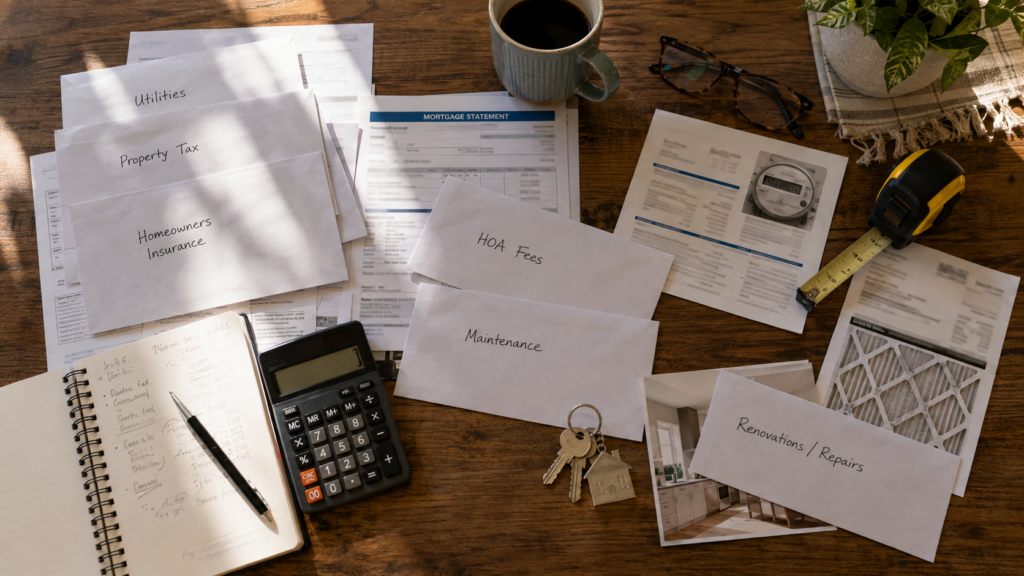
The gap between mortgage payment and actual homeownership cost is not small. A March 2026 Clever Real Estate survey and analysis cited by CNBC found that the average U.S. homeowner spends $23,686 every year beyond the mortgage. Add average HOA fees, and the figure nears $28,000. The estimated costs included $7,679 for utilities, $5,162 for maintenance, $4,196 for HOA fees, $3,929 for renovations, $3,580 for property taxes, and $3,336 for homeowners insurance. Not every owner pays all of those amounts, but the sticker shock is real. A separate Jobber survey found that 60% of recent buyers said owning a home had been more expensive than they expected.
Insurance Can Blow Up a Carefully Planned Budget

The insurance quote you receive before closing may not stay friendly for long. CNBC reported that average annual homeowners insurance costs rose 12% in 2025, with Insurify projecting another 4% increase in 2026. Higher rebuilding costs and growing risks from hurricanes, floods, and wildfires are among the forces pushing premiums upward. Realtor.com offered an even more jarring example. Insurance producer Rami Sneineh said he had seen renewals rise 18% even when homeowners had gone the previous year without making a claim. That means buyers need room in their budgets not just for today’s insurance premium, but for the possibility that tomorrow’s bill could be considerably higher.
The Seller’s Property Tax Bill Might Fool You

A home’s current property tax bill can look reassuring, but it may not be the bill a new owner receives. CNBC reported that the average property tax bill for a single-family home increased 3.7% in 2025. Local rules can create another surprise. Realtor.com highlighted Michigan, where a property’s taxable value can reset after a sale. Real estate agent Ryann Brier warned buyers not to calculate future taxes based solely on what the current owner pays. Depending on local reassessment rules, the number could jump after closing. Before deciding a home fits the budget, buyers may want to investigate what their tax obligation would actually look like rather than relying on the seller’s history.
Your House Won’t Wait Until Repairs Are Convenient
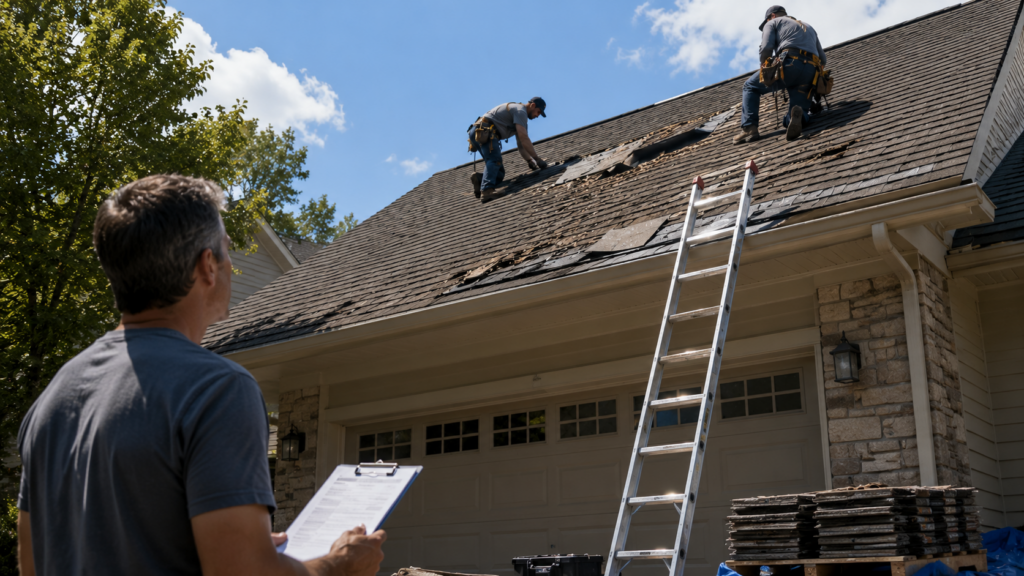
A mortgage arrives predictably every month. A failing roof or dead HVAC system has no such courtesy. Realtor.com reported that some experts believe the familiar advice to save 1% of a home’s value annually for maintenance may no longer be enough. Brier called 2% “really on the low end,” with older homes in colder climates potentially needing larger reserves. The problem is that repairs can arrive in expensive bursts. Cody Schuiteboer of Best Interest Financial estimated that an aging roof could eventually bring a $15,000 to $25,000 bill. A home that looks affordable on paper can suddenly feel very different when a five-figure repair cannot be postponed.
That Cheap HOA Could Become an Expensive Surprise
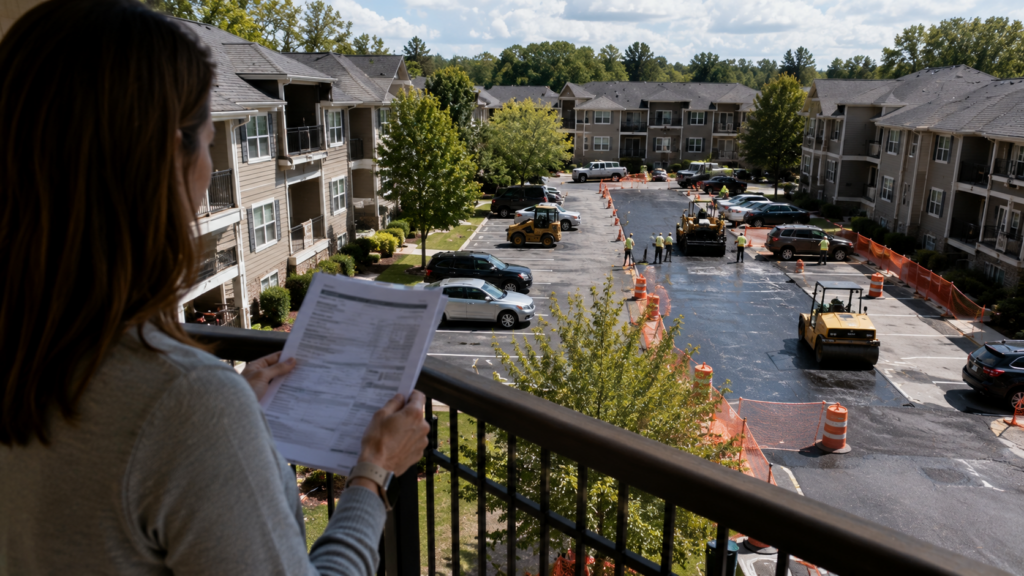
Low HOA dues can look like a win, but they do not always signal an affordable community. Realtor.com notes that associations can impose special assessments when major repairs or projects need funding, potentially adding thousands of dollars to an owner’s costs. Low dues can even be a warning sign if an association has failed to build adequate reserves. Schuiteboer said that when long-delayed projects such as roofs, roads, or parking lots finally become unavoidable, fees can jump 30% to 50% in a single year. Buyers considering an HOA property should therefore look beyond today’s monthly fee and investigate reserves, planned projects, and upcoming assessments before signing.
Utilities Are Quietly Taking a Bigger Bite

There is nothing surprising about receiving an electric bill, which may be exactly why utilities are so easy to underestimate. Clever’s analysis put average annual utility spending at $7,679, making it the largest expense in its non-mortgage breakdown. And those bills have been getting pricier. CNBC reported that household energy costs rose 6.5% year over year in April 2026, outpacing the 3.8% overall inflation rate. Buyers moving from an apartment or smaller property into a larger home may be especially vulnerable to sticker shock. Heating, cooling, water, electricity, and trash service can turn a manageable mortgage into a much heavier monthly housing bill.
Homeowners Say the Cash Drain Is Very Real
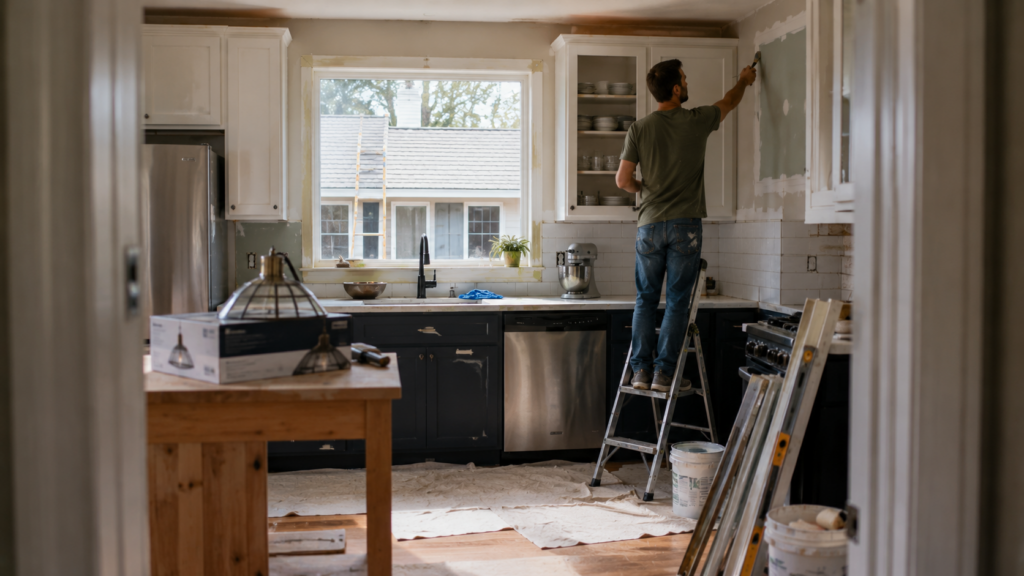
Real homeowners are describing the same problem in less tidy terms. One Reddit user said homeownership was still more expensive than renting and required lifestyle changes, while repairs and routine chores were now theirs to handle instead of a landlord’s. Another homeowner who bought in 2020 described spending about $65,000 on renovations over six years, including a roof, bathroom, windows, water heater, appliances, and kitchen work. Other users disputed parts of the poster’s rent-versus-own calculation, but the cash-flow lesson remained striking: even improvements that eventually increase a home’s value require money upfront. Building equity does not fix a broken water heater today.
Lower Mortgage Costs Don’t Make the Extras Disappear
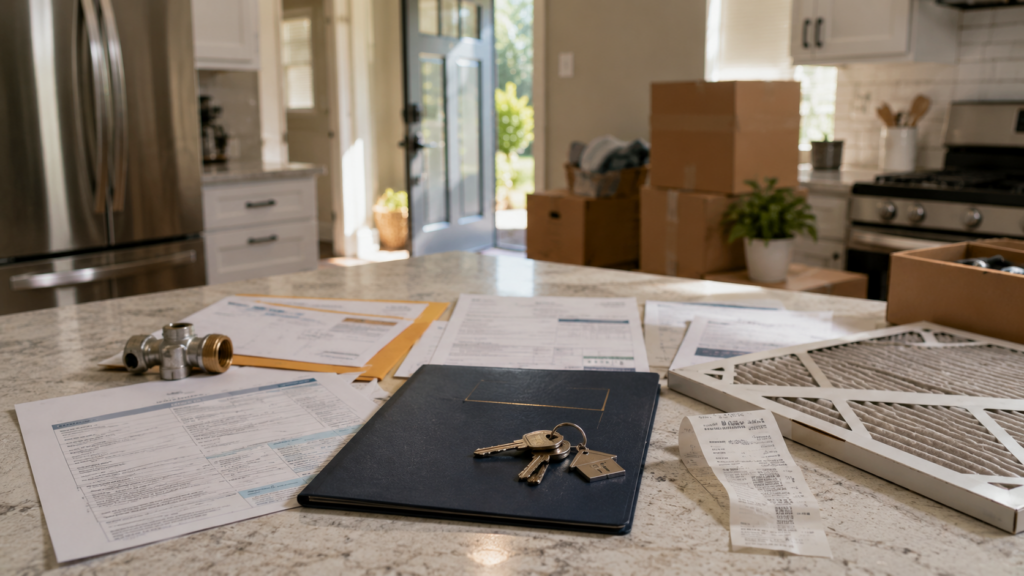
Some buyers have gotten a little breathing room in 2026. Forbes Advisor reported that a typical home cost $357,445 in January. With 20% down and a 6.10% mortgage rate, estimated monthly principal and interest came to $1,732. Under comparable assumptions, a January 2025 buyer would have paid $1,889 because mortgage rates were higher. Saving $157 a month certainly helps, but it can quickly disappear into insurance, taxes, utilities, or repairs. Forbes Advisor’s buyer guidance reinforces the bigger point: affordability should be considered through the entire monthly housing payment, not just the sale price or mortgage. A better loan does not make the rest of the house free.
Can You Afford the House After You Get the Keys?
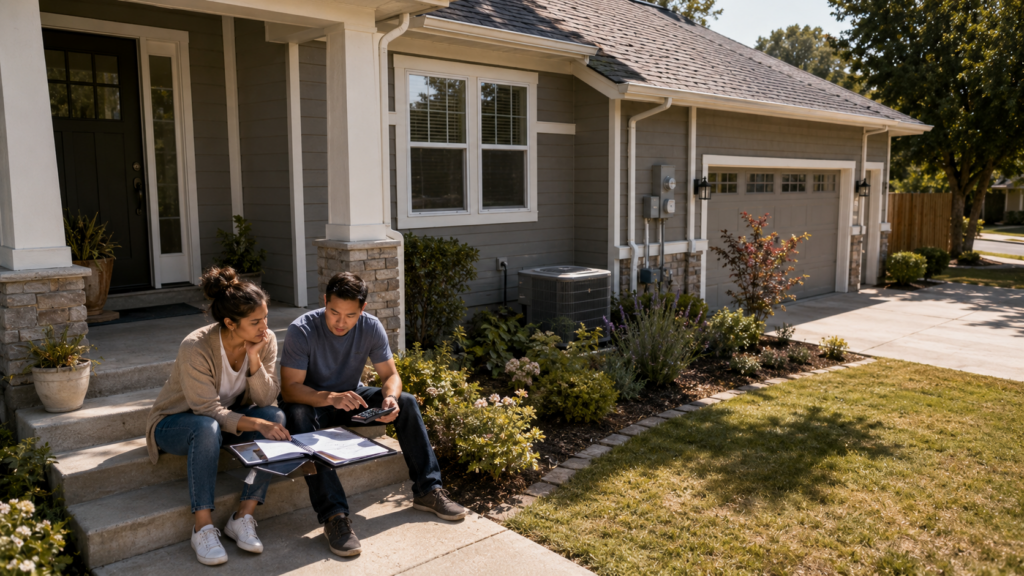
None of this means buying a home is a bad move. It means buyers may need a tougher definition of “affordable.” Realtor.com illustrated the difference with a $300,000 home: estimated taxes, insurance, maintenance reserves, and utilities added up to roughly $1,417 every month before the mortgage payment. CNBC cited financial planner Thomas Ravert warning against pouring every available dollar into the down payment and closing costs because doing so can leave buyers without financial flexibility afterward. A house can offer stability, control, and the chance to build equity. But the mortgage only gets you through the door. In 2026, the overlooked costs may determine how comfortably you can afford to stay there.