Home Depot Rival Files for Chapter 11 Bankruptcy Amid Tariff Pressure


A Home Depot and Lowe’s rival in the building materials industry filed for Chapter 11 bankruptcy protection on December 3, 2025, citing financial distress from creditor pressure and litigation. The company reported assets between $500,001 and $1 million, with liabilities ranging from $1 million to $10 million. The filing comes as President Donald Trump’s tariffs have raised homebuilding costs by $7,500 to $10,000 per home, according to Rob Dietz, chief economist at the National Association of Home Builders, creating mounting pressure across the construction supply sector.
North American Builders Supply Reports Major Creditor Claims

The bankruptcy filing identifies numerous trade creditors and lines of credit among its largest unsecured claims, according to RK Consultants on X (formerly known as Twitter). Major unsecured creditors include Bluetape, Inc., owed $503,219, Kapitus Servicing, Inc., owed $149,596, and an unsecured portion of a claim from Central Bank Illinois totaling $94,131. The filing stems from financial distress, including claims and a lawsuit from creditor Proventure Capital LLC, according to Trellis Law, showing the bankruptcy involves significant creditor pressure and active litigation against the supplier.
The Company Plans to Reorganize Rather Than Liquidate

Because the bankruptcy protection is Chapter 11, North American Builders Supply may be attempting reorganization rather than outright liquidation, at least initially. The company has remained open and plans to continue its operations while restructuring. The case number, 25-18572, was reported by the Daily Distressed Asset Central in the Illinois Northern Bankruptcy Court. Joel Schechter of the Law Offices of Joel A. Schechter represents the debtor as counsel.
Tariffs Have Pushed Lumber Prices Up 14.5 Percent
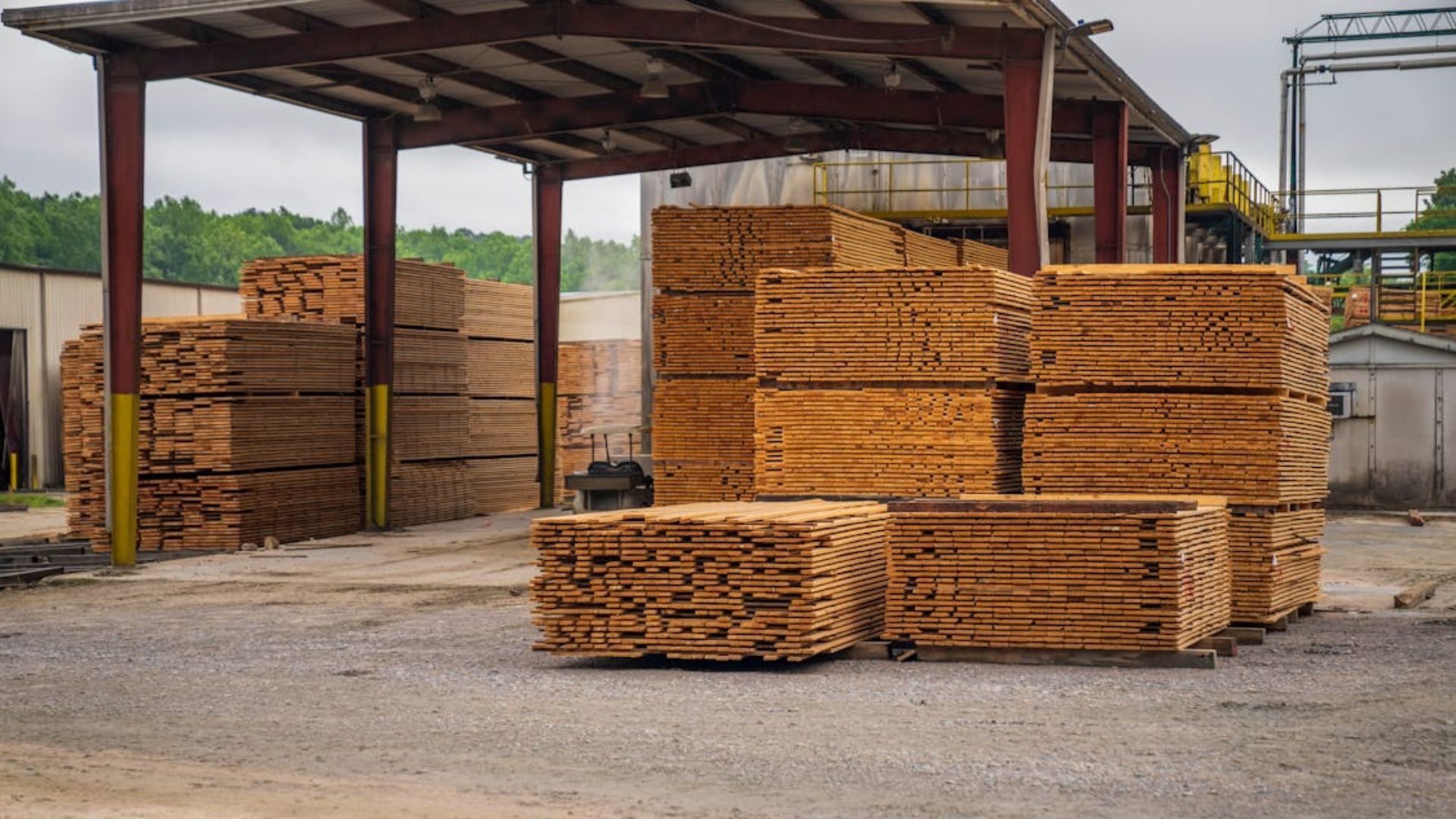
Canadian lumber climbed 14.5 percent even before Trump’s latest tariffs took effect, according to Cotality/CoreLogic. Concrete prices jumped 8 percent, and household appliances were expected to rise by as much as 20 percent. The greatest impact to homebuilders comes from lumber cost increases, which are expected to total about $4,900 per home on average, according to Leading Builders of America, the trade group representing most of the nation’s publicly traded homebuilders, as reported by CNBC.
About a Third of U.S. Lumber Comes From Canada

About a third of all the wood purchased for U.S. homebuilding comes from Canada, according to the National Association of Home Builders. Domestic lumber producers typically raise their prices to match import prices, creating a ripple effect throughout the market. Goods from Canada now face a 25 percent tax under Trump’s tariffs. Canadian lumber was already subject to separate duties of 14.5 percent before the new tariffs were imposed, compounding the cost pressure on builders and suppliers nationwide.
Fixed-Price Contracts Leave Builders Vulnerable to Price Swings

Rising lumber prices damage the entire home construction industry, and uncertainty adds complexity to the home-building process, Steve Martinez, president of Tradewinds General Contracting in Boise, Idaho, told the NAHB. “Our contracts are all fixed price, meaning that from the time we bid a project to the time we start to the time we order the materials, prices could change drastically,” Martinez explained. “But we are trying to preorder as much material as we can.”
Home Depot Mitigates Tariffs With Domestic Sourcing
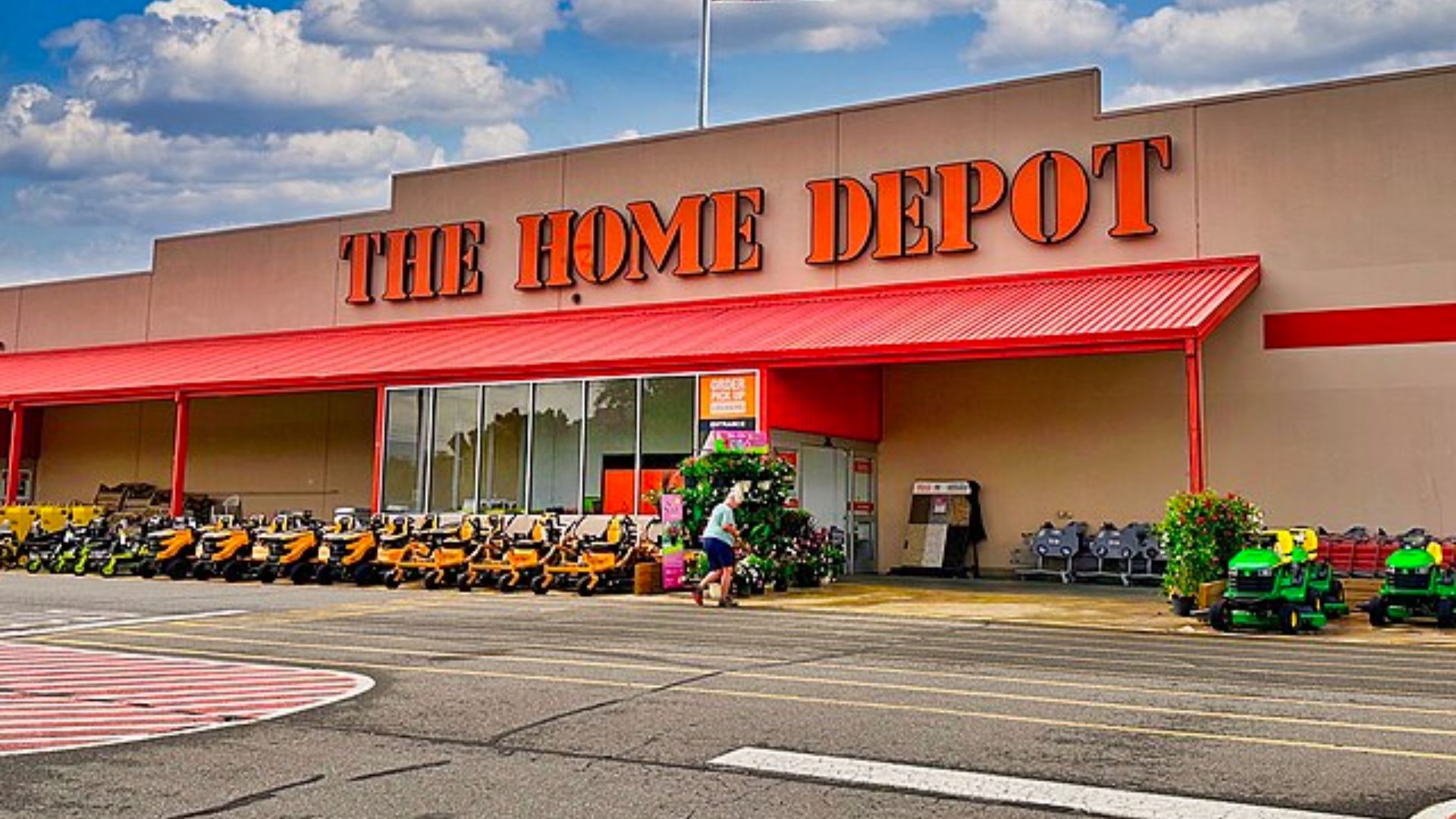
Large home improvement and builder supply chains have a greater ability to mitigate tariffs than their smaller rivals. Home Depot Executive Vice President of Merchandising William Bastek addressed tariffs during the company’s third-quarter earnings call. “Over 50 percent of our inventory is not part of tariffs and is obviously sourced domestically. So we’ll continue to watch that and look forward to the Q4,” he said. In some cases, Home Depot simply offers fewer discounts to offset tariff-related price increases.
Lowe’s Inventory Reflects Higher Tariff Costs
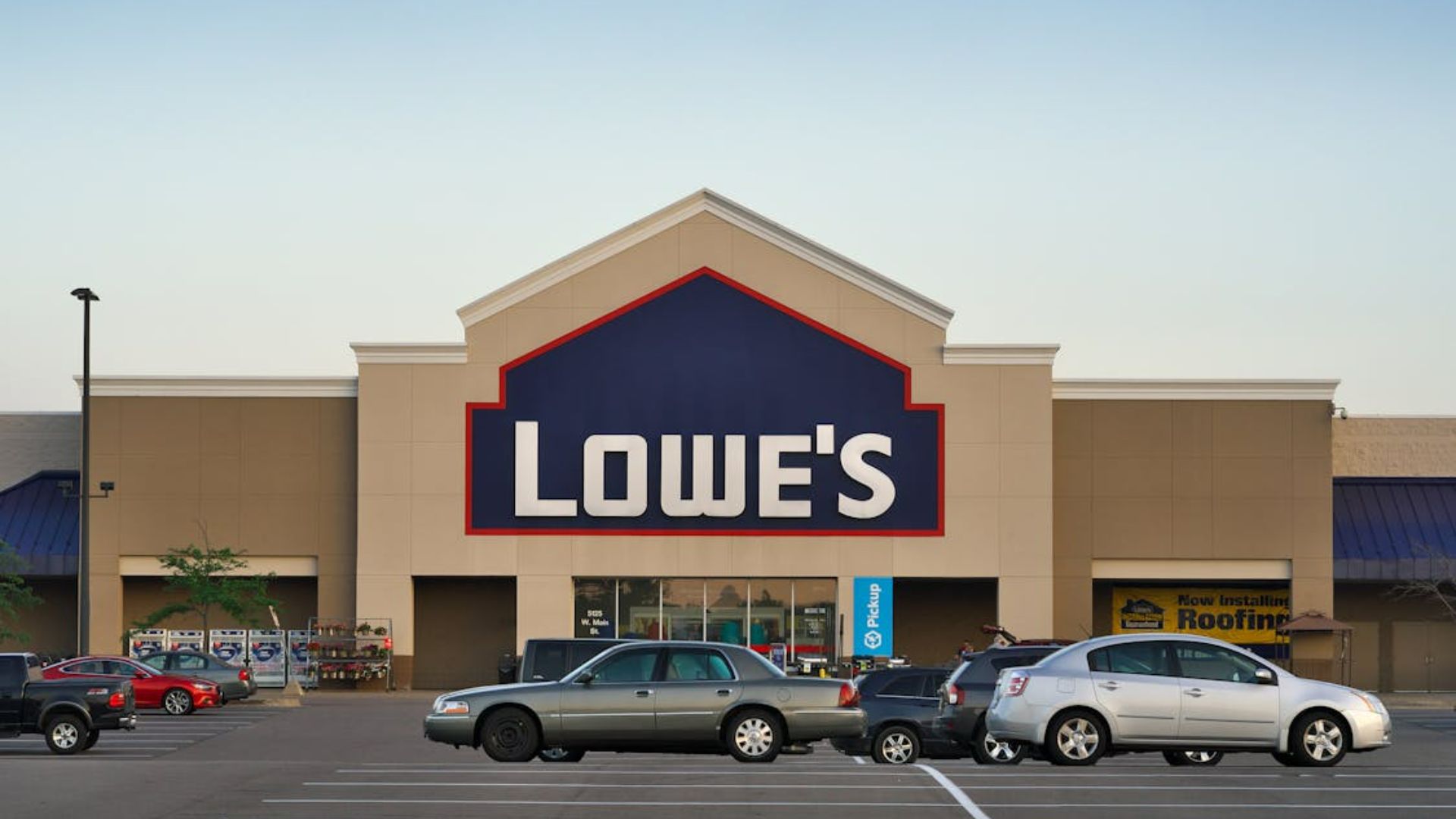
Lowe’s CFO Brandon Sink discussed how tariffs impacted his company’s inventory during the third-quarter earnings call. “Inventory ended Q3 at $17.2 billion, down approximately $400 million versus the prior year. This net decrease also reflects the inclusion of inventory from recent acquisitions of approximately $600 million and higher tariffs,” he said. Sink noted that this represents an ongoing challenge the company continues monitoring, with tariffs expected to ramp further in the fourth quarter.
Fixed-Price Contracts Create Risk for Both Builders and Buyers

When homebuyers sign a contract to build a new house, they lock in the price, creating risk for both parties. If material costs drop, the builder makes more money, and the buyer has overpaid. Should costs rise, the builder risks losing money, which means that in volatile times, builders add extra margin as protection, pushing costs higher for homebuyers. Already, the average cost of new construction in the U.S. is $422,000, according to Cotality data.
Rising Costs Push Starter Homes Further Out of Reach

Rob Dietz, chief economist at the National Association of Home Builders, told CNBC that the new tariffs could increase builder costs anywhere from $7,500 to $10,000 per home, citing estimates from U.S. homebuilders. The tariff-driven cost increases could add between $17,000 and $22,000 to the average new construction price tag, according to Cotality data. Last year, the NAHB estimated that every $1,000 increase in the median price of a new home priced out roughly 106,000 potential buyers, pushing affordability further from reach.