Home Builders Are Facing a Wave of Complaints Over Poor Construction Quality
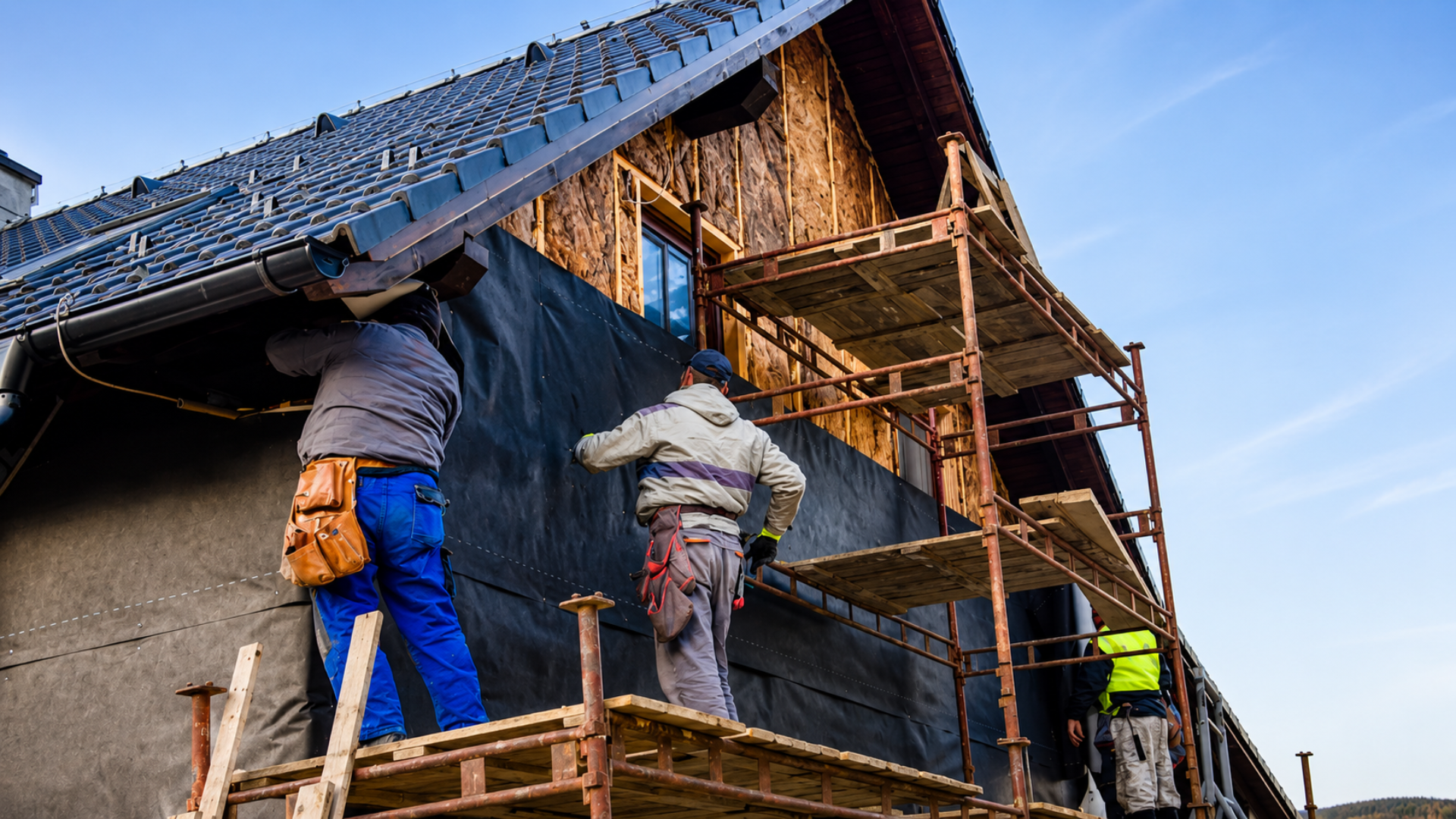

When an engineer visiting a Henderson, Nevada home dropped a marble on the kitchen floor, it rolled immediately into the corner. His verdict was blunt: “Your home is sinking.” Blake and Beth Horio had bought the house in 2022 as their retirement plan. Instead, cracks spread across their ceilings, sliding glass doors stopped functioning, and their foundation dropped several inches. Their story is far from unique.
The Horios’ Fight With Their Builder

The Horios filed a legal dispute against PulteGroup, the company that built their Henderson home. They say Pulte responded to their complaints but addressed only surface-level damage, including a ceiling crack, while ignoring the underlying soil problem. A company representative acknowledged that roughly 5% of homes in the community may have been affected by soil compression, adding that the company “stands behind the homes it builds.” Beth Horio says that is not enough.
A National Pattern Taking Shape

The Horios’ situation is part of a much larger trend. Legal liabilities at some of America’s biggest homebuilders, including D.R. Horton, Lennar, and PulteGroup, have surged in recent years as buyers increasingly pursue lawsuits over alleged construction defects. Homeowners describe a pattern of cracked foundations, mold, moisture intrusion, and failing ventilation. Builders insist these claims represent a tiny fraction of the homes they produce.
The Numbers Behind the Legal Surge
The financial scale of the problem is significant. D.R. Horton’s reserves for legal claims, which include projections for future cases, rose 57% to $1.1 billion between the end of fiscal 2022 and the end of fiscal 2025. Lennar’s self-insurance reserve, set aside for liabilities that standard insurance will not cover, climbed 21% in fiscal 2025 to $336.9 million. Nearly all of Horton’s reserves last year were tied specifically to construction-defect matters.
Families Living With the Consequences

For Tabatha Hayden, a paraplegic mother of five in Slidell, Louisiana, a D.R. Horton home with a porch ramp, wide doorways, and a backyard pond seemed like the answer to years of searching. Specialists later determined the house had a mold infestation caused by poor ventilation and a misplaced HVAC system. One of her children developed a sinus condition, another chronic headaches, and a third skin rashes. “We literally bought this house thinking it was going to be our forever home,” Hayden said.
Large-Scale Defect Cases Multiply

Defect complaints extend well beyond individual families. The Seminole Tribe of Florida alleges in litigation that Lennar built more than 450 homes with improperly installed roofs and walls so moisture-ridden they caused health problems. Meanwhile, thousands of Louisiana homeowners are pursuing claims against D.R. Horton, alleging their houses cannot keep out moisture. Lennar declined to comment. D.R. Horton did not respond to requests for comment from the Wall Street Journal.
Builders Point the Finger at Subcontractors

When builders do respond to defect claims, they frequently argue that subcontractors, rather than the companies themselves, are responsible. Once a claim is filed, builders’ lawyers often bring subcontractors into the case to share or absorb liability. PulteGroup reported that subcontractor involvement helped reduce its own self-insurance reserves in recent years. For builders, shifting responsibility matters financially: defending construction-defect cases is expensive, involving expert witnesses and forensic investigations that can cost more than the original repairs.
The Legal Battlefield Shifts

For years, builders relied on arbitration clauses in sales contracts to keep defect disputes out of court and away from juries. Plaintiffs’ lawyers are now successfully challenging those clauses, arguing buyers had no real choice when signing. Several cases have moved into state courts, where juries tend to be more sympathetic to homeowners. At the same time, homeowners with similar complaints are using social media to connect, compare experiences, and organize, accelerating the pace of new litigation.
An Industry Already Under Pressure

The spike in legal costs arrives at a difficult moment for homebuilders. Companies are already coping with a sluggish housing market, offering buyers significant mortgage-rate buydowns to drive sales. Rising materials costs and labor shortages are pushing up construction expenses across the board. Insurance providers for construction defects are also pulling back from the market, forcing builders to absorb more claims through self-insurance. Higher repair costs mean plaintiffs are claiming larger damages, compounding the financial pressure on the industry.
The Cost of Building Fast and Cheap

Florida attorney Bill Scherer, who represents the Seminole Tribe in its case against Lennar, put the economics plainly: “It takes so much to litigate a construction defect, you spend more than you do to build a house.” That calculation captures the core problem. The construction-defect surge now facing the industry is not simply a legal crisis, it is the compounded cost of prioritizing speed and margins over the people who trusted builders with the largest purchase of their lives.