HOAs Are Getting Aggressive About Unpaid Dues and Thousands of Homeowners Are Facing Foreclosure Over It

Floyd Mayweather Jr. built a fortune worth hundreds of millions of dollars. That did not stop a homeowners association in Las Vegas from filing foreclosure paperwork on a property linked to him this year, citing nearly $25,000 in unpaid dues, interest and legal fees. His case is not an outlier. It is a symptom of a shift rippling through hundreds of thousands of communities nationwide, where boards that once let missed payments slide are now moving straight to lawyers.
Foreclosure Filings Jumped Nearly 40% in Two Years
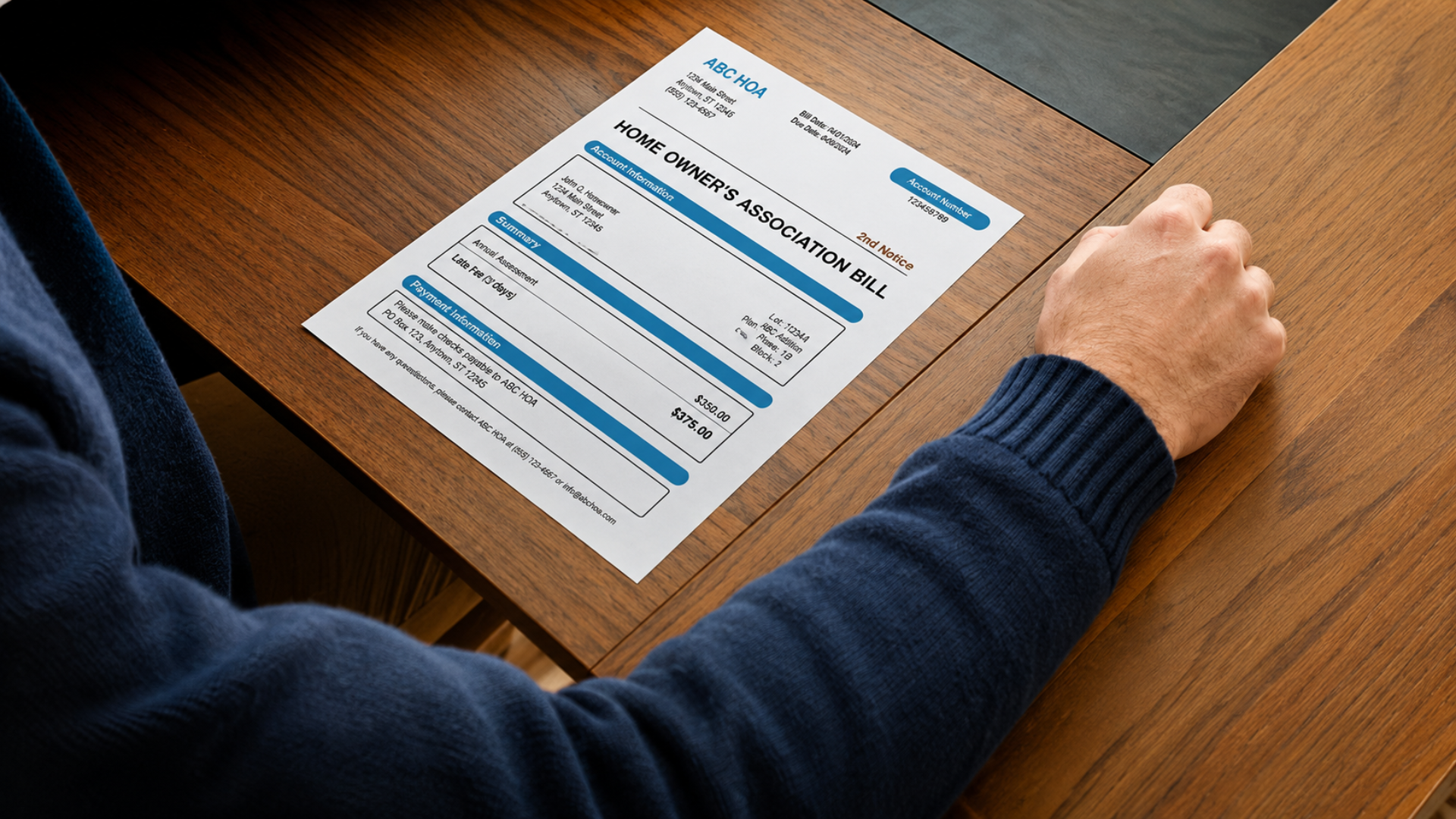
There were 6,376 properties tied to HOA-related foreclosure filings in the first quarter of this year, covering everything from initial default notices to completed sales. That figure is up close to 40% from two years earlier, according to real estate analytics firm Attom, and it is climbing faster than the overall mortgage foreclosure rate. Brian Fox, co-founder of real estate technology firm Benutech, said associations are being pushed into harsher collection tactics simply to keep their own finances from collapsing.
When One Neighbor Stops Paying, Everyone Else Covers the Gap

HOAs pool dues and special assessments to pay for shared spaces, landscaping and repairs. When a resident stops paying, that money does not disappear. The remaining homeowners typically absorb the shortfall through higher fees or thinner budgets. It is a structural vulnerability that turns individual delinquencies into community-wide problems, and it explains why boards that once tolerated missed payments are now treating them as a direct threat to everyone else’s dues.
Insurance Premiums Rose for 91% of Associations
Delinquencies are only part of the squeeze. Between 2024 and early 2025, master insurance premiums covering shared property and general liability rose for 91% of community associations, and 17% saw increases of more than 100%, according to the Foundation for Community Association Research. Reserve funds that looked healthy in 2020 have since been drained by soaring repair costs for items like roofs, leaving boards with far less room to absorb a resident who falls behind.
A Long Island Condo Board Faces an $8,900 Monthly Shortfall
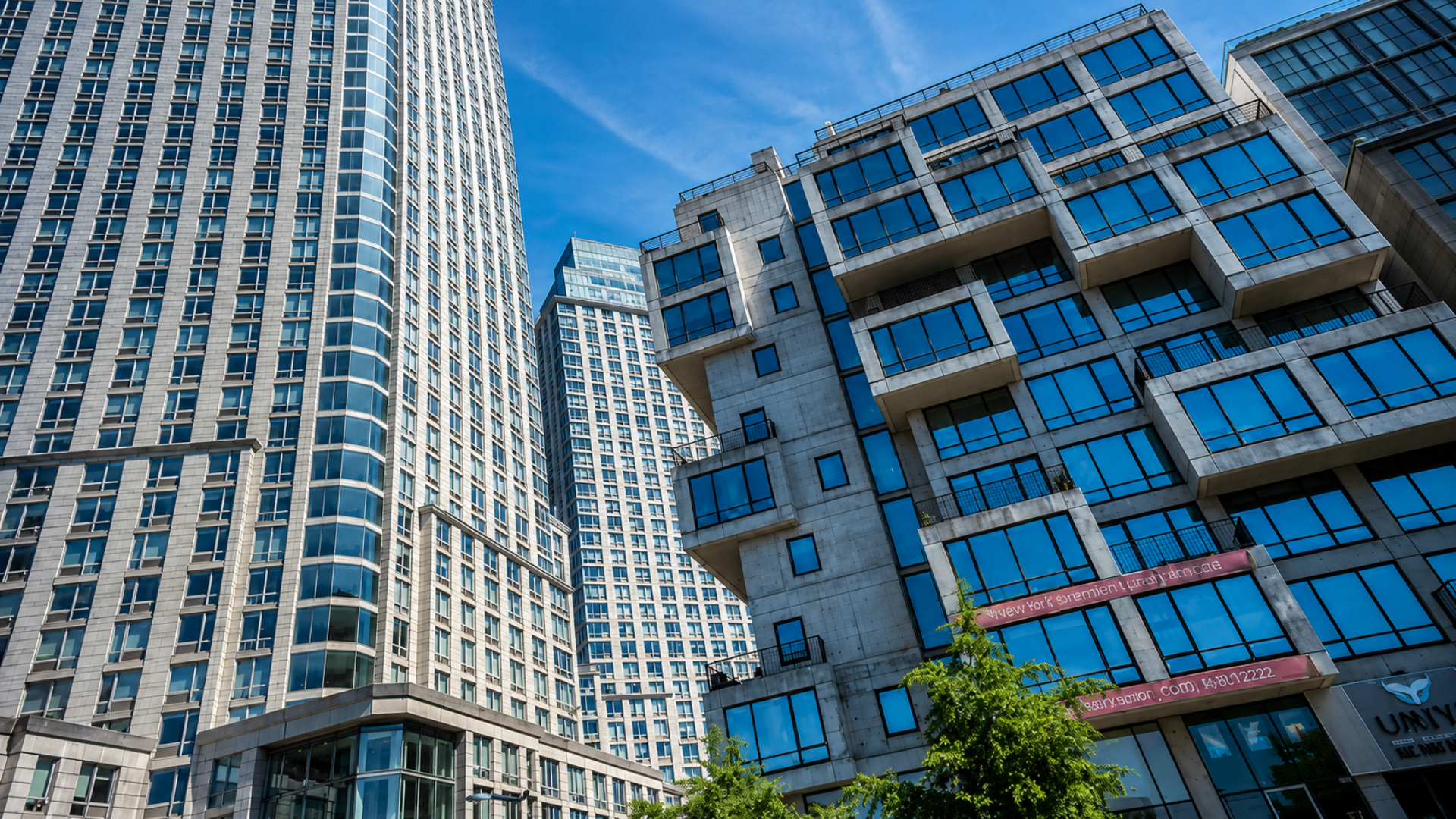
Fairview Condo 1 in Middle Island, New York, has 15 of its 202 units behind on $595 monthly dues. That creates a shortfall of roughly $8,900 a month, nearly double the eight delinquencies the board typically budgets for. Ten of those units are already in foreclosure. Some owners lost jobs or went through divorce. Others are investors who stopped paying once their own tenants quit paying rent, said association president Deborah Amilowski.
HOAs Filed More Than 285,000 Liens Last Year
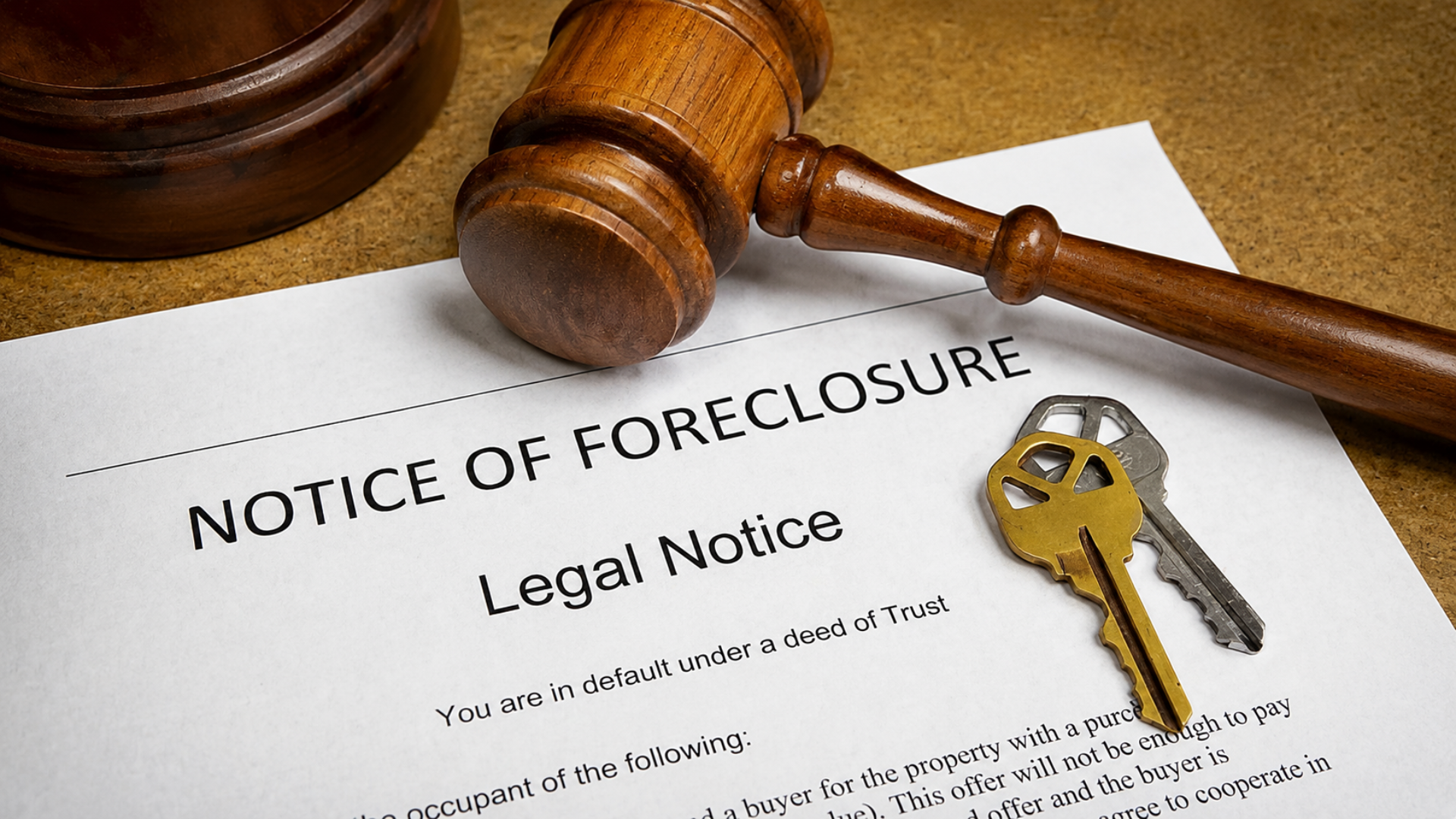
State laws require formal notice periods, usually 30 to 45 days, before an HOA can file a lien or send a case to foreclosure. Yet HOAs filed more than 285,000 liens last year, up 8.8% from the year before, according to Benutech. The Community Associations Institute says many associations still offer payment plans and work directly with struggling homeowners. The numbers suggest that leniency is shrinking as budgets tighten across the board.
In 20 States, HOA Debt Can Outrank the Mortgage Itself

A paid-up mortgage offers no protection in most states. HOAs can foreclose over unpaid dues regardless of a homeowner’s mortgage status, and in roughly 20 states, HOA liens carry “super priority” status that can place them ahead of even the primary mortgage lender, said Stephen Hladik, a Pennsylvania lawyer specializing in foreclosures. Glen Weinberg, founder of Fairview Commercial Lending, said state rules like capped legal fee reimbursements have pushed some associations, including in his home state of Colorado, toward the brink of insolvency.
The 2021 Surfside Collapse Rewrote the Rules for Reserves
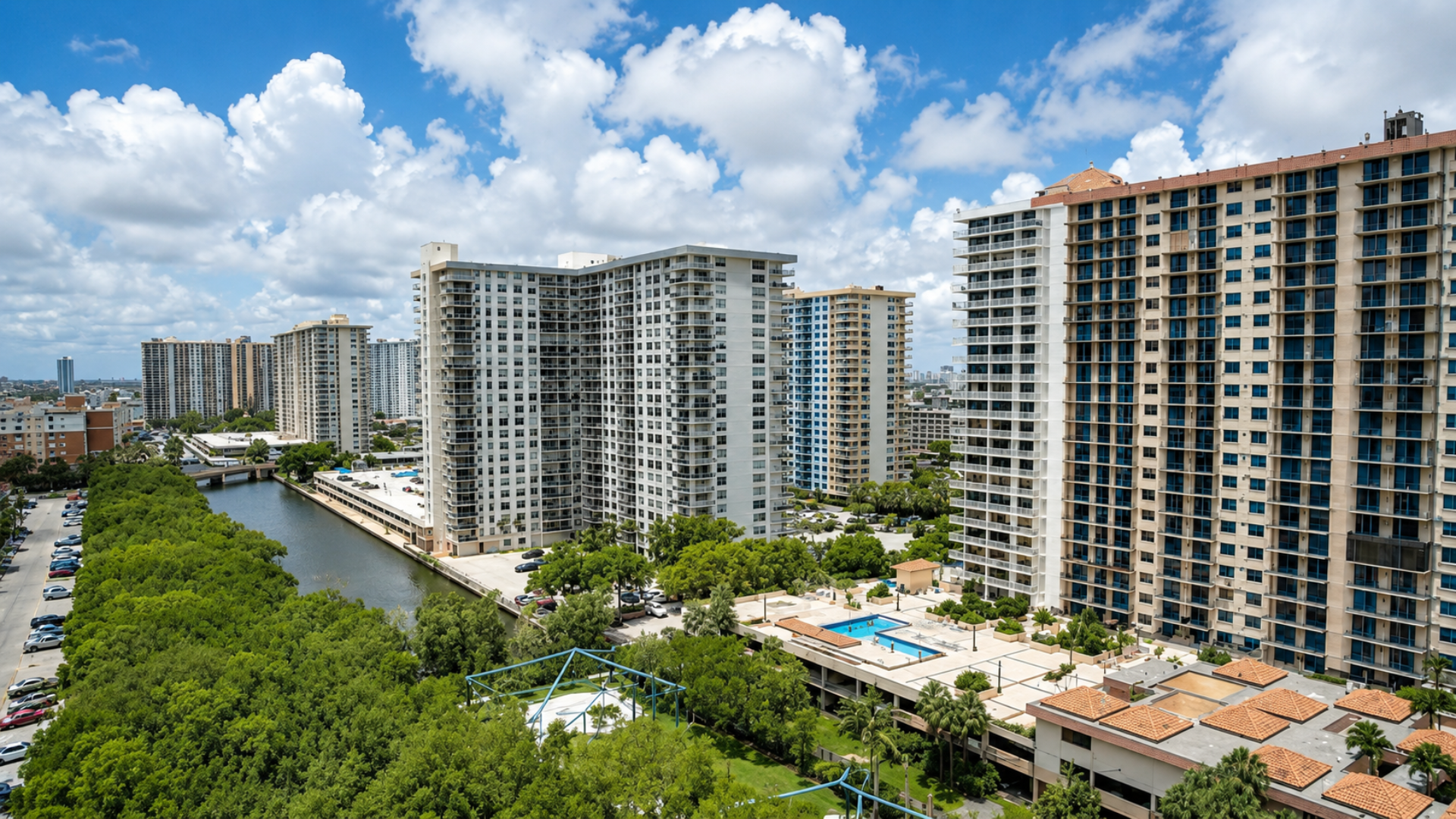
Many associations are now scrambling to meet stricter safety standards enacted after the 2021 Surfside condo collapse in Florida, which banned underfunding structural reserve accounts. Decades of delayed maintenance, meant to keep dues artificially low, left some boards with no choice but to issue large special assessments or raise dues outright. New York real estate lawyer Marc Schneider recently worked with a Long Island HOA whose annual insurance premium jumped from $60,000 to $360,000 in a single stretch.
Delayed Repairs Now Threaten the Property Values They Protect
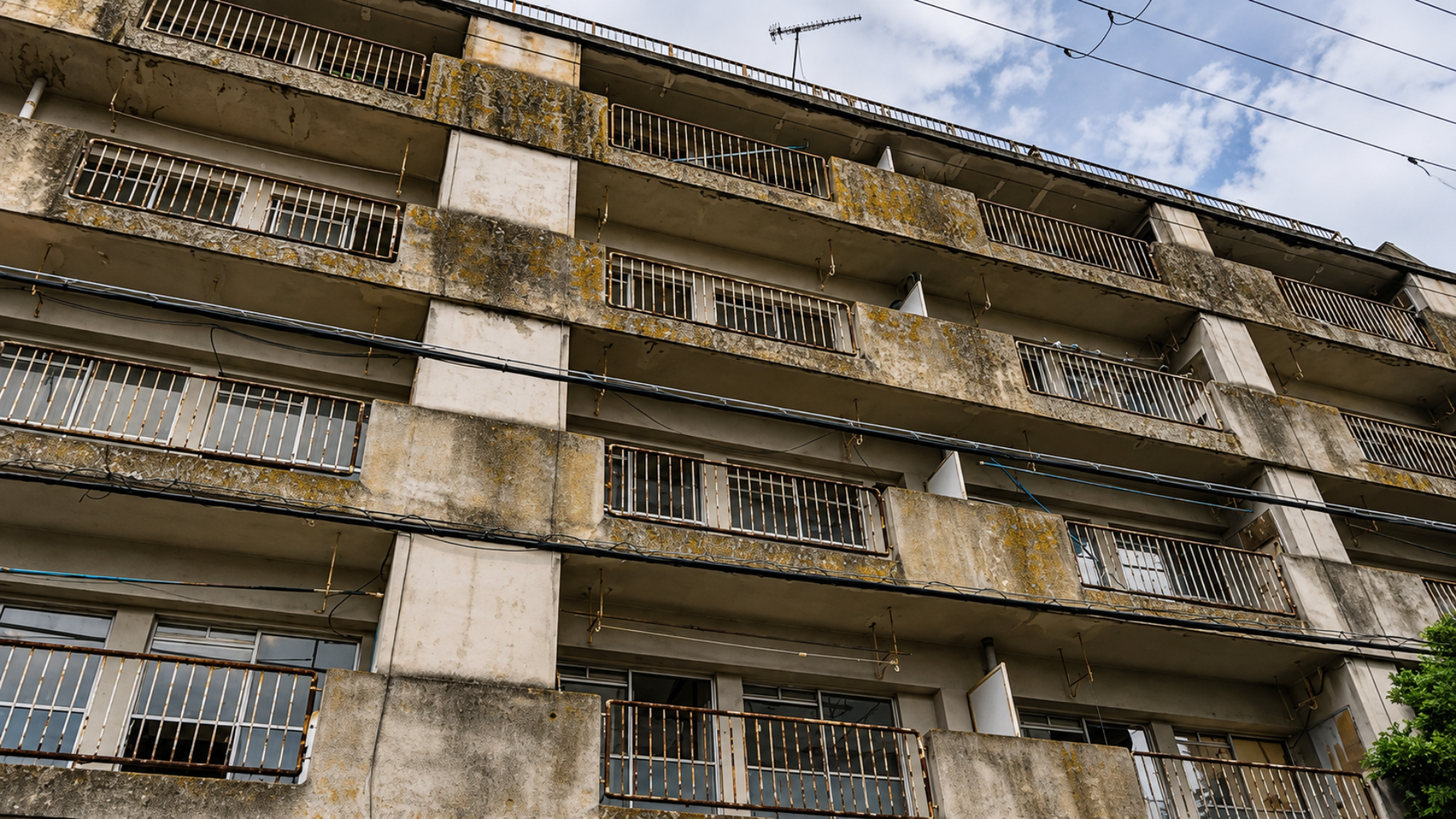
When delinquencies and foreclosures force boards to cut spending, the damage spreads beyond the HOA’s balance sheet. Schneider said deferred upkeep ultimately drags down property values for the entire neighborhood. At Fairview Condo 1, the board has held off on cash reserves and special assessments by trimming routine spending instead, delaying projects like power-washing buildings and planting new flowers. Fronting legal fees for foreclosure cases remains costly and slow, Amilowski said.
Boards Say They Have No Choice Left
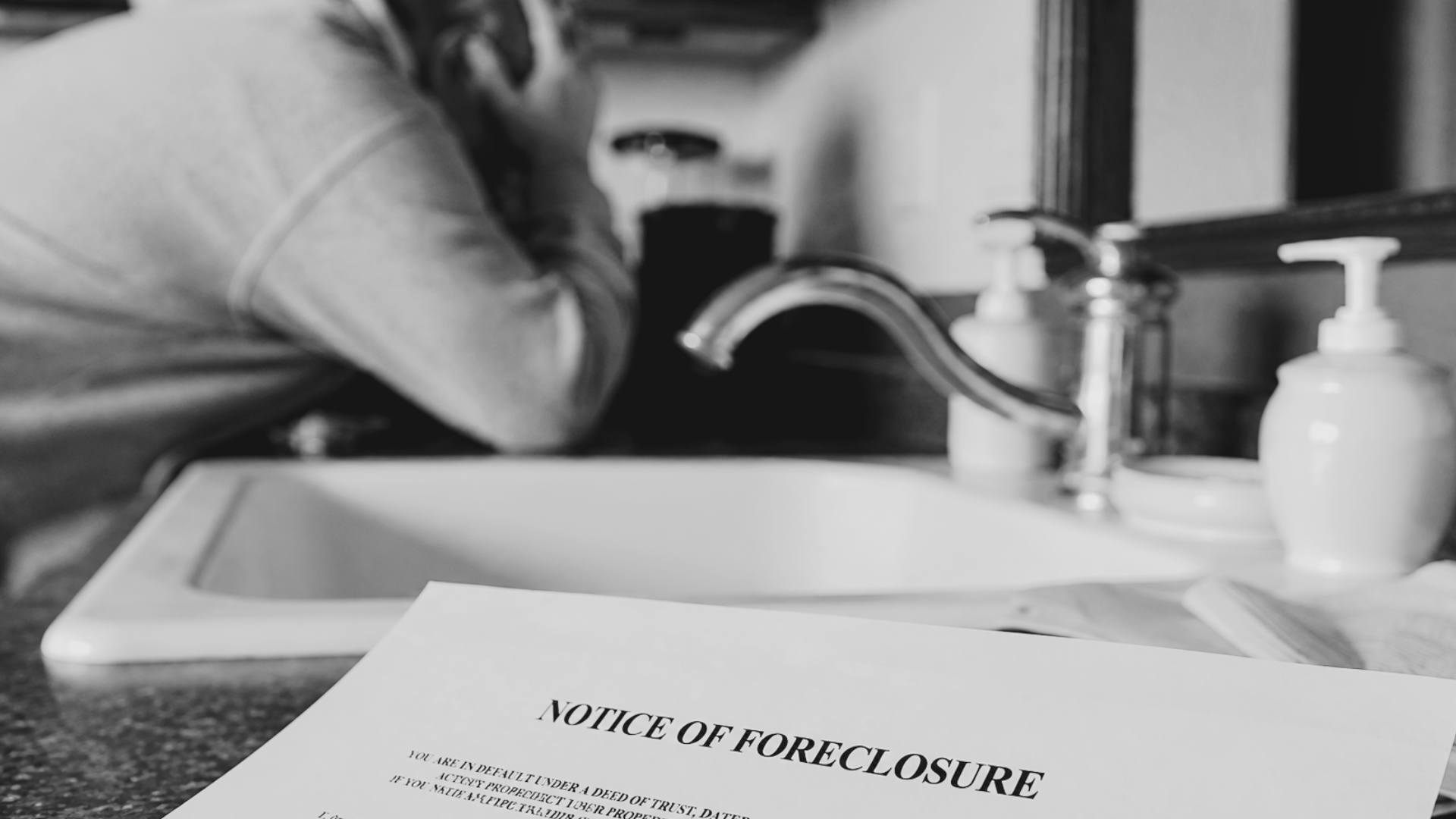
The math has stopped giving associations room to look away. Rising insurance costs, drained reserves and stricter safety mandates have collided with resident delinquencies at the exact moment boards can least afford to absorb them. For association leaders like Amilowski, the calculus comes down to protecting the community that remains. “We have to do what’s best for the entire community,” she said. Foreclosure has become the last tool left when leniency is no longer affordable.