History Suggests This Economic Trend Could Make America Richer Again


Throughout U.S. history, periods of rapid economic growth have often followed major waves of innovation, investment, and industrial expansion. A growing number of economists believe America may be entering another such period, driven by advances in artificial intelligence, domestic manufacturing, infrastructure spending, and new technologies. While challenges remain, supporters argue that these long-term trends could help strengthen the economy and create new opportunities for businesses and workers alike.
Innovation Has Powered Past Economic Booms
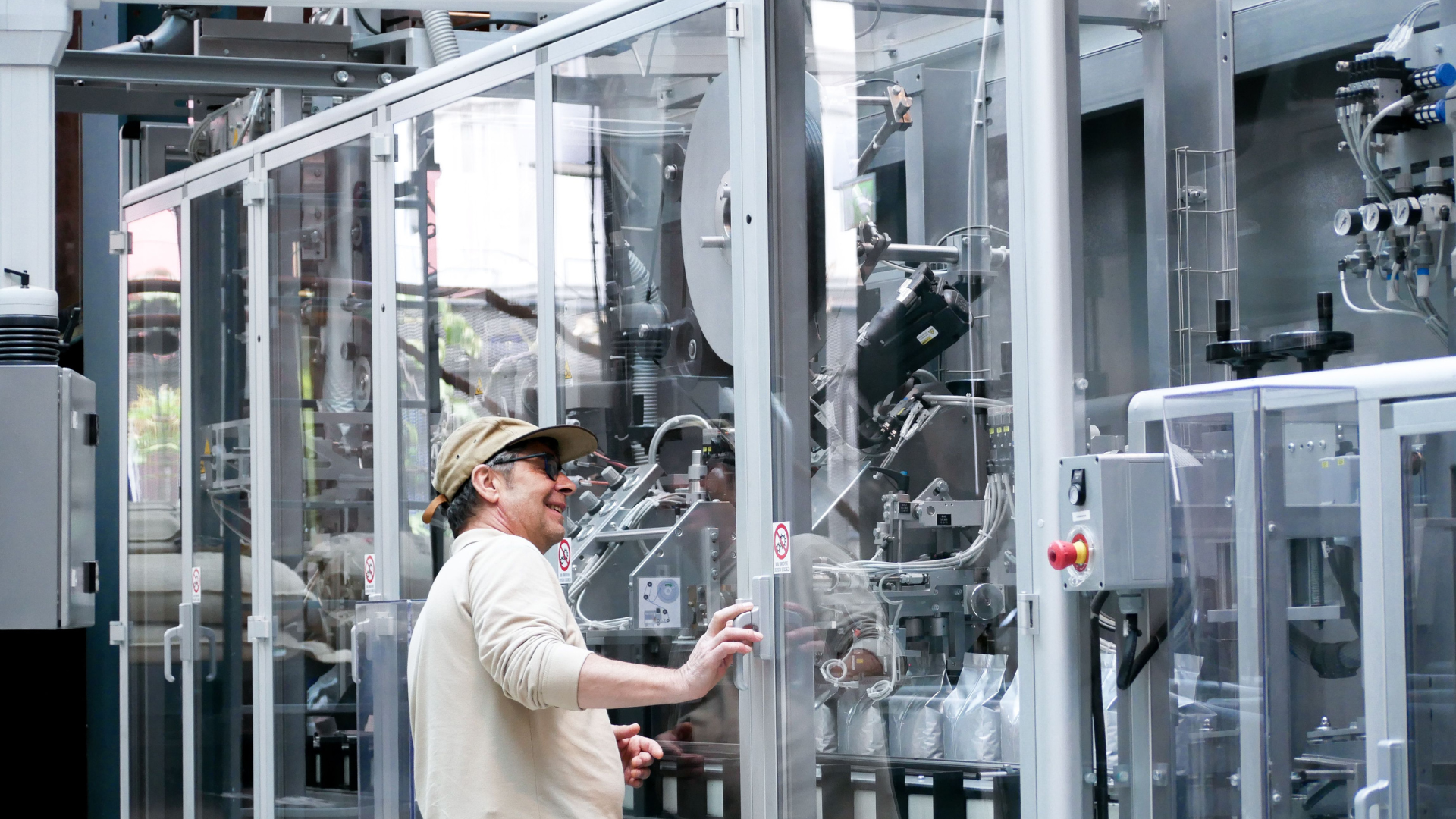
The United States has experienced several periods of remarkable economic growth fueled by innovation. The Industrial Revolution, the expansion of railroads, widespread electrification, the rise of automobiles, and the internet all transformed productivity and created entirely new industries. These breakthroughs not only generated wealth but also expanded employment and improved living standards for millions of Americans.
Manufacturing Is Receiving New Investment
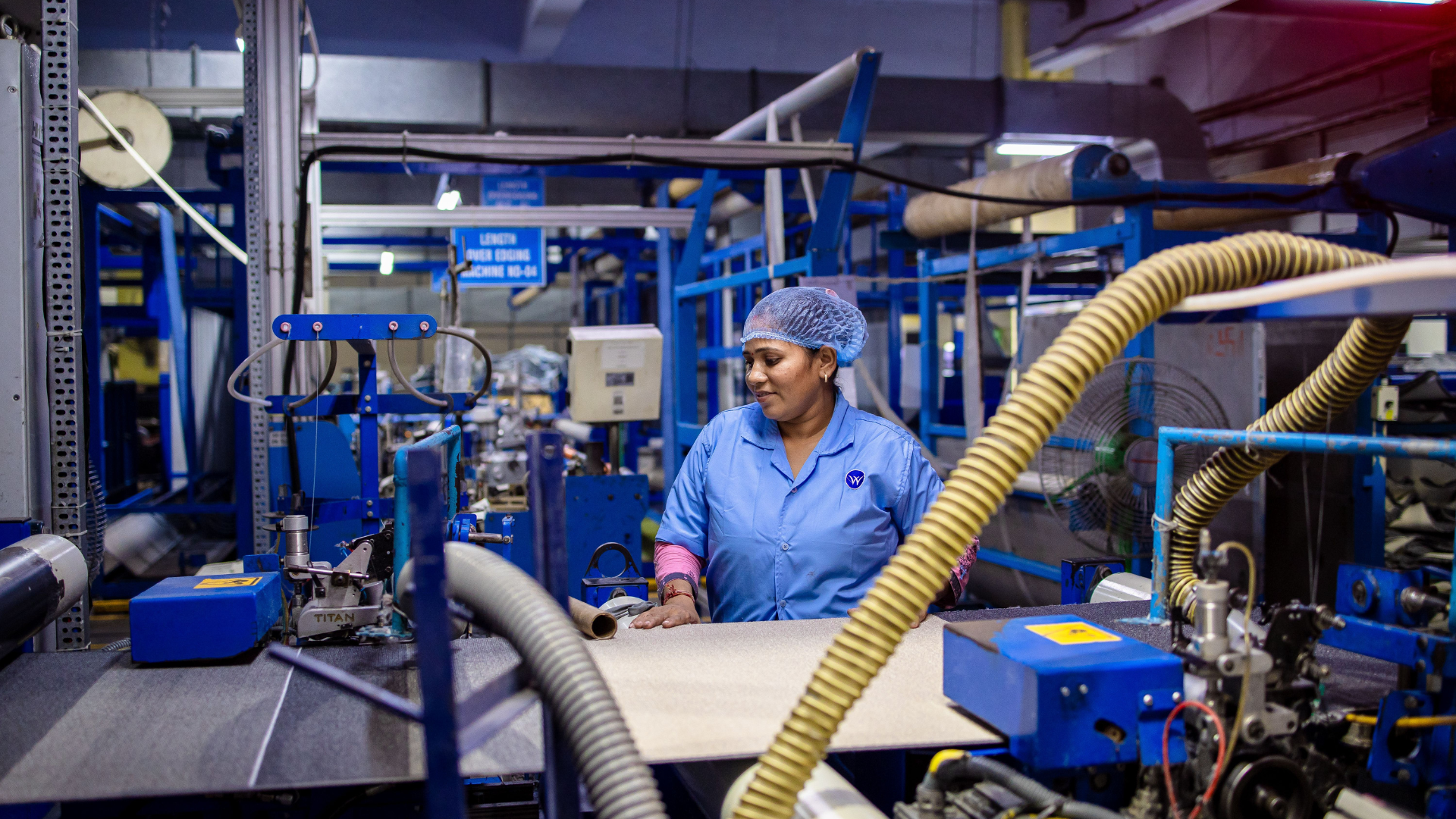
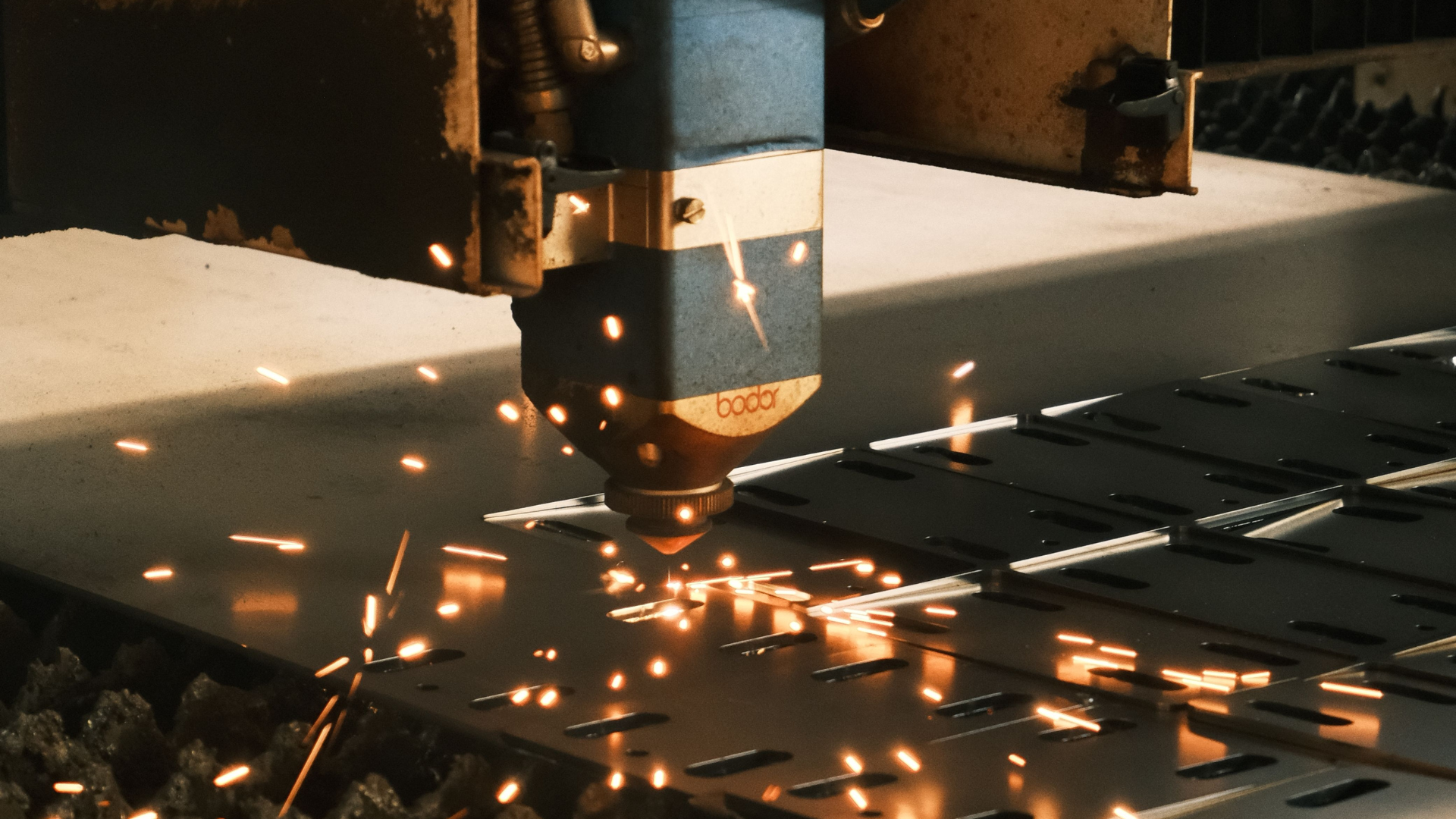
After decades of production shifting overseas, manufacturers are investing billions of dollars in new facilities across the United States. Semiconductor plants, electric vehicle factories, battery production sites, and advanced manufacturing centers are opening in multiple states. Supporters say producing more goods domestically could strengthen supply chains, create skilled jobs, and improve long-term economic resilience.
Artificial Intelligence Could Boost Productivity

Artificial intelligence is rapidly changing how businesses operate. Companies are using AI to automate repetitive tasks, analyze data more efficiently, improve customer service, and speed up research and development. Economists say that if businesses successfully adopt these technologies, productivity gains could increase economic output much like previous technological revolutions did.
Infrastructure Projects Are Creating Long-Term Benefits
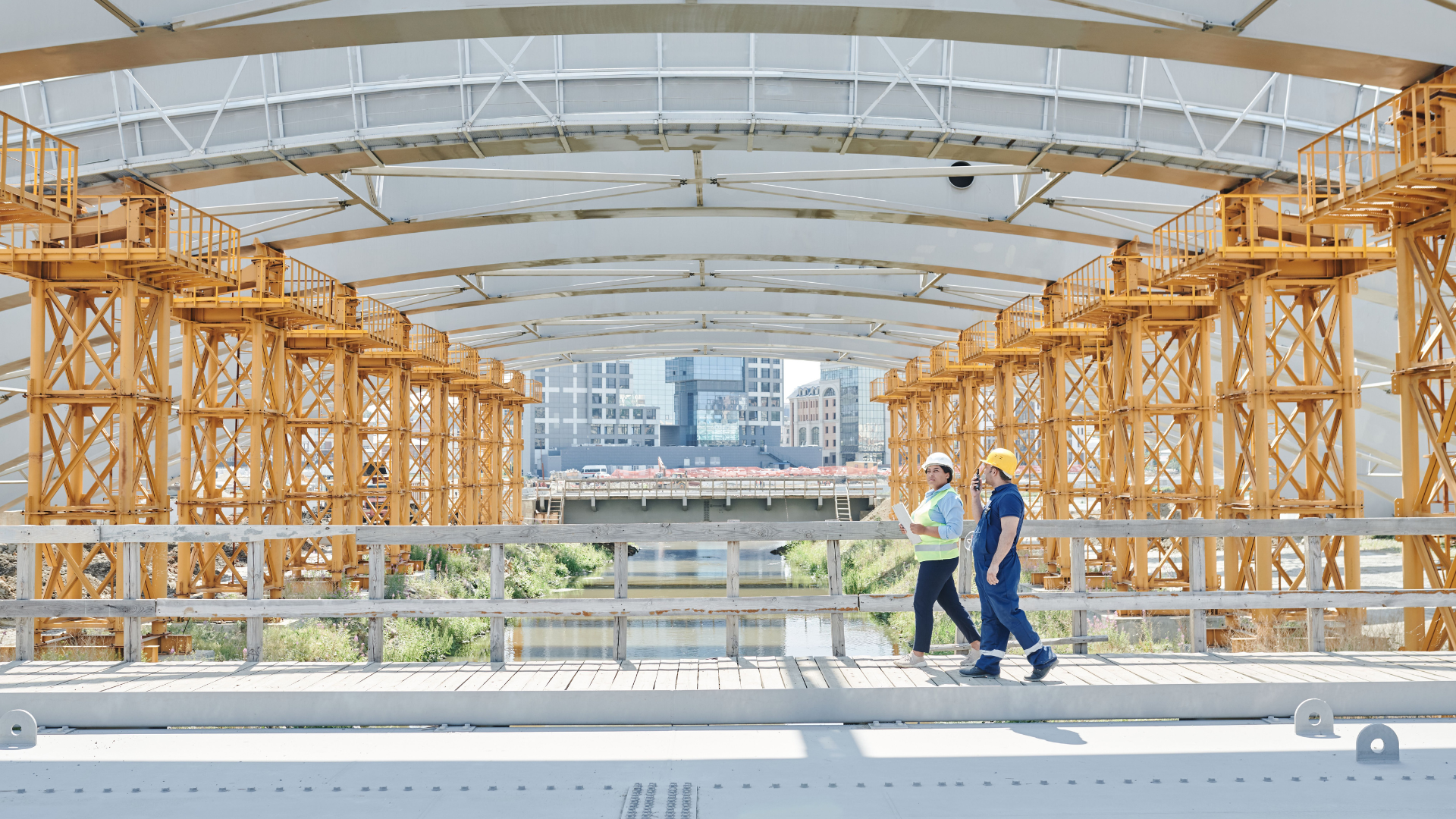
Large investments in roads, bridges, ports, airports, broadband networks, and energy infrastructure are expected to improve the movement of goods and services across the country. Better infrastructure can reduce transportation costs, improve efficiency, attract new businesses, and support future economic growth by making it easier for companies to expand operations.
Energy Production Is Changing the Economy
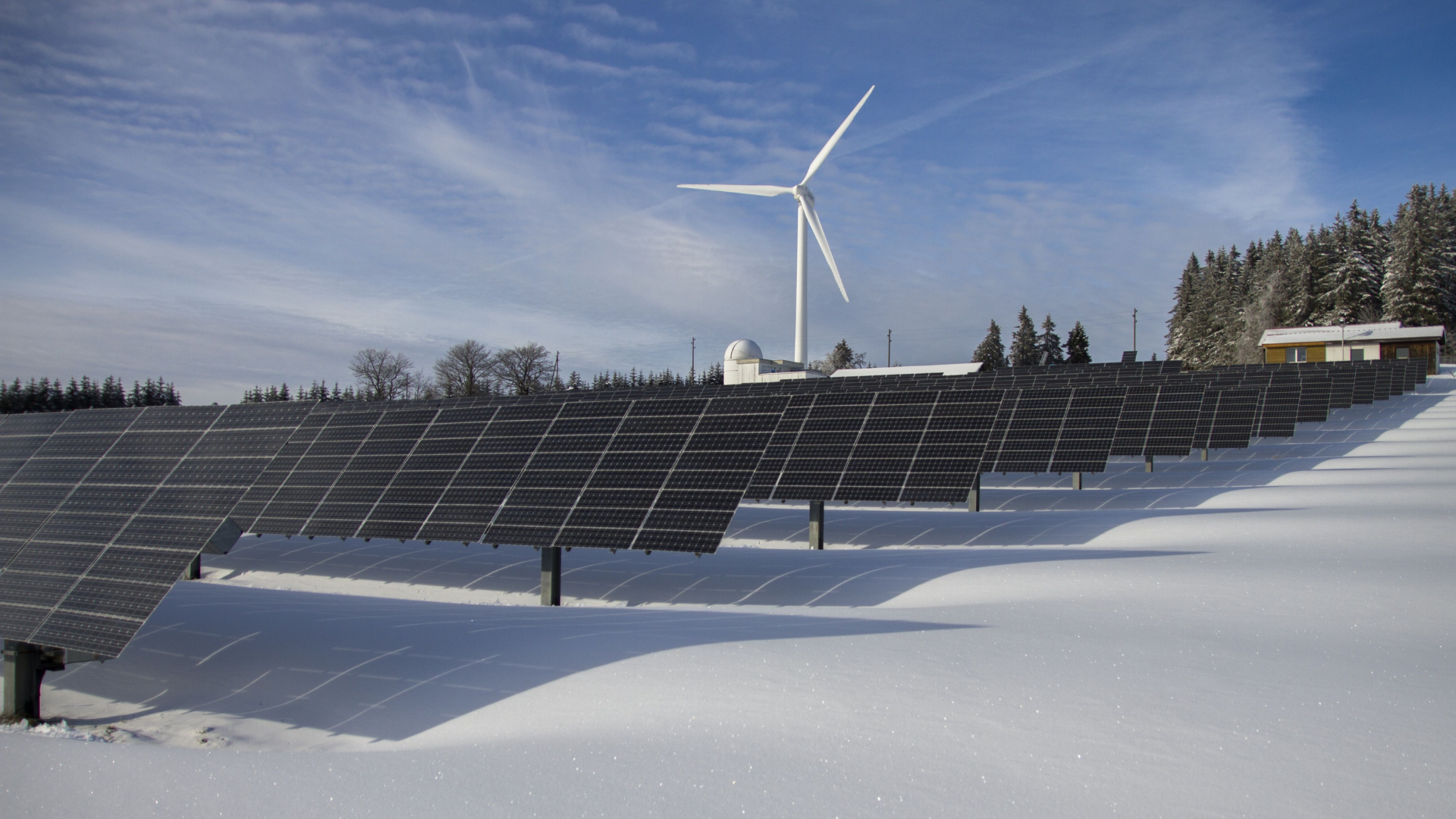
America’s energy sector continues to evolve with investments in both traditional energy production and renewable technologies. Expanding electricity generation, upgrading power grids, and increasing domestic energy production may help support manufacturing growth while providing the energy needed for data centers, electric vehicles, and other emerging industries.
Workforce Skills Will Be More Important Than Ever
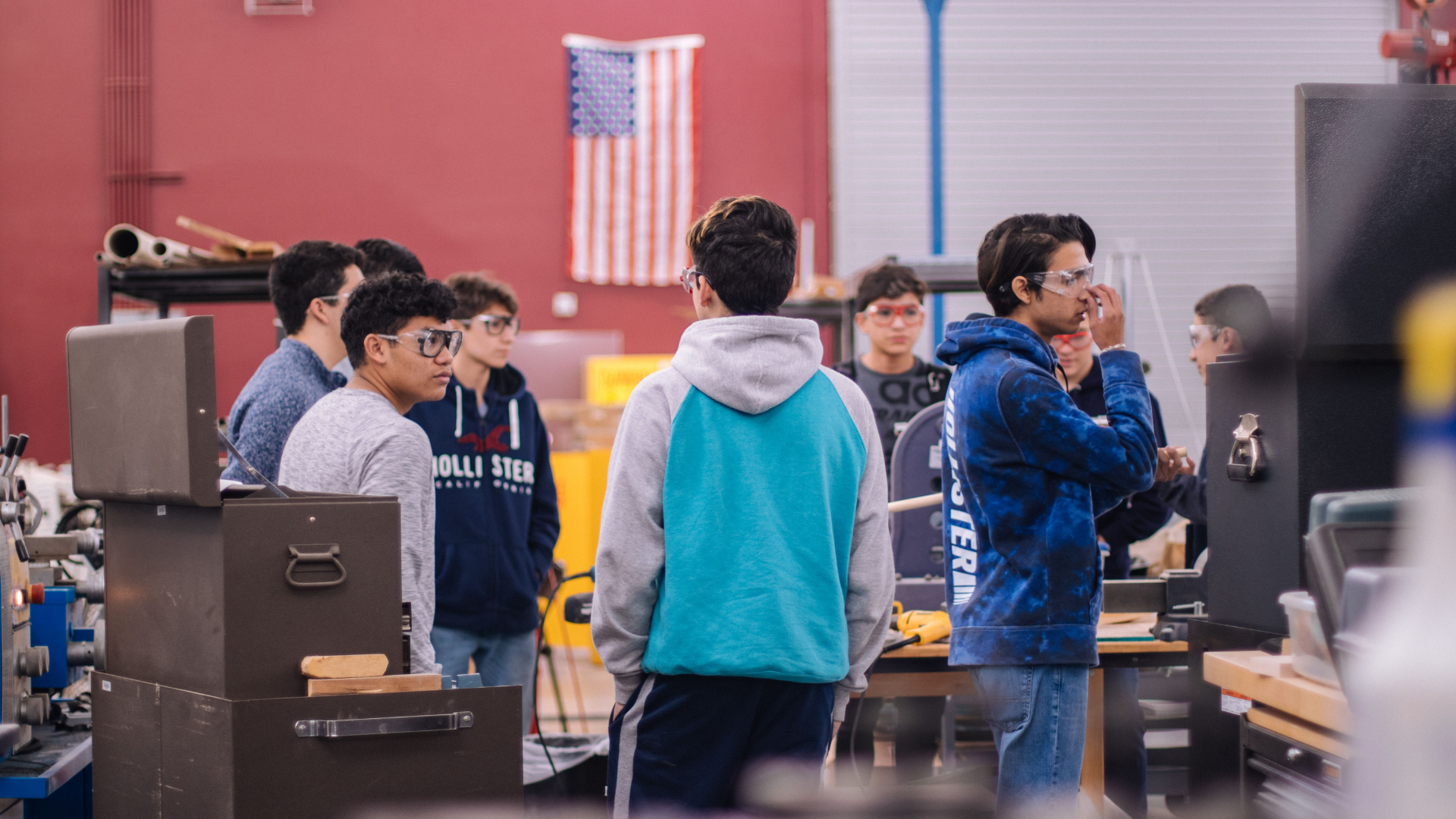
As industries become more advanced, employers are looking for workers with specialized technical skills. Apprenticeships, community colleges, vocational programs, and continuing education are helping prepare workers for careers in manufacturing, healthcare, engineering, technology, and skilled trades. Experts say investing in education will be critical to sustaining future economic growth.
Economic Growth Doesn’t Benefit Everyone Equally

Although periods of economic expansion often create new opportunities, the benefits are not always distributed evenly. Some industries may grow rapidly while others face disruption from automation or changing consumer demand. Economists note that policies supporting workforce training, small businesses, and innovation can help more people participate in future growth.
History Shows Growth Often Takes Time
Major economic transformations rarely happen overnight. Previous periods of prosperity developed over many years as businesses invested, workers adapted to new technologies, and infrastructure expanded. While short-term economic conditions may fluctuate, history suggests that sustained innovation and investment often produce lasting economic gains over time.
America’s Next Growth Chapter May Already Be Beginning
No one can predict exactly how the economy will evolve, but history offers reasons for cautious optimism. Advances in technology, renewed manufacturing investment, infrastructure improvements, and workforce development all have the potential to strengthen America’s economy over the coming years. If these trends continue, they could help create new jobs, encourage business growth, and support another period of long-term prosperity similar to previous eras of American economic expansion.