Hiker’s Chance Discovery Uncovers a 1,500-Year-Old Artifact Linked to Tragedy


A hiker in Norway made an unexpected archaeological discovery while exploring remote mountain terrain. The find was an ancient device buried for centuries in ice and snow.
Officials say the discovery now offers scientists a valuable look into past human activity.
The device turned out to be part of a reindeer hunting trap built about 1,500 years ago. It included wooden structures and tools that hunters used to funnel and capture animals. At first, the hiker simply noticed something unusual emerging as the ice melted.
The Discovery in Detail
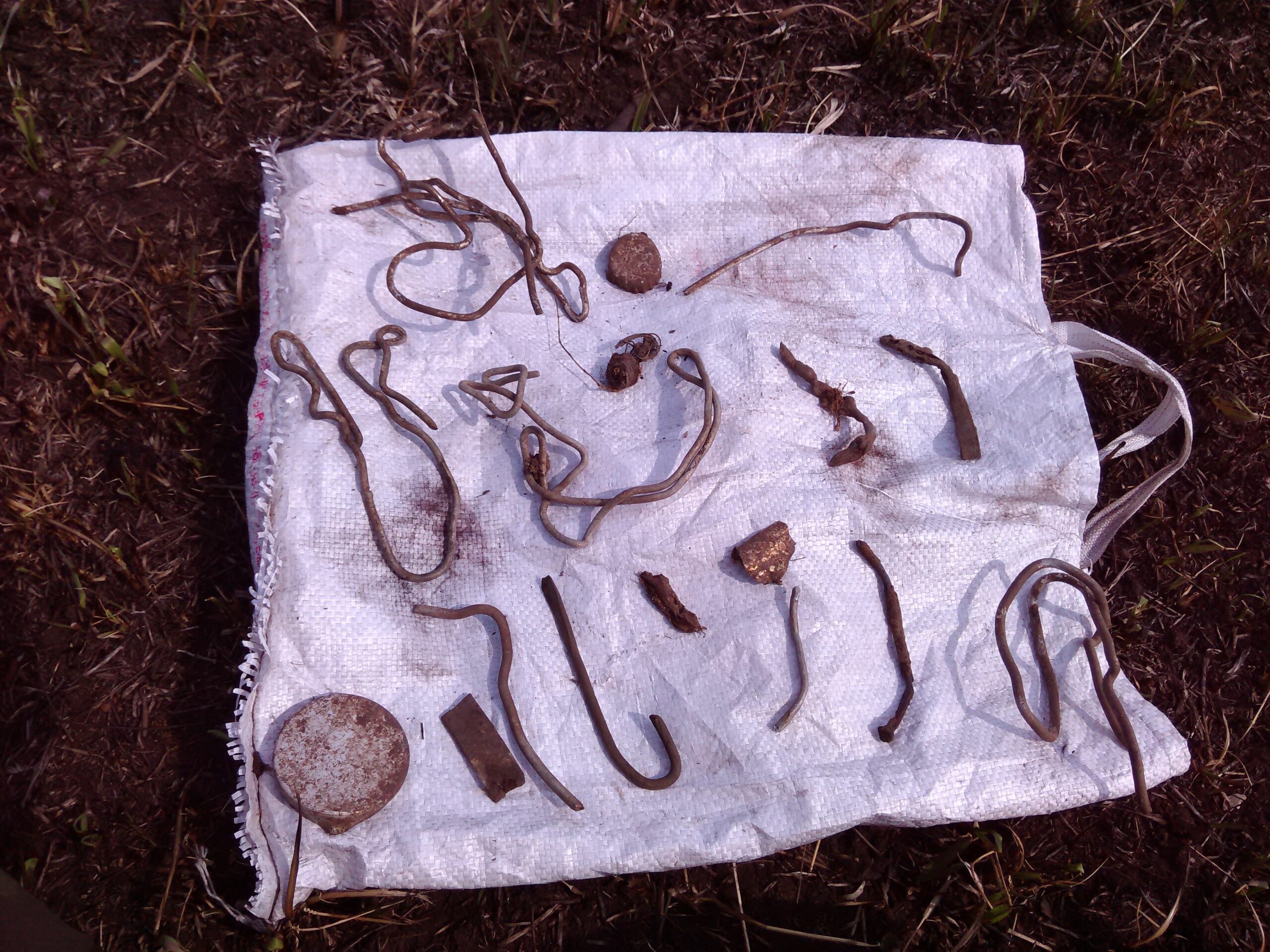
Local hiker Helge Titland spotted exposed wooden logs at around 4,600 feet elevation in Vestland County. At first, Titland was unsure what he was seeing and reported it to authorities. Archaeologists were soon called in to examine the material.
Experts from regional museums confirmed the age and significance of the find. The wooden fences, spearheads, and antlers suggested a complex trap used by people of the Early Iron Age. Many of the items were remarkably well preserved given their age.
Beyond wooden structures, the team found decorative items and hunting tools, including arrows and iron spear points. The arrangement of these items indicated this was not random debris. Instead, it pointed to deliberate construction by those ancient hunters.
The Site Is the Only One of Its Kind Ever Found in Norway
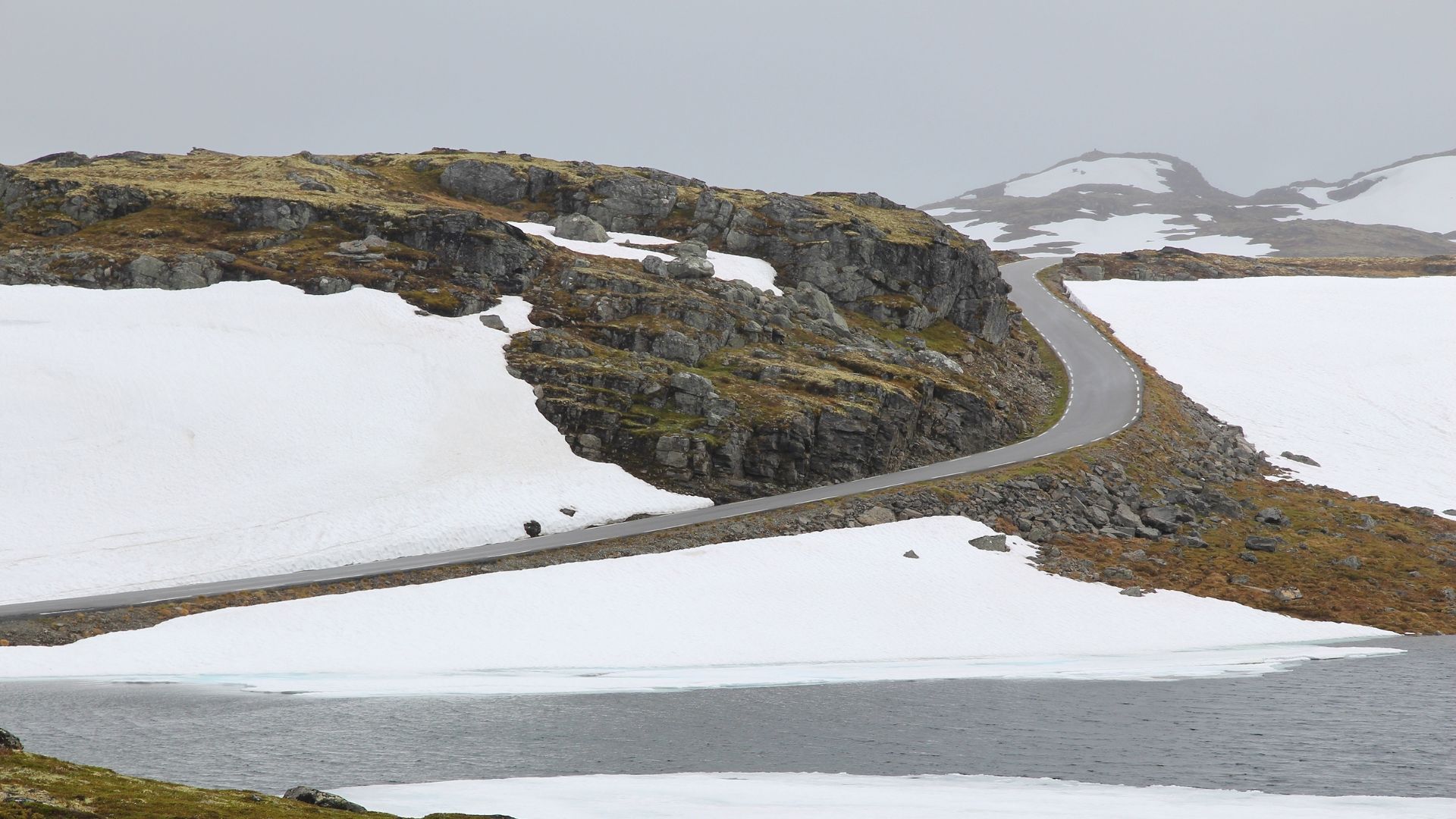
The structures at Aurlandsfjellet turned out to be the only wooden mass-capture facility ever found in ice in Norway—and possibly all of Europe, according to Øystein Skår, an archaeologist with Vestland County. The trap features two fences made from large logs. Iron Age hunters used these to funnel wild reindeer toward waiting hunters armed with spears and arrows.
Leif Inge Åstveit, an archaeologist at the University Museum of Bergen, told the Norwegian Broadcasting Corporation that the trap dates to the end of the early Iron Age, which lasted from roughly 500 B.C.E. to 550 C.E. At that time, societies in Norway were growing and becoming increasingly organized. Wealthier individuals were settling in fjord villages in western Norway.
The discovery offers insight into the importance of reindeer hunting in a broader societal context during the early Iron Age, Åstveit told the Norwegian Broadcasting Corporation. As for the wealth of the fjord communities, researchers now suspect that wild reindeer hunting played an even greater role than earlier believed, Åstveit adds.
A Climate Shift Likely Buried the Trap for Centuries
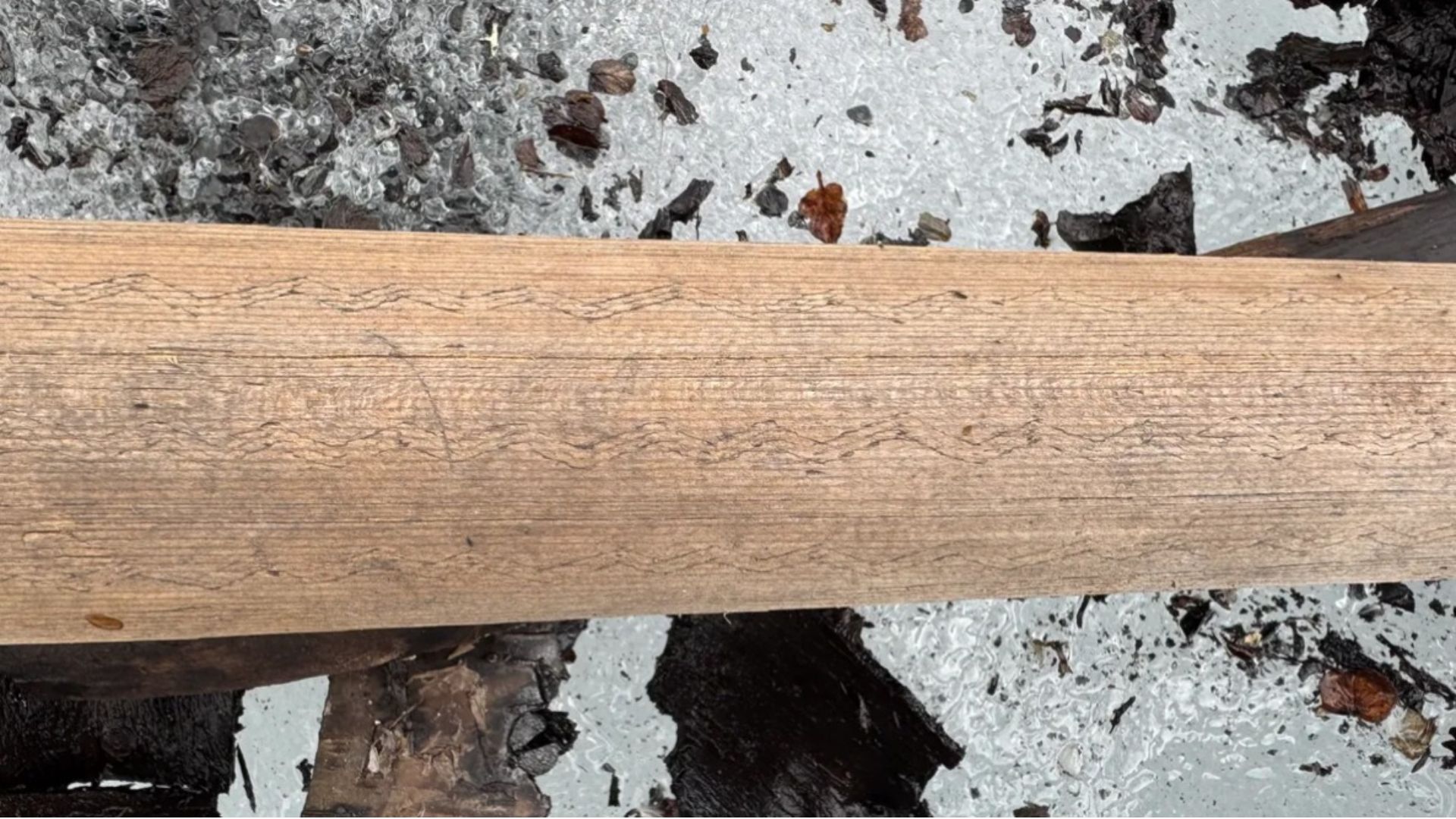
Researchers think a cool period in the mid-sixth century might have brought more snowfall to the area, driving away the hunters. The trapping facility was probably buried under snow and ice soon after it was abandoned, which explains the excellent preservation of the wooden structures and deer antlers found at the site.
By the time researchers arrived to investigate it in fall 2025, additional ice had melted since Titland’s discovery in 2024. The continued melting exposed more of the wood and artifacts. Thomas Bruen Olsen from the University Museum of Bergen documented the site. The progressive ice loss revealed more details about the trap’s construction and scale.
Parts of Aurlandsfjellet are protected by Norway’s Cultural Heritage Act. The trap’s remote location at high elevation meant researchers had limited time to document the site during accessible weather conditions. The progressive ice melt continues to expose more of the structure, offering new details while also threatening the preservation of delicate wooden materials.
What the Find Reveals — and Why it’s Worrisome

Researchers quickly noted that the site was buried in ice and snow for centuries before it became exposed. That long preservation occurred because the climate at high altitudes stayed cold for many generations. But recent warming trends have changed that.
Scientists say the melting ice that revealed this ancient trap also signals accelerating loss of mountain ice in the region. Ice that once protected this archaeological site from the elements is now disappearing at a rapid pace. These changes reflect broader warming patterns affecting mountain ecosystems worldwide.
The implications go beyond archaeology. Melting ice contributes to shrinking freshwater reserves and rising sea levels that affect communities far from the mountains. Local weather patterns have also become more variable, with runoff and seasonal changes posing challenges for water management.
Researchers Found Decorated Objects That Don’t Make Sense
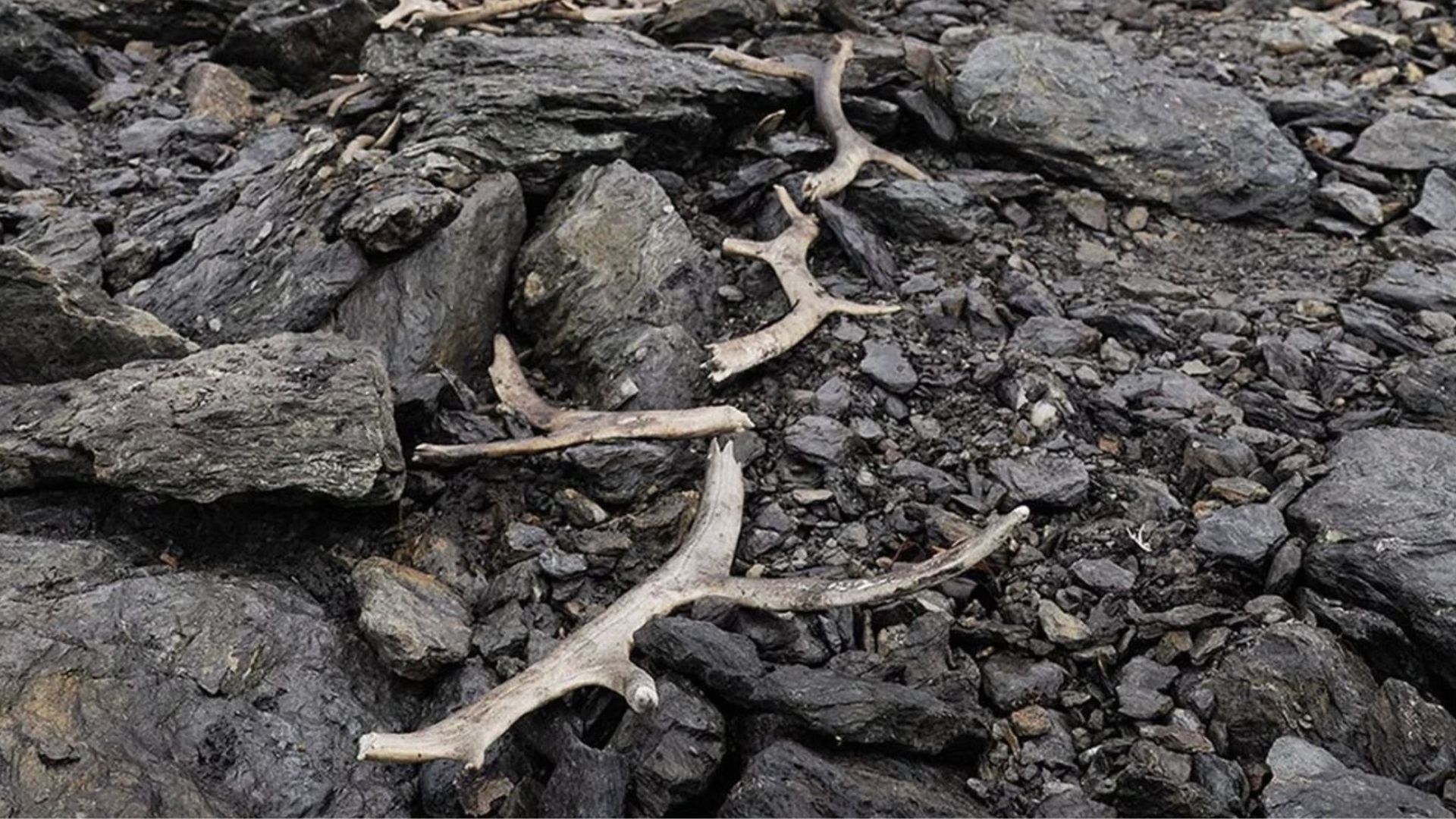
Researchers found iron spearheads, wooden arrows, and parts of bows at the site. They also discovered a brooch carved from an antler among the hunting tools. The decorative piece was found alongside the functional equipment scattered throughout the trapping facility.
The most unexpected discovery is one or more oars decorated with detailed ornamentation, Skår says. What these were used for, and why they were brought into the mountains 1,500 years ago, is still a mystery, he adds. The decorated oars are particularly puzzling at 4,600 feet above sea level.
All of the discoveries are now being kept in a freezer in the University Museum of Bergen’s conservation department, where they will slowly dry off. Skår says that melting ice puts other artifacts at risk, per Science Norway. Once the ice melts further, any wooden material will decay quickly.
Melting Ice Keeps Revealing Norway’s Ancient Hunting Past

Norway has a large population of wild reindeer, and hunters have been devising methods of killing the animals for many centuries. In 2022, researchers in Norway discovered 1,700-year-old arrows near 40 stone-built hunting blinds, where hunters once hid from passing deer.
In 2023, experts unearthed a collection of 1,500-year-old “scaring sticks”—wooden poles topped with small flags—which hunters once stuck in the snow in lines, reported McClatchy. Reindeer were frightened of the flags, so they ran away from the line and toward waiting archers.
One challenge now is that objects risk disappearing as people collect them, Skår says. Once artifacts are taken from the site, information about their context is lost. And once the ice melts further, any wooden material will decay quickly, he adds.
A Warning for the Future
The discovery has opened a rare window into how people lived and hunted more than a millennium ago. It offers historians and archaeologists a chance to understand ancient technology and behavior in a region once cloaked in ice.
At the same time, this find highlights the tangible effects of global warming on our natural heritage.
What was hidden for centuries is now exposed — not just by chance, but by a climate that is changing faster than anyone expected.