Highly Poisonous Mushroom Outbreak in California Leads to Highest Deaths in State’s History
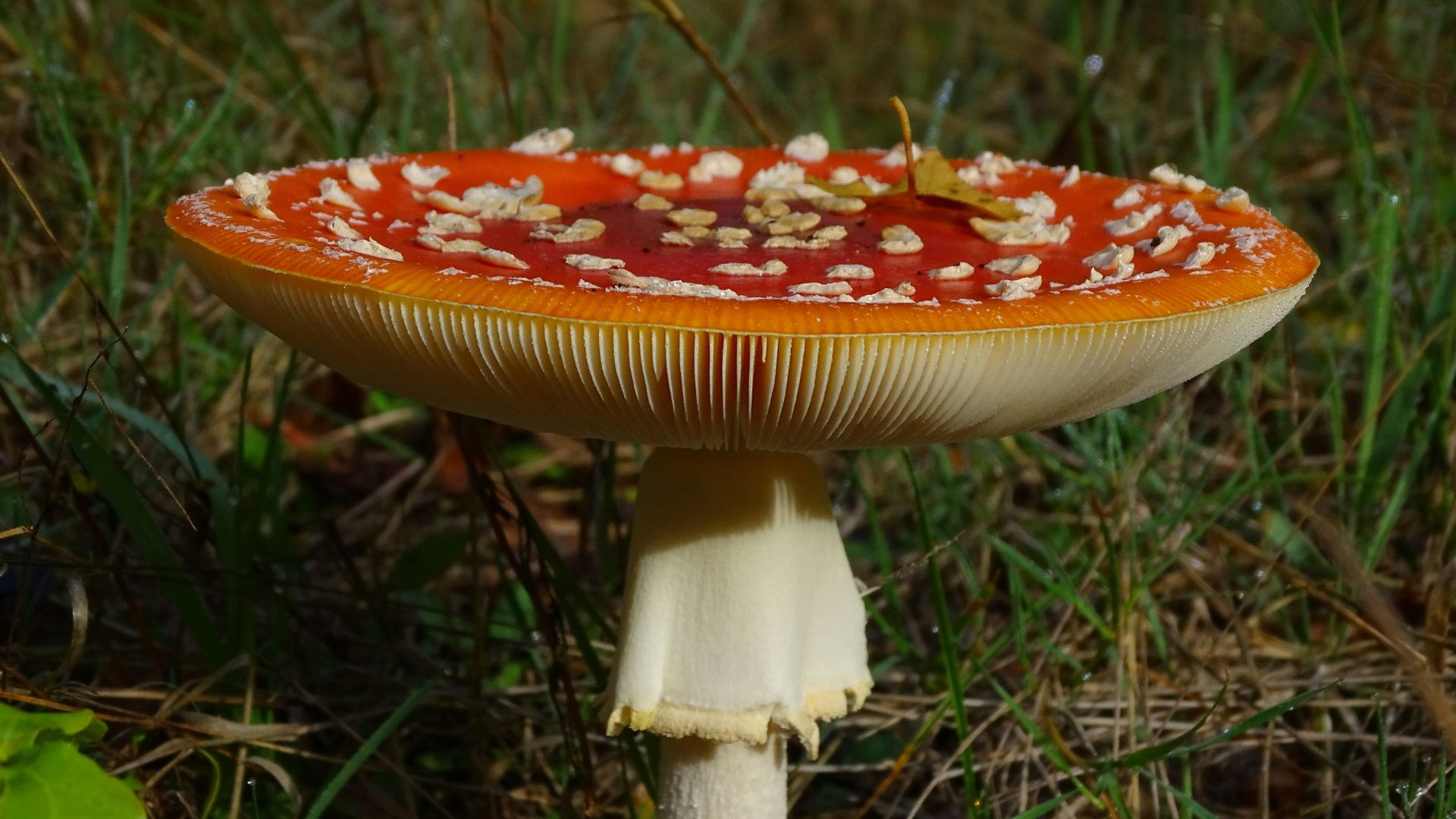

California’s winter rains usually bring green hills and full reservoirs, and lately they’ve brought something far less expected. Across parks, neighborhoods, and wooded trails, a quiet hazard has surfaced where many people least expect it. Wild mushrooms have appeared in dense clusters, drawing curious foragers and longtime hobbyists outside. As more people head out after storms, emergency rooms have begun seeing a pattern that doctors say they rarely encounter.
Over recent weeks, hospitals across Northern and Central California have treated a growing number of patients suffering from severe mushroom poisoning. State health officials report at least 35 hospitalizations tied to death cap mushrooms, a toxic species that often resembles edible varieties. Three adults have died, and three others required liver transplants. Most cases trace back to Monterey County and the San Francisco Bay Area, with reports stretching across multiple counties as rainfall continues to fuel growth.
As health agencies track new cases, warnings have grown sharper and more frequent. Officials urge residents to avoid foraging altogether, citing how easily these mushrooms deceive even experienced collectors. Medical teams say symptoms can appear mild at first, then worsen days later as liver damage sets in. With rains continuing and mushrooms still emerging, the season remains unsettled for communities already facing an unfamiliar and deadly threat.
Why Death Cap Toxins Trigger Delayed Liver Failure
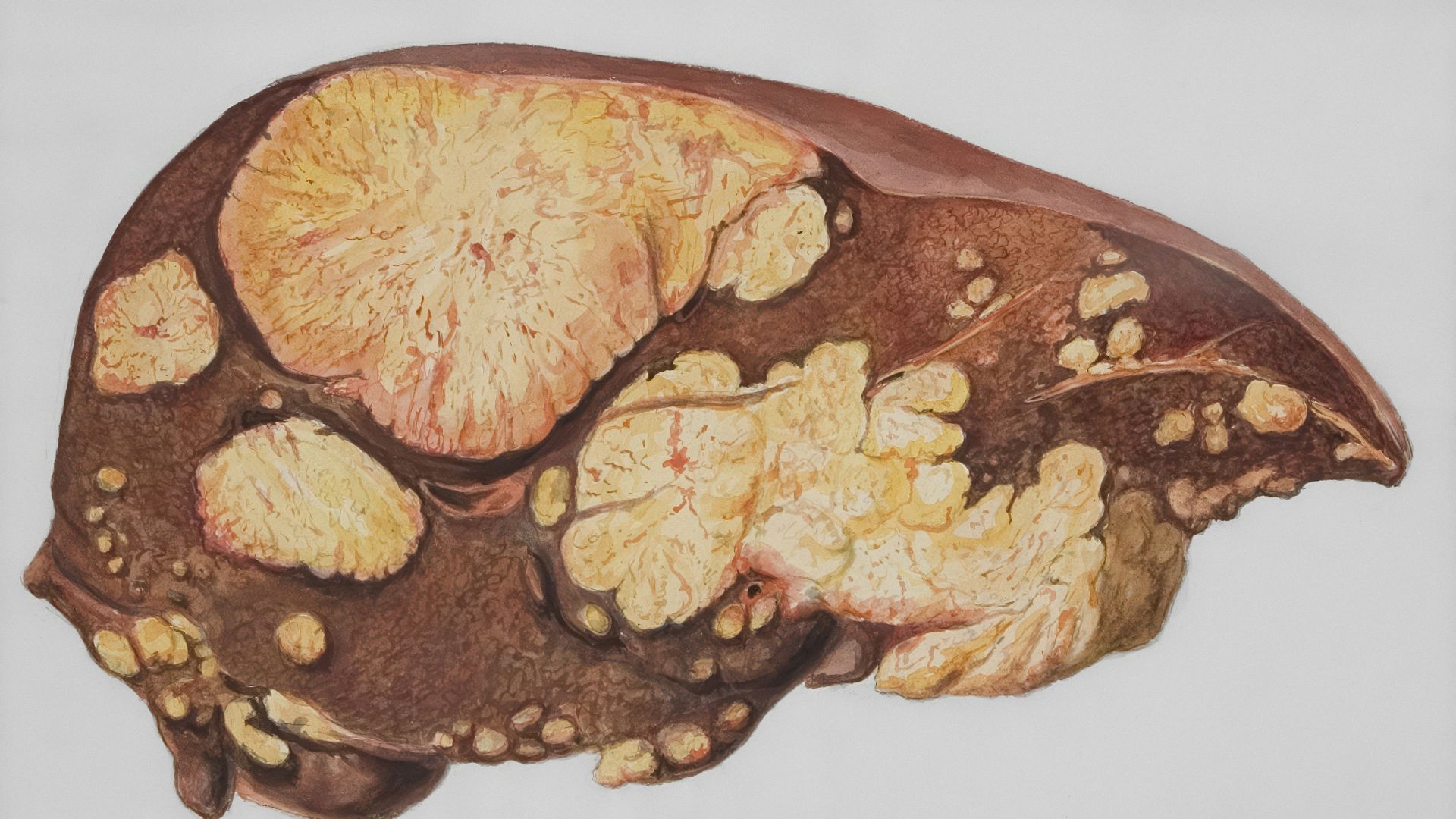
Death cap mushrooms contain amatoxins that move quietly through the body after ingestion. After consumption, the toxins pass through the digestive system and enter the bloodstream, then reach the liver within hours. Early symptoms often resemble food poisoning, so nausea and vomiting can appear manageable at first. As those symptoms fade, many patients believe recovery has started, which often delays medical care.
As time passes, amatoxins begin shutting down liver cell function. The toxins block protein production inside liver cells, which causes tissue breakdown over the next two to four days. Doctors report that patients often return to hospitals after initial improvement with severe liver damage already underway. At that point, treatment options narrow quickly and transplant evaluations begin.
Health officials say this delayed progression explains why outcomes turn severe even after mild early signs. Poison control teams emphasize that no cooking or preparation method removes amatoxins. Because damage builds internally without clear warning, even small amounts can lead to liver failure. Medical teams across California continue stressing early evaluation after any suspected exposure as new cases continue to surface.
Immigrant Foraging Traditions Increase Exposure Risk
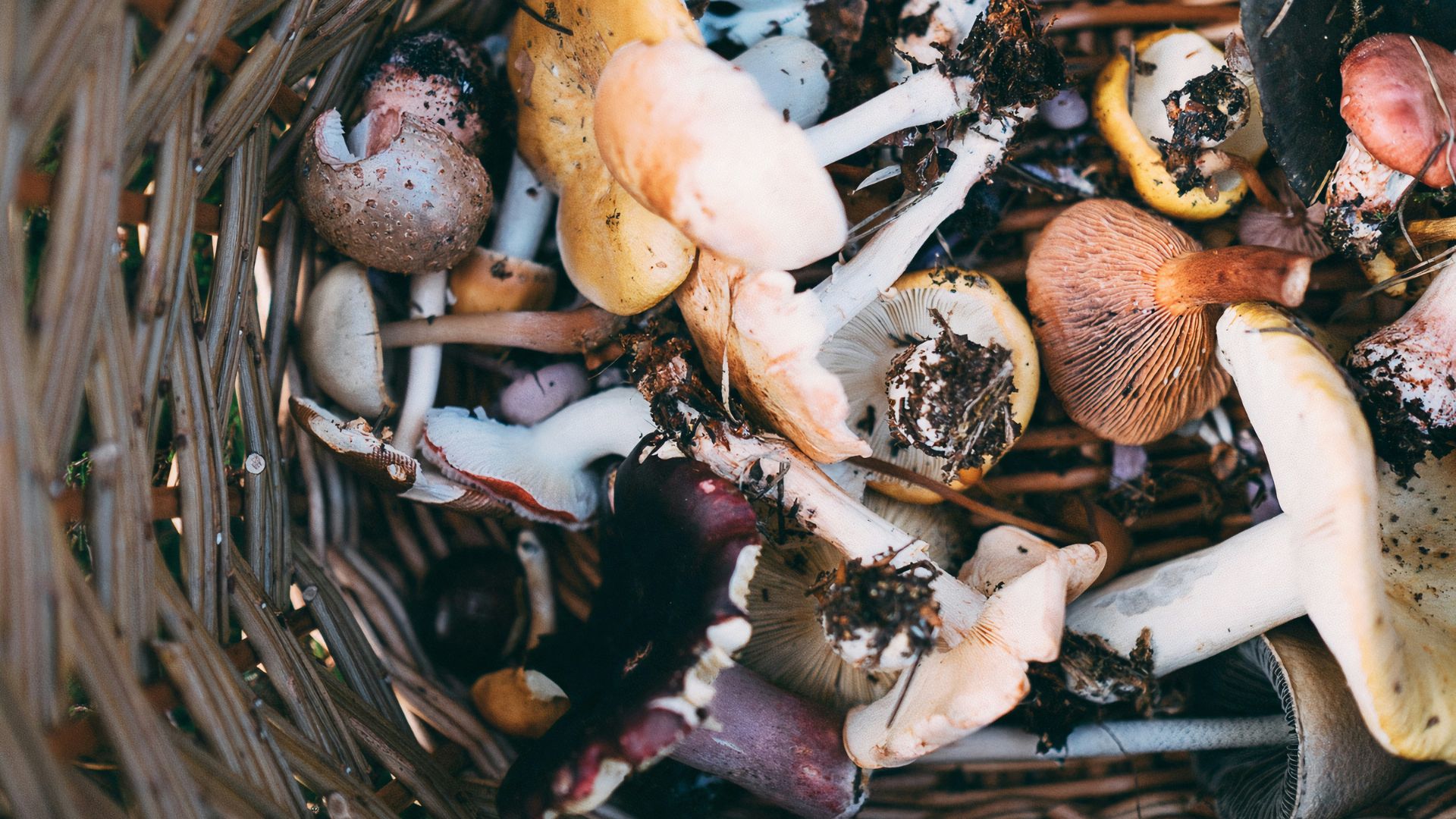
Health officials say many recent poisoning cases trace back to familiar food practices carried across borders. In many communities, foraging serves as a routine way to gather ingredients tied to family meals and seasonal traditions. After the first rains, wooded areas are filled with mushrooms that closely resemble edible varieties found in parts of Mexico, Guatemala, and China. That resemblance has led some families to collect mushrooms with confidence rooted in past experience.
As doctors reviewed patient histories, patterns became clearer. Poison control teams reported that many hospitalized patients came from immigrant households where foraging knowledge was passed down through generations. In those settings, death cap mushrooms appeared nearly identical to safe amanita species commonly harvested in other countries. As meals reached dinner tables, the risk stayed hidden until symptoms appeared hours later.
As outreach efforts expand, health agencies now focus on communication barriers as much as medical response. Officials have started issuing multilingual warnings and community alerts aimed at neighborhoods with strong foraging traditions. Medical directors say language gaps and trust in familiar practices often delay care. As cases continue, public health teams work to reach families before another harvest turns dangerous.
Ongoing Warnings as Monitoring Continues Statewide

State health agencies continue tracking new reports as winter conditions persist across California. Poison control centers remain on alert, coordinating closely with hospitals to flag suspected cases early. At the same time, local governments have expanded advisories across parks, trails, and public lands where mushrooms continue appearing after rainfall.
As messaging spreads, officials now emphasize purchasing mushrooms only through regulated retailers and grocery stores. Public health teams say store-sourced products pass inspection standards that remove uncertainty tied to wild harvesting. Medical professionals also urge residents to seek care immediately after any suspected exposure, since early treatment can improve outcomes before liver damage advances.
Looking ahead, agencies expect outreach efforts to remain active through the end of the rainy season. Educational materials now circulate in multiple languages to reach households most affected by recent cases. As weather patterns remain favorable for mushroom growth, health officials focus on prevention, early reporting, and consistent communication to reduce further hospitalizations.