High Prices Have Become the New Normal for Americans, and Relief Remains Uncertain
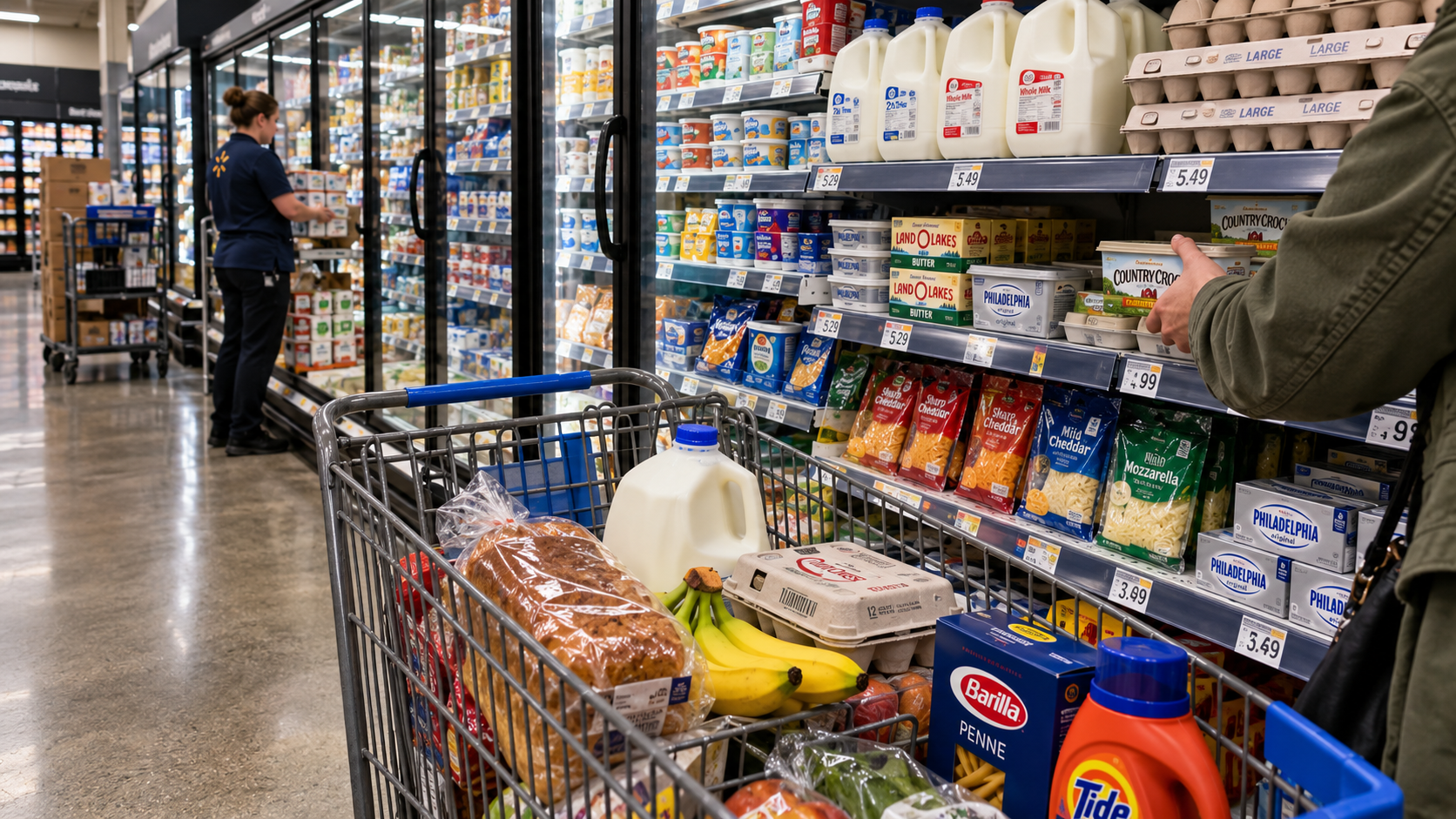

The consumer price index rose 3.7% over the 12 months ending in September 2026, according to the Bureau of Labor Statistics release that month. That extended a run of roughly 65 consecutive monthly readings above 2%, the inflation level the Federal Reserve treats as healthy. A CNBC analysis of the bureau’s data found this to be the longest such streak of the 21st century. What has Federal Reserve officials uneasy is not the single number. It is that shoppers appear to have stopped waiting for prices to settle. Cleveland Fed President Beth Hammack wrote in a social media post that consumers “are starting to accept high inflation as just a fact of life,” and added, “That’s concerning.”
This article was created with the assistance of AI and reviewed by our editorial team for accuracy and clarity.
Falling prices would be the worse outcome
The instinct after five years of rising costs is to want prices to go back down. Economists cited in CNBC’s reporting say that is the wrong thing to hope for. A sustained drop below 0% annual growth is deflation, and it tends to feed on itself: buyers delay purchases waiting for lower prices, sales fall, employers cut hours and jobs, and spending falls further. The realistic improvement is narrower. If annual price growth cools to a rate below the pace of pay increases, and stays there long enough, wages catch up to the price level that already exists. Grocery bills do not shrink. Paychecks grow past them. That is the outcome economists describe as the achievable one.
How expectations turn into actual price increases

The mechanism behind the Fed’s concern is ordinary and hard to stop once it starts. A business that expects its own costs to climb raises prices ahead of time rather than absorbing the hit. A worker who expects the same thing asks for a larger raise to stay ahead. Both are rational decisions. Together they produce the price growth each side was bracing for. Gary Richardson, an economist and former Federal Reserve historian, described why this sits at the top of the central banking job list. “Inflation expectations have to be anchored for monetary policy to affect the economy in an effective and predictable manner,” he said. “That’s got to be number-one goal of any central bank.”
Only two comparable stretches since the late 1940s

Going back to the late 1940s, the Bureau of Labor Statistics data shows only two earlier periods where above-2% readings ran longer than the current one. That puts the stretch starting in early 2021 among the three most persistent in roughly eight decades of record keeping. Length is one measure. Intensity is another. Since early 2021, the average monthly CPI reading has sat near 4.5%. The last streak to average that high ended in the 1980s, a period most working adults under 50 did not experience as price payers. Five years at that average compounds: the price level a shopper faces in 2026 is not a single 3.7% step above where it was, but the stacked result of every reading since.
Choosing between groceries and bills in Cleveland

Beth Hammack said via social media that households in the Cleveland Fed’s district have moved past the behavior economists usually look for. Shoppers under pressure normally trade down, swapping a name brand for a store brand. Hammack said what she is seeing instead is choosing: residents deciding whether to pay for groceries or to pay an essential bill that month. She made a related point at a gathering of economists in Ohio, telling the audience she does not take anchored long-run inflation expectations “for granted.” Each additional month of high readings, she said, raises the risk that an “inflationary mindset” becomes entrenched. The distinction matters because trading down is a budget adjustment. Choosing is a budget that no longer covers both items.
What the surveys actually measure and ask

Two readings get cited constantly in this story, and they ask different questions. The New York Fed’s Survey of Consumer Expectations asks households what they think prices will do. Its one-year outlook rose three-tenths of a point in September 2026, to 3.9%, the highest in more than three years. The University of Michigan survey asks how people feel about their own finances and the economy. Its consumer sentiment index fell to the lowest levels ever recorded earlier in 2026. Joanne Hsu, who directs the Michigan survey, said high prices are “dominating consumer thinking,” and that respondents “still consider it an unacceptable fact of life.” Expectations and sentiment can move separately, which is why Fed officials track both.
Rate hikes are the tool, and they hurt first
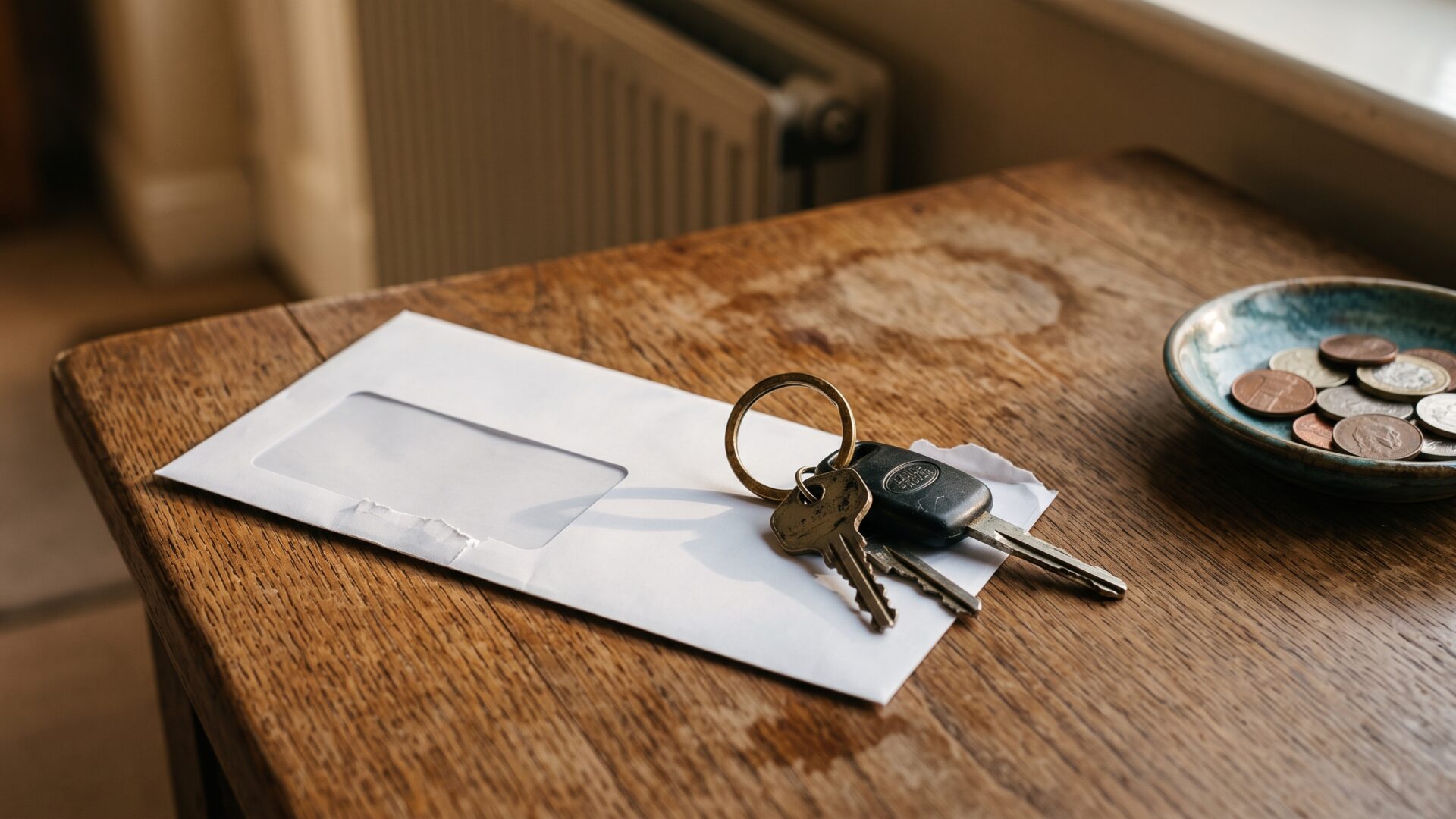
The Fed’s main lever for slowing price growth is raising interest rates, which makes borrowing more expensive and cools demand. The central bank raised rates in September 2026, and Fed funds futures traders were pricing in further increases in December and during 2027. The common misread is that the tool is painless. Diane Swonk, chief economist at KPMG, said higher rates can benefit consumers in the long run by bringing inflation under control, while in the near term those same rates mean steeper borrowing costs on cards, car loans and mortgages. “Inflation is like a cancer, and if you let it metastasize and go further, it’s even worse,” Swonk said. “Even when the cure hurts, it’s better than letting it metastasize.”
Why one union leader ranked this above a recession
Minneapolis Fed President Neel Kashkari said at an event in 2026 that a labor union leader told him inflation was “worse” than a recession for that union’s members. The comparison is unusual, since a recession means job losses and inflation does not. The logic holds for workers who keep their jobs. A recession hits a minority of households directly through layoffs. Price increases hit every household that buys anything, every week, without exception. Kashkari said the conversation changed how he weighs the Fed’s dual mandate, the legal requirement that it pursue both stable prices and maximum employment at once. When those two goals point in opposite directions, someone on the committee has to decide which one gives.
Produce aisles, airfares and nights spent in
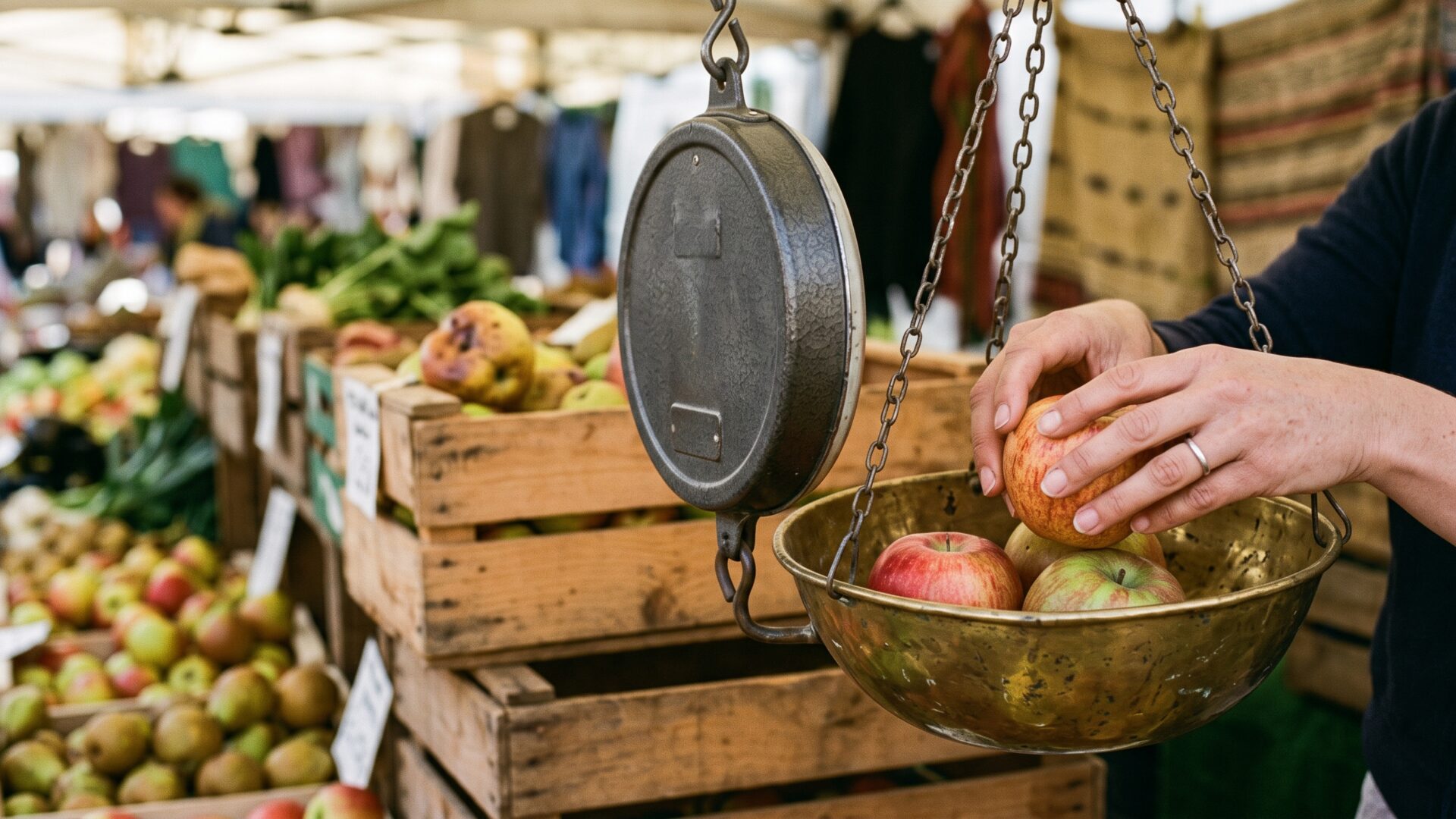
Olena Nicks, a 34-year-old analyst and local lawmaker on Long Island, New York, told CNBC where she sees the increases most clearly: the produce aisle and the price of airline tickets for vacations. Her response has been to cut restaurant meals and fast food out of her routine. The adjustment extended past her own budget. Nicks said her friend group dropped paid leisure outings such as bowling, meeting at someone’s home instead. That is the behavior change Fed officials watch for, scaled down to one social circle. “Frustrated is an understatement,” Nicks said. “It feels like you’re stuck.” Multiplied across millions of households, those substitutions are what economists mean when they talk about permanently adjusted behavior.
Prices have outrun paychecks for several months
The number that explains the mood more than any single CPI print: year-over-year inflation has been running faster than wage growth in recent months, which means the average worker’s pay buys less than it did. That is purchasing power moving backward while the paycheck itself gets larger. It also shows up in the Michigan survey in a way that had never happened before. In 2026, the share of respondents naming high prices as a reason their personal finances had gotten worse passed 50% for the first time on record. Hammack warned that long-run expectations staying anchored cannot be taken for granted. The surveys suggest households already made up their minds.