Here Is What Americans Are Giving Up as Prices Keep Climbing


Kathryn Vaughn, 46, teaches art at a rural elementary school in West Tennessee. She also facilitates an after-school program for at-risk youth, and she writes obituaries for pay. Her five-year-old son attends the after-school program with her, which cuts her childcare bill. That arrangement exists because prices rose 3.7% over the 12 months ending in September, according to official figures, up from 3.4% in the 12 months ending in August. The increase came in above forecasts. Vaughn supports a household of four. “I have done some incredibly unhinged things to survive,” she said, describing the jewelry store that paid her to hand-model.
This article was created with the assistance of AI and reviewed by our editorial team for accuracy and clarity.
The number went up while prices were supposedly cooling
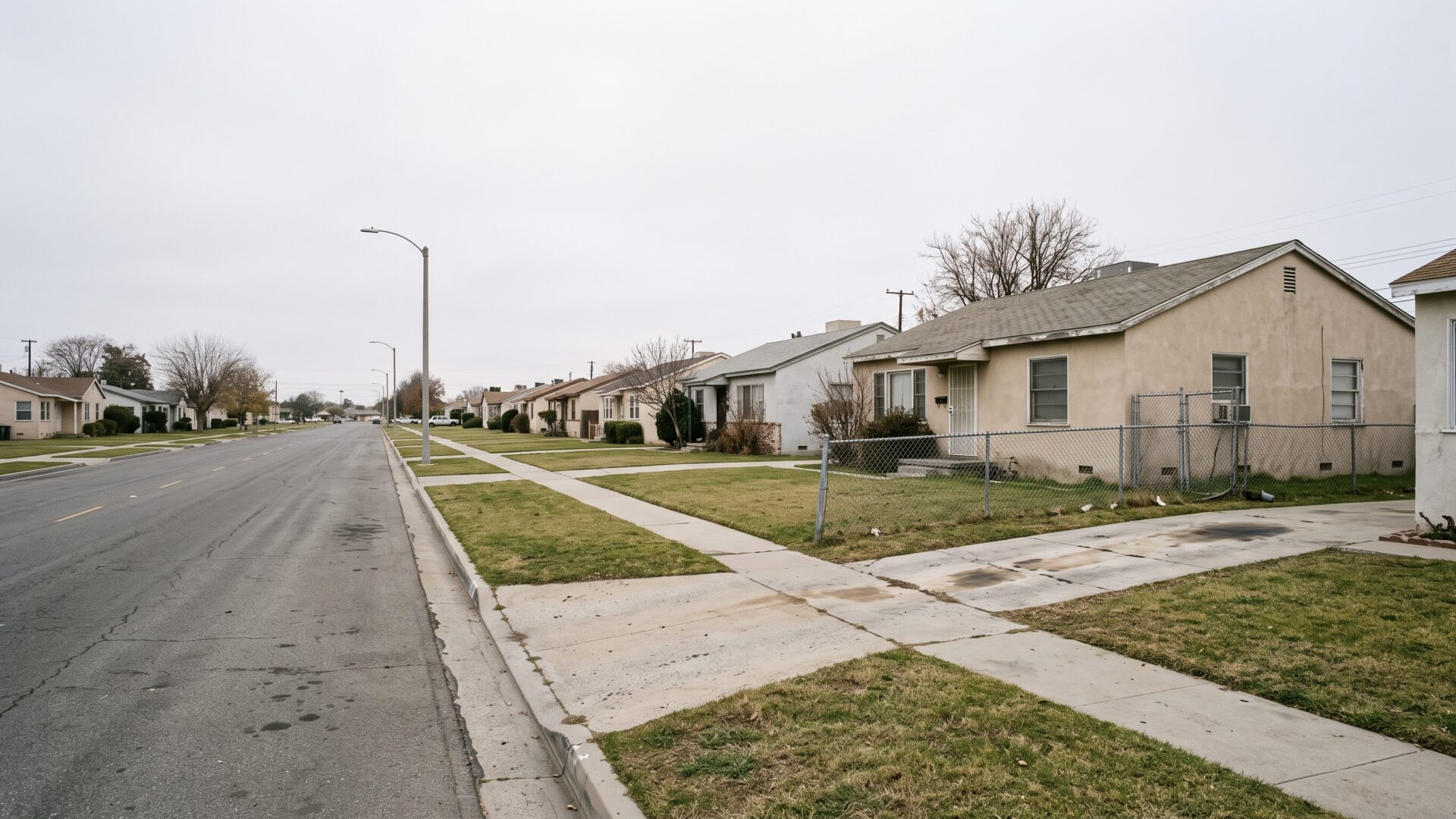
Most coverage through that stretch described inflation as easing. The September reading moved the other way. A 3.7% annual rate is not a spike by the standards of 2022, but it reversed the direction households had been told to expect, and it did so above what forecasters had modeled. That gap matters more than the decimal. Punal Bhavsar, 39, had built a plan around the opposite assumption. He expected interest rates to fall so he could buy a home. “I was thinking the interest rates would decrease, and then I’d be able to purchase a house, but I don’t think that’s likely now,” he said.
Energy costs pushed the figure, and diesel led
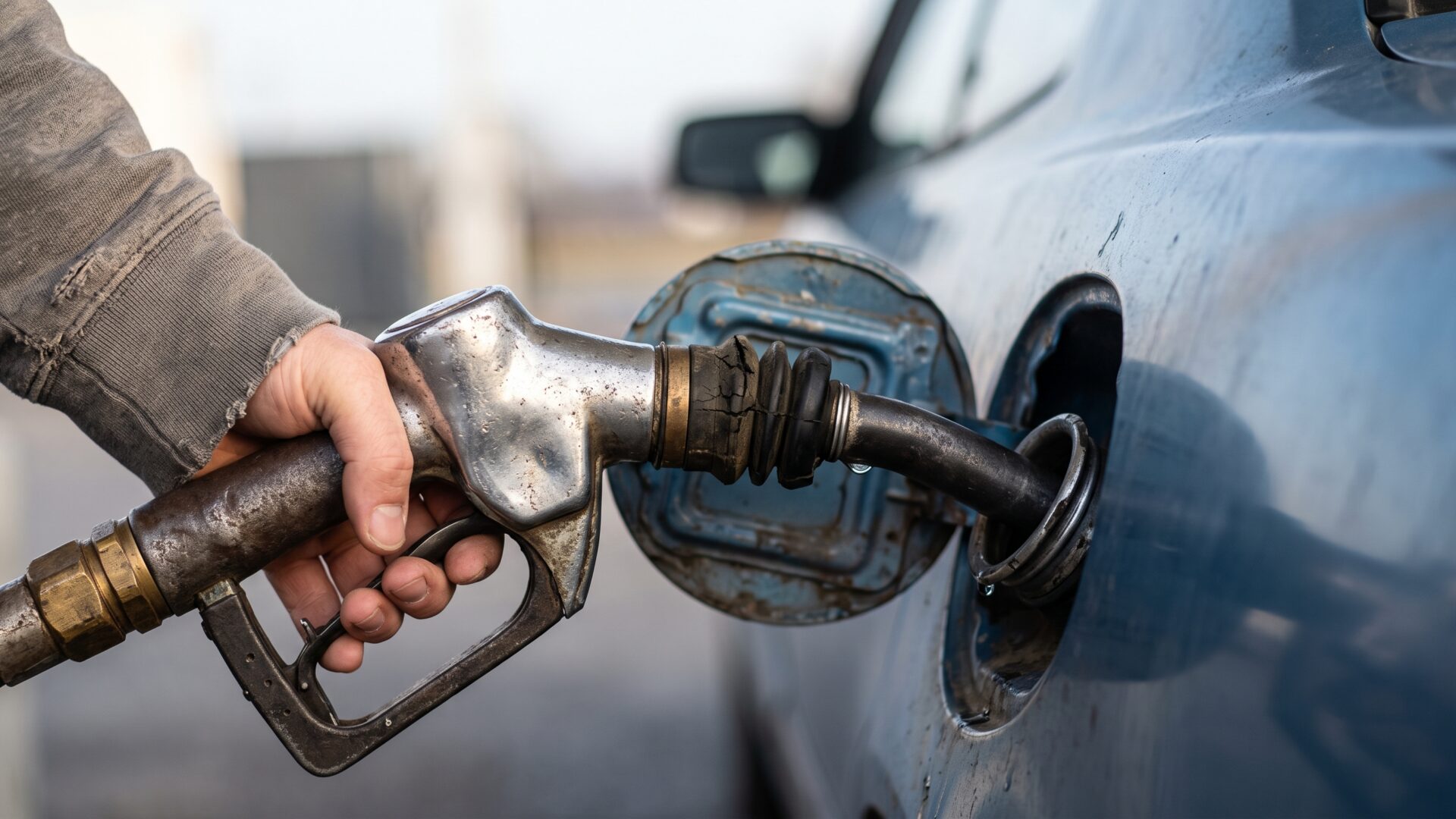
The annual rate reflects a basket of goods and services, and in this period energy did much of the lifting. Diesel prices reached record highs. Gasoline rose alongside them. Diesel matters beyond the pump because it moves freight, so a diesel increase reaches grocery shelves on a delay that most shoppers never connect to the trucks. Gasoline reaches people immediately. Bhavsar drives a car that requires premium fuel, which carries a surcharge over regular at every station. In his part of California, he said, premium was running close to $6 a gallon. That is the single line he names as his biggest burden.
Two hundred dollars of groceries became four hundred
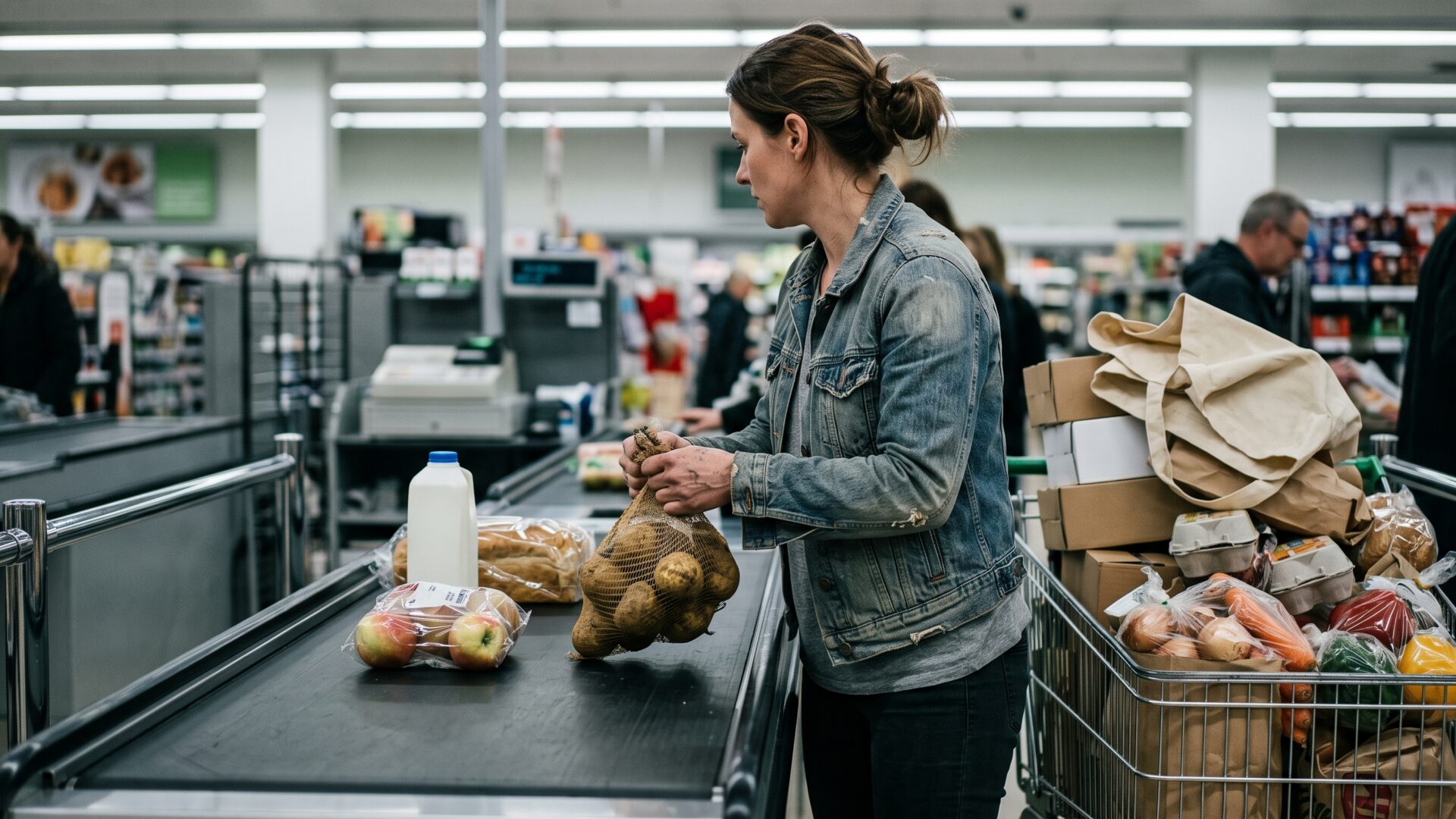
Caitlin Green and her husband live in Utah. Their monthly grocery spending went from roughly $200 to roughly $400. That is not a percentage that matches any published inflation rate, and Green is not claiming it is. It is what two people found at the register. Ground beef is her clearest marker. She remembers paying $2 a pound. She now pays $8. “I understand inflation is a thing, but I just feel like in my lifetime, I’ve never seen inflation hit so quickly and so drastically,” she said. The doubled bill is the version of 3.7% that a household actually experiences.
Ground beef crossed a line into occasional purchase

When Green moved to Utah seven years ago, her mother helped her settle in and gave her a piece of advice about cheap cooking: if money is tight, buy ground beef. That advice has stopped working. Green and her husband now reach for ground turkey or ground chicken instead, and they decide about beef rather than defaulting to it. “It’s almost not a luxury like steak, but it’s just to the point where it’s become a luxury; we have to think about it if we’re going to purchase it,” she said. The budget staple became something she weighs.
School lunch beat packed lunch on the math
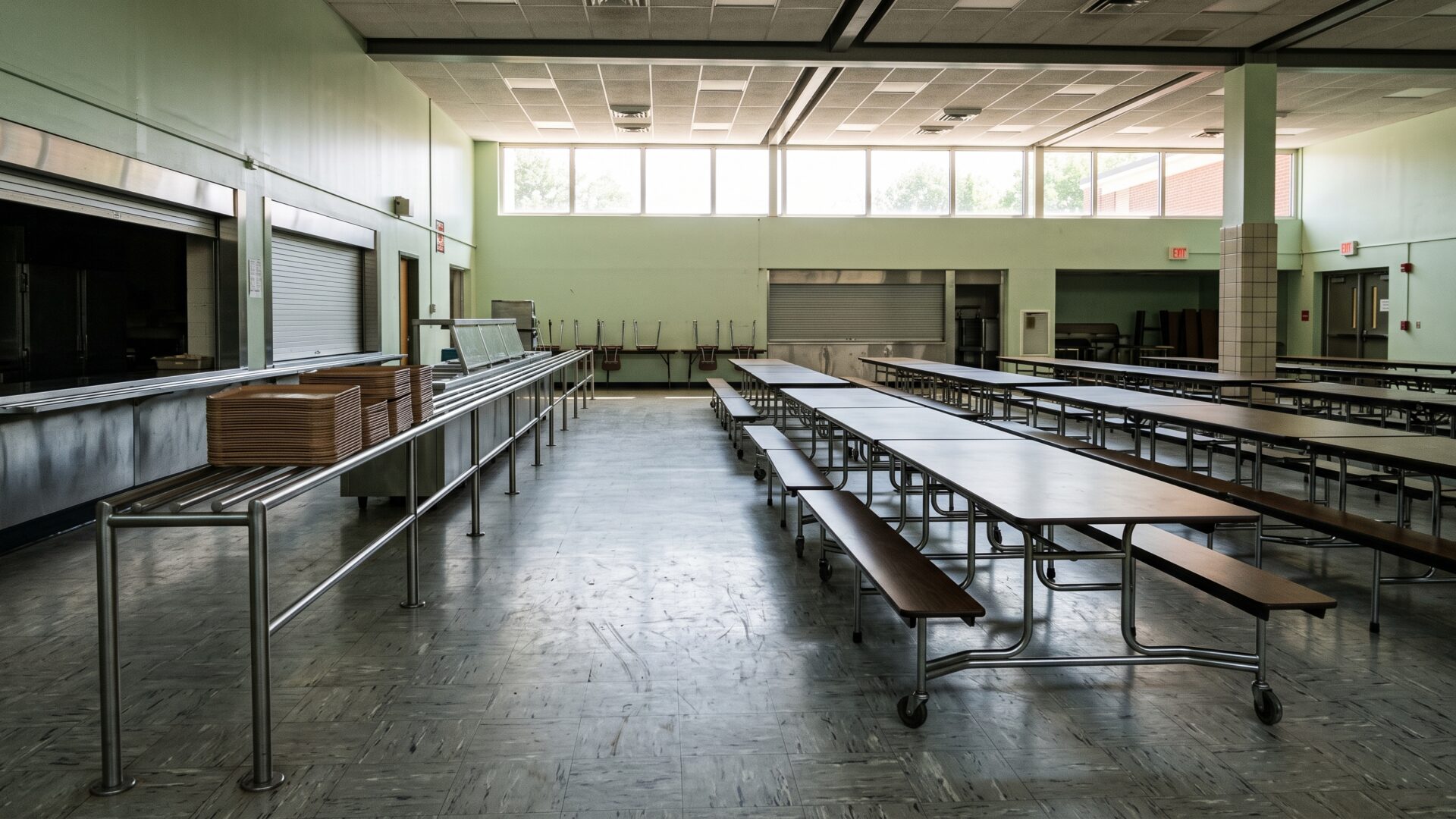
Vaughn ran the numbers on her five-year-old’s lunches and switched him to buying at school. Packing from home had been the cheaper habit for generations of parents, and for her it stopped being true once grocery prices climbed. School meal pricing is set by the district rather than the market, so it moves slowly while supermarket prices move weekly. That lag is what flipped the comparison. Anyone running the same calculation can check their district’s posted meal price against what a week of packed lunches actually costs at their store. The answer has changed in both directions depending on the district.
Treating the headline rate as your own rate misleads

A 3.7% annual increase describes a weighted basket across the whole country. No individual household buys that basket. A commuter in a premium-fuel car in California and a renter who walks to work are both inside the same number, and they are experiencing completely different years. Green’s doubled grocery bill and the national figure are not in conflict. One is an average across thousands of items and regions, the other is two people buying beef in Utah. Reading the headline rate as a personal forecast is how people end up believing their own receipts are an error.
Sentiment ran worse than the arithmetic suggested
The Gallup Economic Confidence Index scores how Americans rate current conditions and their outlook, on a scale running from -100 to +100. In September, Americans put it at -40. A separate Guardian survey taken that summer found 95% of respondents believed the United States was in an affordability crisis. Near-unanimity on any economic question is unusual. Both measures are self-reported assessments rather than price data, which is exactly why the gap with a 3.7% rate is worth noting. People were describing something harsher than the index was recording, and they were describing it almost unanimously.
Bhavsar named one issue for the November ballot
Bhavsar connected his household budget directly to the midterm elections scheduled for November. He said he may vote on a single issue. “For me, it’s just like gas prices have got to be under control,” he said. He described the economic outlook as bleak. He is one voter describing one position, and his reasoning traces straight back to the premium-fuel figure near $6 a gallon in his area. The Gallup reading of -40 and the Guardian finding of 95% suggest he is not alone in weighting cost of living heavily, though neither survey measured how anyone intended to vote.
The canceled trip was to see her parents
Vaughn and her family dropped a planned autumn drive to Florida to visit her parents. Gasoline made the trip unaffordable. The same season brought a $130 bill for her five-year-old’s school supplies, which she described as a shock. She is working three jobs, selling household items on Facebook swap pages, reselling clothes through ThredUp and Poshmark, and writing obituaries for pay. It is still not enough. “It’s rough out here,” she said. “The cost of everything is insane. Gas to get to work, my insurance costs have gone up, feeding two children and a husband. It’s a lot.”