Health Concerns Grow After Guests at Vegas Strip Hotel Diagnosed With Lung Disease
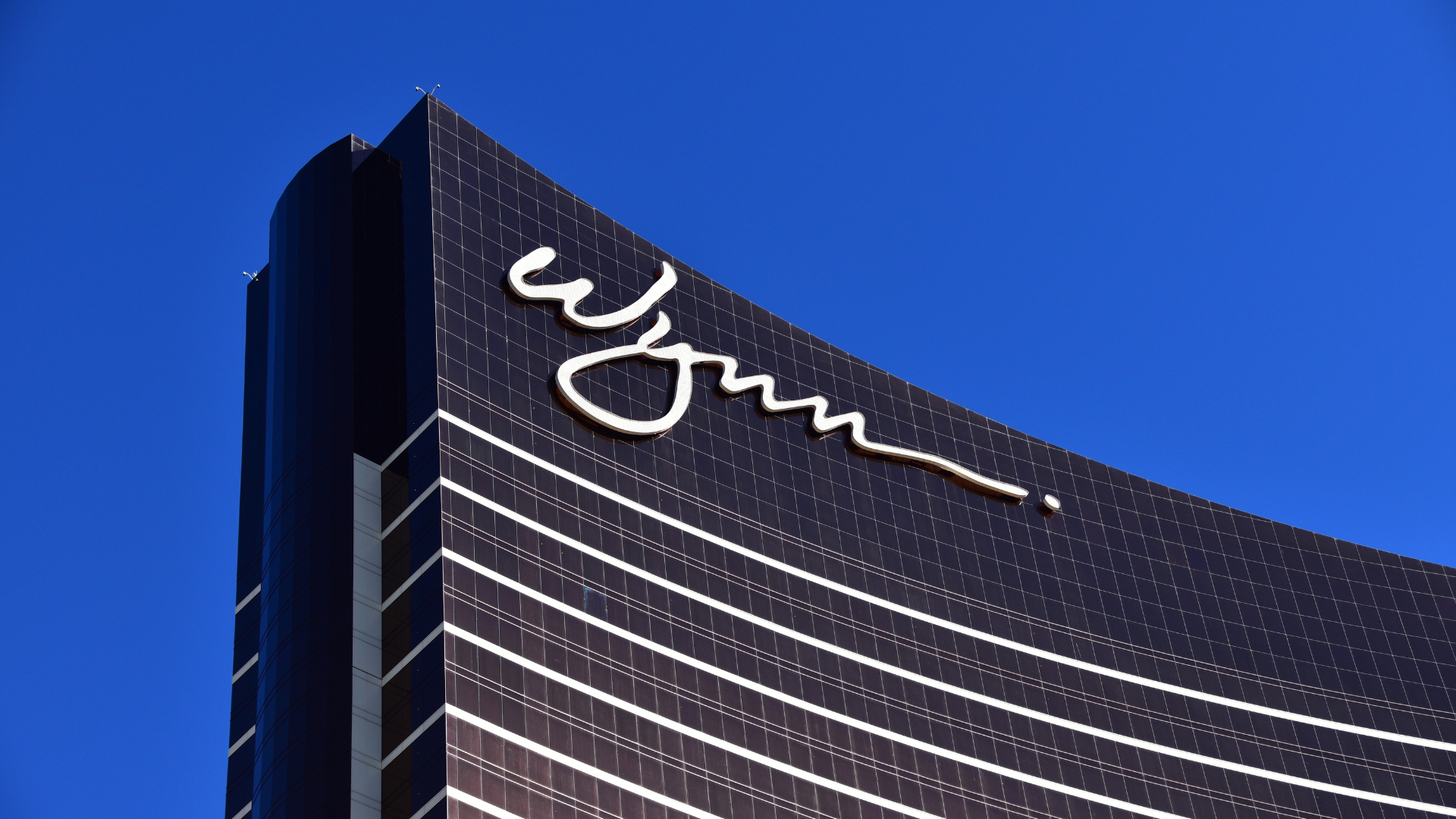

Health concerns are rising after multiple guests who stayed at a major Las Vegas Strip hotel were later diagnosed with a serious lung disease, prompting an official investigation by public health authorities. The cases are linked to the Wynn Las Vegas, one of the city’s most well-known luxury resorts, and have drawn attention due to the potential for broader exposure among visitors.
According to the Southern Nevada Health District, at least two individuals who stayed at the property during separate visits months apart were diagnosed with Legionnaires’ disease, a severe form of pneumonia caused by bacteria that can spread through contaminated water systems. Both individuals have since recovered, but the timing of their illnesses triggered a deeper investigation into the hotel’s facilities.
The situation has raised concern among recent visitors and health officials alike, especially because Legionnaires’ disease can be difficult to detect early and may not show symptoms until days after exposure, meaning travelers may not immediately connect their illness to a hotel stay.
What Officials Found During The Investigation
Health officials conducted environmental testing at the hotel after being notified of the cases and found that multiple water samples tested positive for Legionella bacteria, which is responsible for causing Legionnaires’ disease. This discovery confirmed that the hotel’s water system was the likely source of exposure, prompting immediate action.
In response, the resort initiated extensive water system remediation measures, including cleaning, disinfection, and ongoing monitoring to eliminate the bacteria and reduce any further risk to guests. Officials noted that more recent tests have not detected the bacteria in affected areas, suggesting that mitigation efforts are having an effect.
At the same time, the hotel has begun notifying guests who may have stayed at the property since September 1, 2025, urging them to complete a confidential health survey so investigators can identify any additional cases and better understand the scope of the potential exposure.
Why Legionnaires’ Disease Is So Concerning
Legionnaires’ disease is a serious type of pneumonia that occurs when people inhale tiny droplets of water contaminated with Legionella bacteria, which can come from sources such as showers, sinks, cooling systems, or decorative fountains in large buildings like hotels.
Symptoms typically include cough, fever, muscle aches, and shortness of breath, and they can appear anywhere from two to ten days after exposure, although in some cases it may take up to two weeks for signs of illness to develop, making it harder for individuals to identify where they were exposed.
Certain groups are at higher risk of severe illness, including people over 50, smokers, those with chronic lung disease, and individuals with weakened immune systems, which is why outbreaks linked to large public facilities like hotels are taken especially seriously by health authorities.
What Guests Should Do If They Stayed There

Health officials are urging anyone who stayed at the hotel during the affected time period to monitor their health closely and seek medical attention if they experience symptoms such as fever, coughing, or breathing difficulties, particularly within two weeks of their visit.
Guests are also encouraged to complete the official illness survey provided by health authorities, even if symptoms were mild or have already resolved, as this information is critical for tracking potential cases and preventing further spread.
Ultimately, while the immediate risk appears to be under control following remediation efforts, the situation serves as a reminder of how quickly waterborne illnesses can emerge in large facilities and why ongoing monitoring and rapid response are essential to protecting public health.