Hawaii Officials Warn Another Kona Storm May Hit as Crews Admit They’re “Tired”
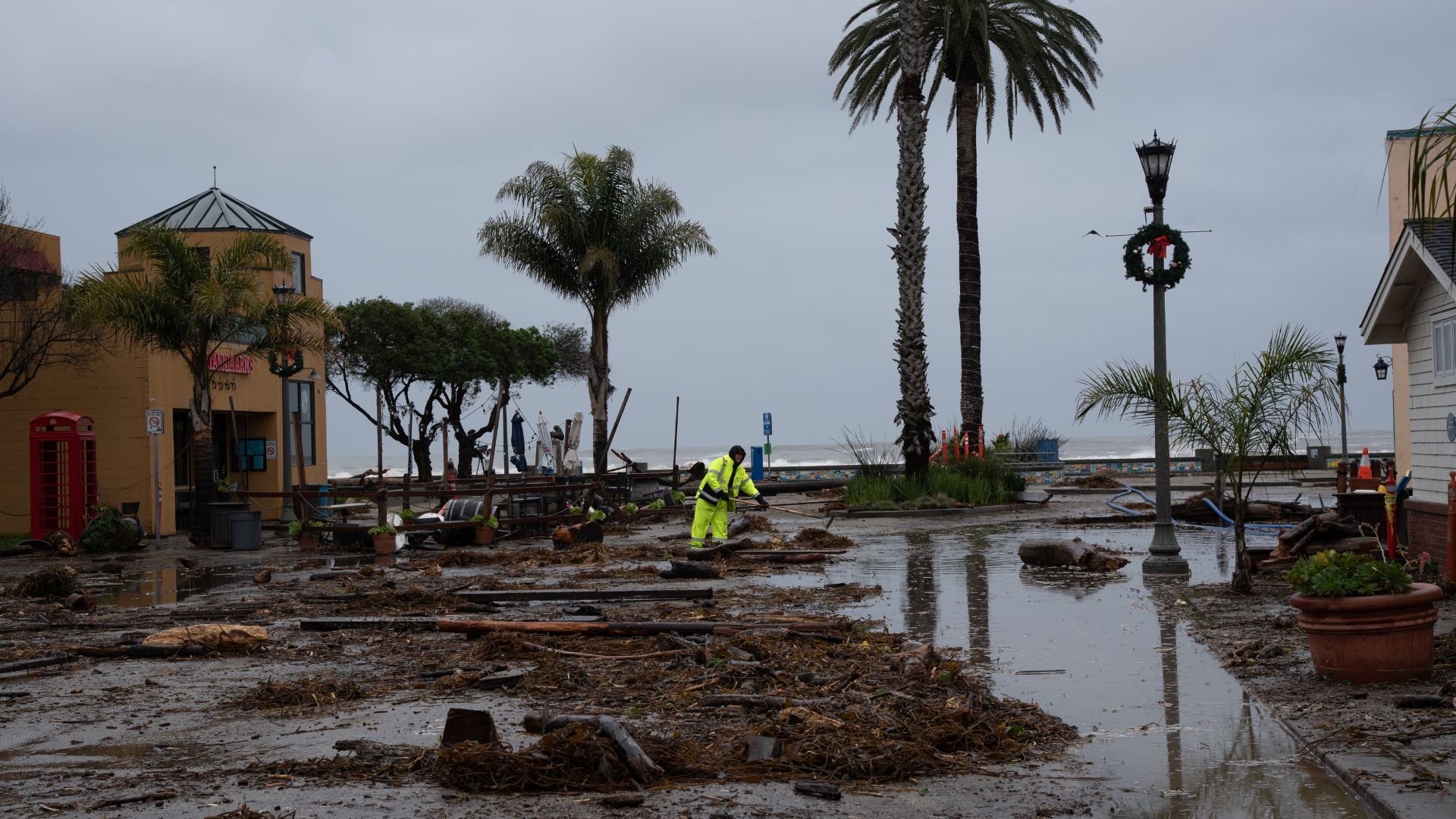

Hawaii residents are still dealing with the aftermath of a powerful Kona storm, and attention now turns to another system forming nearby. Crews have spent days clearing roads, restoring power, and responding to emergencies, and that work continues as conditions slowly stabilize. Officials say many areas remain saturated, and unstable ground keeps the risk of further damage in place.
A new Kona low now enters the forecast, and county leaders have started preparing before it arrives. Hawaii County officials remain in contact with the National Weather Service, and early projections show a weaker system, yet uncertainty remains. Recent damage across the islands leaves communities more exposed, and that raises concern as another round of weather approaches.
Emergency crews continue damage assessments, and long hours in the field have already taken a toll. Officials describe teams working nonstop through the last storm, and fatigue now adds pressure as preparation begins again. Leaders say another response effort may be needed within days, and crews remain on alert as conditions develop.
Flood Risks Continue Across Maui County

Flood conditions across Maui County have eased in some areas. Officials lifted earlier warnings after waters receded, yet a Flood Watch still covers multiple islands through Monday morning. Lingering moisture continues to move through the region. Saturated ground increases the chance of renewed flooding in streams and low-lying areas.
Storm damage continues to disrupt travel across the county. Road closures remain due to landslides, debris, and downed power lines. Emergency crews responded to flooded zones overnight in Kīhei. Washed-out roads left parts of Hāna cut off, with residents moved to shelters.
Unsettled weather continues across the islands as the system slowly moves away. Forecasters expect periods of heavy rain and thunderstorms to return at times. Strong winds may still produce damaging gusts along mountain slopes. Flash flooding can still develop quickly in some areas, keeping crews on alert.
Crews Strained as New Kona Low Nears
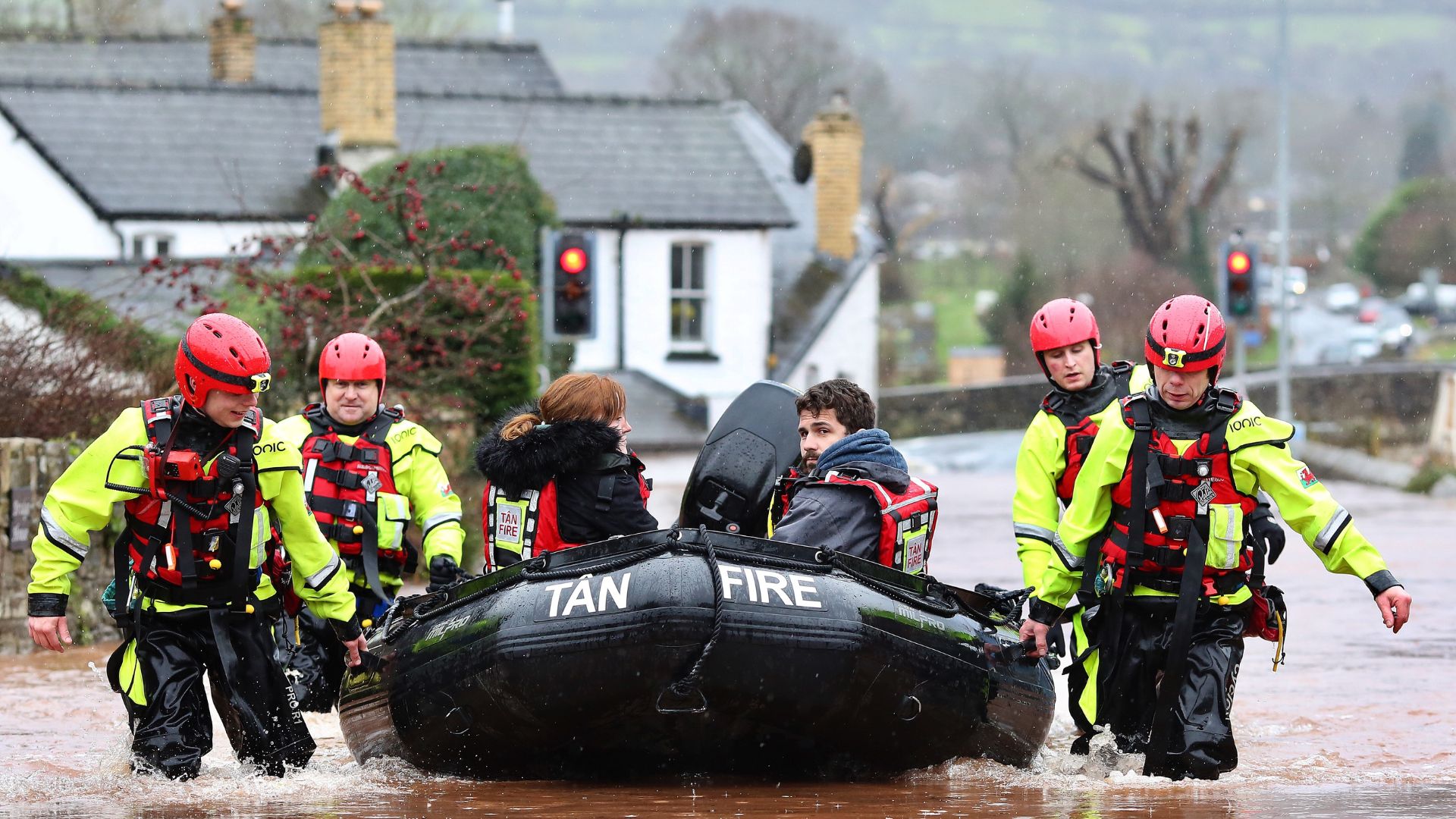
Emergency crews across Hawaii continue working through the aftermath of the recent Kona storm. Teams have spent days clearing debris, restoring access, and responding to damage across multiple districts. Fatigue has started to set in as operations stretch across several days, and officials now acknowledge the strain on personnel.
County leaders remain in close contact with forecasters as another Kona low approaches. Early projections suggest a weaker system, yet uncertainty keeps preparation efforts active. Recent flooding and wind damage have left many areas exposed, and saturated ground increases the chance of further issues if conditions worsen.
Officials describe crews working nonstop over the past three to four days, handling both emergency response and damage assessments. Some residents still wait for power restoration as utility teams move through affected areas. Leaders now advise workers to rest where possible, and planning continues as another system develops nearby.
Recovery Efforts Continue as Another System Develops
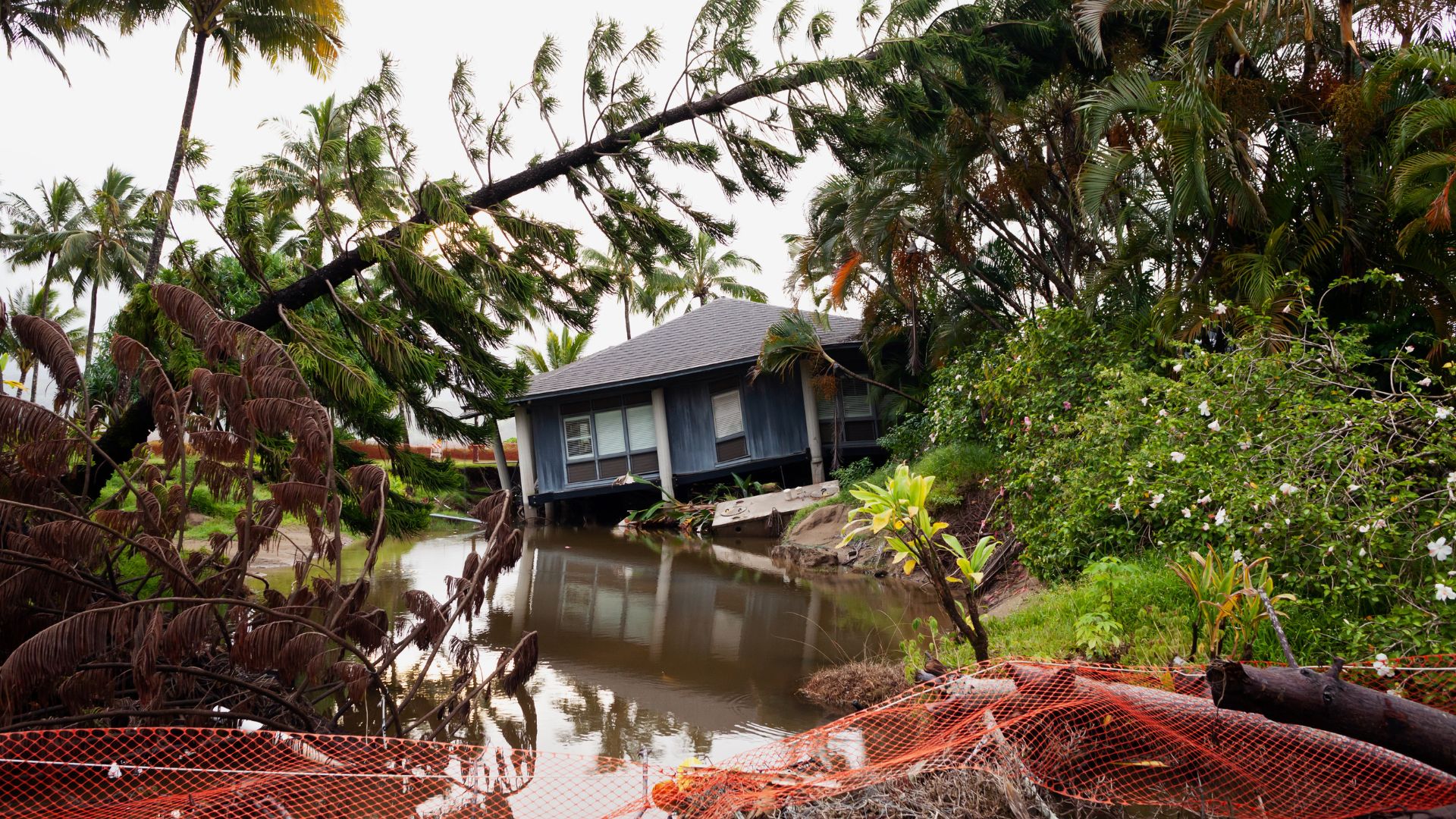
Recovery efforts continue across Hawaii as crews move beyond immediate response work. Teams now focus on assessing damage across roads, utilities, and public infrastructure. That process guides how counties allocate resources over the next few days, as officials coordinate closely with state agencies.
Power restoration continues in several areas, with crews working through difficult terrain. Some locations remain hard to access due to debris and unstable ground, so progress varies across communities. Local officials continue advising caution in affected zones, since hazards tied to saturated soil and loose debris still remain.
Forecast updates now track the incoming Kona low more closely as it develops near the state. Emergency planners review response strategies again, and adjustments follow as new data comes in. County officials continue preparing resources in advance, as attention turns toward how the next system may unfold.