Hawaii Faces Rising Hurricane and Flood Risks as El Niño Strengthens
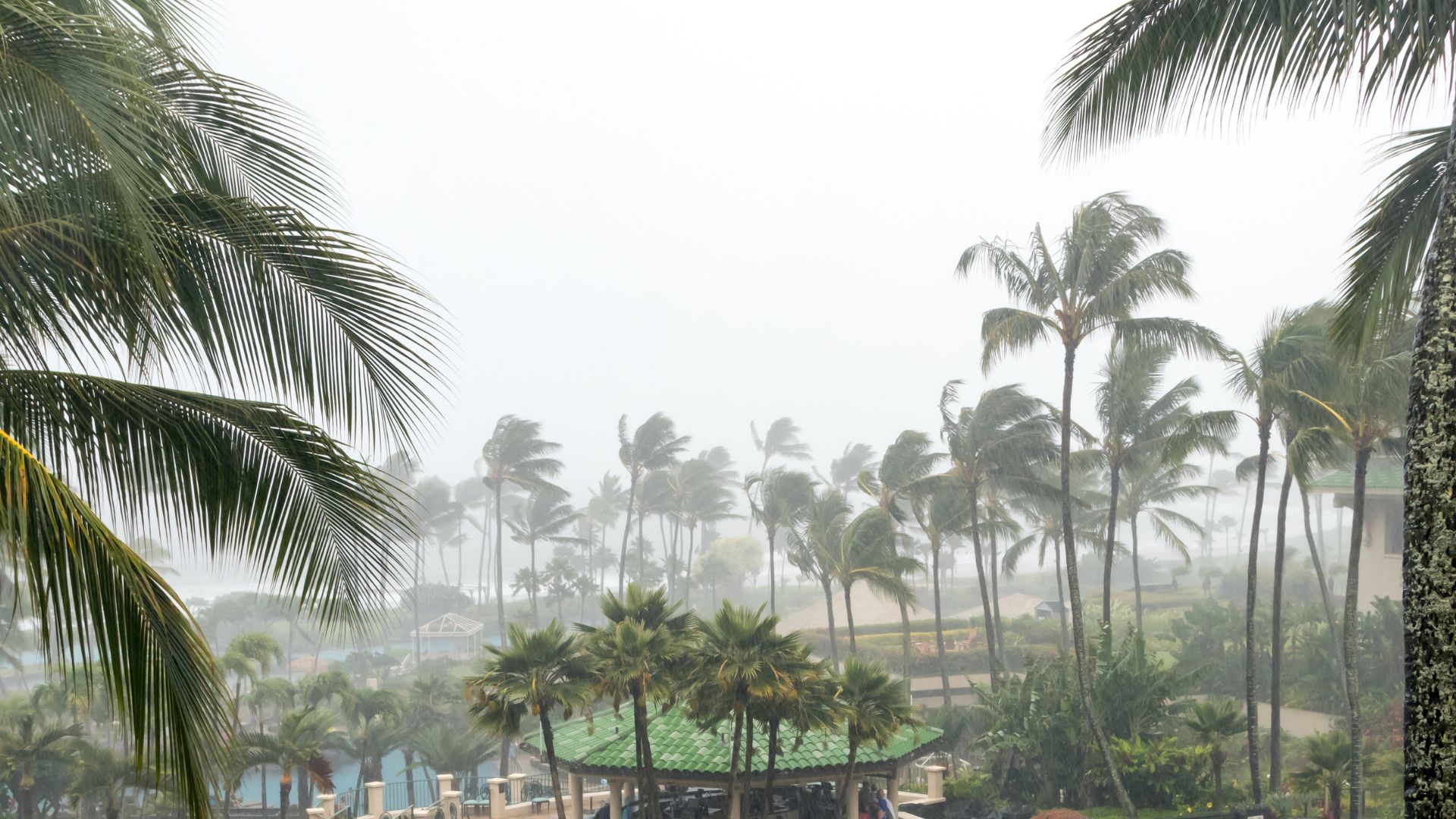

Exceptionally warm water across the Pacific Ocean is creating a more favorable environment for tropical storms as El Niño continues to strengthen. Several long-lasting marine heat waves are adding to the unusual amount of energy stored in the world’s largest ocean.
The effects could eventually influence weather patterns far beyond Hawaii, including rainfall and temperatures across California during the fall and winter. For the Hawaiian Islands, however, the danger may arrive much sooner because August and September are often among the most active months of the Central Pacific hurricane season.
Emergency officials are watching the situation closely. NOAA expects El Niño conditions to continue throughout the 2026 hurricane season, with a moderate or stronger event considered likely. The agency has also given the Central Pacific a 70% chance of experiencing an above-normal season, with between 5 and 13 tropical cyclones possible.
El Niño Can Weaken Hawaii’s Natural Defenses
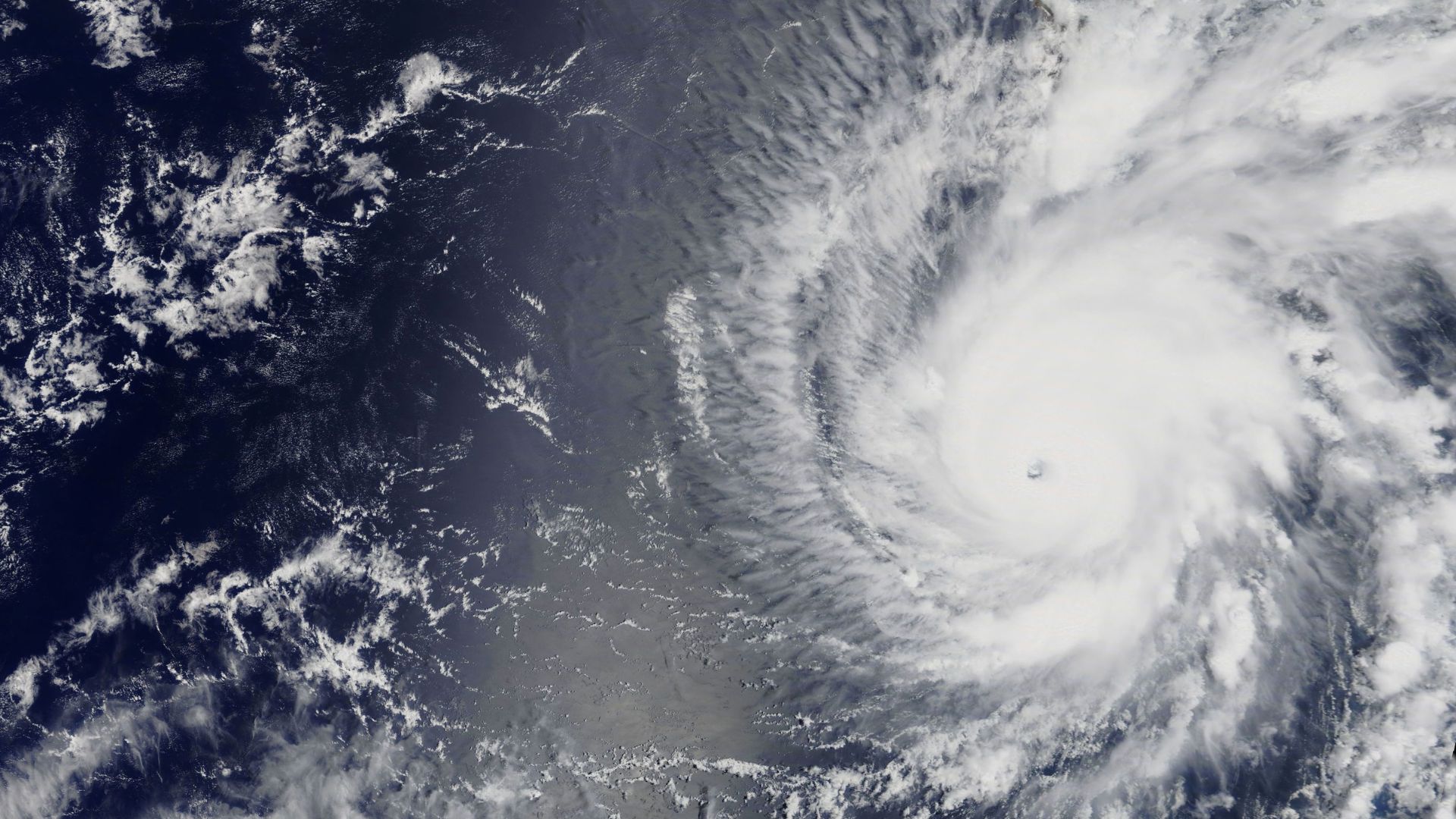
Hawaii normally receives some protection from cooler surrounding waters and strong vertical wind shear. This atmospheric effect occurs when wind speed or direction changes between the lower and upper levels of the atmosphere, making it difficult for a tropical cyclone to remain organized.
Tropical systems generally need ocean temperatures of at least 80 degrees Fahrenheit and relatively weak wind shear to strengthen. Hawaii’s trade winds and the powerful Pacific jet stream often create enough atmospheric disruption to tear apart a storm’s structure before it reaches the islands.
El Niño can reduce that protection by warming the water and changing regional wind patterns. An analysis of 76 eastern and central Pacific hurricane seasons found that Hawaii experienced almost 2.5 times more nearby tropical storms or hurricanes during the 11 summers preceding a strong or very strong El Niño than during summers without one.
A Dangerous Storm Corridor May Be Opening
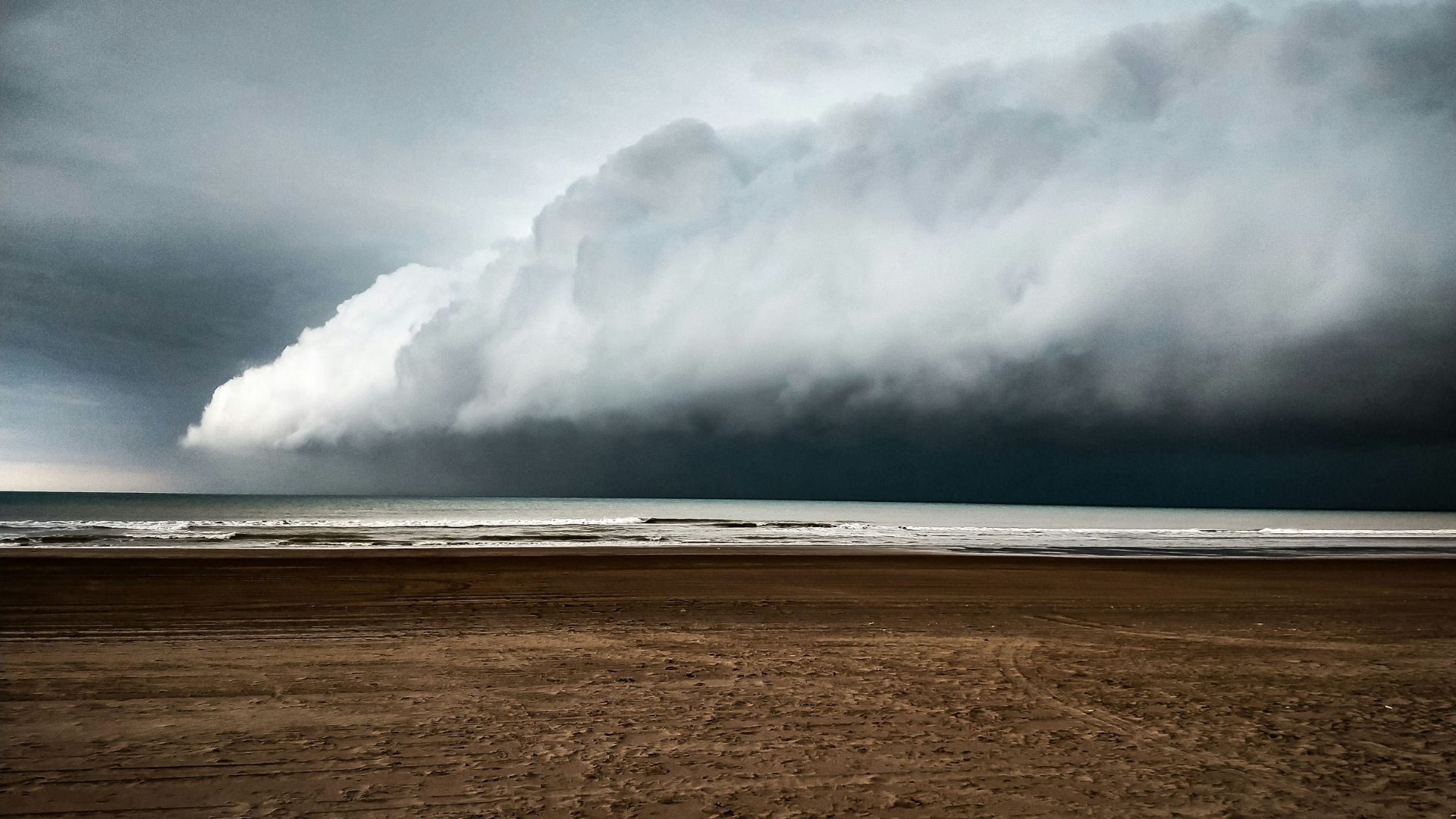
The most concerning pattern develops when storms move westward at lower latitudes, where the ocean is unusually warm and wind shear remains limited. These conditions can allow a cyclone to maintain its strength for much of its journey before curving toward Hawaii.
Among the 18 storms that passed close to the islands during the 11 strong El Niño periods examined, nearly half arrived in August. Most also traveled through the lower-latitude corridor that meteorologists consider especially favorable for continued development.
Recent forecasts suggest that below-normal wind shear could form south and southeast of Hawaii during August and September. Storms moving through this region may face little disruption until they approach the islands, leaving stronger wind shear near Hawaii as one of the final barriers against damaging conditions.
Flooding Remains a Threat Even as Storms Weaken
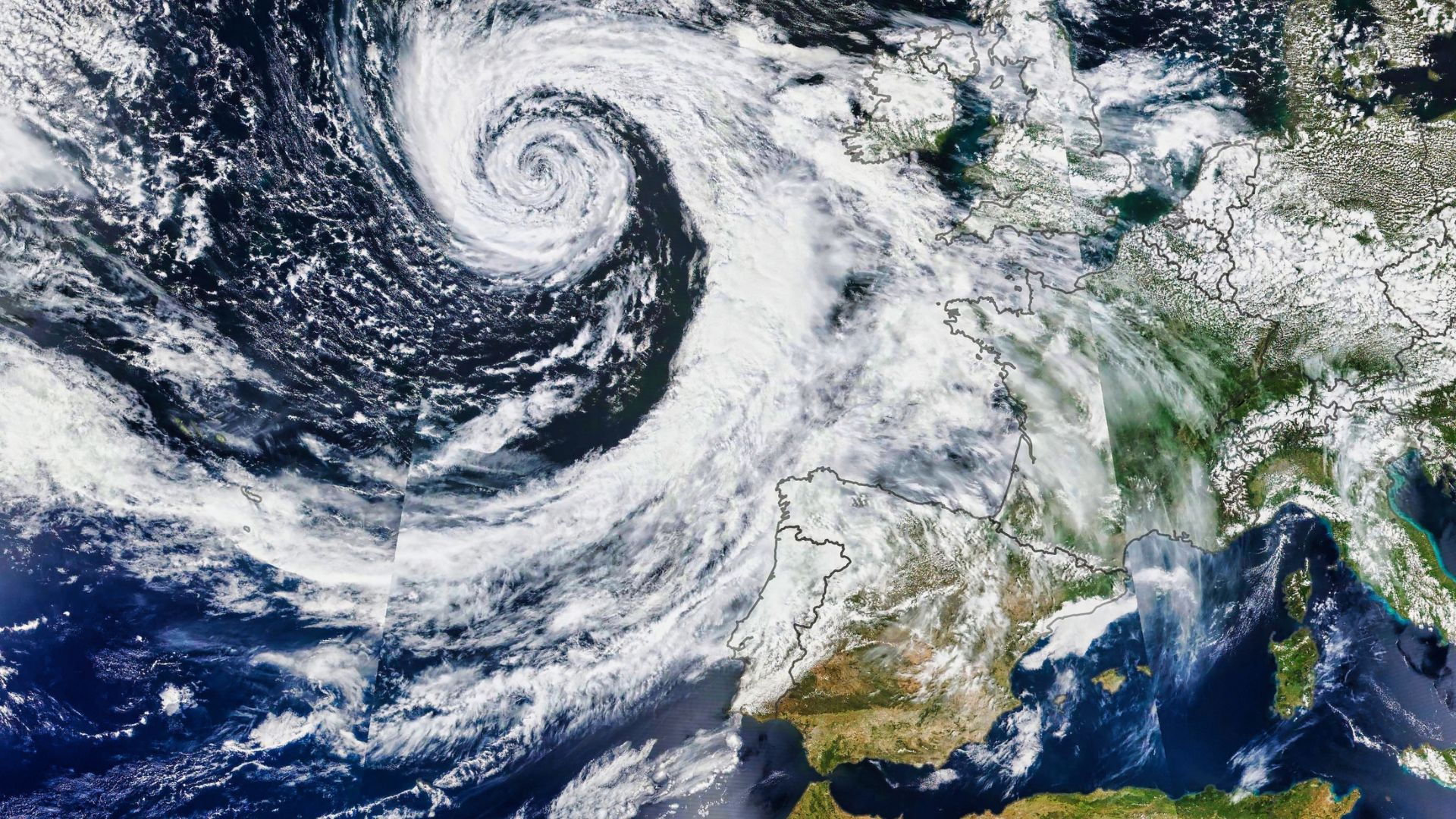
Fausto demonstrates why a tropical system does not need to make landfall as a hurricane to affect Hawaii. As of July 28, the storm had weakened to sustained winds of 50 mph and was about 270 miles northeast of Hilo. Forecasters expected it to pass north of the islands, but large surf and strong currents remained serious concerns along exposed shores.
Even a weakening cyclone can carry enormous amounts of tropical moisture. When that humid air reaches Hawaii’s steep terrain, it can rise rapidly and produce intense rainfall, flash flooding, and landslides, even when the storm’s strongest winds remain offshore.
That possibility is particularly troubling after Hawaii recorded its wettest October-through-April period in 30 years. Saturated ground and previously damaged infrastructure could make additional flooding harder to manage. The danger may also continue beyond summer because strong El Niño years can extend tropical cyclone activity into late fall, as seen when destructive Hurricane Iwa struck Hawaii in November 1982.