Half of America’s Power Plants Sit Idle While Electric Bills Soar
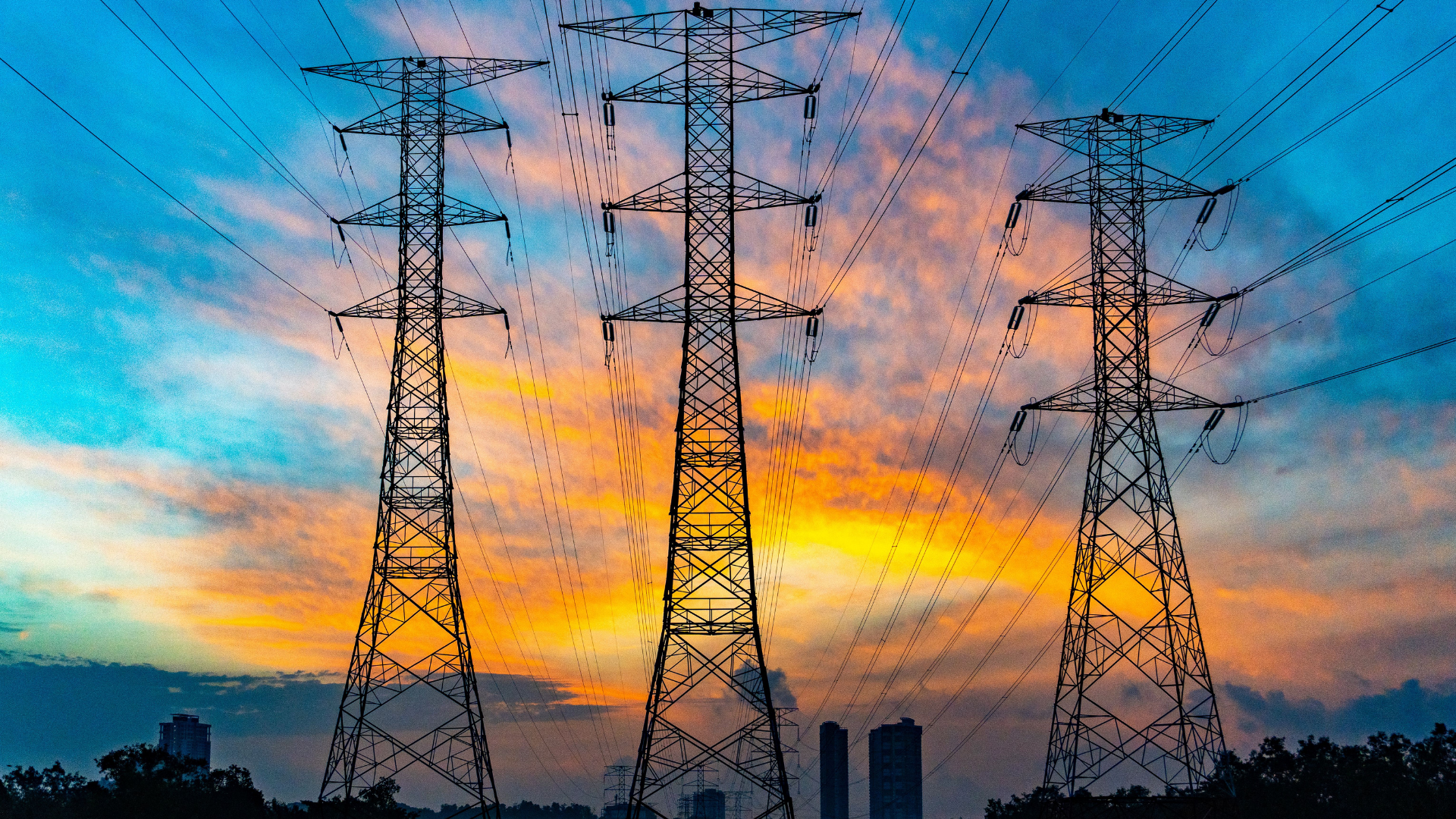

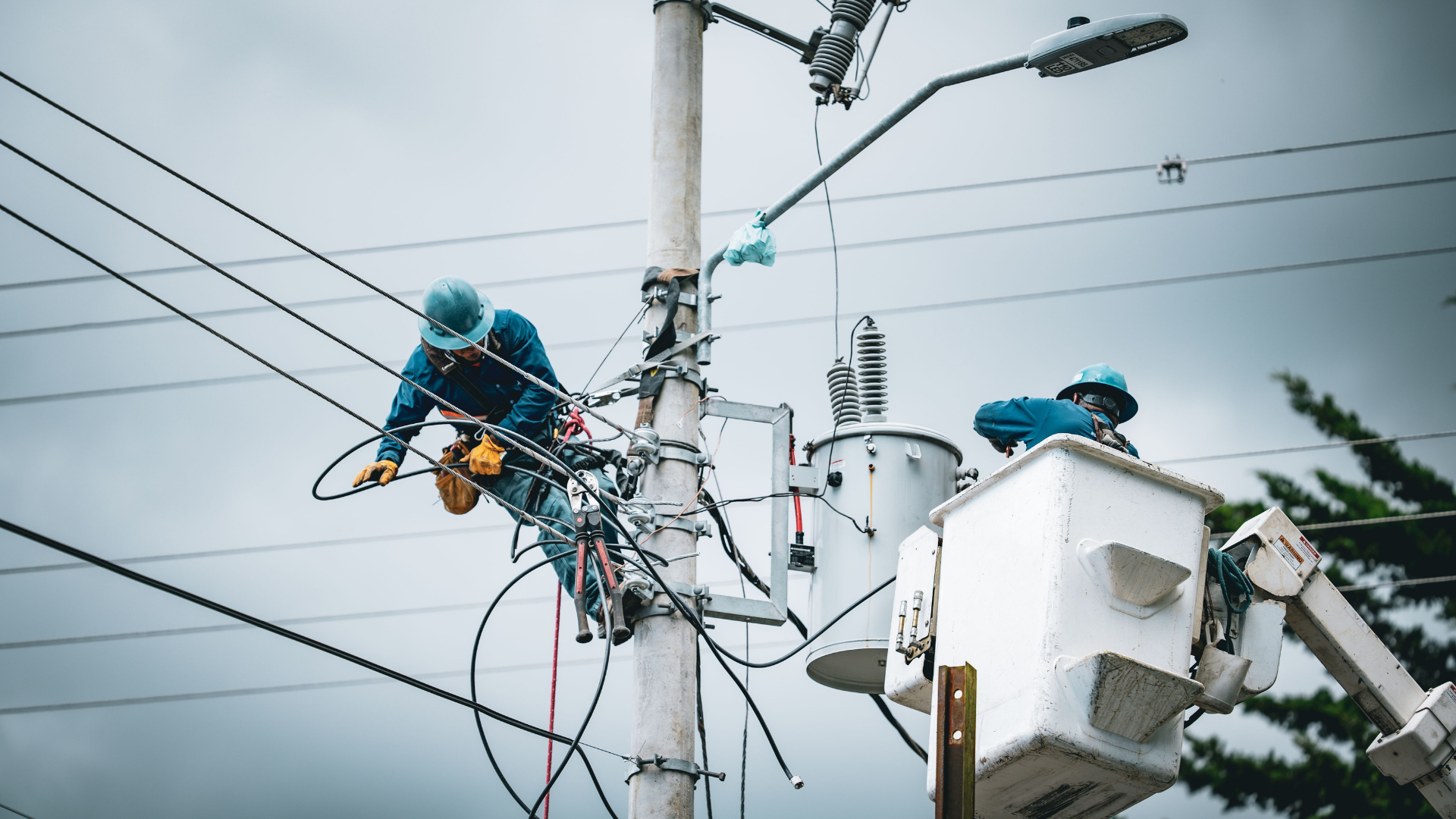
Rising electric bills usually get blamed on not having enough power plants, an old, simple story about supply falling short of demand. The real picture is stranger than that. Roughly half of the generation capacity the United States has already built sits unused at any given time, even as households across the country watch their electricity bills climb faster than inflation itself.
National retail electricity prices have risen sharply since 2022. They have outpaced both general inflation and natural gas prices. At the same time, the country is projected to face a shortage of at least 175 gigawatts of generation by 2035, a gap larger than what even the biggest individual power plants, which produce roughly 2 to 3 gigawatts each, could realistically fill on their own.
That shortfall might suggest the obvious fix is simply building more power plants. The actual bottleneck sits somewhere else entirely. Roughly half of the generation capacity already built in the U.S. currently sits idle, not because it lacks demand, but because there is no way to physically move that electricity from where it is produced to where people actually need it.
Transmission Congestion Cost Consumers $12 Billion Last Year Alone
Engineers call this problem transmission congestion. It functions much like a traffic jam for electricity. Power gets generated in one place but cannot reach the areas that need it because the wires connecting them do not have enough capacity. When that happens, utilities have to dispatch more expensive backup power instead, and those higher costs get passed directly down to ordinary customers on their monthly bill.
This is not a fringe theory. The Trump administration’s own Department of Energy corroborated it directly in a July report, stating that transmission congestion “increases the average wholesale price of electricity” nationwide. The agency put congestion costs at $11 billion in 2023, a figure it has since updated to roughly $12 billion for 2024. Research from Lawrence Berkeley National Laboratory found that a single new 1,000-megawatt transmission link could save consumers about $135 million every year.
These costs are not spread evenly throughout the year, either. Roughly half of the total congestion value studied comes from just 5% of hours, concentrated during periods of extreme weather and high demand volatility. Even outside those rare spikes, researchers estimate that increased transmission capacity could still cut related costs by roughly half. The real question is where, specifically, that added capacity actually needs to go.
It’s Not Just Wind and Solar Losing Out to Transmission Gaps
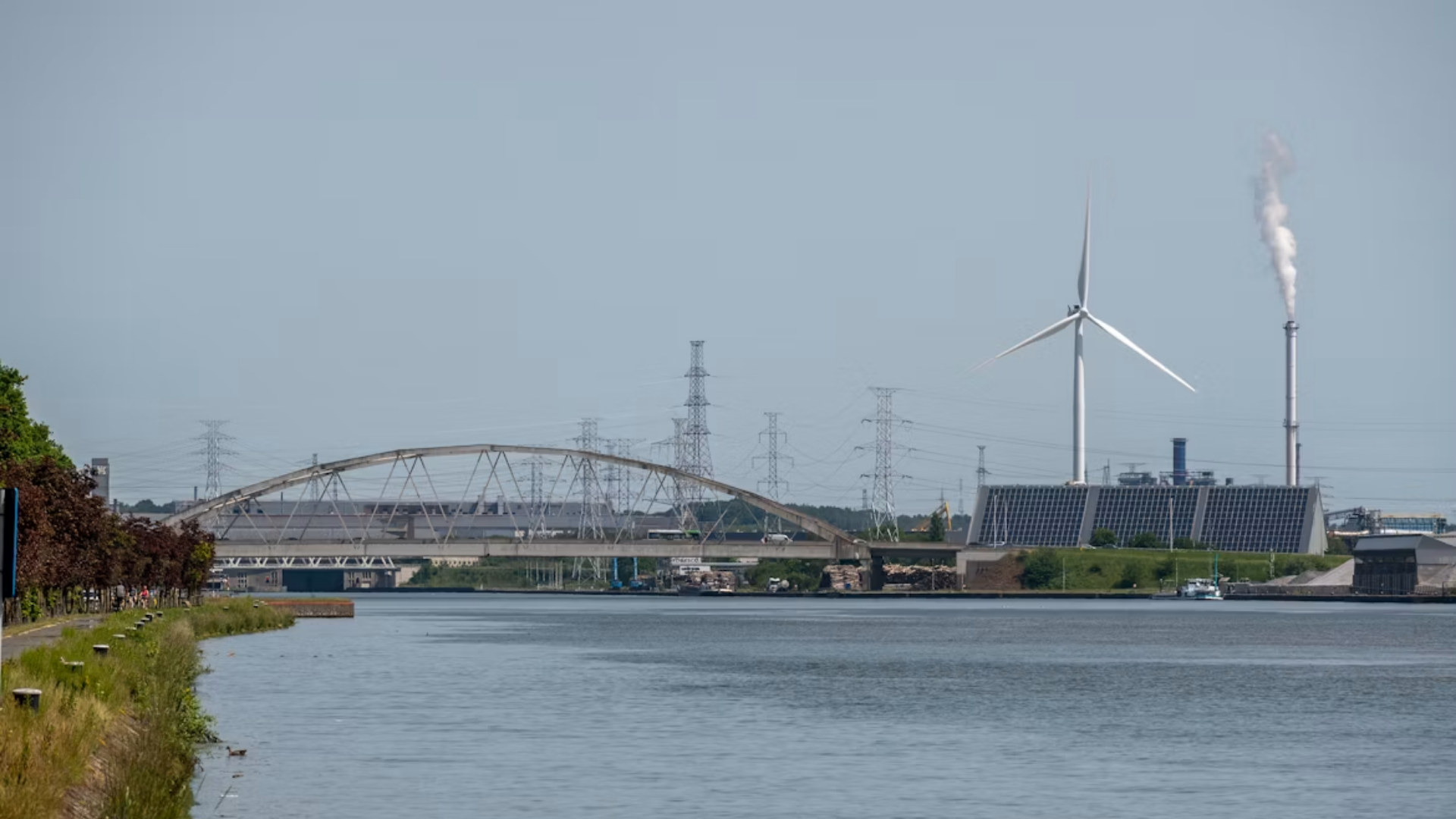
A Stanford study found that most existing transmission lines are actually underutilized, meaning they could carry significantly more electricity without approaching their physical limits. That finding might suggest the fix is simple: just use what already exists more fully. Researchers caution it is not that straightforward. Specific bottlenecks throughout the system still need targeted upgrades, since a handful of choke points can restrict how much power the rest of the grid is able to move.
The problem hits gas plants just as hard as it hits renewables, contrary to a common assumption that transmission gaps are mainly a wind-and-solar issue. In Lucas County, Ohio, a planned 1,440-megawatt gas facility dropped out of its connection queue after facing a nearly $1.3 billion transmission upgrade bill. A similar gas project in Orange County, Virginia, would have needed to pay more than $300 million just to connect to the existing grid.
Both projects were abandoned. The electricity they would have generated never reached the grid at all. That is not a hypothetical cost; it is real capacity that could have eased shortages and never got the chance to. Fixing that gap raises an unavoidable, more political question: who actually pays for the transmission lines that projects like these need to connect in the first place?
Who Pays for New Power Lines Is Where This Debate Gets Political
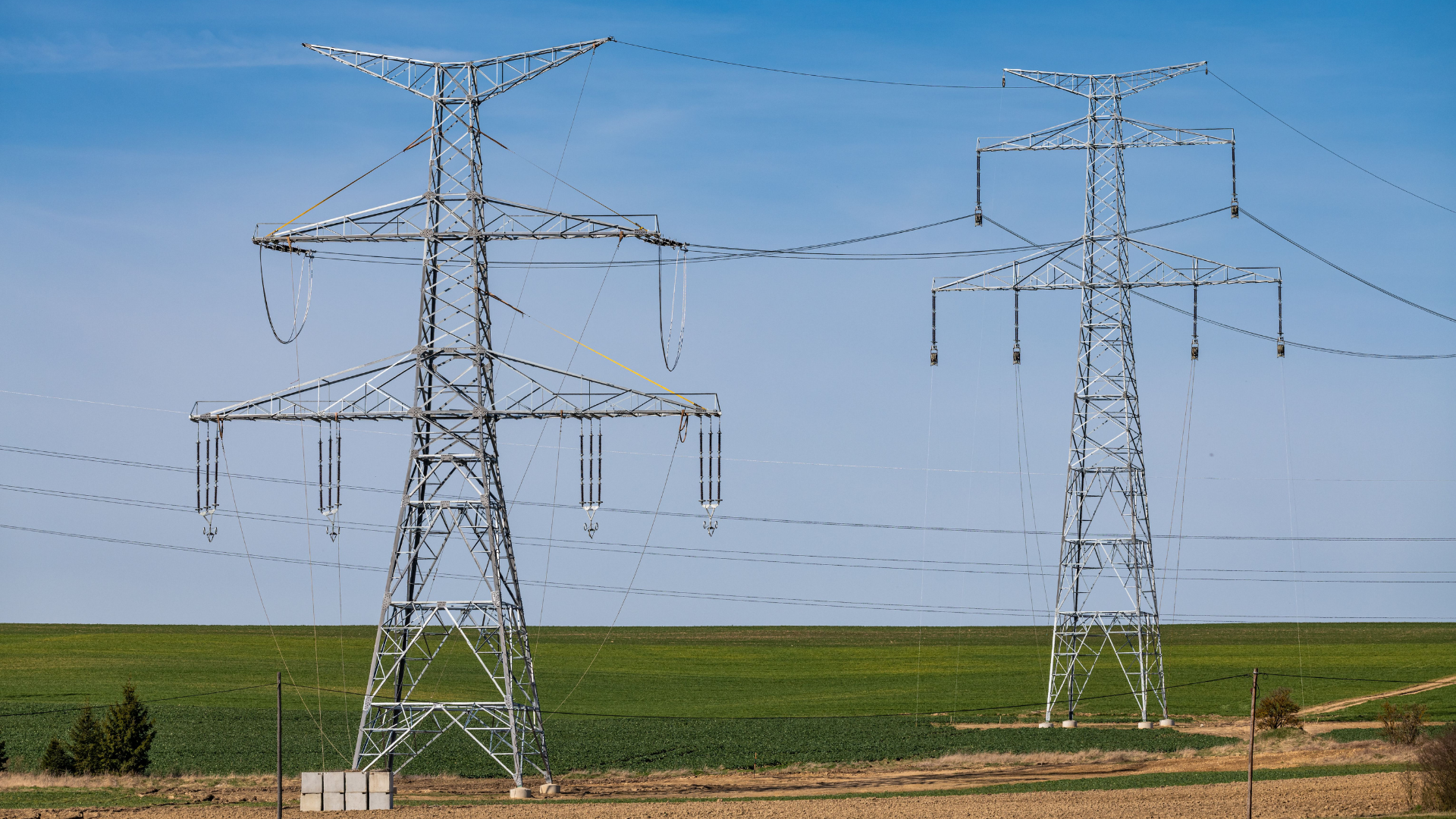
Transmission costs today get spread through what’s known as a “beneficiary pays” system, in which the price of a new line is allocated across the specific customers deemed to actually benefit from it, typically through increased reliability, less congestion, or access to cheaper power. This cost-allocation model is not new or experimental. It has been standard practice across most of the country since 1935.
That system still runs into political friction. It gets especially tense when a new line crosses a district whose residents may not directly benefit from it. Some Republicans in Congress have voiced concern about exactly that scenario, worried constituents could end up financially burdened by projects built mainly to serve other regions. The Trump administration recently convened utility companies and data center developers, seeking voluntary commitments that rising demand would not raise costs for other ratepayers.
Tougaw, the piece’s author, is an energy policy advocate. He argues this does not need to be a partisan fight, framing it as an engineering and planning problem deserving calm, deliberate attention rather than political point-scoring. Not everyone agrees the politics can be separated out so cleanly, especially when the question of who pays touches real districts and real constituents. What the numbers do make clear is that half of America’s power sits unused while bills keep climbing.