Half of Americans Say They Spend Too Much Time on Their Phone
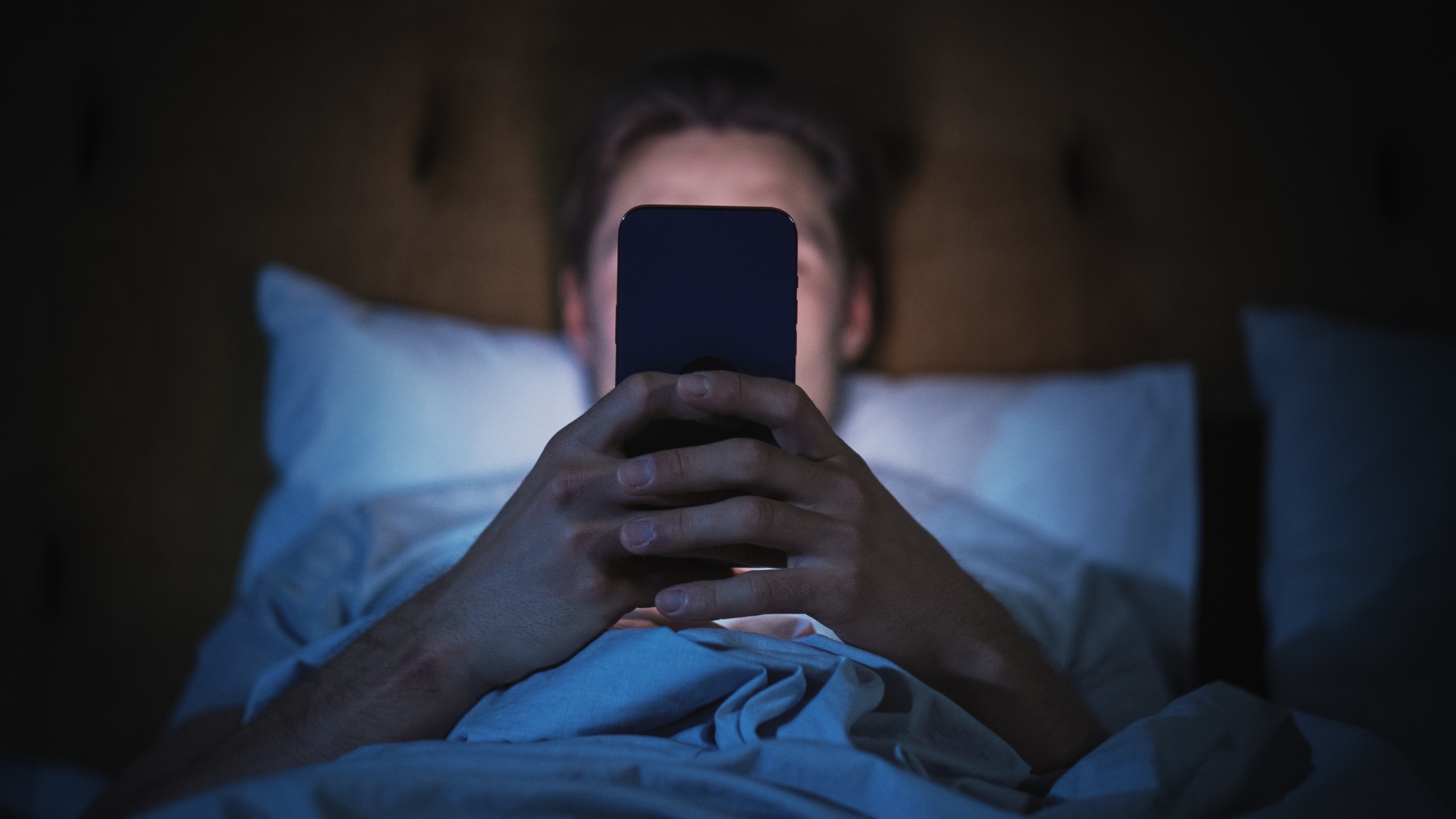

That “quick check” has a way of becoming 20 minutes of scrolling, and millions of Americans know the feeling. A new Pew Research Center survey finds 53% of U.S. adults believe they spend too much time on their smartphones, compared with 36% who think their usage is about right. Just 3% think they spend too little time on their phones. The findings suggest the smartphone’s grip on daily life is hardly invisible to the people experiencing it.
Younger Adults Feel It Most
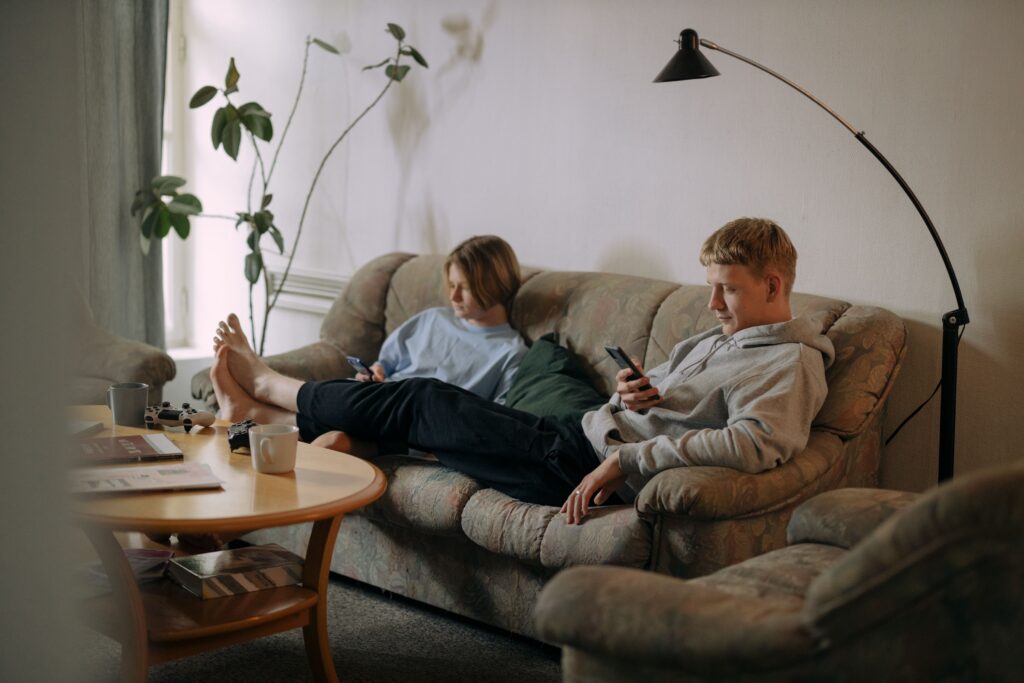
The numbers climb dramatically as age drops. Seven in 10 adults ages 18 to 29 say they spend too much time on their smartphones, while 64% of those ages 30 to 49 say the same. That falls to 49% among people ages 50 to 64 and only 25% among those 65 and older. Younger adults are not simply heavier users. They are also much more likely to recognize their own usage as excessive.
Some People Are Almost Always Online

For a sizable group, checking a smartphone is not an occasional activity. Pew found 26% of U.S. adults describe themselves as using their phones “almost constantly,” while another 60% use them several times a day. Again, younger adults stand apart: 42% of people under 30 say they are on their smartphones almost constantly, compared with 33% of adults ages 30 to 49 and just 9% of those 65 and older.
The Phone Follows People To Bed
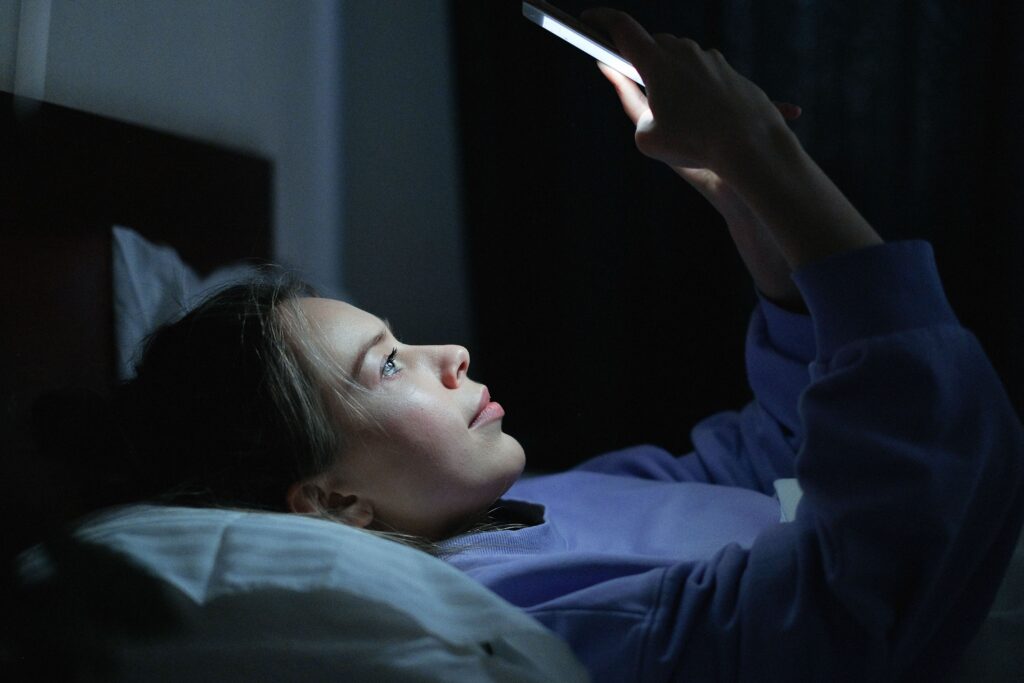
The habit does not necessarily stop when the lights go out. Earlier YouGov polling found 20% of Americans sleep with their phone on the bed, while 53% keep it directly beside the bed. Meanwhile, 43% said they always or often browse apps or the internet within 10 minutes of falling asleep, and 44% do so within 10 minutes of waking. Among adults under 30, those figures jump to 61% and 60%, respectively.
Sleep Is Where The Trade-Off Gets Real

Americans still see plenty of value in their phones, but sleep emerges as the clearest downside in Pew’s survey. While 73% say smartphones help them stay informed and 51% say they help them feel connected, 41% say their phone hurts the amount of sleep they get. Only 5% say it helps their sleep. Among adults under 30, the problem is even more pronounced, with 62% saying smartphone use hurts their sleep.
Productivity Is More Complicated

Phones can be work tools and distractions at the same time, which may explain why Americans are divided over their effect on productivity. Pew found 34% say their smartphone hurts their productivity, while 30% say it helps and 27% see neither effect. Adults under 30 are again the age group most likely to say their phones make them less productive. That tension is familiar: the device carrying the calendar, email and work chat also carries games, social media and endless notifications.
Nearly Half Have Tried To Cut Back
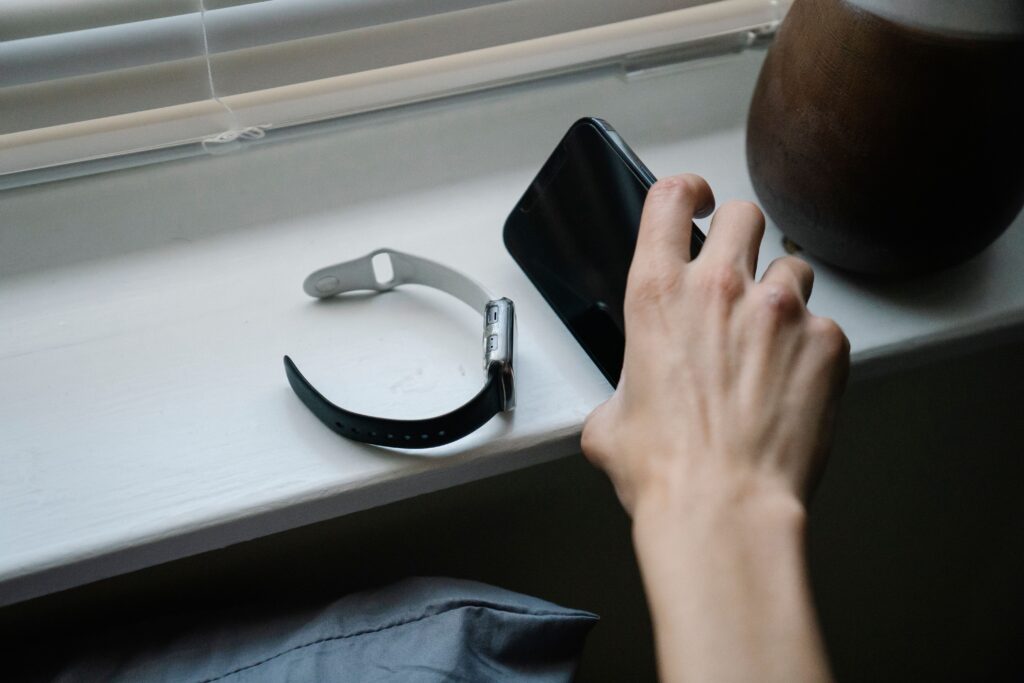
Recognizing the problem is one thing. Changing the habit is another. Pew found 45% of U.S. adults have tried to reduce their smartphone use during the previous 12 months, almost identical to the 46% who have not tried. Among people who already believe they spend too much time on their phones, however, 62% have attempted to cut back. Adults ages 18 to 49 are particularly likely to have tried, at 58%.
Cutting Back Is Harder Than It Sounds
Even people who actively try to reduce their phone time do not always get the result they want. Among Americans who attempted to cut back, only 25% told Pew they were extremely or very successful. Another 52% described themselves as somewhat successful, while 23% said their efforts were not too successful or not successful at all. Interestingly, although younger people are much more likely to attempt a reduction, Pew found relatively little variation by age in how successful those attempts were.
Americans Are Trying Plenty Of Tricks

People are not short on strategies. YouGov found 83% of Americans had tried at least one method to take a break from their phones. Turning off notifications was the most common at 37%, followed by using Do Not Disturb at 33%. Others powered their phones off, moved them into another room, deleted distracting apps or established phone-free periods. CNET also suggests creating extra friction, such as hiding tempting apps so opening them is no longer automatic.
The Next Battle May Be Over Attention

Smartphones are not disappearing from American life, and Pew’s findings show why: people overwhelmingly credit them with keeping them informed and connected even while acknowledging costs to sleep, productivity and mood. The more revealing question may therefore be whether people can reshape how they use a device they cannot realistically abandon. With younger adults reporting both the heaviest use and the strongest desire to cut back, the next phase of smartphone culture may be less about getting offline and more about deciding when being online is actually worth the time.