Grocery Bills Are Highest in This U.S. State, and It’s Not New York


Food inflation has reshaped the American household budget, but its geographic impact is far from uniform. While New York is often assumed to be the nation’s most expensive place to shop for groceries, recent data suggest a different reality altogether.
According to a study by Visual Capitalist, weekly grocery costs vary widely by state when measured against median household income and national price indexes. These figures reveal how location, logistics, and policy decisions shape the everyday cost of living for millions of Americans.
What emerges is a striking picture of inequality in food affordability, with some states paying far more than others simply to keep their pantries stocked.
Hawaii Claims the Top Spot for Grocery Costs
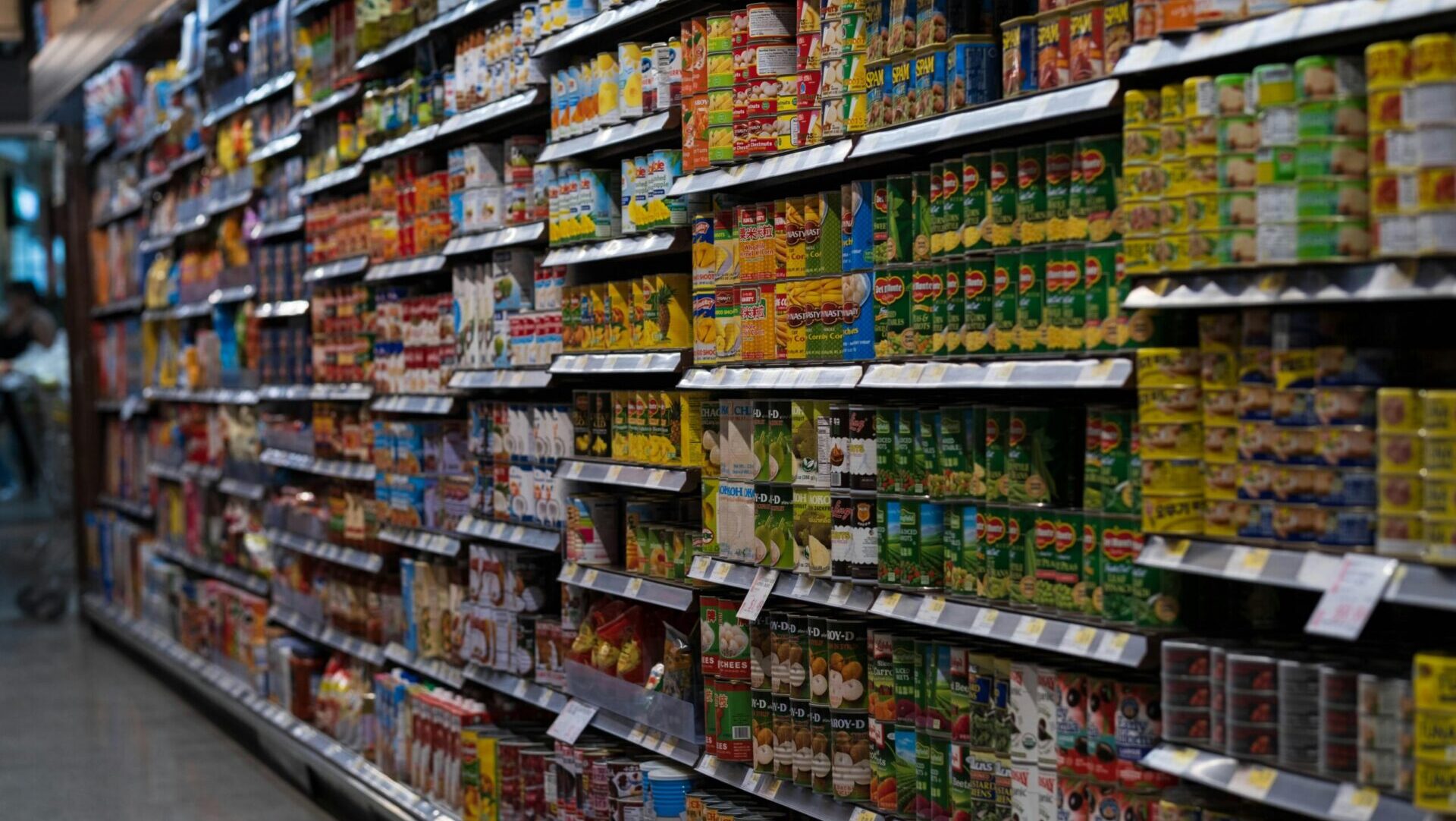
Hawaii ranks as the most expensive state for groceries in the United States, with residents spending an average of $157 per week. This figure is 33 percent higher than the national average of $118, reflecting the island state’s heavy reliance on imported goods and long supply chains.
The burden has grown sharper over time. Grocery prices in Hawaii rose by 9.6 percent compared to the previous year, forcing households to absorb higher costs without corresponding increases in income for many workers.
Geographic isolation, shipping expenses, and limited local food production continue to place Hawaii at a structural disadvantage when it comes to affordable food access.
Alaska and California Follow Close Behind

Alaska trails Hawaii with an average weekly grocery bill of $152. Prices there increased by 8.8 percent year over year, with stark disparities between urban centers and remote communities that lack road access. In some rural areas, basic items can cost nearly double their urban equivalents.
California ranks next, with households spending an average of $127 per week on groceries. Visual Capitalist attributes these elevated costs to higher wages, rising rent, utilities, and distribution expenses, all of which are passed on to consumers.
Washington and Vermont round out the top five, each exceeding $120 per week, underscoring how coastal and northern states are disproportionately affected by rising food prices.
What the Data Says About America’s Food Future

The findings are rooted in Bureau of Labor Statistics price indexes for 2025, using median income households as the benchmark. They reflect a broader national trend in which staple goods have become markedly more expensive. Ground beef rose by 15 percent, orange juice by 21 percent, and eggs reached a record high of $8.15 per carton amid bird flu related shortages.
These pressures are unlikely to ease soon. Policy changes, wage adjustments, and climate related disruptions continue to influence food supply chains across the country.
Ultimately, the data reveal that the cost of groceries is no longer just a matter of personal budgeting, but a structural issue shaped by geography, infrastructure, and economic policy.