Grandma’s Old-School Cleaning Tricks Still Work, and You May Already Have the Supplies


Vinegar, lemons and baking soda sat at the center of a grandmother’s cleaning kit. Seven of her tricks still hold up, from newspaper on windows to peanut butter on sticker glue.
They work for plain reasons. Lemon juice and vinegar are mild acids that dissolve mineral buildup, baking soda is a mild abrasive, and the oil in peanut butter seeps into label glue and loosens it. That’s also why every trick has a limit. Acid can damage plated finishes, oil can stain porous surfaces, and one tip on this list has jewelers openly disagreeing.
The first trick needs only a bottle of white vinegar and yesterday’s newspaper.
This article was created with the assistance of AI and reviewed by our editorial team for accuracy and clarity.
Why newspaper and vinegar still clean windows well
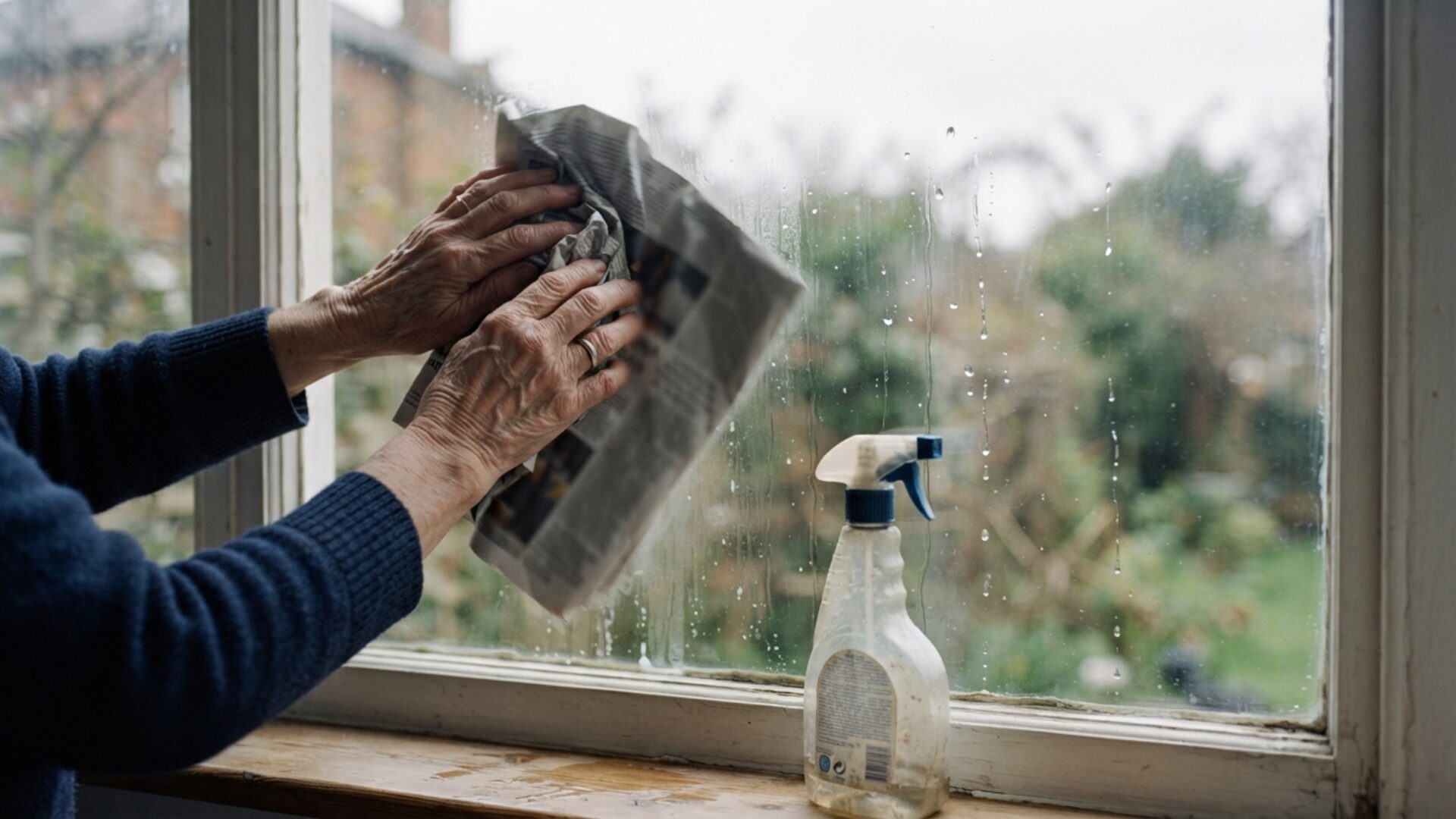
Newspaper became the go-to window cloth before microfiber existed, and the reason is absorbency. Its dense fibers soak up the whole film of cleaning liquid instead of leaving some behind, which is what causes streaks. Spray the glass, scrunch a couple of sheets into a ball, and buff until dry.
Recipes vary widely. Many guides use equal parts white vinegar and water, others thin it to one part vinegar and three or five parts water, and the classic grandma recipe is one to nine. Stick with white vinegar, since it doesn’t leave residue. Keep the paper damp, not soaked, because a wet sheet can bleed onto frames and sills.
The next trick starts with a scorched pan and a pot of simmering water.
How simmering baking soda loosens burnt-on food
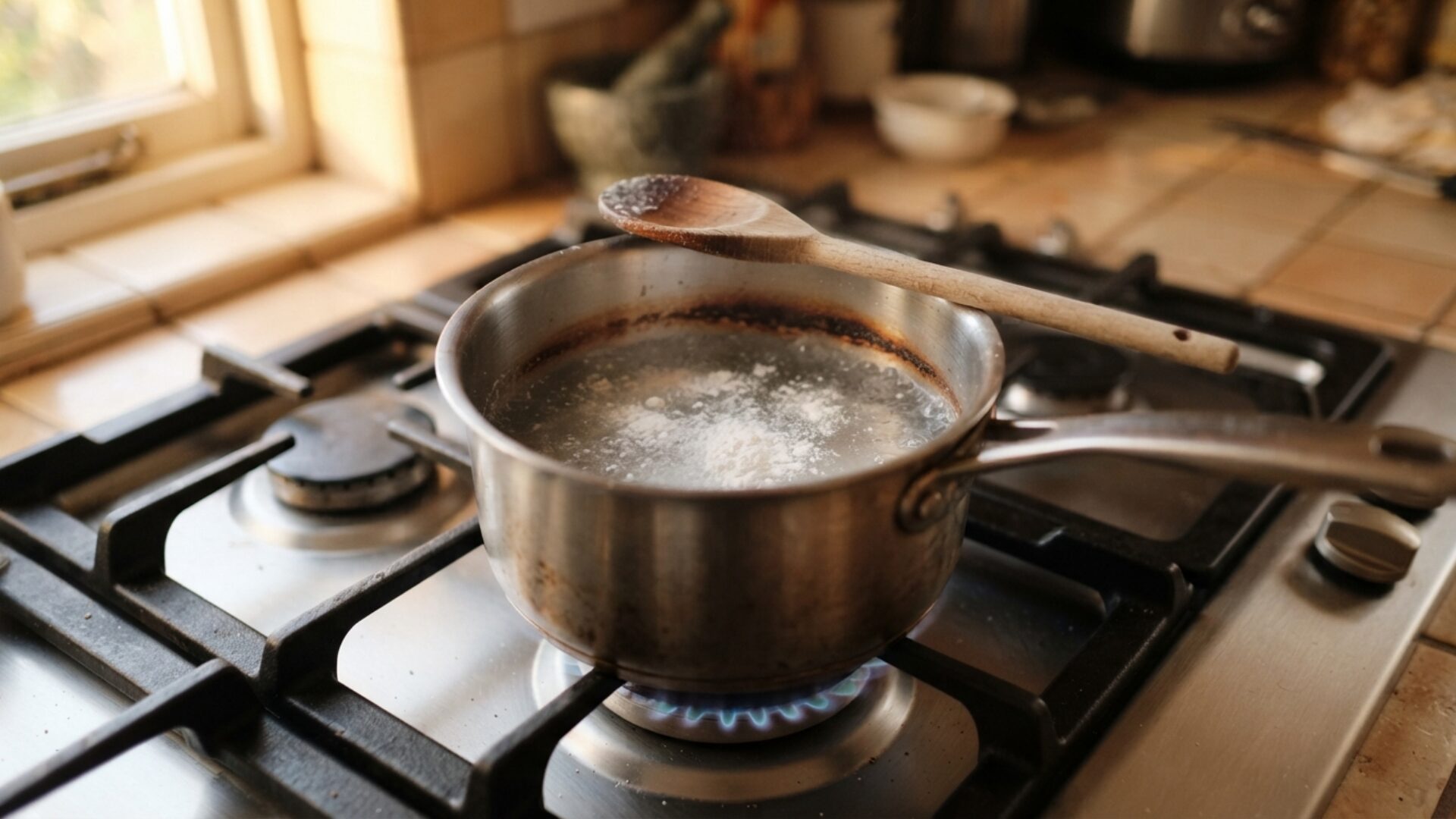
Half-fill the burnt pot with water, add two tablespoons of baking soda and a few drops of dish soap, and simmer for about 10 minutes. Let it cool before you rinse and scrub. Other guides call for 2 to 3 tablespoons and a 10 to 15 minute simmer, so give a stubborn pan the longer time.
Baking soda is mildly alkaline, with a pH around 8, which loosens acidic charred residue. It’s also a mild abrasive, and the simmering softens and loosens the burnt bits even more.
For a scorch mark that survives all that, the old fix involves no stove at all.
A baking soda paste for scorch marks, and a shortcut
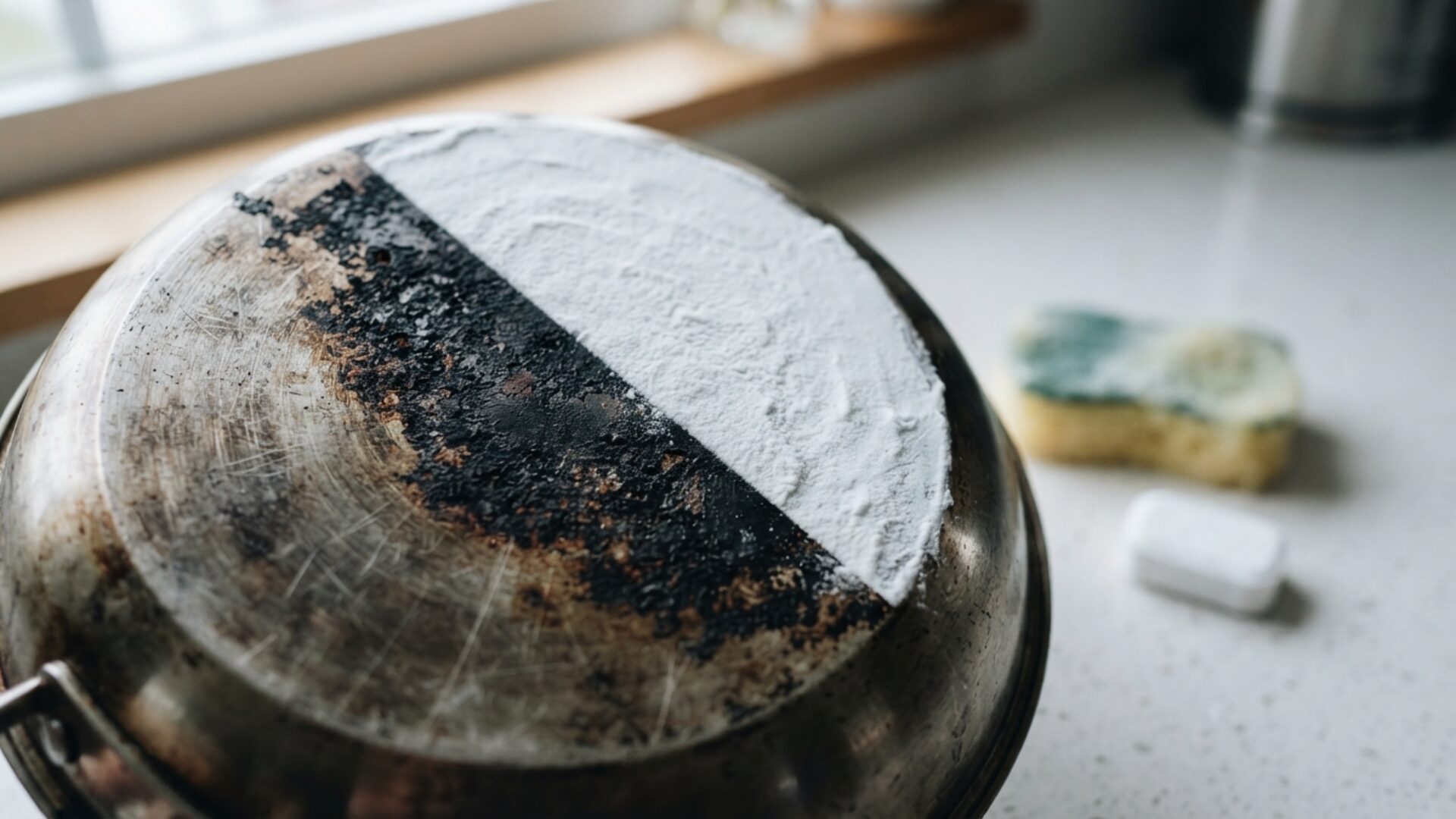
For a scorch mark that survives the simmer, skip the stove. Stir baking soda with a little water into a thick paste and spread it over the stain. Leave it for at least 15 minutes, or up to an hour on a heavier mark, then scrub gently with a soft brush or non-scratch sponge.
A modern shortcut is the dishwasher tablet. In Taste of Home’s test of five burnt-pan methods, the downside was cost: two tablets for one badly burnt pan.
Check your cookware before scrubbing. Brands such as IKEA advise less baking soda, shorter heating and no metal scrubbers to protect the coating.
The next trick takes half a lemon and a faucet.
Why a lemon half dissolves limescale on faucets
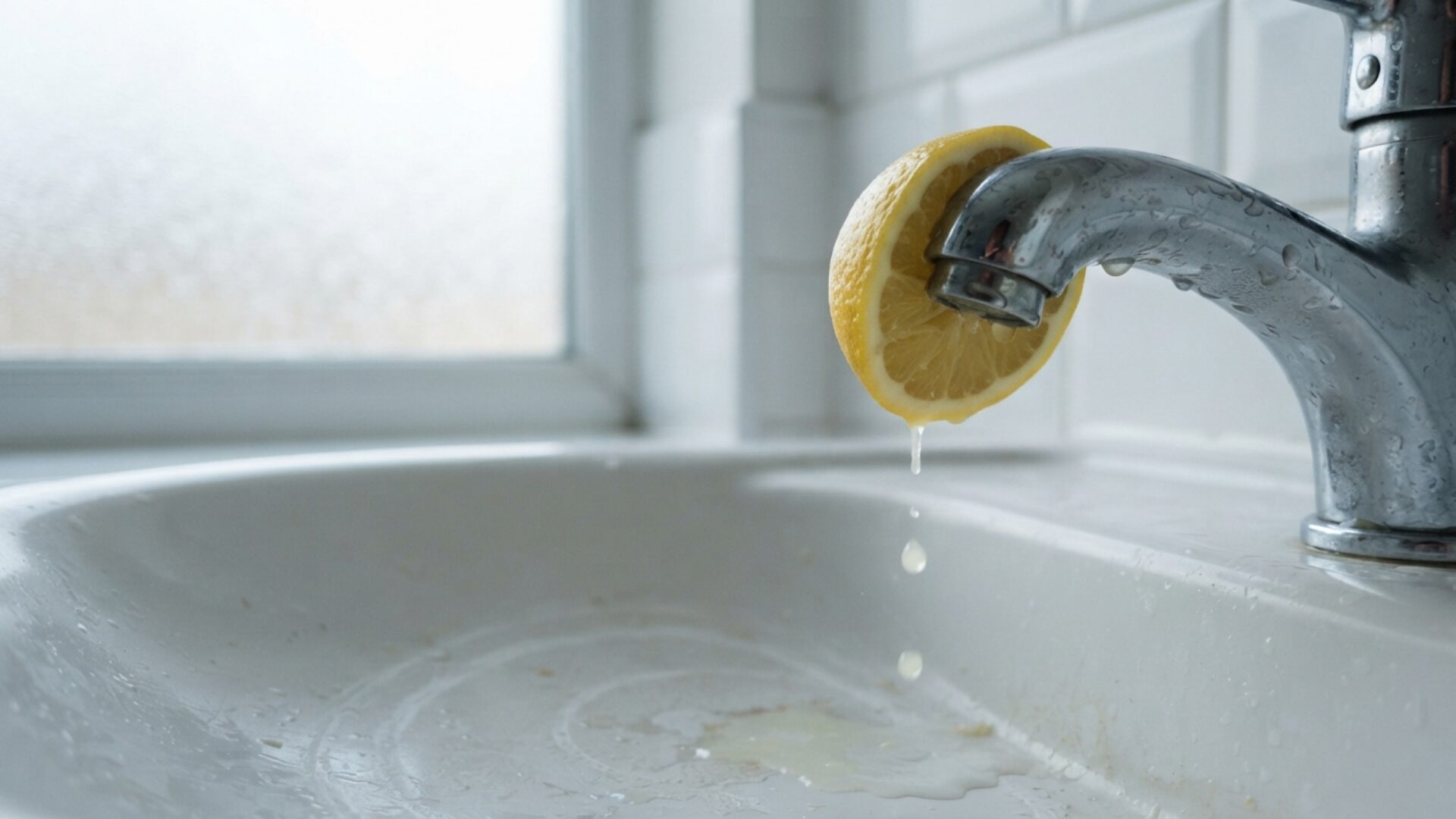
Twist a lemon half onto a faucet spout, leave it, and the acid does the work. Limescale is a chalky deposit built from the calcium carbonate in hard water, and the citric acid in lemon juice converts it into soluble calcium citrate that rinses away.
The old advice is one to two hours for thick buildup. Some tap specialists say 20 to 60 minutes is enough on chrome, so check as you go. Rinse and dry afterward.
Be careful on plated taps, where the acid can damage the finish, and keep juice off natural stone such as marble.
The next fix comes from a jar you’d normally open for toast.
Peanut butter lifts sticker glue with its oil
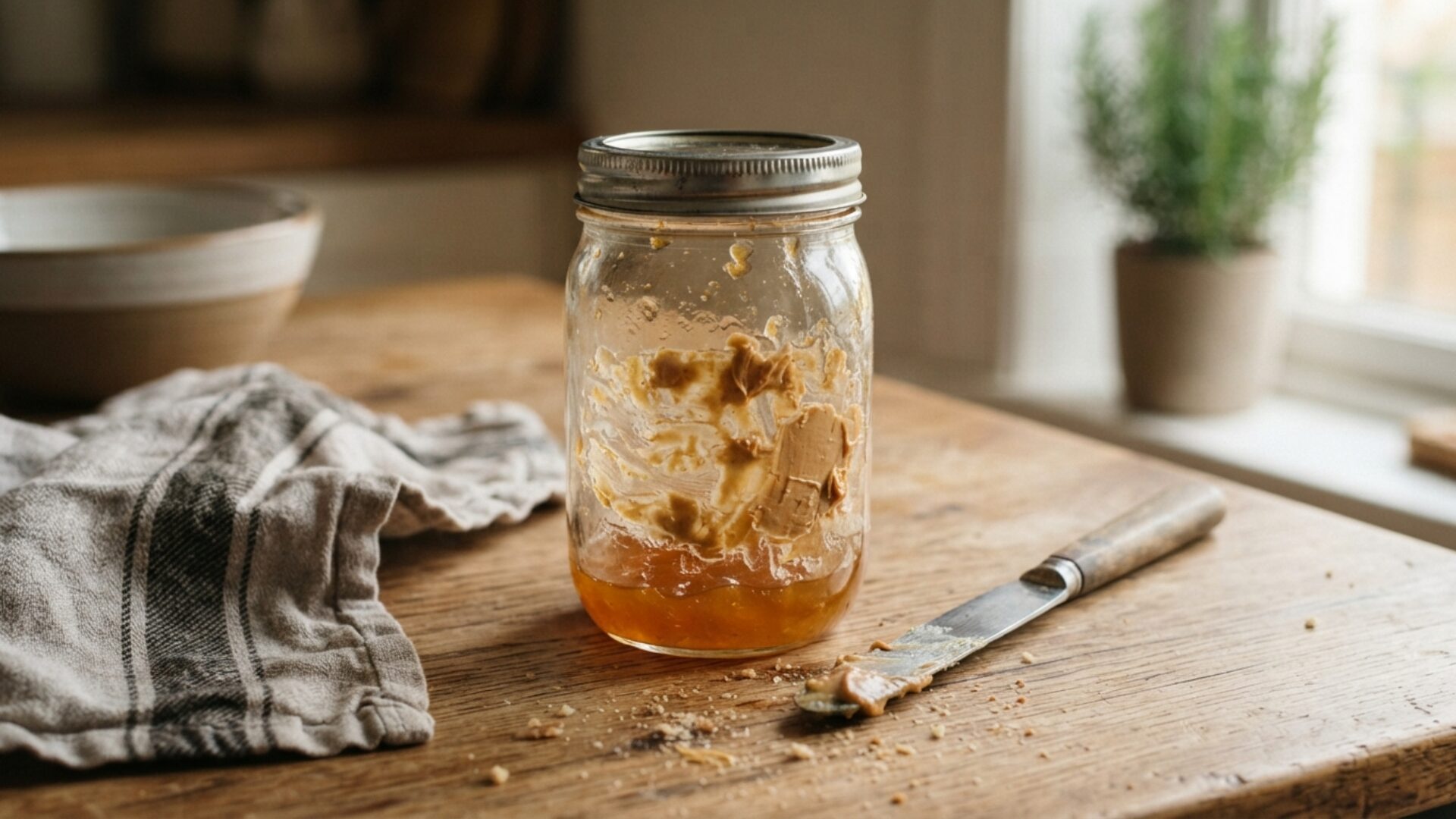
Peanut butter loosens sticker glue because its oils seep into the adhesive, and its thick texture keeps it sitting on the spot. Spread a layer over the sticker or the leftover residue, wait, then wipe with a damp cloth. Guides give waits from about 10 minutes to an hour, so if the glue hasn’t let go, apply another coat and give it longer.
Smooth is easier to spread than chunky. Afterward, wash the area with dish soap to remove the oily film.
That oil is also the limit. It can stain porous or unfinished surfaces, and a cleaning expert quoted by Reader’s Digest says to use heat, not oils, on clothing.
A scratched coffee table is next, and the fix involves a tin and a nut.
Shoe polish, walnuts and coffee grounds hide wood scratches
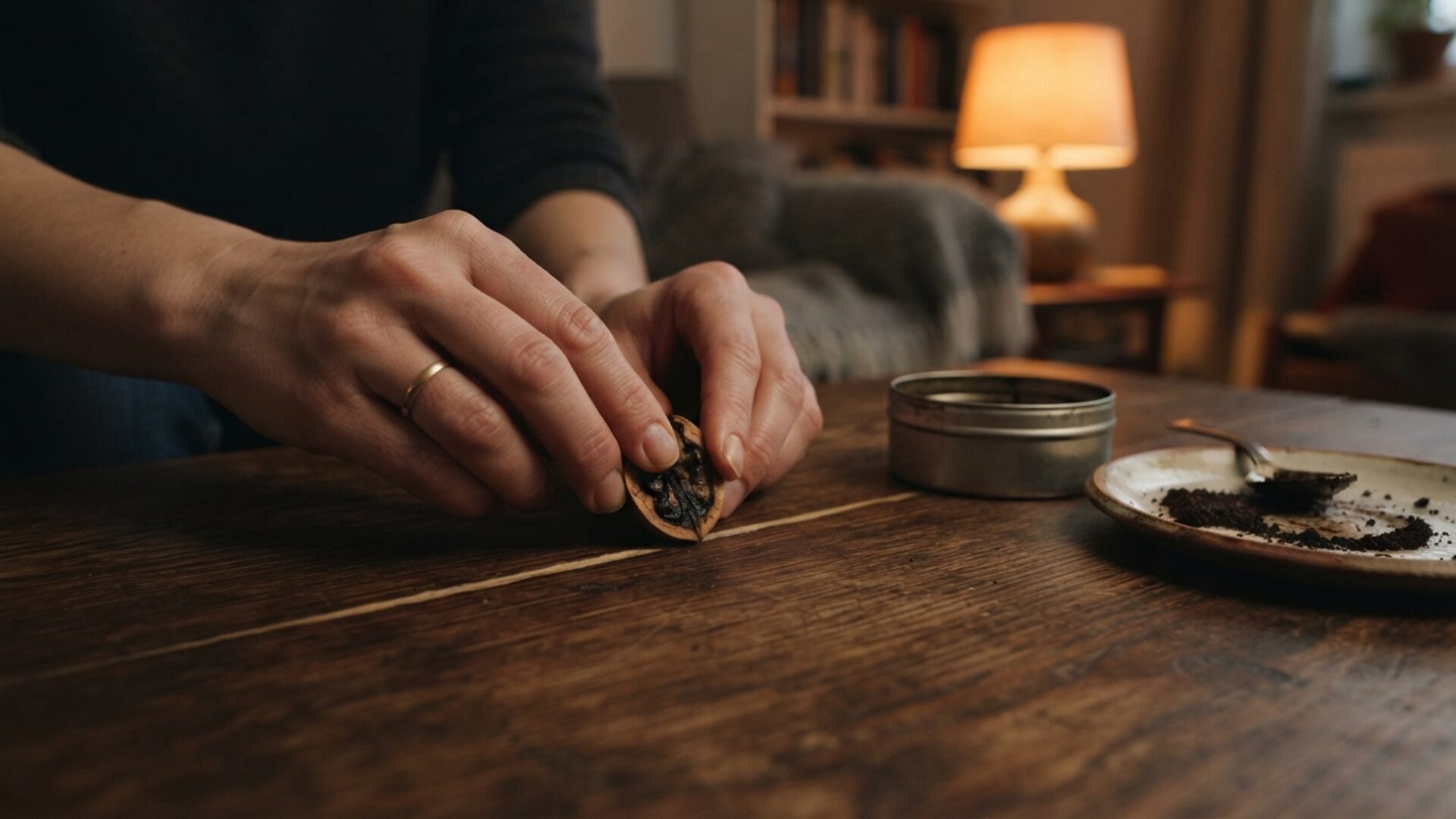
Old-school wood care treats a scratch as something to disguise, not repair. Brown shoe polish rubbed into the mark tints it to blend with the surrounding wood. The shade has to match, so test it on a hidden spot first.
A walnut is the other classic. Shell it, cut the nut meat in half, and rub the cut surface along the scratch. For darker wood, damp coffee grounds can do the same job.
None of these refinish the surface, so a deep gouge still needs wood filler or a furniture refinisher.
The next tip costs nothing, because the supplies are a T-shirt too worn to wear.
Torn T-shirts become free cleaning rags
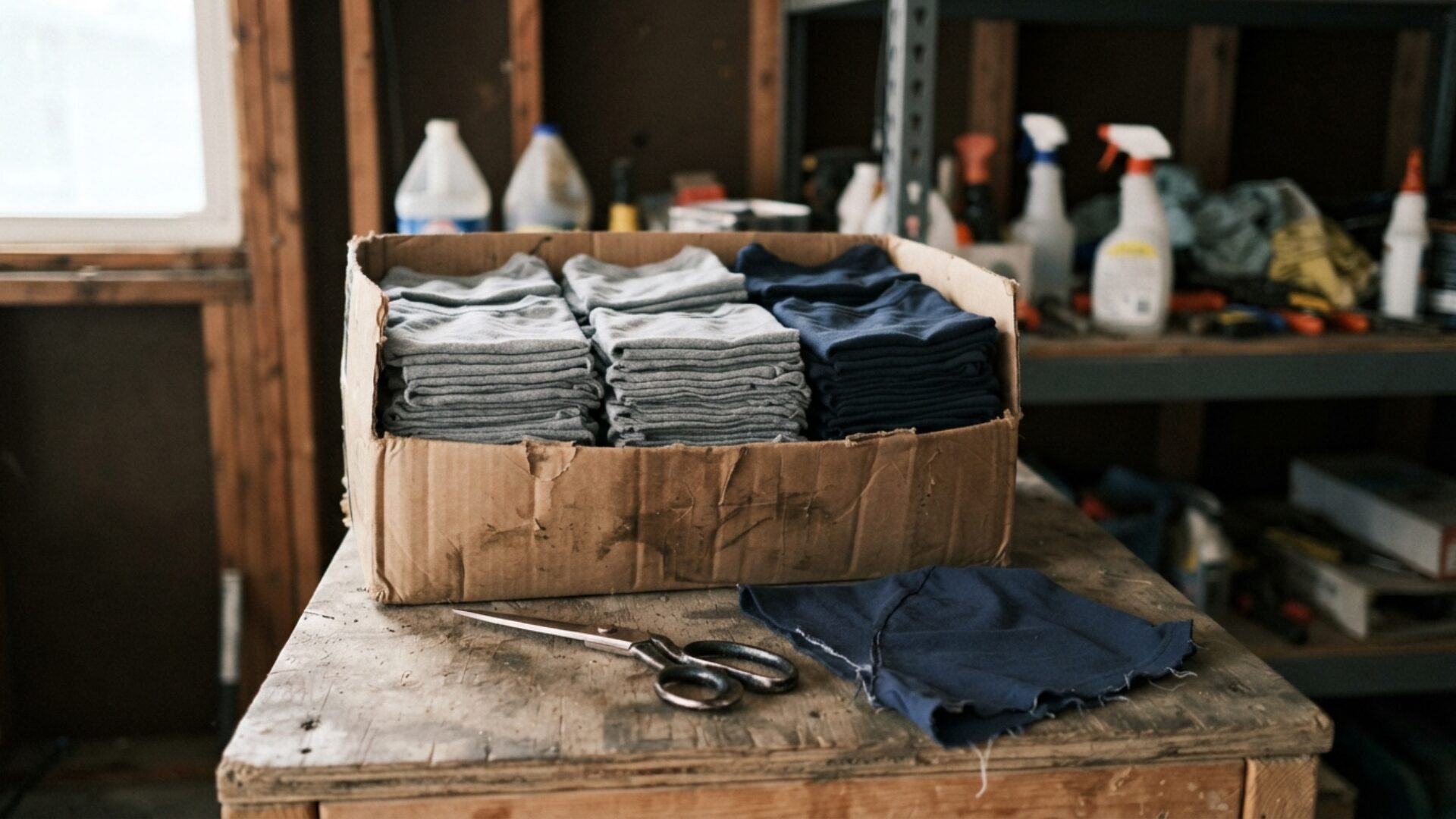
A T-shirt that’s torn or worn thin still has a job. Cut it into strips or squares and move it to the rag bin instead of straight to recycling. Soft cotton absorbs well, and the supply is free.
Use the rags for jobs where you wouldn’t risk a good microfiber cloth: wiping grease off a range hood, cleaning up after a pet, or scrubbing a grimy corner. Cut a few sizes. A big square handles floor spills, and small scraps get into tight spots.
When a rag has done a grimy job, it can go in the trash instead of back into the laundry.
The last tip starts in the bathroom, and jewelers disagree about it.
How the toothpaste method for silver works
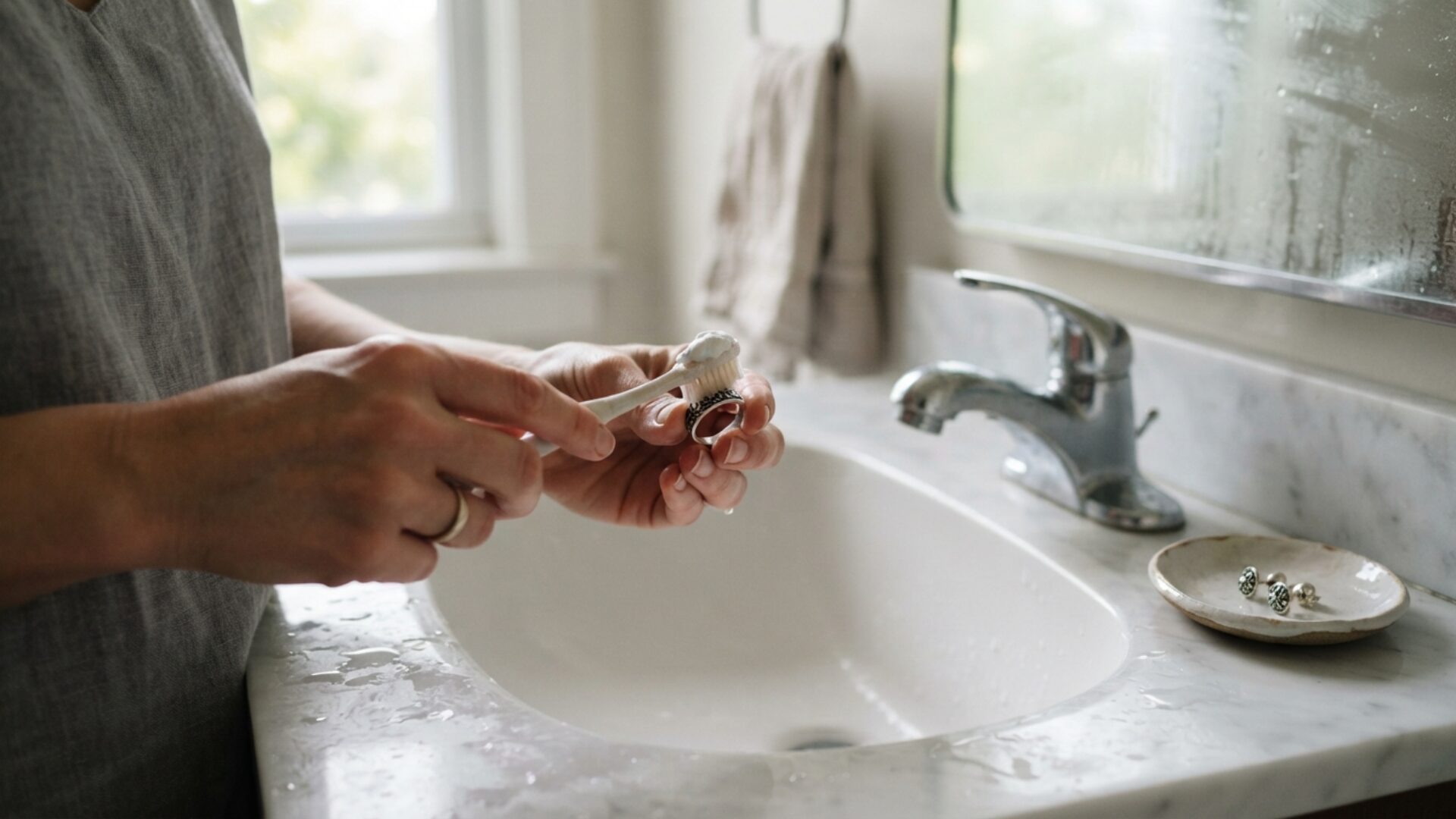
The bathroom version is short. Use plain white toothpaste, not a gel or a whitening formula. Dampen a soft toothbrush, scrub a pea-sized amount into the silver, and rinse it clean. Keep it off soft stones such as opals.
The logic is that toothpaste is abrasive, so it rubs tarnish off the surface. One jewelry blog says it can remove light tarnish but shouldn’t be used regularly, because frequent use creates micro-scratches that dull silver over time. It lists plated pieces, pearls, gemstones and antiques as ones to avoid.
Two jewelry retailers tell customers to skip toothpaste entirely.
What jewelers suggest instead of toothpaste on silver
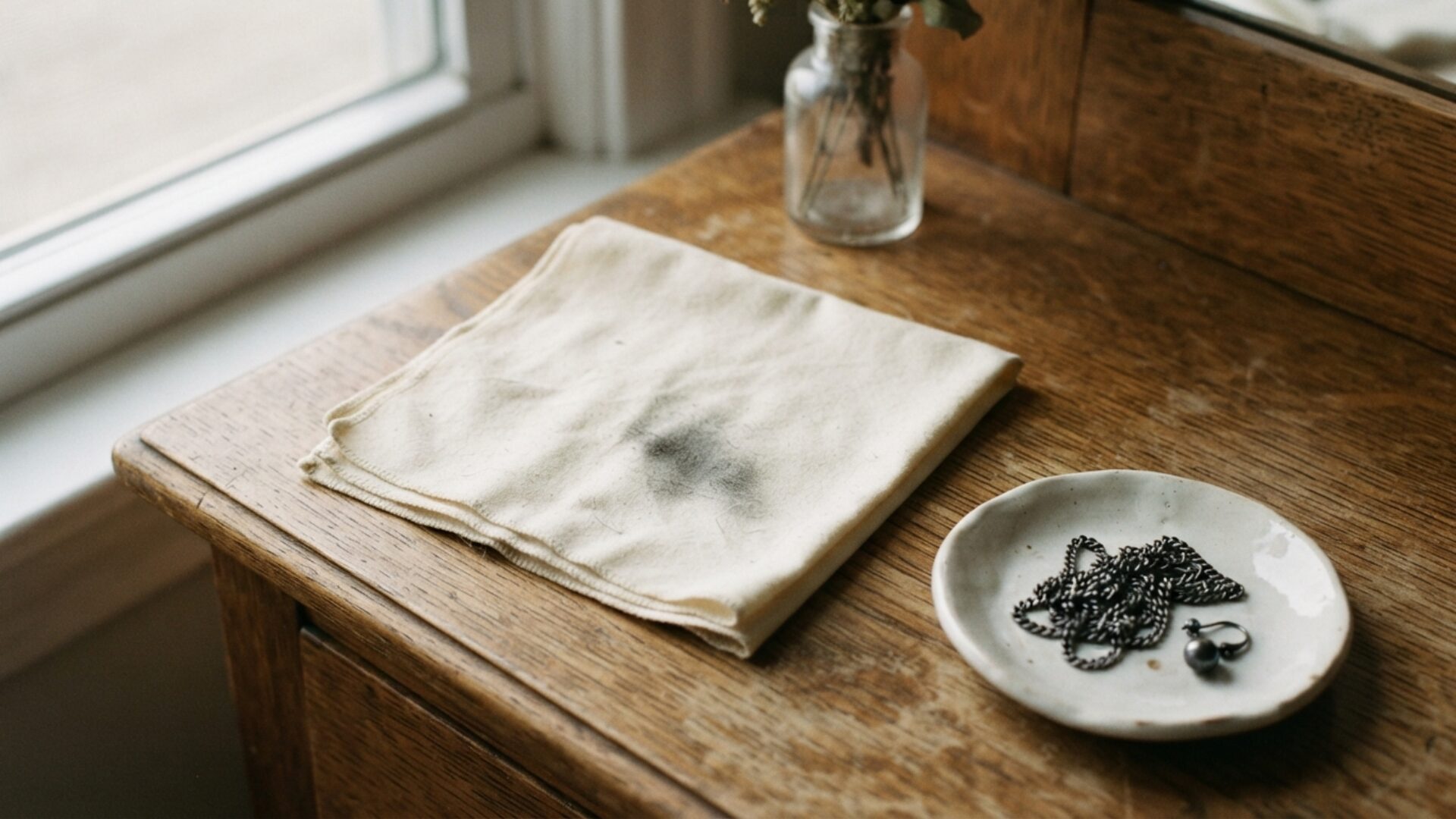
Gabriel & Co. lists toothpaste among the things to keep away from silver, saying its abrasives can scratch the finish. Robinson’s Jewelers recommends a silver polishing cloth, or baking soda mixed with water into a paste, instead. For heavy or stubborn tarnish, Gabriel & Co. points to a jewelry-safe commercial cleaner or a professional jeweler.
Tarnish is a normal chemical reaction, not damage, and the wrong cleaning method can scratch or dull silver over time. That’s the risk of a scrubbing method on a piece you care about.
Whichever route you take, start on the underside of the piece, where a scratch won’t show.