‘Grandma’s House’ Is Inspiring the Future of Home Design, Designer Says
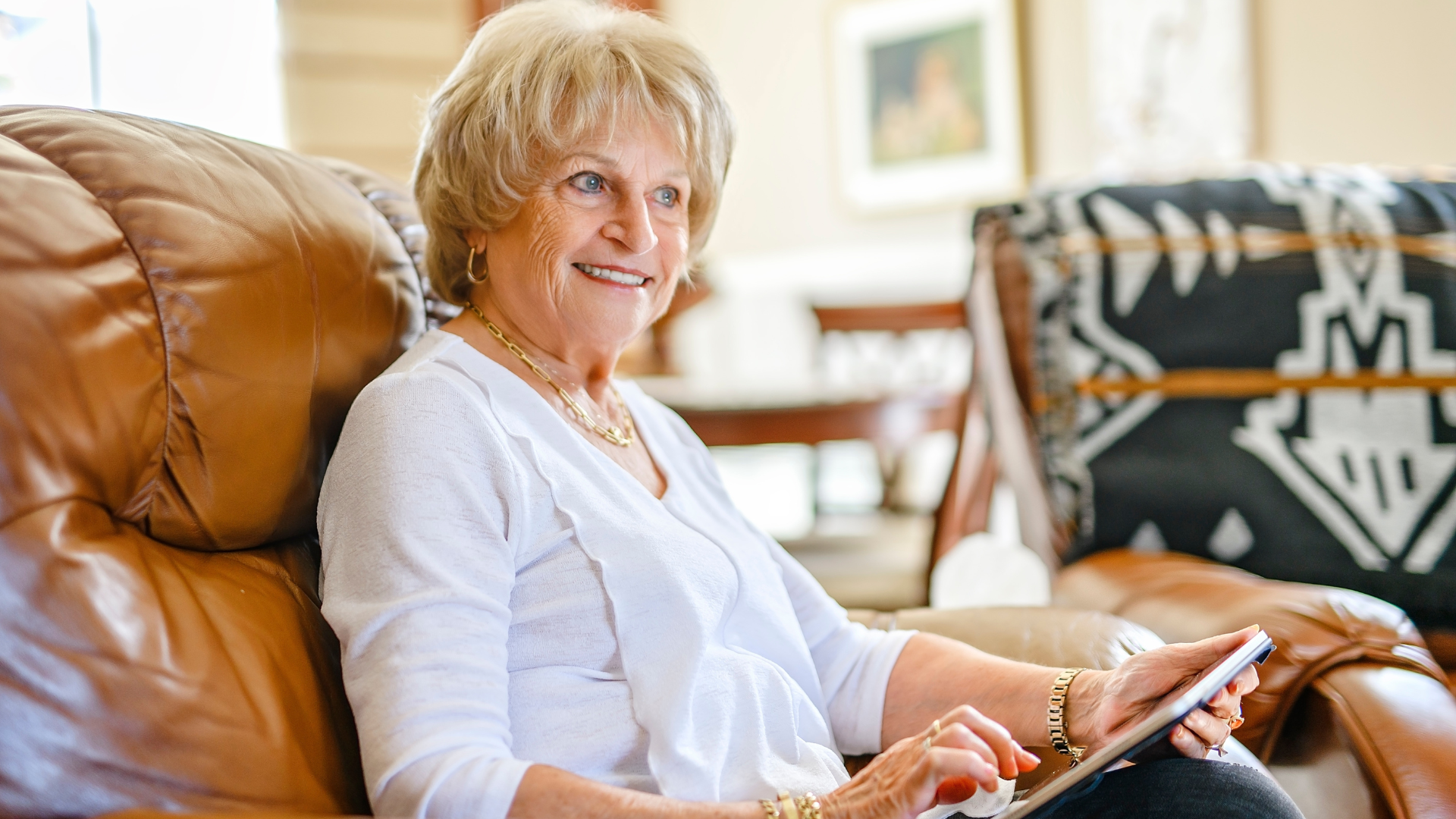

For years, modern home design seemed to be moving toward cleaner, emptier spaces filled with white walls, neutral furniture, and carefully coordinated décor. But designers say the next decade could look considerably warmer and more personal. Instead of trying to make every room resemble a perfectly styled social media post, homeowners may increasingly look backward for inspiration and embrace the comfort, history, and individuality associated with places like grandma’s house.
Lily Walters, founder and principal designer of Denver-based Elter Studios, told The Spruce that one of the most powerful shifts she’s seeing in interiors isn’t centered on what’s new but on recovering qualities that have been lost. She points specifically to the warmth, comfort, history, and sense of life people may remember from their grandparents’ homes.
That doesn’t necessarily mean everyone will suddenly cover their homes in floral wallpaper or bring back every decorating choice from decades ago. Instead, designers see a broader movement away from impersonal, trend-driven interiors and toward homes that reflect the people actually living inside them.
The Perfect Social Media Home May Be Losing Its Appeal
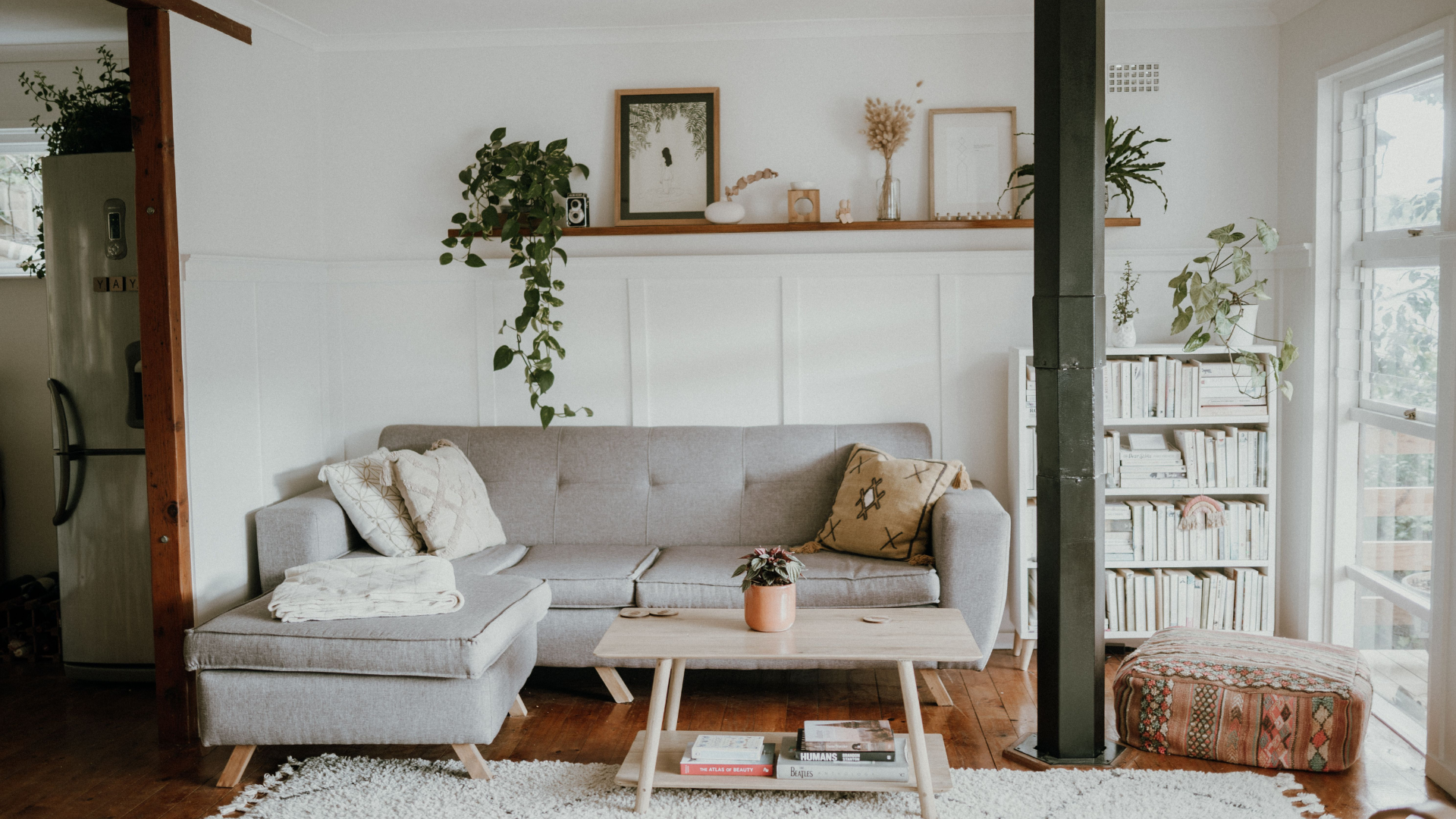
One of the biggest changes Walters is noticing is a move away from designing rooms primarily around what looks impressive on Instagram or TikTok. Viral furniture, highly recognizable décor trends, and picture-perfect layouts can create attractive photographs, but they don’t always correspond with the way people actually use their homes.
Instead, Walters says she’s increasingly designing around clients’ real routines. Someone who practices yoga every morning might have a particular corner intentionally designed for that activity, while a homeowner who rarely entertains may not need a room filled with extra seating simply because conventional design rules say the space looks more balanced that way.
That philosophy helps explain the renewed fascination with older, more lived-in homes. A grandparent’s house may not have followed a single design aesthetic, but the objects inside often accumulated naturally over many years. Furniture, photographs, artwork, books, handmade pieces, and family keepsakes gave individual rooms stories that couldn’t easily be recreated by purchasing an entire coordinated collection at once.
Designers Are Bringing Back Warmth, History and Imperfection
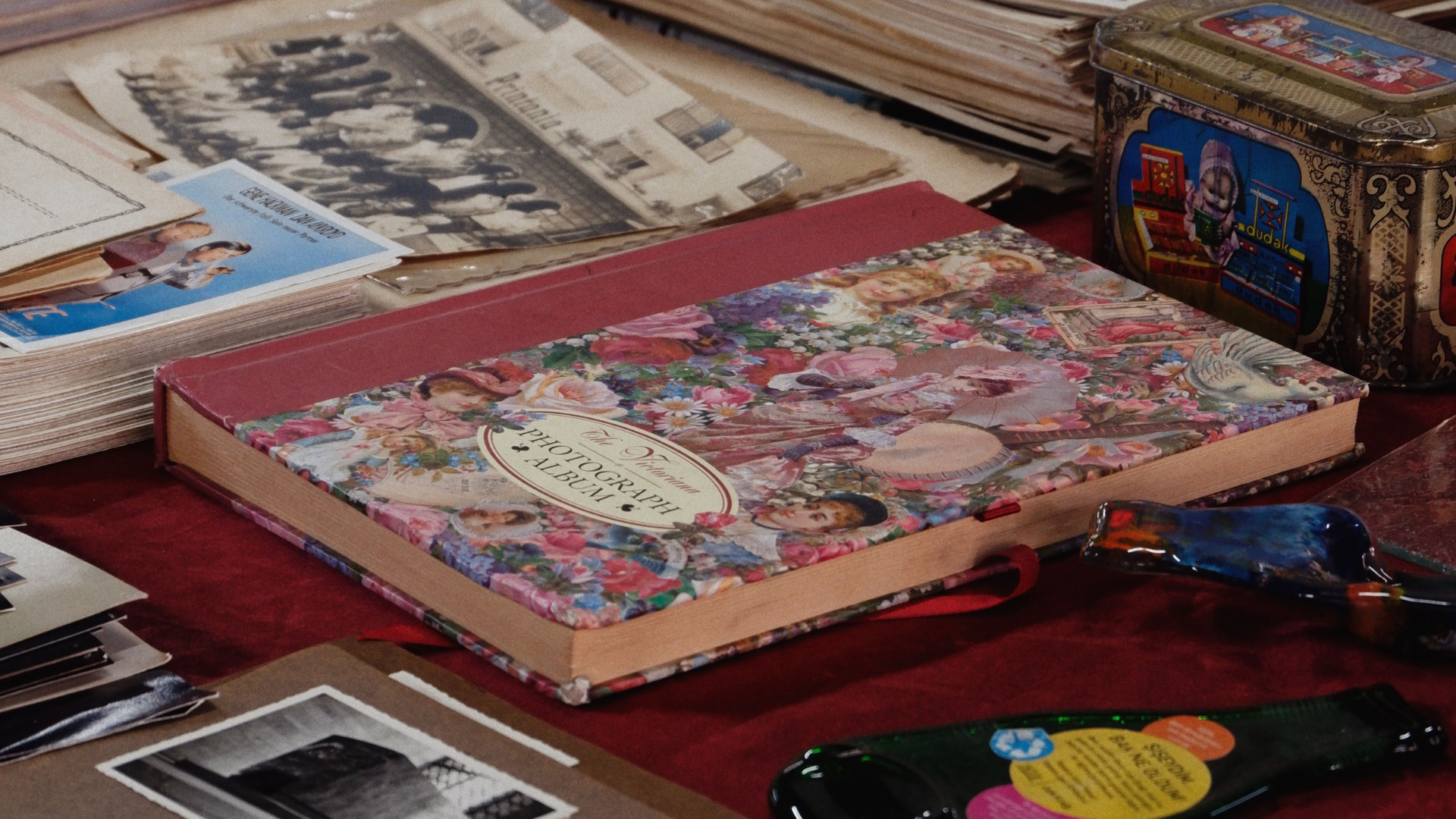
Walters predicts nostalgia will play an important role in the future of interior design as homeowners seek more individuality. Rather than automatically choosing brand-new furniture, ultra-modern fixtures, and predominantly white, gray, or silver rooms, people may increasingly incorporate elements that connect them to their history and personal experiences.
The look can include hand-hewn tile, hand-painted borders, meaningful trinkets, vintage furniture, and other pieces with visible character. The goal isn’t necessarily to make a new house look old. It’s to create a home that feels as though it has developed gradually rather than being assembled entirely around whatever happens to be fashionable that year.
This interest in older pieces also overlaps with another trend designers expect to grow: moving away from disposable “fast furniture.” Stephanie Mazzei, senior associate of commercial interior design at Wayfair, predicts more attention will go toward durable pieces as well as reclaimed, recycled, vintage, and upcycled materials.
The Homes of the Future Could Feel More Personal Than Futuristic
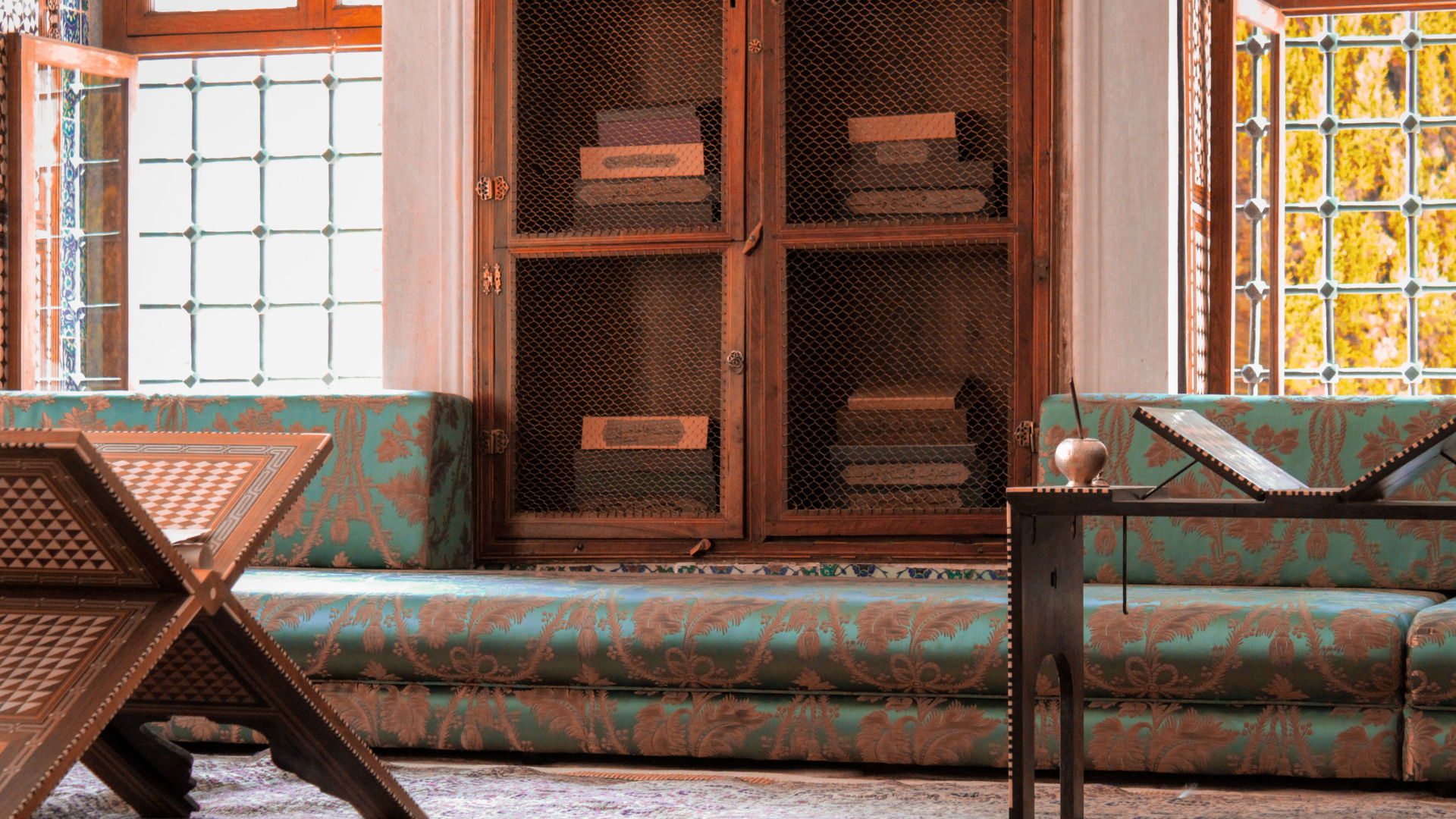
Interestingly, designers don’t expect nostalgia to mean rejecting modern technology or innovation. The Spruce’s experts also anticipate homes incorporating features such as lighting that follows natural circadian rhythms, nature-inspired soundscapes, sustainable materials, transforming furniture, and rooms capable of serving several purposes.
What connects these seemingly different ideas is a growing focus on how people actually experience their homes. Flexible rooms can change as a family’s needs change, while meaningful objects and inherited pieces can make those spaces feel distinctive rather than interchangeable. Walters also expects designers to question standardized construction details more often in favor of customized craftsmanship.
So the future of home design may not look nearly as futuristic as people expect. The next big inspiration could already be sitting in an older relative’s living room: furniture that has survived for decades, shelves filled with memories, handmade details that aren’t perfectly uniform, and rooms designed primarily to make the people inside them feel comfortable. In that sense, “grandma’s house” isn’t about recreating the past. It’s about bringing some of its warmth and personality into the homes of the future.