Governor Wants Drivers to Install Monitoring Device in Their Cars or Risk Losing Registration


A new law in New York could force some drivers to install a device that physically limits how fast their vehicles can travel. Those who refuse could lose their vehicle registration. The measure does not apply to all motorists. Instead, it targets a small group of repeat offenders who have accumulated an unusually high number of speeding violations. State officials say the program addresses a growing safety concern that has drawn increasing attention.
Governor Kathy Hochul Signs Speed-Limiter Pilot Program Into Law
Governor Kathy Hochul signed the legislation as part of New York’s fiscal year 2027 budget package. The law creates a pilot program focused on drivers classified as “super speeders” in New York City. Supporters argue that traditional fines have failed to stop some motorists from repeatedly breaking speed limits. The new approach shifts from punishment after violations occur to preventing excessive speeding before it happens.
Drivers With 16 Speeding Violations Could Face New Requirement

The law applies to drivers who receive 16 or more speeding violations within a single year. Authorities will use records from school-zone speed cameras and red-light camera systems to identify eligible participants. Reaching that threshold places a driver into the state’s “super speeder” category. Once designated, motorists will receive notice that they must take additional steps to keep their vehicles legally registered.
Device Prevents Vehicles From Exceeding Posted Speed Limits
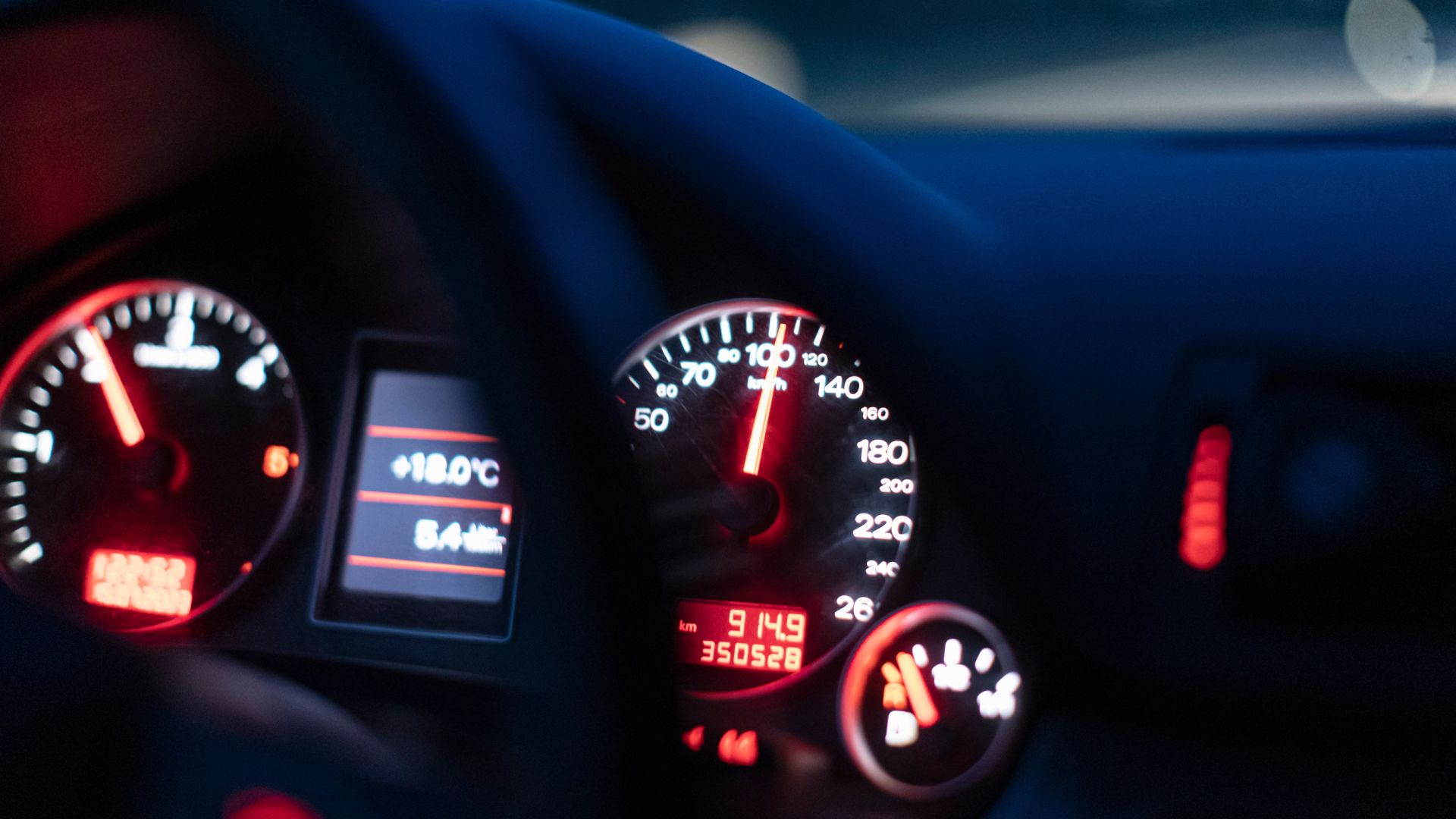
Drivers selected for the program must install an Intelligent Speed Assistance device in their vehicle. The technology is designed to prevent a car from traveling faster than the posted speed limit. While speed-limiting systems have been tested in several countries, their use as a legal requirement for repeat offenders remains relatively uncommon in the United States. New York’s program places the technology at the center of enforcement.
Forty-Five Day Deadline Comes With Registration Risk
Once notified, eligible drivers will have 45 days to install the required device. Failure to meet that deadline could result in the loss of vehicle registration, effectively preventing the vehicle from being legally operated on public roads. State officials describe the requirement as a necessary consequence for chronic violators. The prospect of losing registration creates a stronger incentive than another traffic fine.
State Says Traffic Safety Is Driving the Initiative
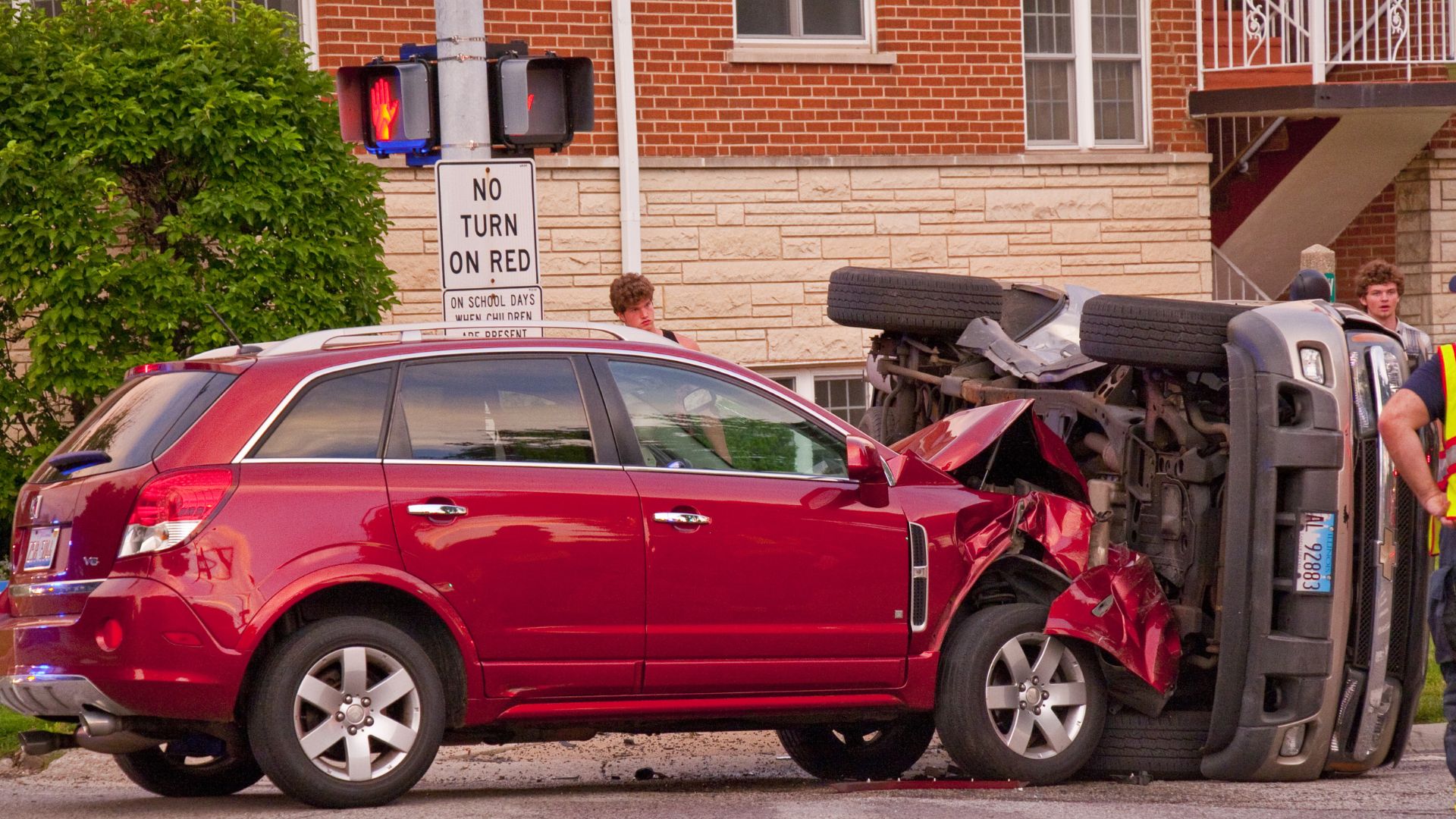
Hochul’s administration argues that the measure is designed to reduce dangerous driving and improve public safety. Announcing the legislation, the governor said protecting New Yorkers remains a top priority. Officials point to concerns about speeding near schools and densely populated neighborhoods where collisions can have severe consequences. The program reflects a broader effort by state leaders to reduce risks before crashes occur.
Earlier Trial Put Speed-Control Technology in 50 Vehicles
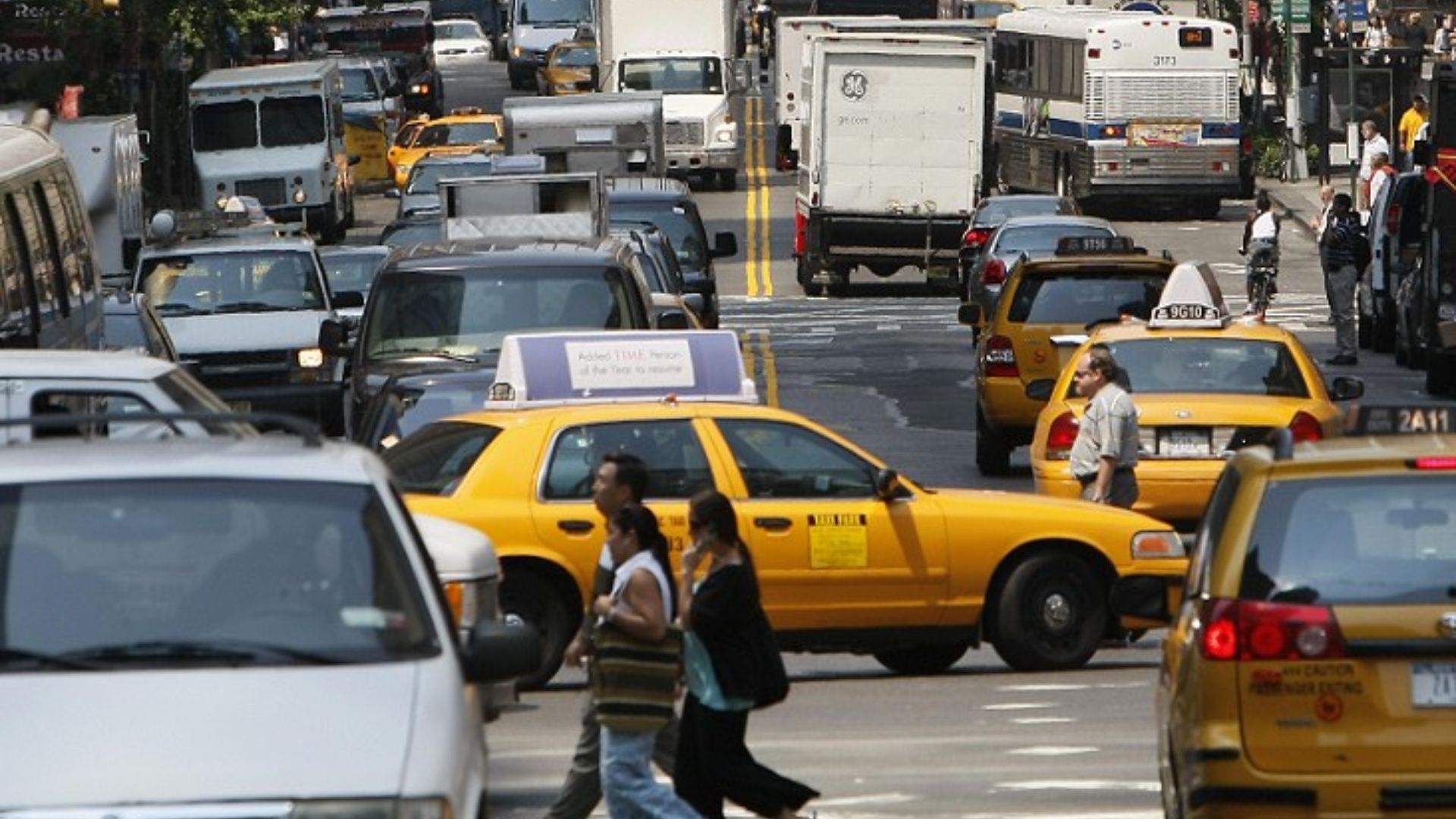
The idea did not emerge overnight. New York City previously tested speed-limiting technology in 50 vehicles through a separate pilot project launched several years ago. That earlier effort provided policymakers with real-world data about how the devices function and whether drivers complied with the restrictions. The new law expands beyond a limited experiment and introduces consequences for participants who refuse installation.
Other States and Washington, D.C., Have Adopted Similar Laws
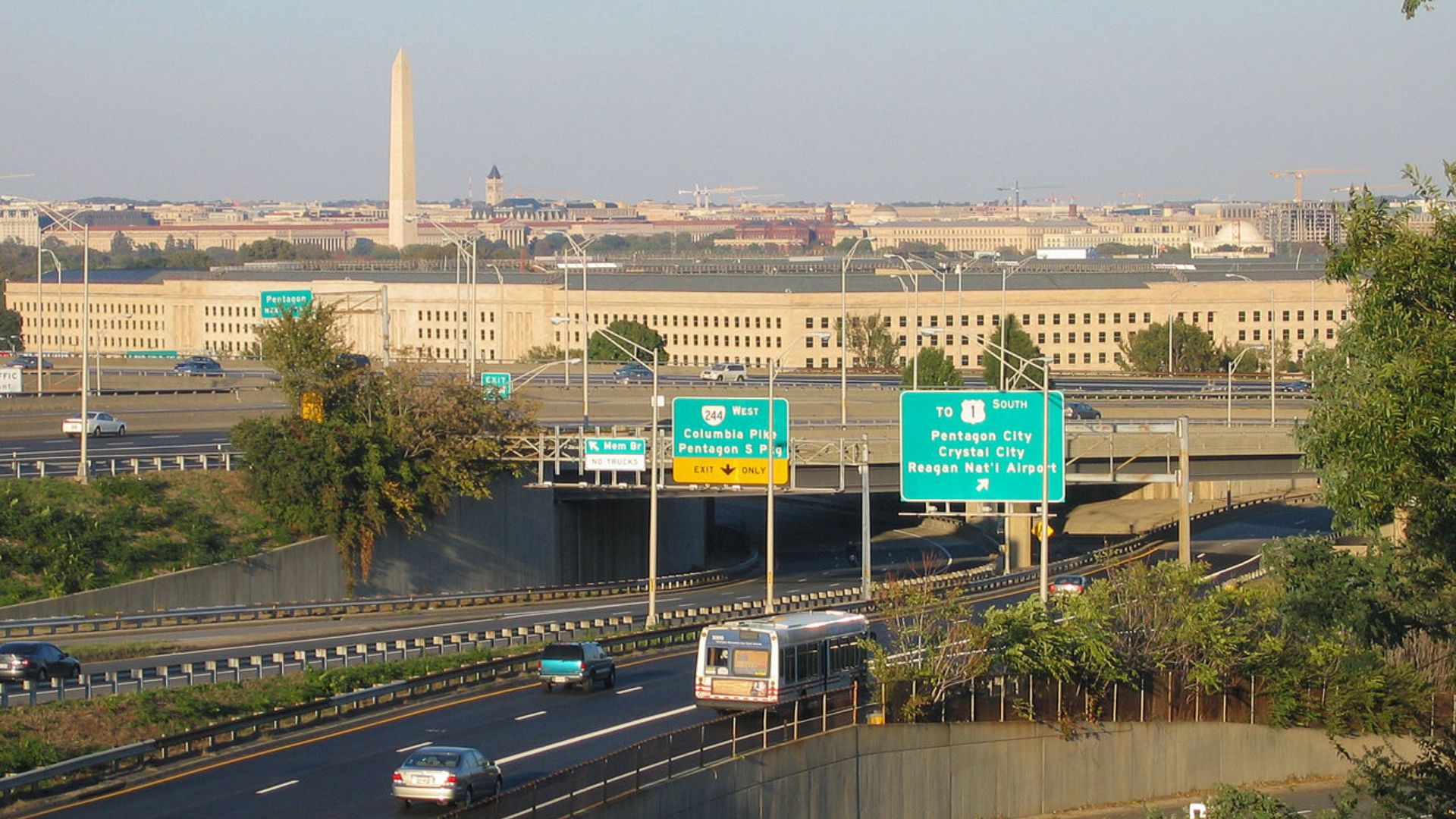
New York is not alone in exploring Intelligent Speed Assistance programs. Washington, D.C., already has a similar law in effect, while Virginia is preparing to implement its version. Washington state has also approved comparable legislation, although its law will not take effect until 2029. The growing interest suggests that speed-limiting technology is becoming a serious policy option for addressing repeat traffic offenders.
Expansion Beyond New York City Remains on the Table
For now, the program focuses on New York City, but state officials have left open the possibility of expansion. If the pilot produces positive results, other communities across New York could gain authority to adopt similar measures. That possibility gives the initiative significance beyond the city’s borders. Transportation officials, local governments, and safety advocates will be watching closely as the program unfolds.
New Law Shifts Focus From Tickets to Prevention

New York’s new “super speeder” law marks a significant change in how repeat traffic offenders are addressed. Rather than relying solely on fines and citations, the state is requiring certain drivers to use technology that limits speeding itself. The measure affects only motorists with extensive violation histories, but it reflects a broader movement toward prevention-based enforcement strategies aimed at reducing dangerous behavior on the road.