Goldman Sachs Says a Prolonged Diesel Export Ban Could Raise Gas Prices 30 Cents a Gallon Each Week
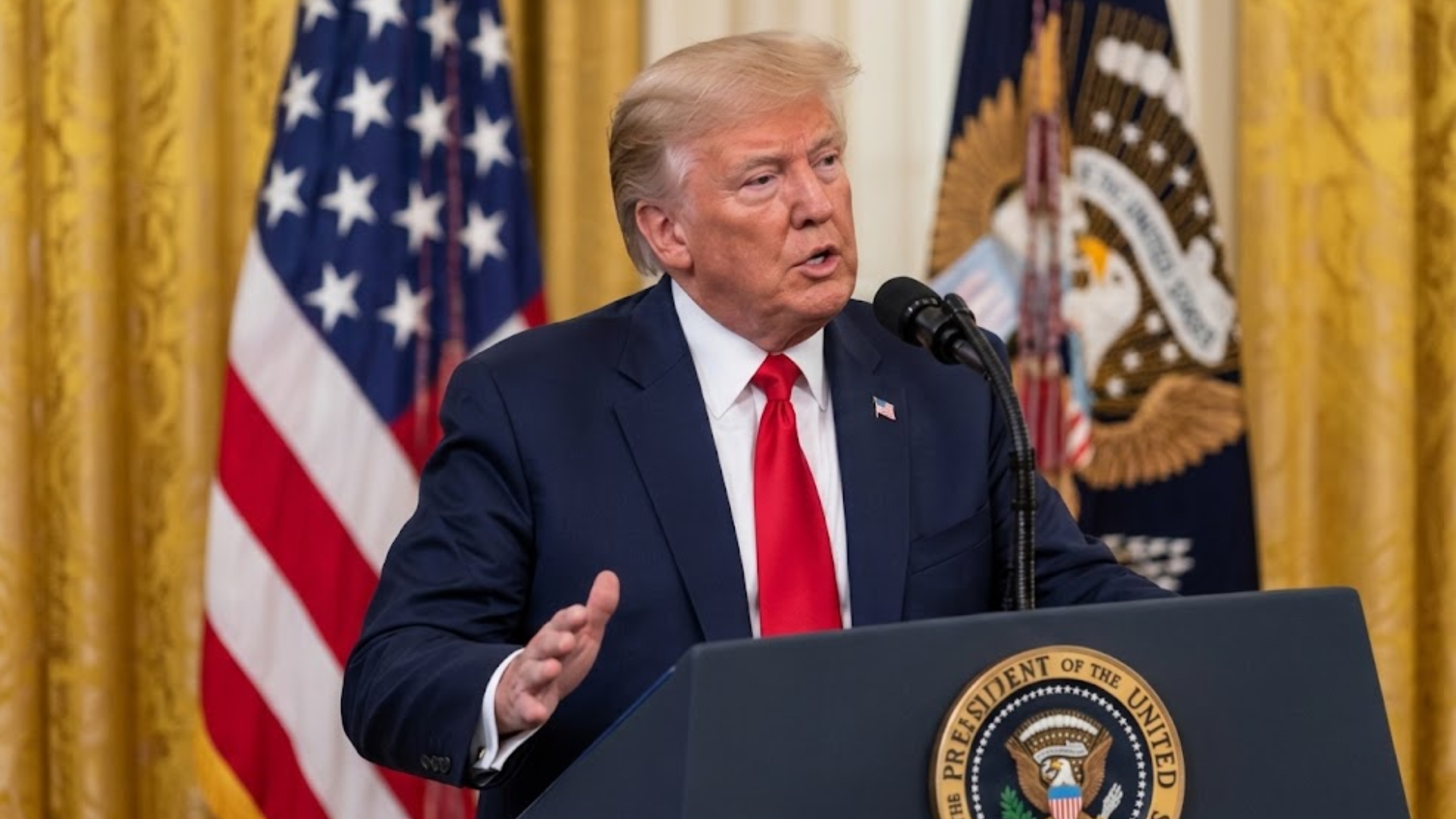

President Trump is weighing a ban on U.S. diesel exports to combat record-high fuel prices, but according to Goldman Sachs, the fix could eventually backfire at the regular gas pump. “We’re thinking about it very seriously,” Trump told Fox News on Sunday, adding himself that the move “can oftentimes lead to a little bit of an increase on gasoline for cars.”
Diesel Is Up 74% Since the Iran War Began
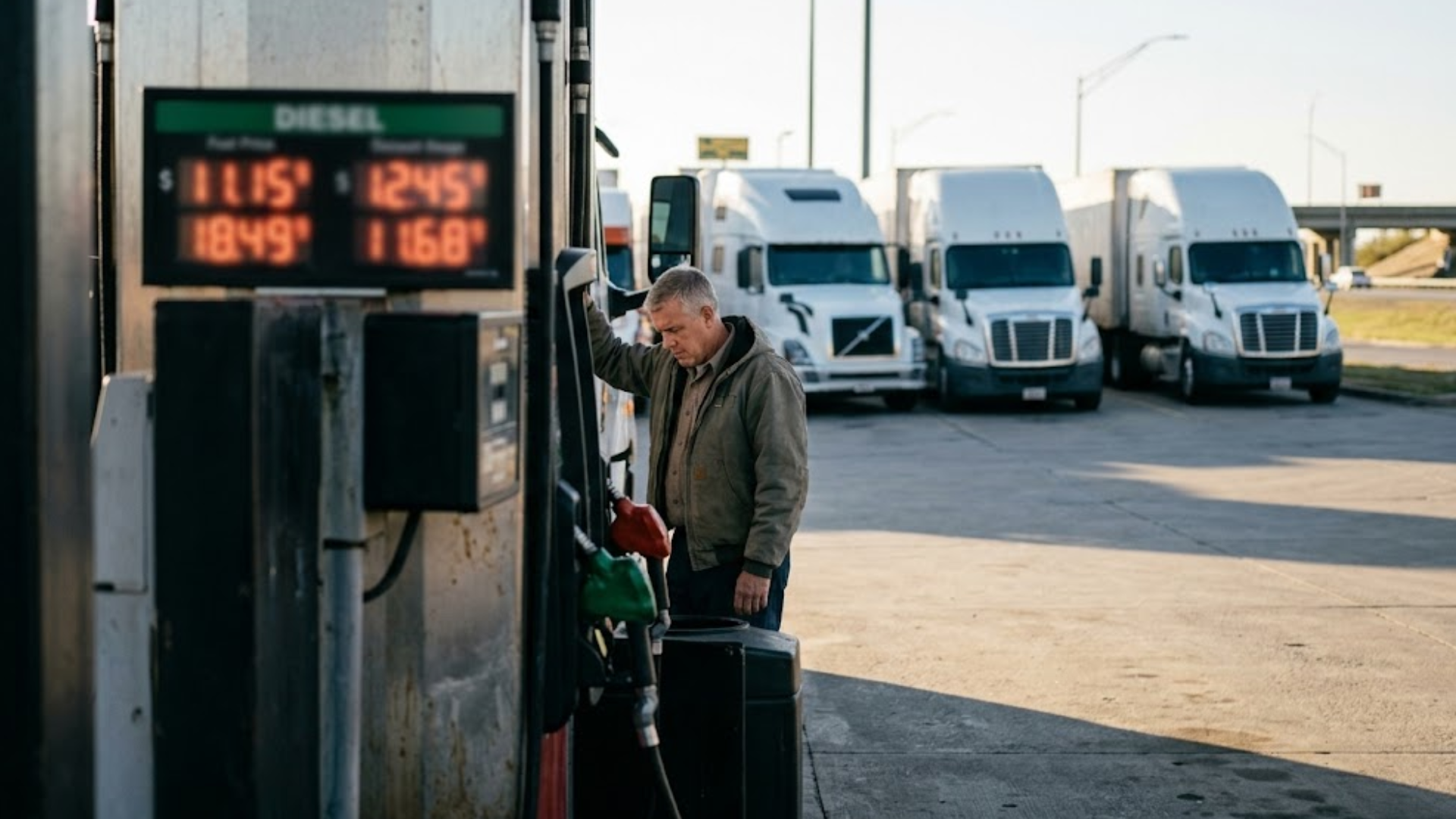
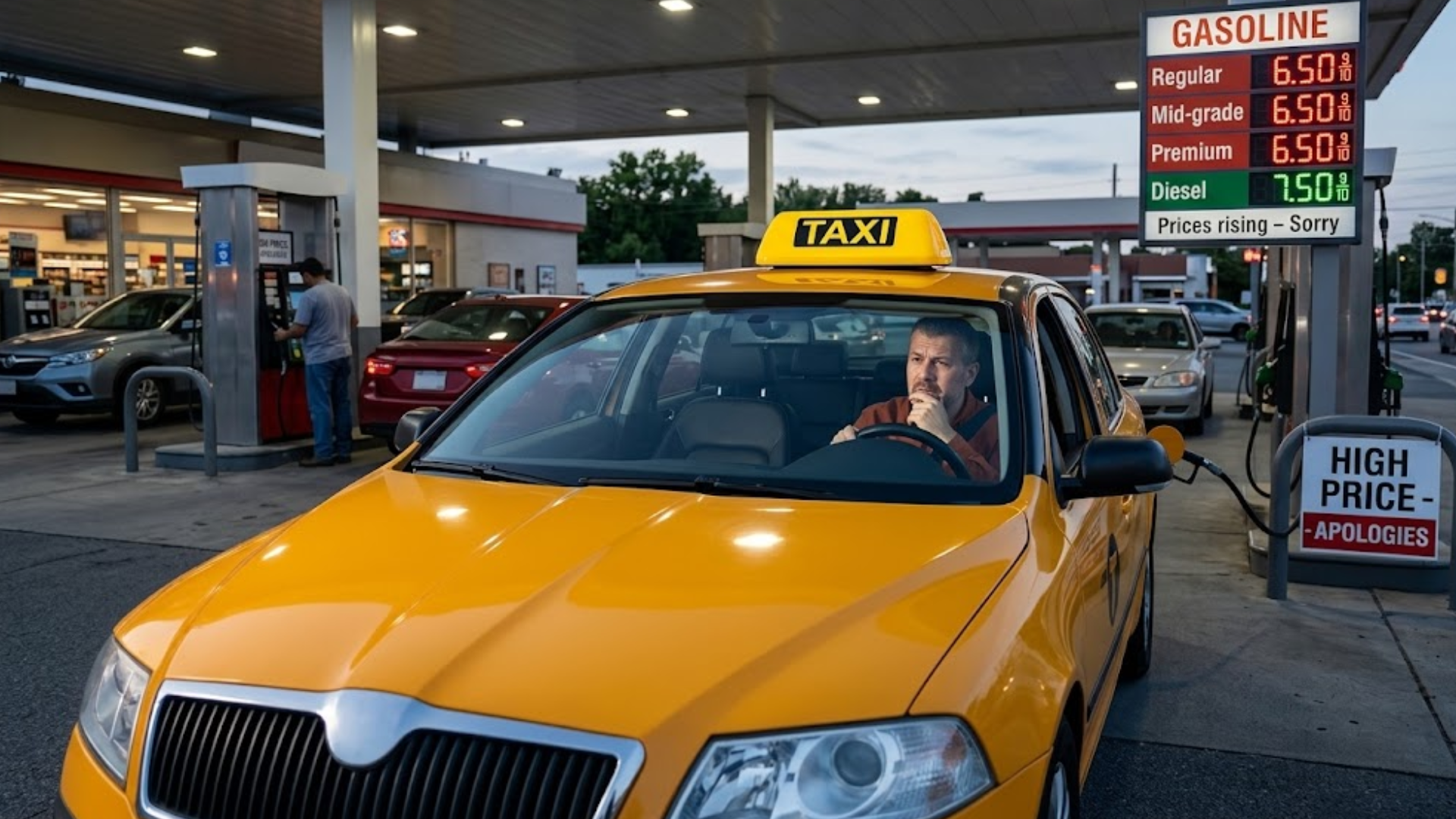
Diesel prices have climbed dramatically since fighting with Iran began on February 28, rising roughly 74 percent to hit a record $6.53 a gallon on September 22, according to AAA data. Prices have eased only slightly since then, slipping to $6.45 by Monday. Republican lawmakers have increasingly pushed export restrictions as a lever to bring that number down quickly.
The Case for a Ban Comes Down to Simple Math

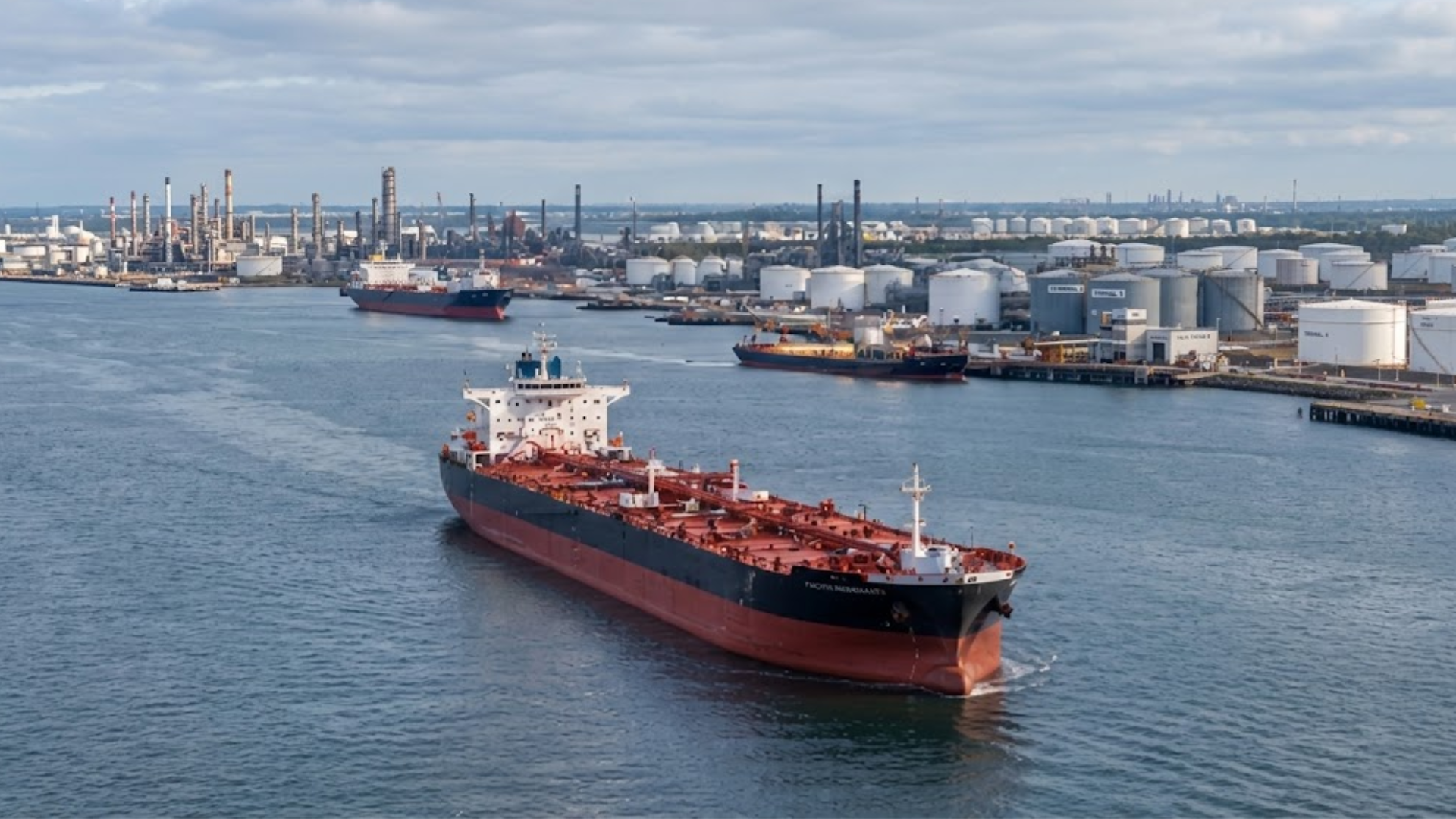
The logic behind a ban centers on simple supply and demand math. U.S. refiners produce significantly more diesel than Americans actually consume, resulting in net exports of roughly 1.5 million barrels daily, according to S&P Global Energy. Supporters argue that keeping that surplus domestic would flood the U.S. market and push diesel prices down for farmers, truckers, and other fuel-dependent businesses.
Goldman Calls This “Very Plausible,” Just Not Their Base Case
Goldman Sachs published a research note over the weekend modeling exactly how that scenario would actually unfold, calling it “a very plausible scenario, though not our base case.” The bank’s analysis splits the impact into two distinct phases, with diesel prices initially falling by about 25 cents a gallon each week while refiners still have storage space for their unsold surplus.
The Relief Has a Hard Limit Once Storage Runs Out
That relief has a hard limit, though, once physical storage runs out entirely. “The longer a diesel export ban lasts, the more disruptive it would likely be by putting upward pressure on gasoline prices because diesel, gasoline and jet fuel are largely produced together,” Goldman Sachs analysts wrote. Once storage capacity maxes out, the bank estimates gasoline prices could climb roughly 30 cents a gallon for every additional week the ban remains active.
Europe Would Feel This Too, and Badly
The ripple effects wouldn’t stay confined to American drivers either. Goldman estimates European wholesale diesel prices could rise about $3 per barrel for each week of a U.S. export ban, since restricted American supply would tighten markets overseas. The bank also flagged that gasoline could eventually get swept into similar export restrictions, a particular concern given Europe’s gasoline reserves run roughly four times smaller than its diesel stockpiles.
Industry Groups Call It a Genuine “Irony”
Industry voices echoed Goldman’s warning almost immediately after the report circulated. The American Fuel & Petrochemical Manufacturers trade group cautioned that blocking exports would force refiners “to cut fuel production overall, including gasoline, putting upward pressure on prices and increasing America’s reliance on imported fuel.” Wood Mackenzie analyst Alan Gelder called the dynamic a genuine irony: “A policy designed to bring relief at the diesel pump could end up driving prices higher at the gasoline pump.”
JPMorgan Pins the Real Breaking Point at 30 Days

JPMorgan analysts identified a specific breaking point in their own September 24 report on this exact question. “Refiners can’t indefinitely produce excess supply,” they wrote, noting that a refinery physically cannot halt diesel output while maintaining the same gasoline volume. Once a ban extended past roughly 30 days, they argued, crude processing rates would inevitably have to fall.
Even Lifting the Ban Wouldn’t Fully Undo the Damage
That production pullback would start reversing whatever initial relief the ban provided in the first place. “At this point, some of the initial price relief would begin to reverse, the opposite of what policymakers want,” JPMorgan wrote. Even lifting the ban afterward wouldn’t fully undo the damage, since Goldman projects U.S. diesel prices would simply snap back in line with global markets once restrictions ended.
No Decision Yet, But the Clock Is Ticking Toward November

No formal policy decision has been made yet, a White House official told CBS News, though Trump is reportedly evaluating every available option for lowering gas prices as the November midterms approach. For now, the debate boils down to a genuine tradeoff: temporary relief at the diesel pump against a real risk of higher prices at the gas pump the longer any ban actually lasted.