GM Replaced Over 1,000 Workers With 50 Robots. What Does It Mean for Manufacturing Jobs?
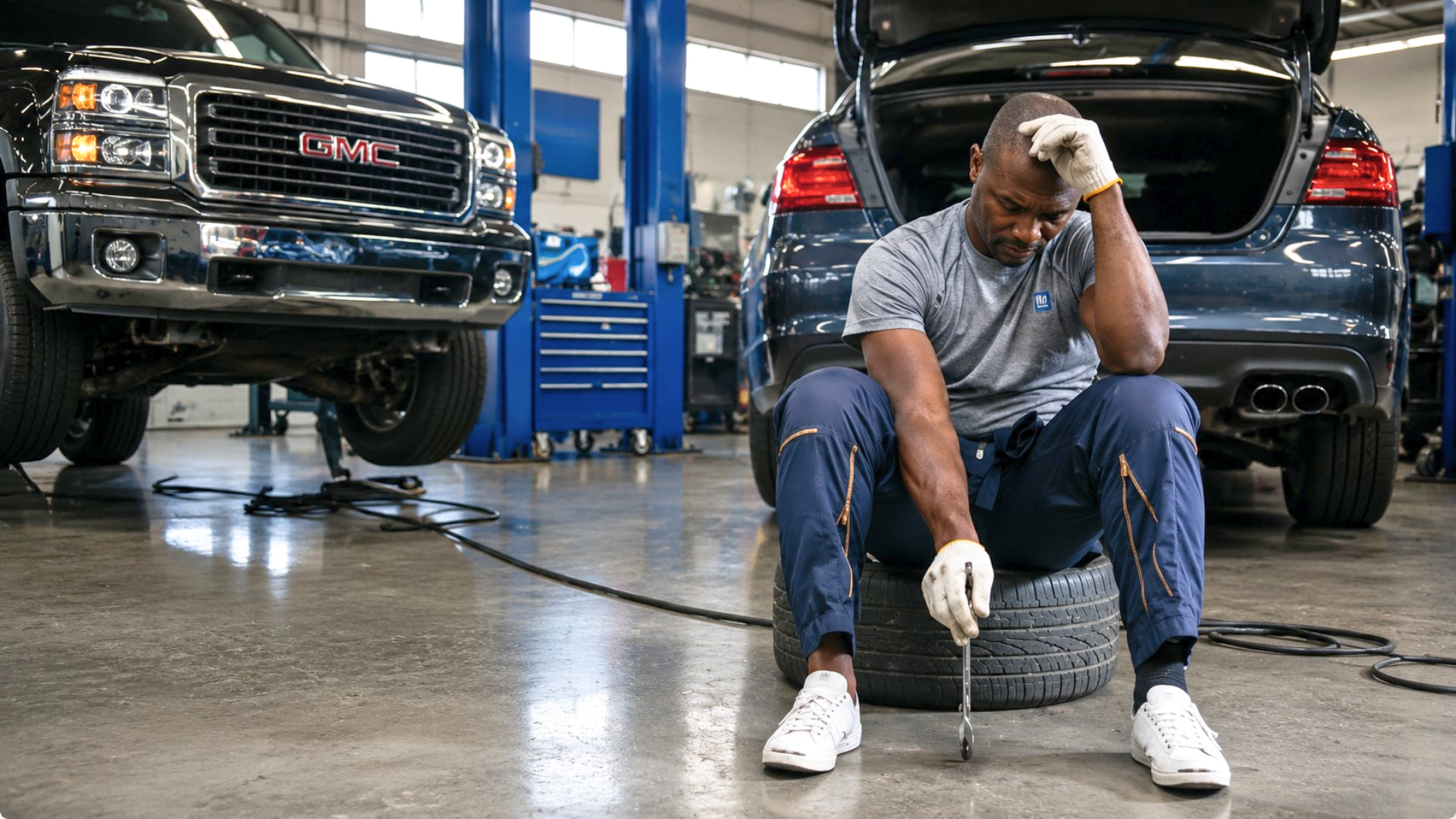

Imagine waking up for your normal morning shift only to find a machine doing your job. This nightmare became real for blue-collar professionals across Michigan. General Motors permanently removed over one thousand human manufacturing workers from its main assembly plant. In their place, management installed exactly 50 automated robots to build vehicles. This sudden change shows a fast move toward full automation, leaving many families without their usual income.
Federal Labor Documents Prove The Sudden Factory Employment Cuts
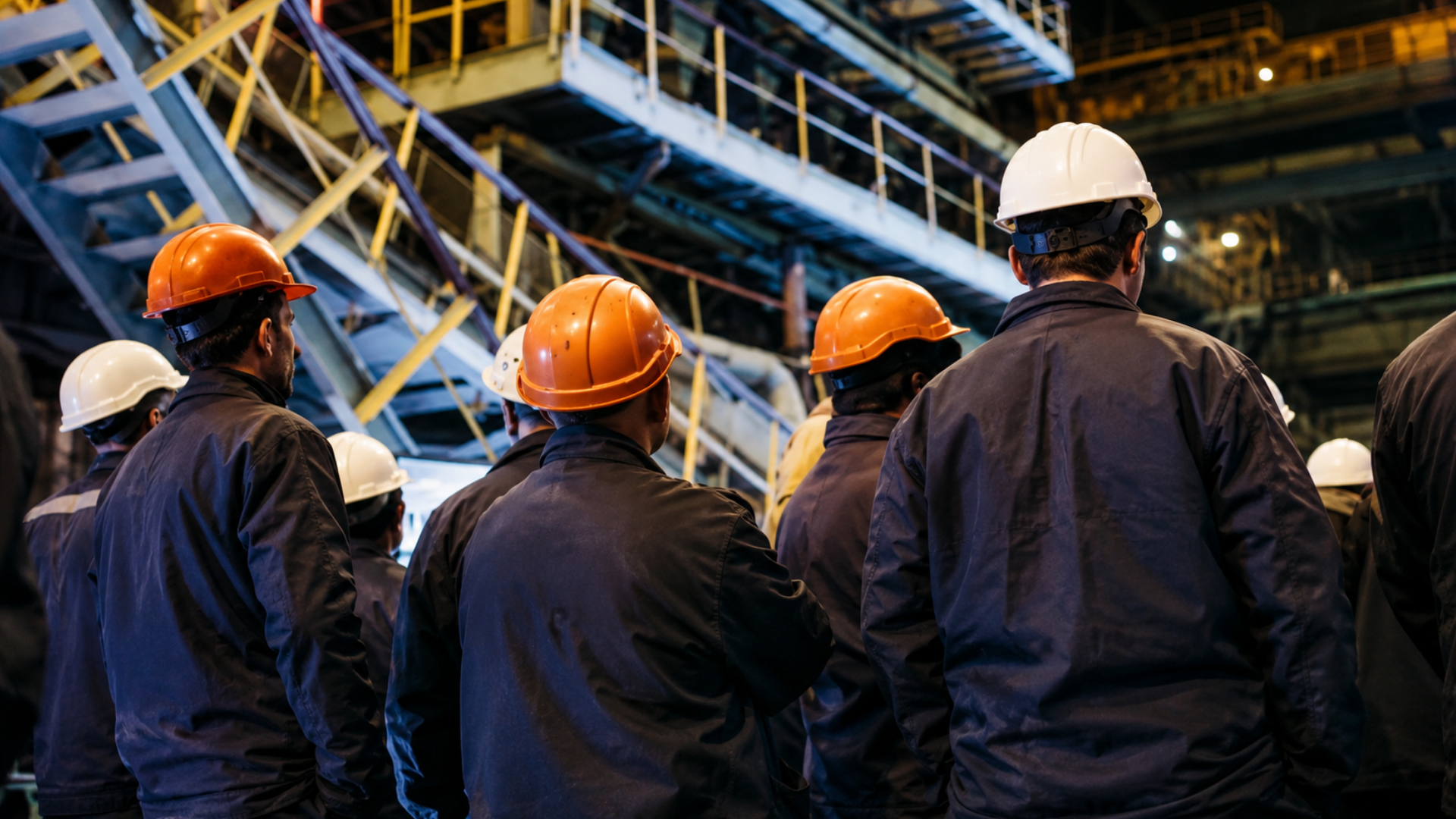
You might wonder if this massive workforce shift is truly happening. Public records from the National Labor Relations Board prove the fast job cuts during this factory upgrade. Official industry logs and union administrative filings track the exact timeline of the plant restructuring. These verified corporate registries show that human headcount fell right before the heavy machinery arrived. This concrete documentation provides clear evidence that confirms the drastic changes to the assembly line.
One Single Machine Now Replaces Twenty Human Assembly Positions
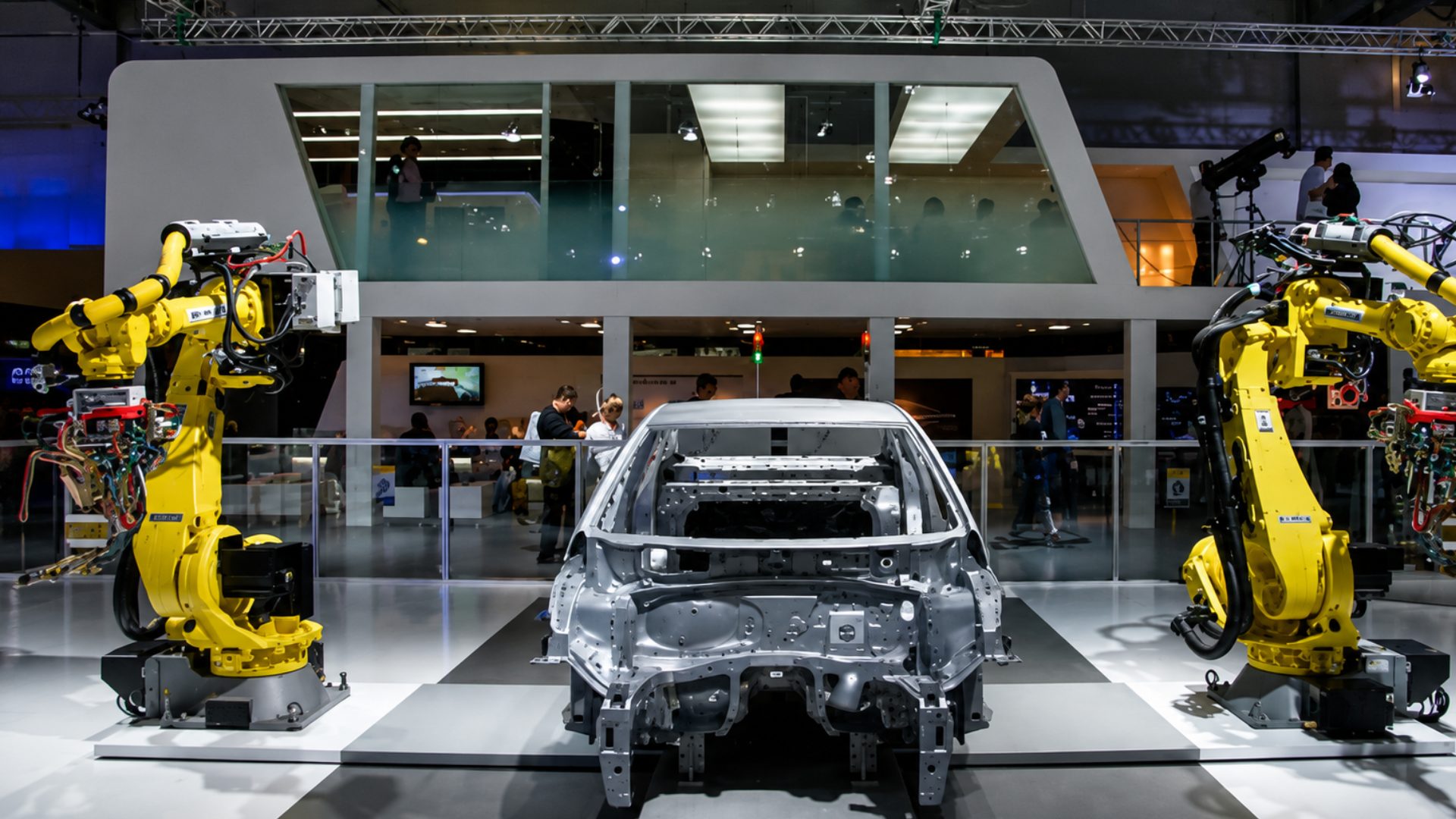
The data reveals the immense scale of this modern industrial shift. The deployment introduced 50 advanced bionic units into Factory Zero, the company’s premier electric vehicle facility. Each of these mechanical units replaces roughly twenty human workers on the production line. This intense automation creates severe tension between corporate efficiency goals and local community job security, as massive rows of steel machines take over tasks once done by large crews of people.
Mechanical Units Upend Traditional Vehicle Customization Craftsmanship
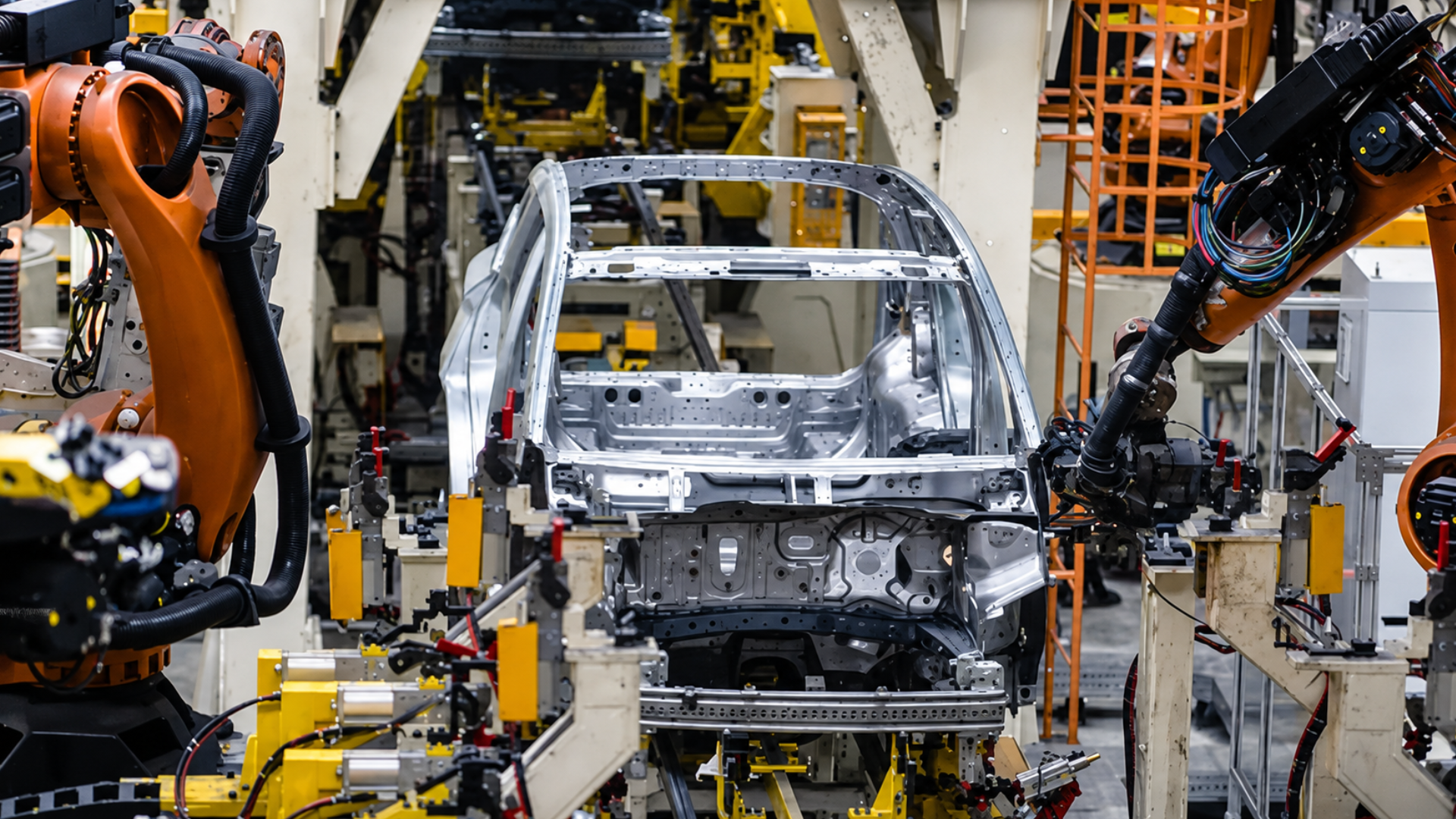
This sudden change catches the general public completely off guard. Automotive manufacturing historically depended on massive human crews to maintain high output. Labor experts always viewed vehicle panel installation as a highly specialized craft requiring human care rather than automated programming. By putting these adaptive mechanical units directly into active assembly lines, corporate executives completely bypassed historical staffing levels, turning a traditional human craft into a software process.
Corporate Executives Defend Cuts Citing Workplace Safety Benefits
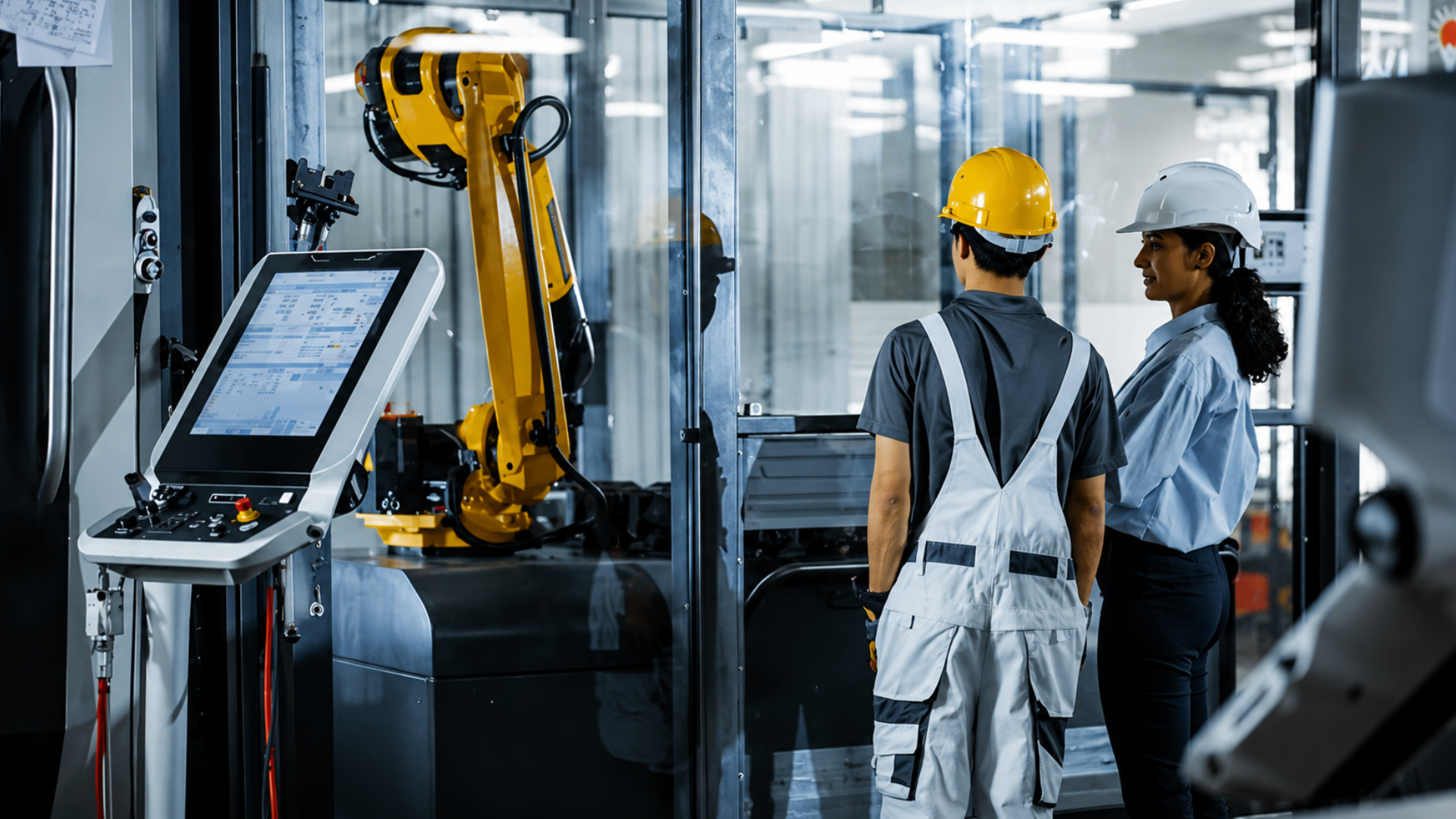
Company leaders defend the sudden workforce reductions by pointing to long term workplace safety. Management stated that assigning heavy vehicle panels to mechanical units protects human health by ending stressful, repetitive lifting. Leadership emphasized that the newly installed systems operate alongside the remaining human personnel rather than fully replacing everyone. They maintain that the displaced workers are technically on a temporary layoff status, though no return date has been set.
Factory Automation Bridges Industrial Changes to Corporate Wealth
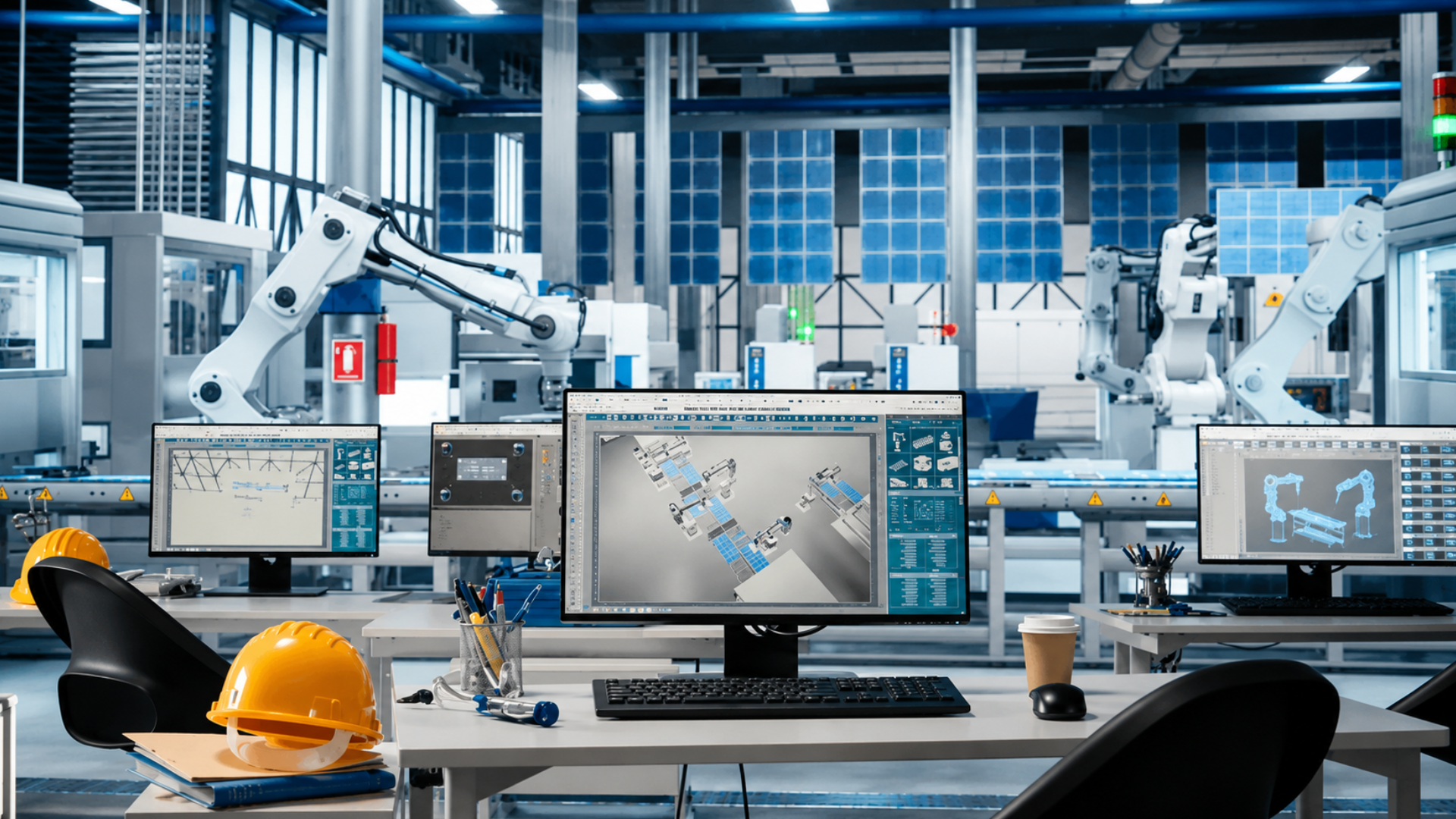
The transition from human production crews to automated machinery represents a major escalation. Working class families now face a tough reality where corporate profitability increases even as local factory employment opportunities dwindle. This strategic transformation bridges the gap between industrial engineering and aggressive corporate cost reduction. Laborers are forced to balance the theoretical promise of safer workplaces against the immediate, tangible loss of stable, middle class family wages.
Outraged Union Representatives Launch Official Safety Grievances
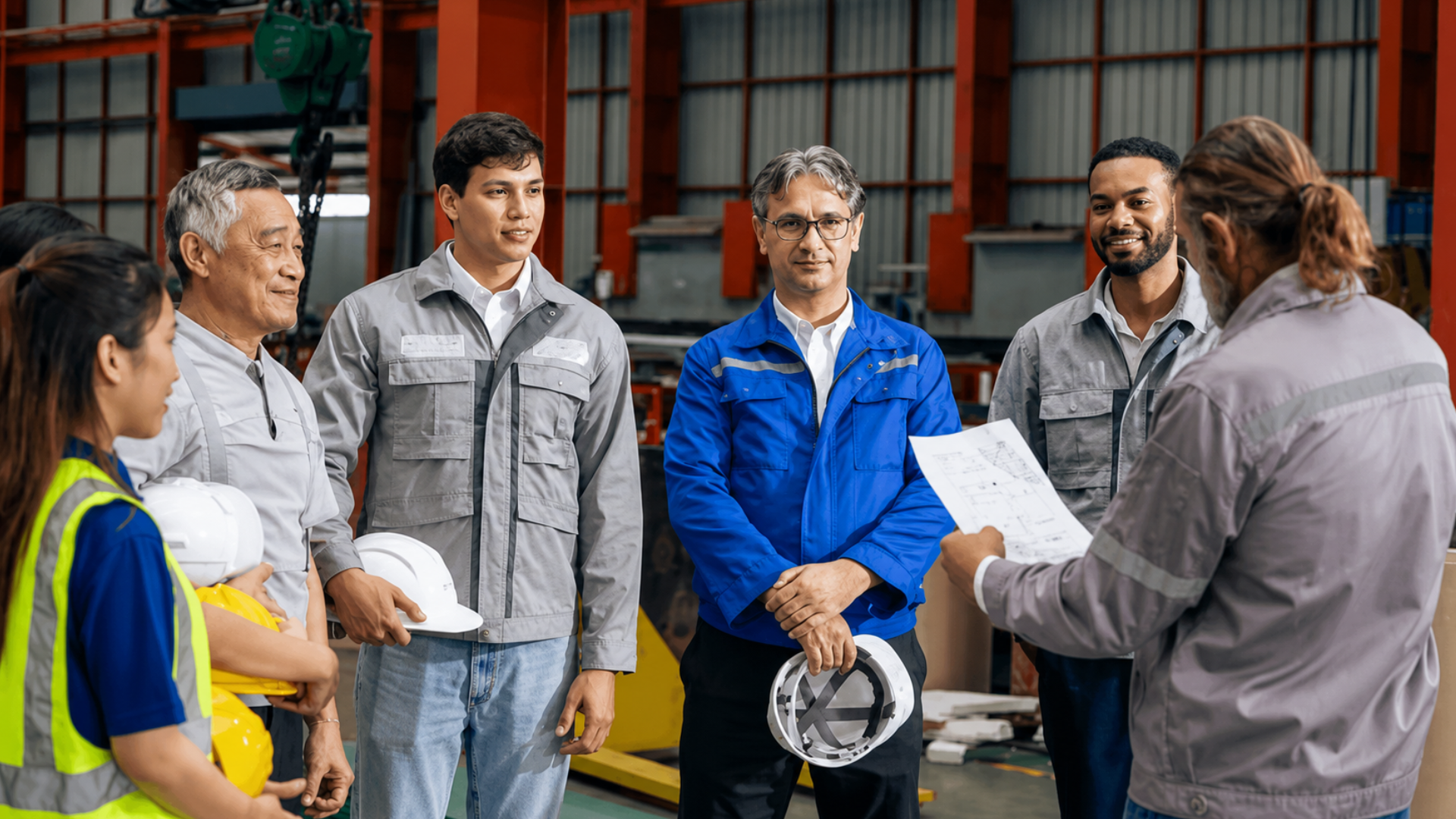
Local labor organizers are launching immediate administrative challenges against the facility management, claiming the mechanical units introduce severe physical hazards to the remaining floor personnel. “From top to bottom, we’re disgusted that they have cobots in our plants. Our manpower is being taken away from us.” United Auto Workers Local 22 President James Cotton issued this statement after a recent factory inspection.
Historical Records Show Long Downward Trend In Labor Hours

Labor economists emphasize that these automated factory upgrades point to a larger historical pattern within the automotive sector. Long term tracking data reveals that the total number of human labor hours required to assemble a single vehicle has dropped by 50 to 70 percent since the 1980s. This ongoing decline occurs even as corporate profits reach record heights, demonstrating how automated technology routinely strips human labor out of the consumer manufacturing pipeline.
Working Class Families Experience Extreme Stress From Income Loss

This structural workplace failure directly impacts the personal lives of ordinary families who depend on manufacturing income to survive. A dedicated industrial specialist faces immense financial hardship when stable employment vanishes, especially when matching alternative positions are non-existent within the local economy. Although corporate spokespersons claim the job cuts are temporary, the total absence of a return timeline forces family breadwinners to navigate an incredibly unstable financial future.
Future Shifts Forecast Total Technological Transformation of Global Industry
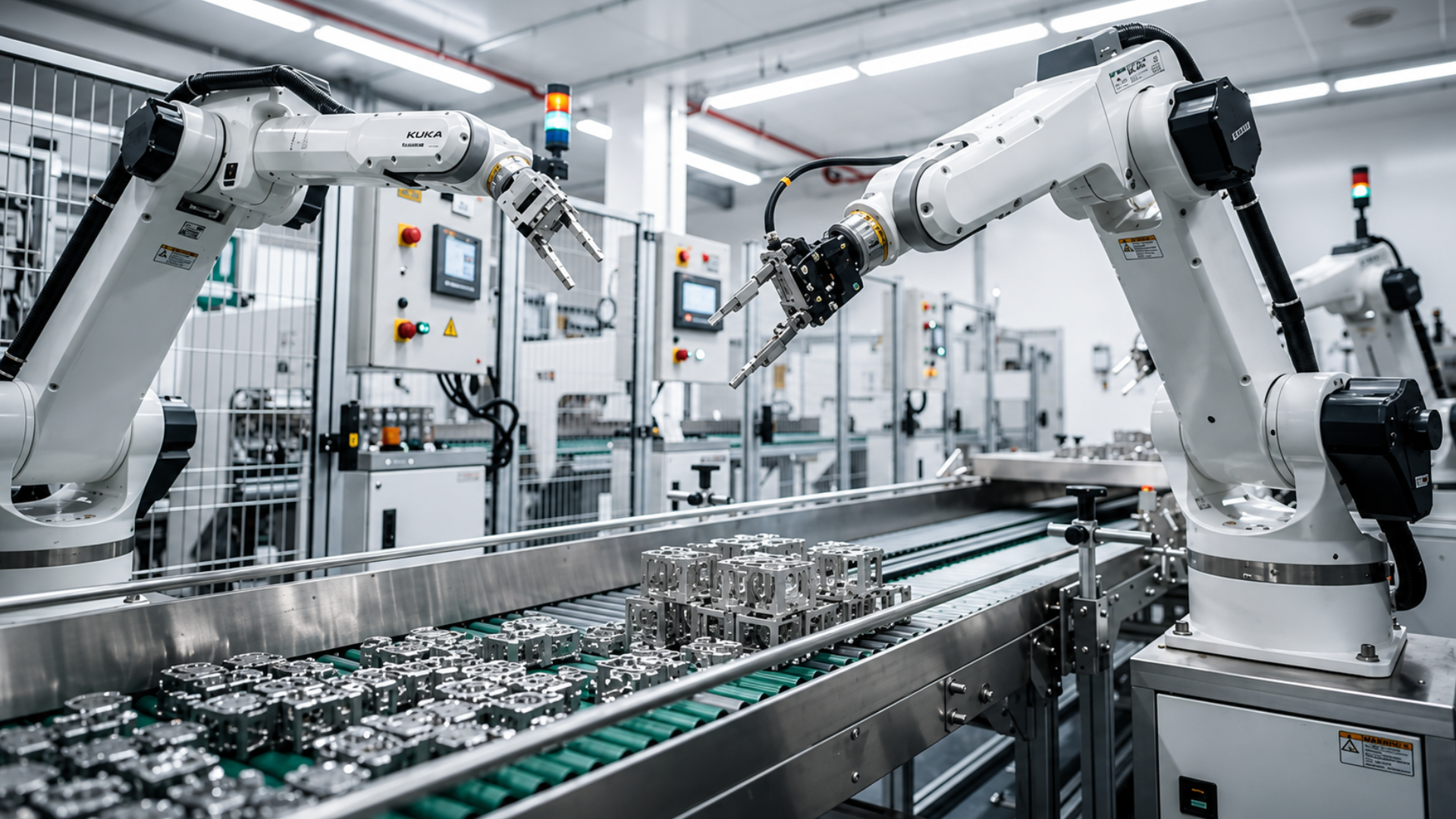
This landmark factory displacement serves as an opening prologue to an entirely redefined era of fully automated manufacturing. Long after the immediate union grievances regarding Factory Zero are settled, the precedent of substituting massive human crews with small robotic squads will permanently dictate corporate industrial strategy. Working families are entering a future where human craftsmanship is secondary to mechanical precision, leaving the traditional foundations of industrial employment far behind.