Georgia Families Fear Losing Their Land to a $17 Billion Data Center, So They’re Suing


What began as a rezoning dispute in western Coweta County, Georgia, has evolved into one of the country’s sharpest clashes over artificial intelligence infrastructure. Residents living near farms, creeks, and conservation land are now fighting a proposed $17 billion data center campus called Project Sail, arguing that the project threatens not just property values and wildlife, but the future identity of their community. The conflict has spilled into courtrooms, county commission chambers, and viral TikTok videos as families accuse developers and utilities of reshaping rural Georgia for the AI economy without local consent.
‘Project Sail’ Would Transform Hundreds of Acres
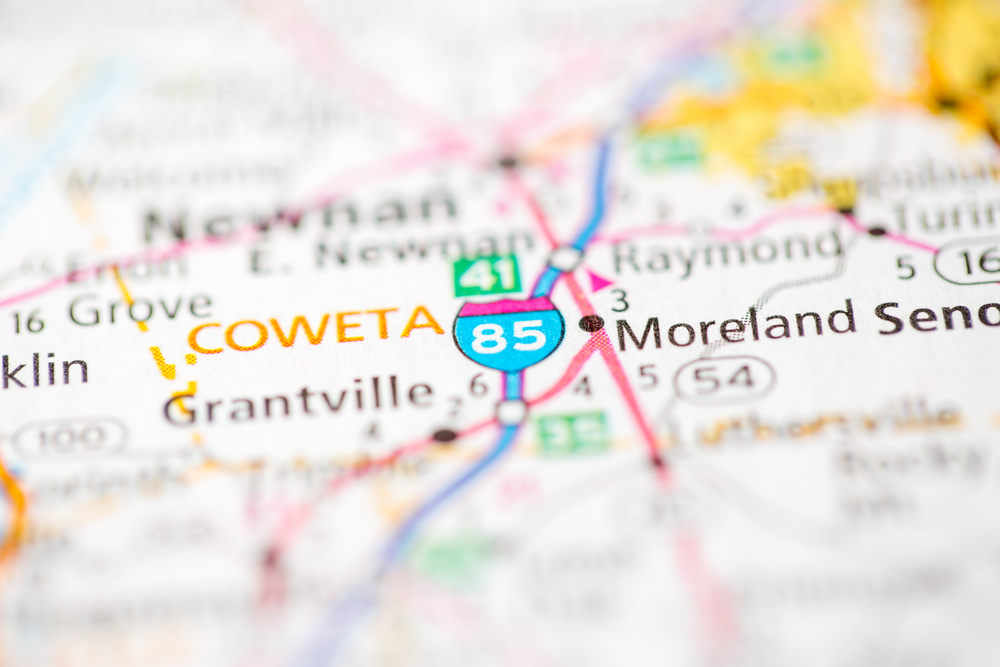
The proposed development would cover roughly 830 acres near Wagers Mill Road and Welcome to Sargent Road outside Newnan. Plans call for nine hyperscale data center buildings totaling more than 4.3 million square feet alongside substations and transmission infrastructure capable of supporting about 900 megawatts of electricity demand. Opponents say the project would industrialize land designated for rural conservation under Coweta County’s comprehensive plan. Developers tied to the project, including Atlas Development and San Francisco-based Prologis, argue the campus could generate major tax revenue and support the explosive growth of AI computing infrastructure.
Residents Say County Leaders Ignored Their Own Rules

Seventeen residents filed an appeal in Coweta County Superior Court after county commissioners approved the rezoning in a narrow 3-2 vote. The lawsuit claims county officials violated zoning procedures, state law, and constitutional due process protections by approving industrial use on protected rural land without adequate review or public participation. Residents argue the rezoning application materially changed after the county adopted a new data center ordinance in December 2025, yet officials did not restart environmental analysis or public comment procedures. The plaintiffs are seeking to void the rezoning approval entirely and halt construction before work begins.
The Fight Grew From Church Meetings to a Countywide Movement

Community opposition rapidly organized after residents discovered the project plans in late 2024. Citizens for Rural Coweta emerged as the central grassroots group opposing Project Sail, eventually collecting nearly 8,000 petition signatures and filling county meetings with residents wearing red protest shirts. Many residents insist they are not anti-technology but believe industrial-scale AI infrastructure belongs in existing industrial corridors rather than near homes, churches, farms, and streams. At public hearings, speakers warned of “digital colonization,” arguing that rural communities are absorbing the environmental and social costs of projects designed to benefit global technology companies.
Environmental Concerns Became a Central Flashpoint
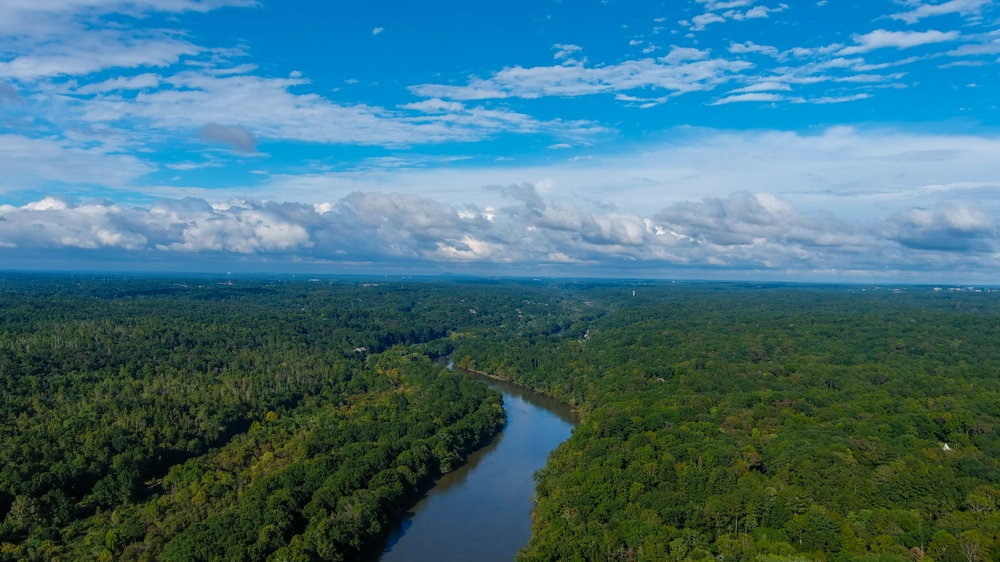
The proposed site lies within the Middle Chattahoochee River basin and in an area designated by Georgia as a “Most Significant Groundwater Recharge Area,” one of the state’s highest environmental protection classifications. Residents and environmental critics warn that hyperscale data centers consume enormous amounts of water and electricity while generating persistent noise, heat, and light pollution. Court filings cited concerns over chemical cooling systems, threats to private wells, wildlife disruption, and deforestation near Wahoo Creek. Opponents also point to the possibility of years of heavy construction traffic through narrow rural roads.
Families Fear Losing Homes They Thought Were Permanent

For some residents, the conflict has become intensely personal. Ansley Brown, a 27-year-old Georgia resident, became a public face of the resistance after posting TikTok videos about Georgia Power’s plans to acquire land tied to transmission infrastructure serving multiple data centers. Brown says the property her mother bought through a USDA program for single mothers could be demolished through eminent domain proceedings. Other residents say easement offers would permanently place massive transmission lines near homes while reducing property values and eliminating usable land. Several families describe months of negotiations, legal threats, and uncertainty about whether they will be forced to relocate.
Developers and Utilities Say the Projects Are Necessary
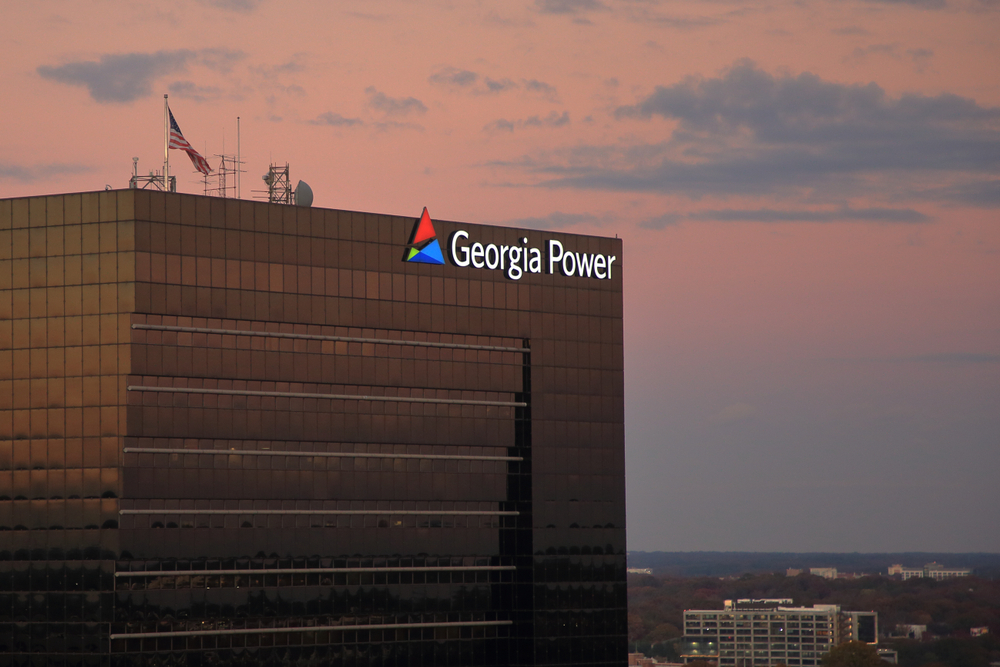
Project backers argue the developments are part of a nationwide infrastructure transformation driven by surging AI demand. Prologis representatives have repeatedly defended the project as economically beneficial, emphasizing future tax revenue, construction employment, and proximity to Georgia Power’s Plant Yates generating station. Georgia Power says new transmission corridors are necessary to support regional electricity demand growth and maintain grid reliability, not merely serve one customer. The utility also argues that undergrounding high-voltage lines would dramatically increase costs and complexity. Supporters contend the AI economy requires massive computing infrastructure and that counties competing for investment must adapt or risk losing economic opportunities.
The Economic Debate Is Becoming Increasingly Contentious
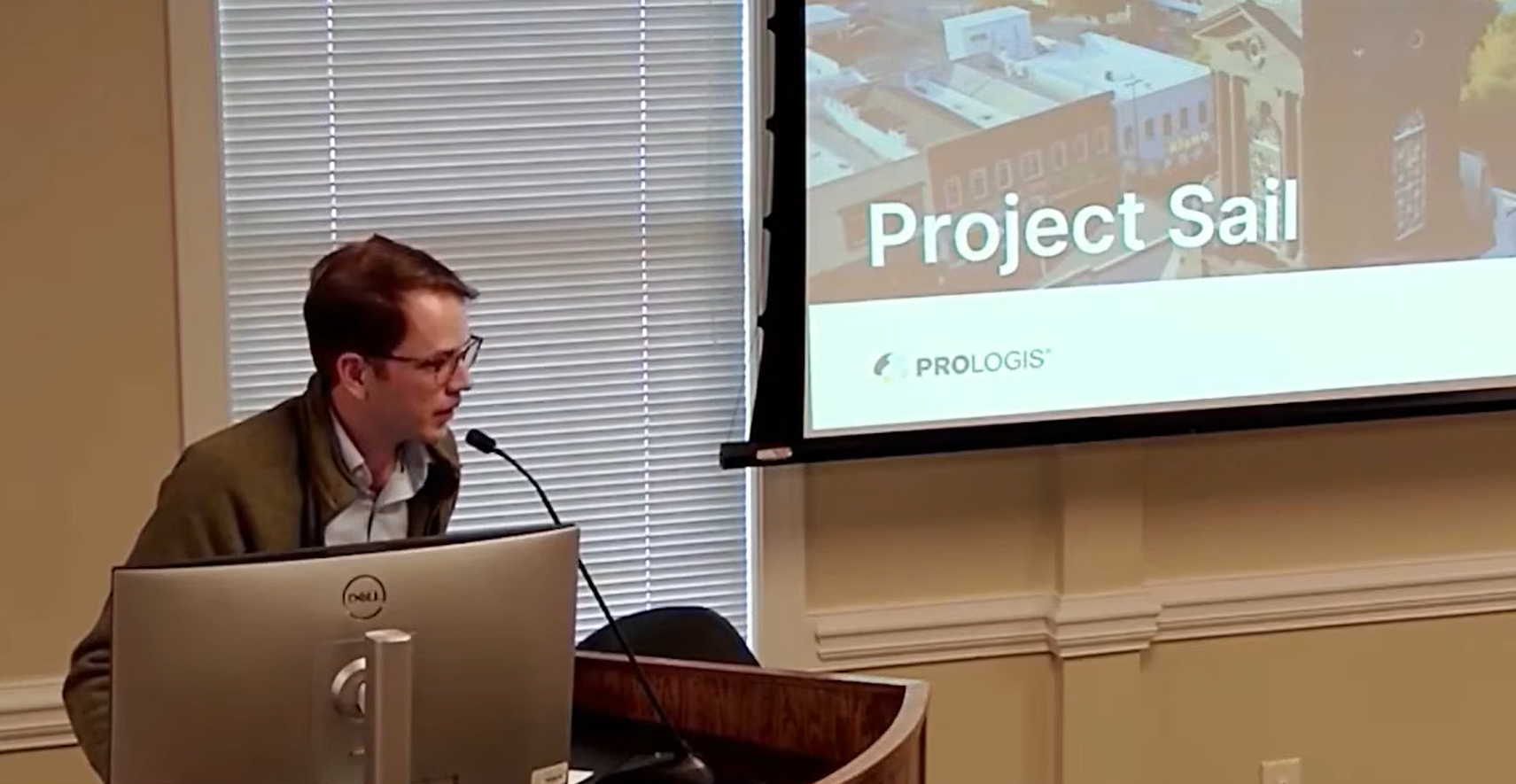
Critics have challenged the optimistic financial projections surrounding Project Sail. While developers have publicly discussed tax revenues potentially reaching hundreds of millions over decades, opponents cite independent analyses suggesting far lower returns. Residents also question how many permanent jobs hyperscale data centers actually create compared with their physical footprint and energy consumption. Some local activists compare the AI buildout to previous speculative booms, warning that partially completed facilities could become abandoned industrial sites if demand slows or financing weakens. The argument increasingly centers on whether communities are accepting permanent environmental changes for uncertain long-term gains.
Georgia’s Dispute Reflects a National Backlash
Coweta County’s battle is unfolding amid growing national skepticism toward AI data center expansion. A May 2026 Gallup survey found that 71% of Americans oppose constructing AI data centers in their local area, including 48% who strongly oppose them. Environmental concerns, energy consumption, water use, and quality-of-life impacts ranked among the most common objections. Gallup warned that resistance to data centers could become a significant political issue as AI infrastructure spreads into suburban and rural communities across the United States.
The Outcome Could Shape How America Builds AI Infrastructure

The legal challenge against Project Sail now stands as a test case for how aggressively local governments can pursue AI-driven development over organized community resistance. If courts uphold the rezoning, the decision could accelerate similar projects across Georgia and other fast-growing states seeking data center investment. If opponents succeed, counties nationwide may face pressure to tighten zoning laws, require stricter environmental reviews, or reconsider how AI infrastructure fits into residential and agricultural regions. For residents in Coweta County, the fight has already changed daily life. What happens next may help determine whether the next phase of America’s AI expansion is shaped more by corporate demand or by the communities expected to host it.