Gen Z Says These Common Boomer Parenting Habits Caused Trauma


As Gen Z increasingly talks about mental health and emotional wellbeing, many young adults are looking back at common parenting habits from the Baby Boomer generation with fresh eyes and questioning practices once considered normal. What one generation saw as discipline or strength is now being reframed by Gen Z as experiences that contributed to emotional wounds and persistent impacts later in life. This generational shift in perspective is part of a broader cultural conversation about how childhood environments shape adult relationships, communication styles, and self-worth.
“No Because I Said So” Parenting

Boomer parents often relied on unquestioned authority, where “because I said so” was the final answer to any child’s question or concern, leaving little room for explanation or discussion. Gen Z now points to this style as silencing, arguing that repeatedly dismissing questions teaches kids that their thoughts, feelings, and reasoning do not matter. Although the goal was to enforce rules, many young adults say this approach made it harder to express emotions and form healthy communication patterns later in life.
Emotional Dismissal Was Common

Phrases like “you’re fine,” “stop crying,” or “I’ll give you something to cry about” were common in Boomer households and reflected a broader belief that showing emotion was a weakness. Gen Z now links these dismissals to challenges in identifying and expressing feelings as adults, which can impact relationships and emotional regulation. Although older generations often meant to encourage toughness, many younger people see this emotional suppression as a form of neglect that left a lasting imprint on how they relate to themselves and others.
Physical Discipline Seen Very Differently Today

Spanking and other forms of physical punishment were widely accepted in the Boomer era as necessary tools for correcting behavior and teaching respect, and many parents insist they “turned out fine” because of it. Gen Z, however, often views corporal punishment as fear-based compliance that teaches children that physical force is a valid response to misbehavior and undermines trust. Modern child development research tends to favor discipline that guides behavior without physical force, reframing past norms as potentially harmful rather than instructive.
Independence Meant Doing It Alone

Boomer kids were often expected to be “low maintenance,” left to entertain themselves for hours after school or told to “figure it out yourself” without support when conflicts arose. While this approach was intended to foster independence and resilience, many Gen Z adults now describe it as parentification, where they had to shoulder responsibilities beyond their developmental stage without emotional support. This dynamic sometimes carried into adulthood as anxiety, hyper-independence, or difficulty asking for help when needed.
Privacy Was Limited or Nonexistent

Boomer parents commonly went through bedrooms, diaries, or backpacks without explanation, seeing it as necessary supervision rather than an invasion of privacy. Today’s generation places a higher value on personal autonomy and consent, interpreting such behaviors as a lack of respect for boundaries. This difference reflects broader cultural shifts toward recognizing individual identity and psychological space as important components of healthy development.
Parenting Without Emotional Tools

Many Boomer parents were raised during eras when emotional expression was not openly discussed or supported, leading them to model coping mechanisms that prioritized toughness over vulnerability. Gen Z often calls out these patterns, saying they were left to navigate emotional challenges with little guidance, which may influence how they handle stress, relationships, and self-care as adults. This clash highlights how evolving cultural attitudes toward emotions and mental health shape perceptions of what constitutes nurturing versus neglectful caregiving.
The Conversation Between Generations

The discussion about Boomer parenting habits and Gen Z interpretations is not simply about blame, but about understanding how childhood experiences influence adult life and mental health outcomes. Boomers often did their best with the parenting knowledge available at the time, while Gen Z uses contemporary frameworks of emotional intelligence and psychological safety to evaluate those same experiences. Many suggest this conversation can lead to more mindful and supportive parenting practices across all generations.
How Modern Parenting Is Shifting

Modern parenting trends emphasize emotional validation, communication, and setting boundaries that support children’s autonomy, reflecting lessons learned from past practices now seen as problematic by many in Gen Z. Approaches such as gentle parenting, trauma-informed care, and prioritizing mental health aim to balance structure with empathy and support. For many young parents today, breaking generational cycles and fostering open dialogue with children is part of a deliberate effort to promote resilience and wellbeing.
The Future of Parenting
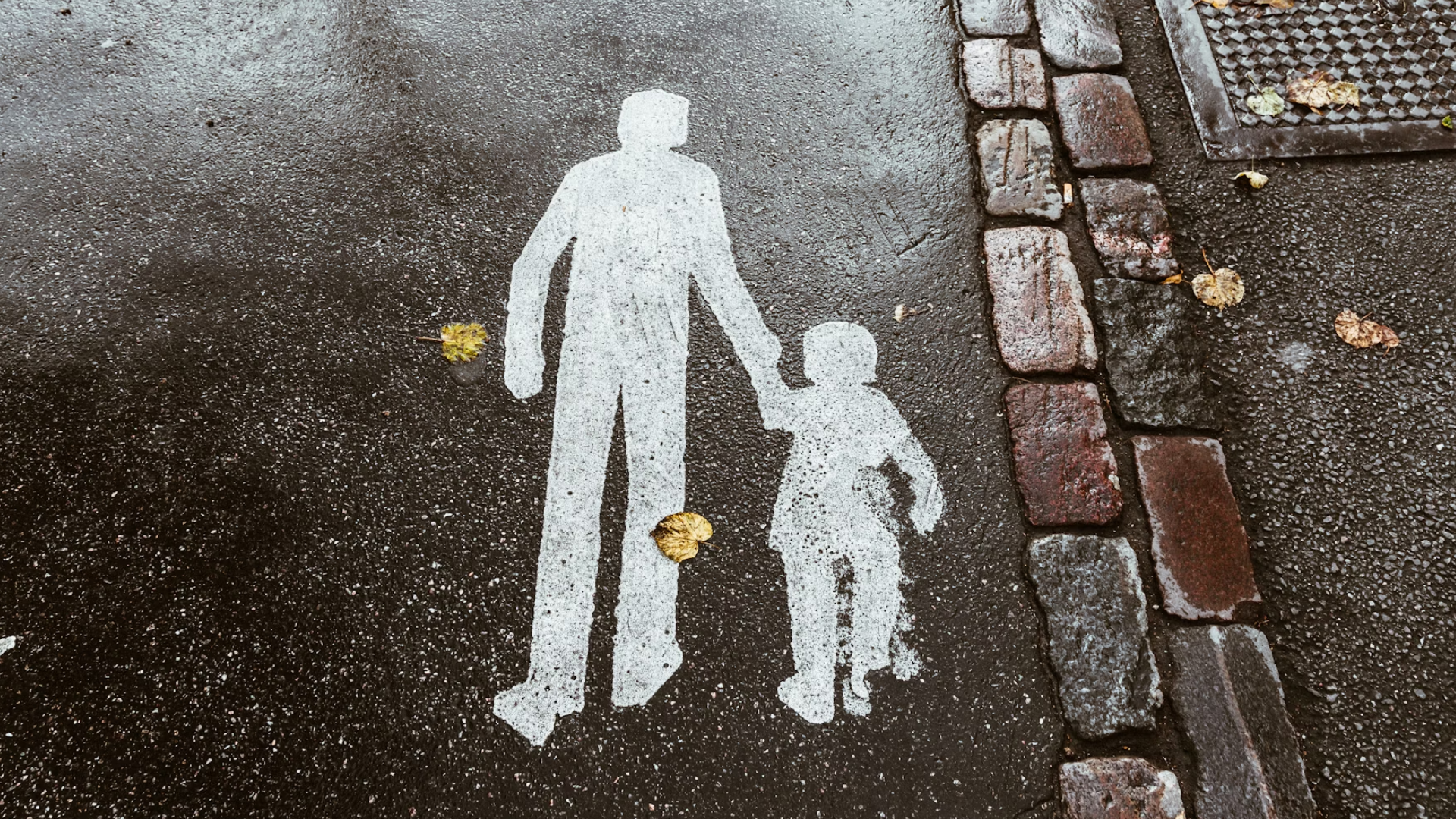
In conclusion, what was once considered standard parenting in the Boomer era is now being re-evaluated by Gen Z through the lens of emotional health and personal boundaries, with many young adults identifying habits they believe contributed to trauma or lasting emotional effects. While there is recognition that past generations were navigating different cultural norms and lacked the language of modern psychology, this generational reckoning underscores the evolving understanding of what children need to thrive. By blending resilience with empathy and open communication, today’s caregivers hope to create environments where children feel seen, heard, and emotionally supported.